
Customizing car seat covers lets you protect your seats while adding personal flair. This guide walks you through measuring, choosing materials, sewing or installing, and styling for a professional look.
Key Takeaways
- Measure accurately: Precise measurements ensure a snug, wrinkle-free fit and prevent fabric bunching.
- Choose the right material: Neoprene, leather, and polyester each offer different benefits for comfort, durability, and ease of cleaning.
- Use a pattern or template: Create or buy a seat-specific pattern to guide cutting and sewing for professional results.
- Sew with care: Reinforce seams and use heavy-duty thread to handle daily wear and tear.
- Install properly: Secure covers with straps, hooks, or Velcro to keep them in place while driving.
- Personalize with style: Add contrast stitching, embroidery, or custom colors to reflect your personality.
- Maintain regularly: Clean and condition covers to preserve appearance and extend lifespan.
How to Customize Car Seat Covers for a Perfect Fit and Style
Your car’s interior says a lot about you. While factory seat covers get the job done, they rarely reflect your personal style—or fit perfectly over time. That’s where customizing car seat covers comes in. Whether you’re looking to protect your seats from spills and pets, refresh worn upholstery, or simply add a bold design touch, custom seat covers offer a practical and stylish solution.
In this guide, we’ll walk you through the entire process—from measuring your seats to installing your finished covers. You’ll learn how to choose the best materials, create or use a pattern, sew or install with confidence, and add personalized details that make your car truly yours. No matter your skill level, with the right tools and a little patience, you can achieve a professional-looking result that fits like a glove.
Step 1: Measure Your Seats Accurately
The foundation of any great custom seat cover is precise measurement. Even small errors can lead to loose fabric, gaps, or uncomfortable bunching. Start by removing the seat if possible—this gives you full access and makes measuring easier.
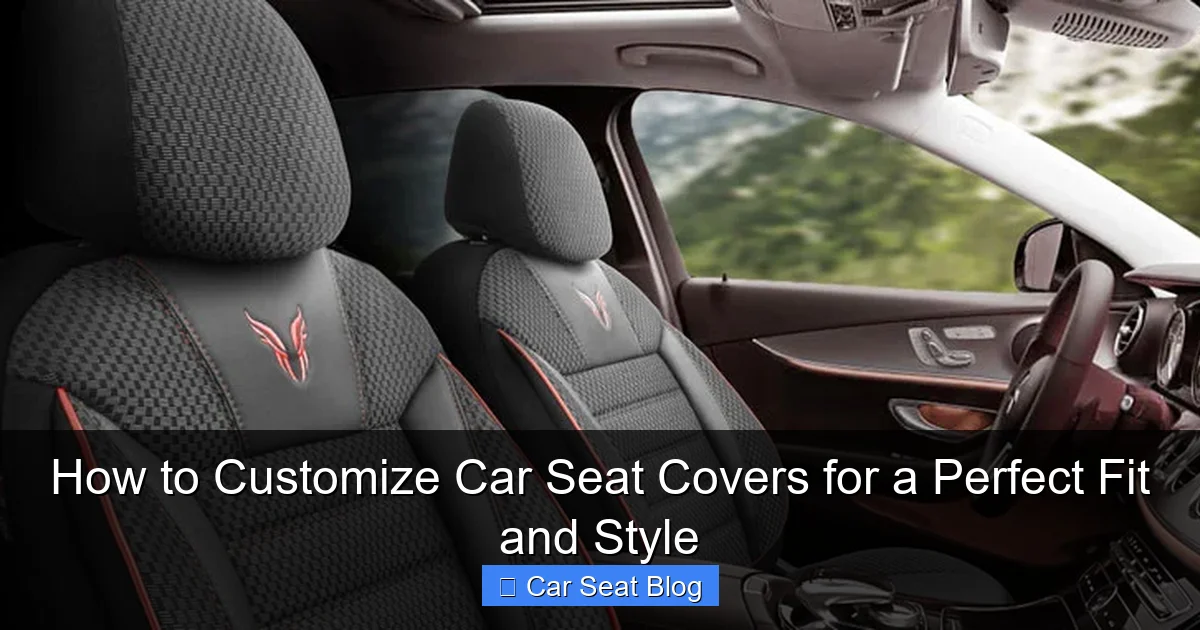
Visual guide about How to Customize Car Seat Covers for a Perfect Fit and Style
Image source: qualitycarcovers.co.uk
Tools You’ll Need
- Flexible measuring tape
- Notepad and pen
- Camera (to document seat shape)
Measuring Tips
- Measure the seat back, seat bottom, headrest, and any side bolsters separately.
- Note the depth, width, and height of each section.
- Include any contours, seams, or built-in features like airbags or heating elements.
- Take photos from multiple angles to reference during pattern creation.
Pro tip: Add 1–2 inches to each measurement for seam allowances and ease of movement. This extra fabric ensures your cover isn’t too tight and allows room for stitching.
Step 2: Choose the Right Material
The material you choose affects comfort, durability, and ease of maintenance. Here are the most popular options for custom car seat covers:
Neoprene
Water-resistant, stretchy, and great for active lifestyles. Ideal for SUVs, trucks, and families with kids or pets. It’s easy to clean and resists fading.
Leather or Faux Leather
Offers a luxurious look and feels premium. Real leather ages beautifully but requires regular conditioning. Faux leather is more affordable and easier to maintain.
Polyester or Microfiber
Lightweight, breathable, and budget-friendly. Great for everyday use and available in countless colors and patterns.
Velvet or Suede
Adds a soft, high-end texture. Best for show cars or low-mileage vehicles, as they can stain and wear faster.
Consider your climate, driving habits, and cleaning routine when selecting fabric. For example, neoprene is excellent in rainy areas, while breathable polyester works well in hot climates.
Step 3: Create or Buy a Seat Pattern
A precise pattern ensures your cover fits perfectly. You can either create one from scratch or purchase a pre-made template designed for your car’s make and model.
Making Your Own Pattern
- Use butcher paper, large sheets of craft paper, or even old bedsheets.
- Drape the paper over the seat and trace the shape with a marker.
- Cut out the pattern and test it on the seat, making adjustments as needed.
- Label each piece (e.g., “seat bottom,” “headrest”) to avoid confusion later.
Buying a Pre-Made Pattern
Many online retailers sell custom patterns for popular vehicles. These are often digital downloads that you print and assemble. They save time and ensure accuracy, especially for complex seat shapes.
Tip: If your car has side airbags, make sure your pattern includes reinforced stitching zones or special openings to avoid interference.
Step 4: Cut and Prepare the Fabric
Once your pattern is ready, it’s time to cut the fabric. Work in a clean, well-lit area to avoid mistakes.
Cutting Tips
- Place the pattern on the fabric and pin it in place.
- Use fabric scissors or a rotary cutter for clean edges.
- Cut slowly and follow the lines precisely.
- Label each piece with a fabric marker to stay organized.
If you’re using patterned fabric (like stripes or logos), align the design carefully so it looks intentional on the finished cover. For stretchy materials like neoprene, use pattern weights instead of pins to avoid distortion.
Step 5: Sew the Cover Together
Sewing is where your custom cover takes shape. Even if you’re new to sewing, a basic machine and some patience will get you far.
Essential Sewing Tools
- Heavy-duty sewing machine (or a regular one with a denim needle)
- Heavy-duty thread (polyester or nylon)
- Pins or clips
- Seam ripper (for fixing mistakes)
- Iron (to press seams flat)
Sewing Steps
- Pin the fabric pieces together with the right sides facing inward.
- Sew along the edges using a ½-inch seam allowance.
- Press seams open with an iron to reduce bulk and improve durability.
- Reinforce high-stress areas like seat corners and headrest openings with double stitching.
For stretch fabrics, use a zigzag stitch or a serger to allow flexibility. If you don’t have a serger, a triple straight stitch can work in a pinch.
Adding Personal Touches
This is your chance to get creative! Consider:
- Contrast stitching: Use a bold thread color that stands out against the fabric.
- Embroidery: Add your initials, a logo, or a fun design with an embroidery machine.
- Piping: Insert colored cord between seams for a tailored look.
- Custom panels: Mix materials—like leather accents on a fabric base—for a unique design.
Take your time with decorative elements. Rushing can lead to uneven stitches or misaligned patterns.
Step 6: Install the Custom Seat Covers
A beautifully sewn cover is only as good as its installation. A loose or crooked cover can be uncomfortable and unsafe.
Installation Tips
- Start with the seat bottom, then move to the back and headrest.
- Use the original seat hooks, straps, or elastic bands to secure the cover.
- If your cover includes Velcro or snaps, attach them carefully to avoid damaging the seat.
- Tuck excess fabric into gaps between seat sections for a clean look.
For non-sew options, consider slip-on covers with built-in straps. These are easier to install and remove for cleaning.
Securing the Cover
Many custom covers come with attachment points. Use:
- Elastic straps with hooks
- Plastic clips
- Velcro strips
- Zipper closures (for full coverage)
Test the fit by sitting in the seat. The cover should feel snug but not tight, with no slipping or wrinkling.
Troubleshooting Common Issues
Even with careful planning, you might run into a few hiccups. Here’s how to fix the most common problems:
Loose or Wrinkled Fabric
Cause: Fabric cut too large or not stretched properly during installation.
Solution: Remove the cover, trim excess fabric, and reinstall with more tension. Use additional straps if needed.
Gaps Around Edges
Cause: Pattern didn’t account for seat contours.
Solution: Add darts or gussets to the pattern and re-cut the fabric.
Seams Coming Apart
Cause: Weak thread or insufficient stitching.
Solution: Re-sew with heavy-duty thread and reinforce with a second row of stitching.
Cover Slipping While Driving
Cause: Poor attachment or lack of grip.
Solution: Add non-slip padding underneath or use more secure fasteners like ratchet straps.
Maintaining Your Custom Seat Covers
To keep your covers looking fresh, clean them regularly based on the material:
- Neoprene: Wipe with a damp cloth and mild soap. Air dry.
- Leather: Use a leather cleaner and conditioner every 3–6 months.
- Fabric: Vacuum weekly and spot-clean stains immediately.
- Faux leather: Clean with a disinfectant wipe and dry thoroughly.
Avoid harsh chemicals, excessive heat, and direct sunlight, which can fade or crack materials over time.
Conclusion
Customizing car seat covers is a rewarding project that combines practicality with personal expression. By measuring accurately, choosing the right materials, and sewing with care, you can create covers that fit perfectly and reflect your style. Whether you’re protecting your investment, refreshing an older vehicle, or just adding a pop of color, custom seat covers are a smart and stylish upgrade.
With the steps in this guide, you’re well-equipped to tackle the process from start to finish. Remember, patience and attention to detail make all the difference. So grab your tools, pick your favorite fabric, and get ready to transform your car’s interior into something truly unique.