Choosing the right car seat cover color goes beyond looks—it affects comfort, cleanliness, and resale value. This guide helps you pick a color that matches your style, hides dirt, and suits your climate.
Key Takeaways
- Match your car’s interior: Choose a color that complements your dashboard, trim, and upholstery for a cohesive look.
- Consider climate and sunlight: Light colors reflect heat in sunny areas, while dark shades absorb it—pick based on your region.
- Prioritize stain resistance: Darker or patterned covers hide spills and dirt better, especially with kids or pets.
- Think long-term maintenance: Light fabrics show wear faster; opt for durable, easy-to-clean materials regardless of color.
- Boost resale value: Neutral tones like gray, black, or beige appeal to more buyers if you plan to sell.
- Express your personality: Bold colors or textures let you personalize your ride without permanent changes.
- Test before you buy: View samples in natural light and check how the color looks at different times of day.
How to Choose Car Seat Cover Color for Style and Comfort
Your car’s interior is more than just a place to sit—it’s a personal space that reflects your taste and lifestyle. One of the easiest ways to refresh or protect your vehicle is by adding seat covers. But with so many colors and materials available, how do you pick the right one? Choosing the perfect car seat cover color isn’t just about what looks good. It’s about balancing style, comfort, practicality, and long-term satisfaction.
In this guide, we’ll walk you through a step-by-step process to help you choose a car seat cover color that enhances your driving experience. Whether you’re looking to protect your original seats, upgrade your car’s look, or simply add a touch of personality, we’ve got you covered—literally.
Step 1: Assess Your Car’s Interior Color Scheme
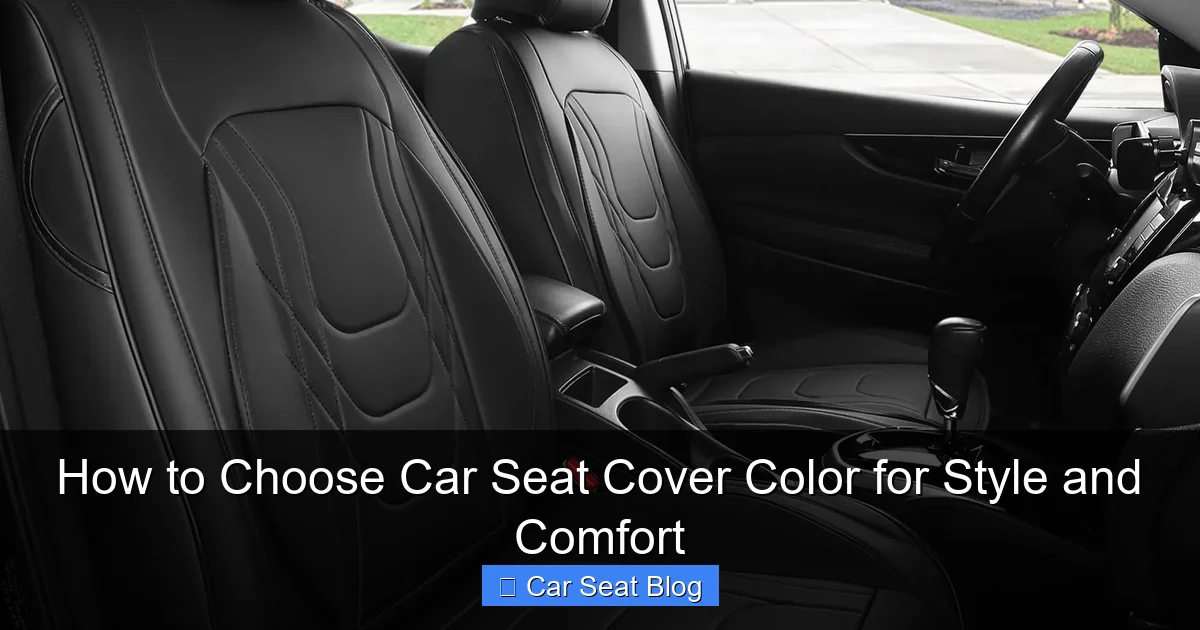
Visual guide about How to Choose Car Seat Cover Color for Style and Comfort
Image source: freesoo-auto.com
Before you fall in love with a bold red or sleek navy, take a good look at your car’s existing interior. The color of your dashboard, door panels, carpet, and trim all play a role in how a seat cover will look.
Match or Complement?
You have two main options: match your current upholstery or choose a complementary color. Matching creates a seamless, factory-finish look. For example, if your seats are black, black or charcoal gray covers will blend in perfectly. Complementary colors, on the other hand, add contrast and visual interest. A beige interior might pop with dark gray or navy seat covers.
Use a Color Wheel for Guidance
Think back to art class—complementary colors (those opposite each other on the color wheel) create balance. For instance, if your car has warm tan tones, cool gray or blue seat covers can provide a modern contrast. Avoid clashing combinations like bright orange with red—unless you’re going for a bold, intentional look.
Take Photos for Reference
Snap a few pictures of your car’s interior in natural light. This helps when shopping online or comparing samples. You’ll get a better sense of how different colors interact with your specific shade of gray, beige, or black.
Step 2: Consider Your Climate and Sun Exposure
Where you live and how much sun your car gets can greatly influence your color choice. This isn’t just about comfort—it’s about protecting your seats and your skin.
Hot Climates: Go Light
If you live in a sunny, warm area like Arizona or Florida, dark seat covers can turn your car into an oven. Black or dark gray fabric absorbs heat, making seats uncomfortably hot to sit on—even with air conditioning. Light colors like beige, light gray, or cream reflect sunlight and stay cooler.
Cold Climates: Embrace Darker Tones
In colder regions, dark seat covers can actually be a benefit. They absorb heat from the sun, helping warm up your seats on chilly mornings. Just be prepared for them to get hot in summer if you park in direct sunlight.
UV Protection Matters
No matter the color, prolonged sun exposure can fade fabrics and damage materials. Look for seat covers with UV-resistant coatings. This is especially important for light-colored covers, which can yellow or discolor over time.
Step 3: Think About Stains, Dirt, and Daily Wear
Let’s be honest—cars get dirty. Spills, crumbs, pet hair, and muddy shoes are part of life. Your seat cover color should help you manage that reality.
Dark Colors Hide Dirt Better
Black, charcoal, and dark navy are excellent choices if you have kids, pets, or a messy commute. These colors mask dust, food stains, and general grime. A light-colored cover might look pristine at first, but it won’t stay that way for long.
Patterns and Textures Add Camouflage
Solid colors show every speck, but patterned or textured fabrics (like tweed or quilted designs) hide imperfections. A gray herringbone pattern, for example, can disguise pet hair and minor spills better than plain gray.
Light Colors Need More Maintenance
If you love the clean, airy look of white or beige, be ready to clean your covers more often. Consider using a fabric protector spray to repel liquids and make spot cleaning easier.
Step 4: Factor in Your Lifestyle and Passengers
Who uses your car? How do you use it? These questions are key to choosing a practical and stylish seat cover color.
Families with Kids
If your car is a mobile snack station and playground, prioritize durability and stain resistance. Dark gray, black, or patterned covers are ideal. Avoid light fabrics unless you’re committed to frequent cleaning.
Pet Owners
Pets shed, scratch, and sometimes have accidents. Choose a color that hides fur—dark tones or multi-colored patterns work best. Also, look for waterproof or water-resistant materials to protect against spills.
Commuters and Road Warriors
If you spend hours in your car, comfort and ease of cleaning matter. Neutral tones like gray or beige offer a professional look and are easy to maintain. Plus, they won’t clash with business attire.
Weekend Adventurers
Love hiking, beach trips, or camping? Go for rugged, easy-to-clean materials in earthy tones like olive green, brown, or slate gray. These colors blend with outdoor gear and hide dirt from trails and sand.
Step 5: Choose Based on Resale Value
Even if you love bright pink or electric blue, consider how your seat cover color might affect your car’s resale value.
Neutral Wins with Buyers
Most car buyers prefer neutral interiors. Black, gray, and beige are universally appealing and make your car feel clean and well-maintained. If you plan to sell your car in a few years, sticking to these colors can help attract more interest.
Bold Colors Can Be a Turnoff
While a red seat cover might make your heart sing, it could scare off potential buyers. Unless you’re driving a sports car or custom vehicle, it’s safer to keep things subtle.
Removable Covers Offer Flexibility
The good news? Seat covers are removable. You can enjoy a fun color now and switch to neutral before selling. Just keep the original seats protected underneath.
Step 6: Express Your Personality (Within Reason)
Your car is an extension of you. Don’t be afraid to add a personal touch—just do it wisely.
Use Accent Colors
If you love color but want to stay practical, choose a neutral base with colorful accents. For example, black seat covers with red stitching or gray covers with blue piping add flair without overwhelming the interior.
Try Themed Designs
Love the ocean? Consider navy with white wave patterns. A fan of classic cars? Go for vintage leather-look in brown. Just make sure the design doesn’t clash with your car’s overall style.
Seasonal Swaps
Some people change seat covers with the seasons—light colors in summer, darker ones in winter. If you’re up for it, this is a fun way to keep your car feeling fresh year-round.
Step 7: Test the Color in Real Conditions
Never buy a seat cover based on a photo alone. Colors can look very different in person—and under different lighting.
Request Samples
Many online retailers offer free or low-cost fabric samples. Order a few options and hold them up to your car’s interior. Check how they look in morning light, afternoon sun, and at night.
Consider Material Finish
A color can appear matte, glossy, or textured depending on the fabric. A shiny black cover might look sleek in photos but show fingerprints and dust in real life. Matte finishes are more forgiving.
Think About Reflection
Light-colored seats can reflect sunlight onto your face or dashboard, causing glare. Dark seats absorb light but may make the cabin feel smaller. Test how the color affects visibility and comfort.
Troubleshooting Common Color Choice Mistakes
Even with the best planning, things can go wrong. Here’s how to fix common issues.
“The Color Looks Different in My Car”
Lighting inside a car is tricky. If your seat cover looks too bright or too dull, try adjusting your car’s interior lighting (like adding LED strips) or consider a different shade from the same color family.
“It Shows Every Stain”
If you chose a light color and regret it, don’t panic. Use a fabric protector spray and clean spills immediately. For future purchases, opt for darker or patterned covers.
“It Doesn’t Match My Expectations”
If the color clashes with your interior, try adding coordinating accessories—like floor mats or steering wheel covers—in the same tone to create balance.
“It Gets Too Hot/Cold”
If your seat cover is uncomfortable due to temperature, consider adding seat cushions or using sunshades when parked. You can also switch to a lighter or darker color next time.
Final Tips for a Smart Purchase
Before you click “buy,” keep these final tips in mind:
- Read reviews: Look for feedback on color accuracy, durability, and ease of cleaning.
- Check return policy: Make sure you can return or exchange if the color isn’t right.
- Measure your seats: A perfect color won’t help if the cover doesn’t fit.
- Choose quality materials: Neoprene, leather, and high-grade polyester offer better longevity.
- Think long-term: Will you still love this color in two years?
Conclusion
Choosing the right car seat cover color is a blend of art and science. It’s about more than just picking a shade you like—it’s about creating a space that’s stylish, comfortable, and practical for your daily life. By considering your car’s interior, climate, lifestyle, and long-term goals, you can make a choice that looks great and stands the test of time.
Remember, the best color is one that makes you smile every time you get behind the wheel. Whether you go classic black, calming gray, or a pop of personality, your seat covers should reflect who you are—and make every drive a little more enjoyable.
🎥 Related Video: I Found The Best Car Seat Covers For 2026
📺 The Chris Review
In this video, I go over the Best Car Seat Covers. Check out the best Car Seat Covers here ▻7. Boleman – https://geni.us/JIDoS …

