Quick Summary: Batteries lose charge due to chemical reactions, parasitic drains, short trips, heat, cold, and age. Test yours with a multimeter (12.6V+ is healthy), clean the terminals, check the alternator (13.8–14.7V running), and fix hidden drains by pulling fuses. Drive longer trips or use a maintainer to keep it charged.
You turn the key and hear a click. Or the starter drags like it’s stuck in mud. That sinking feeling? A weak battery. Understanding how batteries lose charge helps you stop the problem fast. I’ll walk you through simple tests, easy fixes, and smart habits. You’ll learn what drains a battery, how to test voltage, how to find hidden drains, and when to replace it. Let’s get your car starting strong again—today.

How Batteries Lose Charge: The Simple Science
A car battery stores energy using a chemical reaction. Over time, that reaction weakens, and the battery “self-discharges.” Heat speeds it up. Cold slows it down but makes starting harder. Add in short trips, corrosion, or a bad alternator, and the battery runs low. The result is slow cranking, dim lights, or no start.

Lead-Acid Basics (Your Typical Car Battery)
Most gas and diesel cars use a 12-volt lead-acid battery. Inside are lead plates in a bath of sulfuric acid. When you turn the key, acid reacts with the plates to create electricity. When you recharge, the reaction reverses. If the battery sits low, crystals form on the plates. That is “sulfation.” It reduces capacity and makes charging harder over time.

Lithium-Ion Basics (EVs, Hybrids, and Gadgets)
EVs and many hybrids use large lithium-ion packs. They lose charge from “self-discharge” too, but at a lower rate. They also have systems that run in the background. That can cause “Phantom Drain: Causes, Fixes, and Normal Loss”>Phantom Drain: What’s Normal and What’s Not?”>phantom drain.” Your car might hold the 12V lead-acid or a small lithium 12V battery as well. That smaller battery powers locks, alarms, and computers. It can drain even if the big pack is fine.
Common Reasons Your Car Battery Loses Charge Fast
Most battery problems come down to a few things. Short trips. Parasitic drains. Bad charging system. Old age. Heat and cold. Fix the root cause, and your battery will last much longer.

- Parasitic drain from lights, modules, or add-ons
- Short trips that never recharge the battery
- Weak or failing alternator or voltage regulator
- Loose, corroded, or damaged battery cables
- Very hot or very cold weather
- Old battery with high internal resistance
- Dirty battery case causing surface discharge
- Aftermarket devices wired wrong
- Bad grounds or high-resistance connections
- Sitting parked for weeks without a maintainer
Parasitic Drain (The Silent Battery Killer)
Your car uses small amounts of power when parked. That’s normal. Clocks, alarms, and modules sip power. But a stuck relay, glovebox light, or faulty module can draw too much. That kills a battery overnight. You can measure this with a multimeter and pull fuses to find the bad circuit. I’ll show you how below.
Short Trips and Idling
Starting takes a big chunk of energy. You need a good drive after that to recharge. Short trips don’t do it. Idling helps a little, but not much. If you mostly take short drives, use a battery maintainer overnight once a week. Or plan a longer drive to top off the battery.

Weather: Heat vs. Cold
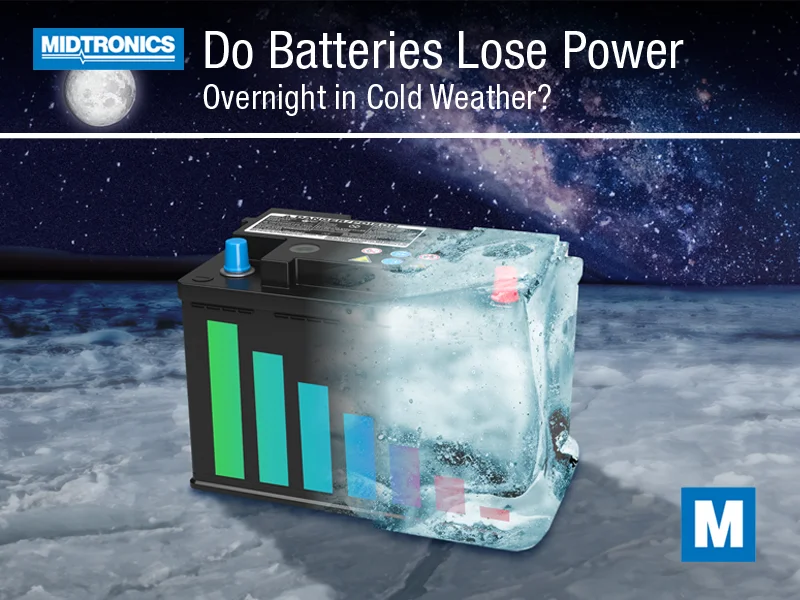
Heat ages batteries. It speeds up chemical breakdown and water loss. Cold slows the reaction, so power output drops. Your engine oil also thickens in the cold. That makes cranking harder. In hot states, batteries die younger. In cold states, they struggle in winter mornings. Both climates need special care.
Aging and Sulfation
Most car batteries last 3–5 years. Heat, deep discharges, and sitting low reduce that. As batteries age, internal resistance rises. Charging gets harder. Sulfation builds up. You will see slow cranks, dim lights at idle, or random electronics glitches. At that point, plan a replacement.
Symptoms, Causes, and Fixes (Quick Reference)
Use this table to match what you see to what to do next. It covers the most common battery complaints and simple fixes.
| Symptom | Likely Cause | What To Do |
|---|---|---|
| Single click, no start | Weak battery, corroded terminals | Check voltage, clean posts, jump-start, test charging |
| Rapid clicking | Very low charge or bad connection | Charge fully, tighten clamps, test battery health |
| Cranks slow when cold | Weak battery, low CCA, thick oil | Warm battery, use 0W/5W oil spec, consider higher CCA |
| Starts, then dies at idle | Bad alternator or belt slip | Measure 13.8–14.7V running, check belt tension |
| Battery drains overnight | Parasitic draw | Perform parasitic test, pull fuses to find circuit |
| Random warning lights | Low system voltage | Charge battery, load-test, confirm alternator output |
| White or green fuzz on terminals | Corrosion, acid vapor | Clean with baking soda solution, add terminal protectant |
| Battery older than 4 years | Natural aging | Proactive replacement before winter or big trips |
| Dim lights that brighten with RPM | Weak alternator | Test charging system, replace alternator if low output |
| Frequent jump-starts needed | Battery at end of life | Replace battery and check for drains |
Battery Voltage Chart: What’s Good, What’s Bad
A multimeter tells the truth. Here’s what common readings mean on a 12V lead-acid battery. Test after the car sits off for 3+ hours for best accuracy.
| Open-Circuit Voltage (Engine Off) | Approx. State of Charge | Condition | Action |
|---|---|---|---|
| 12.6–12.8 V | 100% | Healthy | No action needed |
| 12.4–12.5 V | 75–85% | OK | Top off with a drive or maintainer |
| 12.2–12.3 V | 50–60% | Low | Recharge now to prevent sulfation |
| 12.0–12.1 V | 25–40% | Very low | Charge and test for parasitic drain |
| 11.8–11.9 V | ~10–20% | Discharged | Deep charge, then load-test battery |
| <11.8 V | <10% | Severely discharged | Charge slowly; battery may be damaged |
| 13.8–14.7 V (engine running) | N/A | Charging range | Alternator output is normal |
| How batteries lose charge at rest | ~1–5%/month | Self-discharge | Use a maintainer if stored |
Step-by-Step: How to Test and Stop Battery Drain
Follow this simple process. You will confirm battery health, check the alternator, and find hidden drains. You only need a few basic tools.
Tools You Need
Grab these items. You can do all tests at home in your driveway.
- Digital multimeter (DC volts and amps)
- Jumper cables or a jump pack
- Wire brush or terminal cleaner
- Baking soda, water, and gloves
- Safety glasses
- 10mm wrench or socket (most clamps and fuses)
- Battery charger or maintainer (smart charger preferred)
Safety First
Batteries produce hydrogen gas and contain acid. Work in a ventilated area. Wear eye protection. Never short the terminals. Disconnect negative (-) first and reconnect it last. Keep sparks, cigarettes, and flames away.
Step 1: Check Open-Circuit Voltage
Turn the car off and let it sit for a few hours. Set the multimeter to DC volts. Touch red to positive (+), black to negative (-). Read the number. Use the chart above. 12.6V means full. 12.2V is half. If it’s low, charge first, then retest.
Step 2: Inspect and Clean Terminals
Look for white or green buildup around the clamps. That adds resistance and steals power. Mix baking soda and water. Brush the posts and clamps. Rinse with clean water and dry. Tighten the clamps. Add a thin coat of dielectric grease or a battery protectant spray.
Step 3: Test Charging System (Alternator)
Start the engine. Turn on headlights and blower. Measure voltage at the battery. You want 13.8–14.7V. Lower than 13.5V? The alternator may be weak. Over 15V? The regulator may be bad. Many parts stores will test alternators free. As explained by AAA, charging problems often look like battery problems.
Step 4: Load Test the Battery
If it charges but still cranks slow, load-test it. Some chargers have this mode. Many shops and parts stores do it. The test simulates starting load. If voltage drops too low, the battery is done. Consumer Reports has solid advice on choosing a reliable replacement based on real-world tests.
Step 5: Parasitic Drain Test (Engine Off)
Shut off the car. Close doors. Wait 15–45 minutes for modules to sleep. Set your multimeter to amps (10A port). Disconnect the negative cable. Put the meter in series: one lead to the battery post, the other to the cable. Do not start the car. Normal draw is often 20–50 mA. Over 100 mA usually means a drain.
Step 6: Pull Fuses to Find the Culprit
With the meter still in series, pull one fuse at a time. Watch the amp reading. When it drops to normal, you found the circuit with the drain. Check that circuit. Common issues include glovebox or trunk lights staying on, stuck relays, or aftermarket gear.
Step 7: Fix the Root Cause
Repair or replace the bad part. Rewire accessories with an ignition-switched source. Update or replace faulty modules. If you do not find a drain, the battery is likely old or sulfated. Replace it and retest the system.
Quick Fixes You Can Do Today
Need help fast? These moves can save the day. They are quick and cheap.
- Fully charge the battery overnight with a smart charger
- Clean and tighten battery posts and grounds
- Disable always-on accessories when parked
- Drive 20–30 minutes at highway speed after jump-starts
- Use a maintainer if you drive short trips or store the car
Preventive Care: Make Your Battery Last Longer
Small habits make a big difference. Treat your battery right, and it will return the favor. These tips boost life and reduce surprises.
- Drive longer trips weekly to recharge fully
- Avoid idling for long periods to “charge” the battery
- Keep terminals clean and tight
- Check charging voltage twice a year
- Mount the battery firmly to reduce vibration
- Use a battery maintainer during storage
- Pick the right battery type and size for your car
- Replace before winter if it is 4+ years old
- Keep the case clean and dry to prevent surface discharge
- Inspect grounds and main cables for corrosion
Cold-Climate Tips
Cold robs power and makes oil thick. Give your battery a fighting chance. These moves help winter starts.
- Choose higher CCA (cold cranking amps) when you replace
- Use the oil viscosity your manual recommends for winter
- Consider a battery blanket or block heater in very cold areas
- Turn off high-demand accessories before you start
- Keep the battery fully charged to reduce freezing risk
Hot-Climate Tips
Heat shortens battery life. It speeds chemical breakdown. Protect your battery from extreme temps.
- Park in the shade or in a garage when possible
- Check water levels if you have a serviceable battery
- Ensure proper under-hood airflow and clean battery vents
- Pick an AGM battery if heat is extreme; they handle heat better
- Have the battery tested before summer road trips
For Cars You Don’t Drive Often
Sitting kills batteries. They self-discharge and sulfate. Keep yours topped up when parked for long stretches.
- Use a smart maintainer that switches to float mode
- Disconnect the negative terminal if storage is long
- Or use the factory “storage mode” if your car has it
- Start and drive at least once a month, 20+ minutes
- Record radio codes and presets if you disconnect power
How Batteries Lose Charge in Real Life: Scenarios and Fixes
Let’s make this practical. Here are common situations I see in the shop. Try these steps first. Most times, you can fix it in minutes.
- Short-trip commuter: Add a weekly 30-minute highway run. Use a maintainer. Check voltage monthly.
- Weekend car: Put a maintainer on it. Verify 12.6V before trips. Keep a jump pack in the trunk.
- Aftermarket stereo: Wire to ignition-switched power. Add a relay if needed. Confirm no draw over 50 mA at rest.
- Old battery before winter: Replace now. Choose higher CCA. Clean grounds and terminals.
- Sudden overnight drain: Do a parasitic test. Pull fuses. Common culprits are trunk lights and stuck relays.
Deep Dive: Charging System Essentials
Your battery does one job: start the car and stabilize voltage. Your alternator does the rest. If it’s lazy or faulty, your battery pays the price. Know these basics.
- Alternator output: Target 13.8–14.7V with the engine running
- Belt and pulley: Slipping belt reduces output at low RPM
- Voltage regulator: Prevents overcharge that boils batteries
- Ground straps: Poor grounds cause weird electrical issues
- High-demand loads: Heaters, fans, rear defrost strain the system
As explained by AAA, charging issues often mimic a bad battery. A quick voltage test while running can save you a needless battery swap.
Table: Why Batteries Lose Charge and What Prevents It
Map the cause to the fix. Do the fix. Your battery lives longer.
| Cause | How It Drains | Prevention |
|---|---|---|
| Parasitic draw | Modules or lights stay on | Fuse-by-fuse test, repair faulty component |
| Short trips | Never fully recharges | Weekly long drive, use a maintainer |
| Heat | Speeds chemical breakdown | Shade parking, AGM battery, airflow |
| Cold | Reduces available power | Higher CCA, battery blanket, full charge |
| Aging/sulfation | Higher resistance, less capacity | Keep charged, replace at 3–5 years |
| Loose/corroded clamps | Voltage drop and hard starts | Clean, tighten, protect terminals |
| Bad alternator | Undercharge or overcharge | Test 13.8–14.7V, replace if out of range |
| Dirty battery case | Surface discharge across grime | Keep case clean and dry |
| Aftermarket wiring | Constant power drains | Use ignition-switched circuits and relays |
| Storage | Self-discharge over weeks | Smart maintainer or disconnect negative |
When to Replace vs. Recharge
Not sure if you should buy a new battery? Use these rules. They are simple and save money.
- Voltage bounces back to 12.6V after a full charge and load-test passes: Keep it
- Battery is 4–6 years old and fails one test: Replace it
- Needs frequent jump-starts even after a full charge: Replace it
- Cracked case or leaked acid: Replace now
- Alternator is good, but battery drops below 9.6V under load: Replace it
Based on this battery guide from Consumer Reports, quality and freshness matter. Check the build date code. Newer is better. Avoid old stock that sat on a shelf for months.
Choosing the Right Replacement Battery
Pick the right group size so it fits. Match or exceed your car’s CCA. Consider upgrades if you use many accessories. A good battery ends roadside drama.
- Group size: Match the tray and terminal orientation
- CCA (cold cranking amps): Higher helps in cold starts
- RC (reserve capacity): Keeps systems alive with the engine off
- AGM vs Flooded: AGM resists heat, vibration, and deep cycles
- EFB for start-stop systems if your car requires it
- Warranty: Pro-rated is common; focus on build quality too
EVs and Hybrids: How High-Voltage Batteries Lose Charge
EV packs self-discharge slowly. But your car still runs systems while parked. That causes “phantom drain.” Climate control preheats or cools the cabin. The battery management system runs checks. Apps ping the car. All of that draws energy. Many hybrids also use a 12V battery for accessories. That 12V can drain even when the big pack is fine.
- Reduce always-on app access when storing
- Use “sleep” or “deep sleep” modes if available
- Avoid 100% charge for long storage; 40–60% is gentler
- Precondition while plugged in to avoid draining the pack
- Check the 12V battery annually; it still starts the computers
According to the U.S. Department of Energy, battery temperature management is key for long life. EVs with thermal management handle heat and cold better than those without.
Storage Tips for EV Owners
Storing an EV or hybrid is easy with a few smart steps. Do them, and your car wakes up happy.
- Set charge limit to around 50%
- Park in moderate temperatures when possible
- Turn off sentry or guard modes unless needed
- Check for software updates that improve sleep behavior
- If your model has a 12V lead-acid battery, consider a maintainer
My Real-World Tips from the Garage
I’ve helped many drivers with “dead battery” calls. Most fixes are simple. Do these and you will avoid 90% of problems.
- Carry a lithium jump pack. It’s faster than waiting for a tow.
- Use a memory saver when swapping the battery to keep presets.
- Clean grounds at the chassis and engine block once a year.
- Check voltage drop across cables under load for hidden resistance.
- Secure the battery clamp tight to prevent vibration damage.
- After a jump-start, drive at least 20–30 minutes, steady speed.
- Label aftermarket wires so you know what each does later.
- Keep the top of the battery clean to prevent surface discharge.
FAQ
Why does my car battery die overnight?
Usually a parasitic drain. A light or module stays on. Test for draw with a multimeter. Pull fuses until the draw drops. Fix that circuit.
How long should a car battery last?
About 3–5 years for most drivers. Heat, short trips, and deep discharges shorten life. Care and a maintainer extend it.
Is idling enough to charge my battery?
Not well. Alternators charge best at moderate RPM with low accessory load. A 20–30 minute drive works better than idling in the driveway.
What voltage is too low to start a car?
Below 12.2V is risky. Below 12.0V often fails in cold weather. Charge to 12.6V or more for reliable starts.
Can I fix a sulfated battery?
Sometimes. A smart charger with a reconditioning mode may help if sulfation is light. If it fails a load test after charging, replace it.
Will jump-starting damage my car?
Do it right, and it’s safe. Connect positive to positive. Then negative to a clean ground on the dead car. Remove in reverse order. Avoid sparks near the battery.
How do I know if my alternator is bad?
Measure 13.8–14.7V at the battery with the engine running. If low, the alternator or belt could be bad. If very high, the regulator is failing.
Conclusion
Batteries lose charge for a few simple reasons: chemistry, drains, driving habits, and weather. The fix is simple too. Test voltage. Check the alternator. Clean the posts. Find hidden drains if it dies overnight. Drive longer trips or use a maintainer. If it is old or fails a load test, replace it before it leaves you stuck. You’ve got this. Pop the hood today and do a quick check. Your next start will thank you.
Resources like AAA roadside tips and U.S. Department of Energy battery basics are helpful if you want to dig deeper. Stay ahead of the problem, and your car will fire up every time.

