Replacing your car seat covers doesn’t have to break the bank. This guide breaks down the average costs, material options, and whether to DIY or hire a pro—so you can make a smart, stylish choice for your ride in 2024.
Quick Answers to Common Questions
Tip/Question?
Can I replace just one seat cover?
Yes, but it’s best to replace all covers at once for a uniform look. Mixing old and new fabrics can look mismatched.
Tip/Question?
Are seat covers compatible with heated seats?
Most modern covers are designed to work with heated seats, but check the product description. Avoid thick materials that block heat transfer.
Tip/Question?
How long do seat covers last?
Quality covers last 3–7 years, depending on material and usage. Leather and neoprene tend to last the longest.
Tip/Question?
Can I install seat covers in winter?
Yes, but cold fabric is less flexible. Warm the car interior first or use a heat gun to make installation easier.
Tip/Question?
Do seat covers affect airbag deployment?
Only if they’re not designed for your vehicle. Always choose covers labeled “airbag compatible” for side-impact safety.
Introduction: Why Replace Your Car Seat Covers?
Over time, car seat covers wear out. Stains, tears, fading, and unpleasant odors can make even the cleanest car feel neglected. Whether you’re restoring an older vehicle or just want a fresh interior look, replacing your seat covers is a smart upgrade. But how much does it really cost in 2024?
In this guide, we’ll walk you through everything you need to know about the cost to replace car seat covers, including material options, DIY vs. professional installation, and hidden savings tips. By the end, you’ll know exactly what to budget and how to get the best value for your money.
Step 1: Assess the Condition of Your Current Seat Covers
Before spending a dime, take a close look at your existing seat covers. Are they just dirty, or are they actually damaged? Sometimes, a deep clean can restore them to near-new condition.
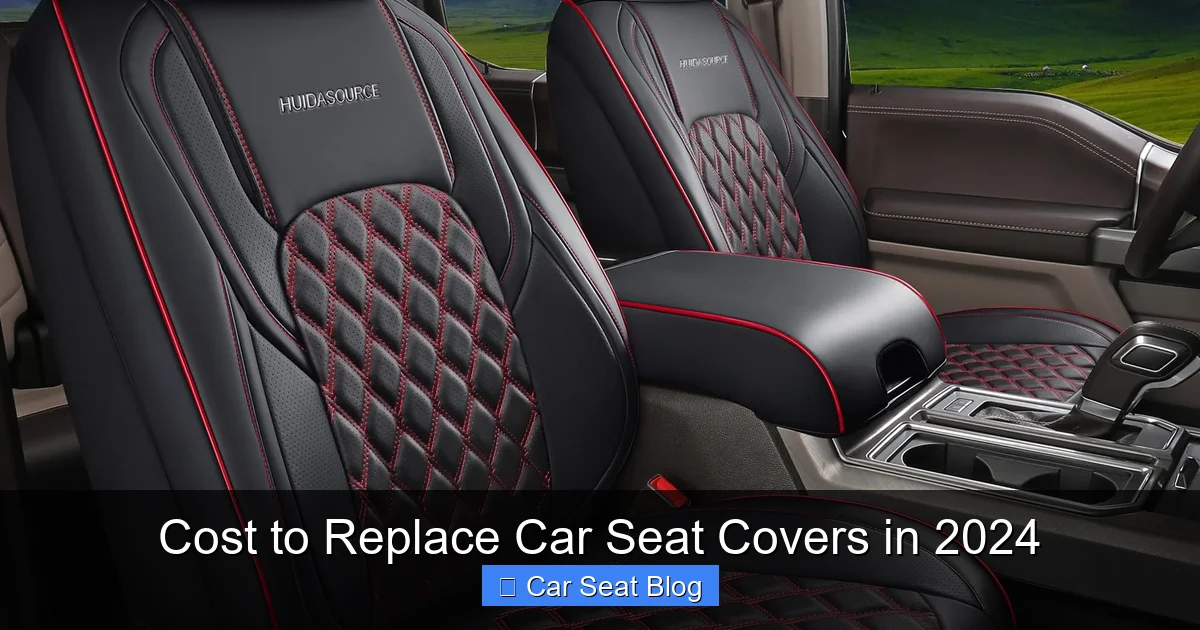
Visual guide about Cost to Replace Car Seat Covers in 2024
Image source: m.media-amazon.com
Check for These Signs
- Stains: Coffee, grease, or pet accidents that won’t come out.
- Tears or holes: Especially near seams or edges where fabric frays.
- Fading: Sun exposure can bleach colors, making seats look old.
- Odors: Lingering smells from smoke, food, or pets.
- Loose fit: Covers that sag or bunch up are uncomfortable and unsafe.
If the damage is minor, cleaning or patching might be enough. But if the fabric is worn through or the foam underneath is exposed, replacement is the best option.
Step 2: Choose the Right Material
The material you choose has the biggest impact on cost and longevity. Here’s a breakdown of the most popular options in 2024.
Fabric (Cloth)
Cost: $50–$150 per row (front or back seats)
Fabric covers are the most affordable and come in a variety of colors and patterns. They’re breathable and comfortable in warm weather but can stain easily. Great for daily drivers and families.
Leatherette (Synthetic Leather)
Cost: $100–$250 per row
Leatherette looks like real leather but costs less and is easier to clean. It resists spills and fading, making it ideal for pets and kids. However, it can crack over time if not maintained.
Real Leather
Cost: $200–$500+ per row
Real leather offers a premium feel and ages beautifully. It’s durable and adds resale value, but it’s expensive and requires regular conditioning to prevent drying and cracking.
Neoprene
Cost: $120–$300 per row
Popular with outdoor enthusiasts, neoprene is waterproof, stretchy, and great for wet gear or pets. It’s a bit pricier but highly functional for active lifestyles.
Velvet or Microfiber
Cost: $80–$200 per row
Soft and stylish, these materials offer a luxury feel. However, they can trap dirt and are harder to clean, so they’re better for low-traffic vehicles.
Step 3: Decide Between DIY and Professional Installation
Your budget and skill level will determine whether you tackle this project yourself or hire a pro.
DIY Installation
Cost: $50–$300 (just for materials)
DIY is the most cost-effective option. Many online retailers sell seat cover kits with step-by-step instructions. You’ll need basic tools like a screwdriver, pliers, and possibly a heat gun for stretching fabric.
Pros:
- Save $100–$300 on labor
- Work at your own pace
- Learn a useful skill
Cons:
- Time-consuming (2–6 hours)
- Risk of poor fit or wrinkles
- No warranty on workmanship
Tip: Watch YouTube tutorials for your specific car model before starting. Some seats have hidden clips or airbags that require extra care.
Professional Installation
Cost: $150–$500+ (includes labor and materials)
Auto upholstery shops or detailers can install covers with precision. They often use high-quality materials and guarantee their work.
Pros:
- Perfect fit and finish
- Warranty included (usually 1–2 years)
- No stress or mess
Cons:
- Higher upfront cost
- Need to drop off your car
- May take 1–3 days
If you’re not confident in your skills or drive a luxury vehicle, professional installation is worth the extra cost.
Step 4: Choose Between Universal and Custom-Fit Covers
Not all seat covers are created equal. The fit affects both comfort and appearance.
Universal Covers
Cost: $50–$150
These are designed to fit a range of vehicles. They’re affordable and widely available but often require adjustments and may not hug the seat perfectly.
Best for: Budget buyers, temporary use, or older cars.
Custom-Fit Covers
Cost: $150–$500+
Made specifically for your car’s make, model, and year. They snap into place seamlessly and look like factory-installed upholstery.
Best for: Newer cars, show vehicles, or anyone wanting a polished look.
Tip: Always double-check compatibility before buying. Some brands like Coverking, CalTrend, and FH Group offer custom patterns for popular models.
Step 5: Factor in Additional Costs
The base price isn’t the whole story. Here are other expenses to consider.
Tools (for DIY)
If you don’t already own them, you may need:
- Socket wrench set ($20–$50)
- Trim removal tools ($10–$20)
- Heat gun ($30–$60)
- Spray adhesive ($10)
Cleaning Supplies
Even new covers benefit from a pre-installation clean. Budget $15–$30 for upholstery cleaner and a vacuum.
Shipping and Taxes
Online orders may add $10–$30 for shipping. Don’t forget sales tax, which varies by state.
Warranty or Protection Plans
Some retailers offer extended warranties for $20–$50. This can be worth it for expensive leather or custom covers.
Step 6: Get Quotes and Compare Options
Don’t settle for the first price you see. Shop around to find the best deal.
Where to Buy
- Amazon: Wide selection, fast shipping, customer reviews.
- AutoZone, Advance Auto Parts: In-store pickup, price matching.
- Specialty retailers: Coverking, Katzkin, or Seat Covers Unlimited for custom options.
- Local upholstery shops: Get personalized service and local support.
Compare at least three options. Look at material quality, return policy, and customer ratings. A slightly higher price may be worth it for better durability and fit.
Troubleshooting Common Issues
Even with careful planning, problems can arise. Here’s how to handle them.
Covers Don’t Fit Properly
Solution: Double-check your car’s year, make, and model. Some seats have side airbags or heating elements that require special covers. If the fit is still off, contact the seller for an exchange.
Wrinkles or Sagging
Solution: Use a heat gun to gently stretch the fabric. Work in small sections and avoid overheating. For neoprene, let it sit in the sun for 10–15 minutes to relax the material.
Zippers or Snaps Won’t Close
Solution: Trim excess fabric carefully with fabric scissors. Don’t force the closure—this can tear the material. If it’s a manufacturing defect, request a replacement.
Unpleasant Odor After Installation
Solution: New synthetic materials can have a chemical smell. Air out the car with windows down for a few days. Use an odor-neutralizing spray if needed.
Conclusion: Make the Smart Choice in 2024
The cost to replace car seat covers in 2024 varies widely—from as little as $50 for a DIY cloth kit to $500+ for custom leather with professional installation. Your final price depends on material, fit, and whether you do it yourself or hire help.
For most drivers, a mid-range custom-fit leatherette or neoprene cover offers the best balance of cost, comfort, and durability. If you’re handy and patient, DIY can save you hundreds. But if you want a flawless finish and peace of mind, investing in professional service is worth every penny.
Remember: Replacing seat covers isn’t just about looks. It improves comfort, protects your original upholstery, and can even boost your car’s resale value. With the right plan, you can refresh your interior without overspending.

