Keeping your car seat covers clean improves comfort, hygiene, and longevity. This guide walks you through the proper steps to wash car seat covers—whether they’re fabric, leather, or synthetic—without damaging them. Follow these expert tips to restore freshness and protect your investment.
Quick Answers to Common Questions
Can I machine wash all car seat covers?
No—only machine-washable covers should go in the washer. Always check the care label first. Fabric covers are often safe, but leather and some synthetics are not.
What’s the best way to remove pet hair from seat covers?
Use a rubber glove or lint roller to lift hair, then vacuum. For embedded hair, try a damp sponge or pet hair remover tool.
Can I use bleach to clean my seat cover?
Avoid bleach—it can weaken fibers, fade colors, and damage leather. Use mild detergents or specialized cleaners instead.
How do I prevent mold after washing?
Ensure the cover is 100% dry before reinstalling. Use a fan or dehumidifier if needed. Never leave a damp cover in the car.
Should I condition leather seat covers after washing?
Yes! Conditioning restores moisture and prevents cracking. Use a leather-specific conditioner every few months.
How to Wash Car Seat Cover the Right Way
Your car’s interior takes a beating. From coffee spills and muddy shoes to pet hair and snack crumbs, seat covers absorb it all. Over time, dirt and grime build up, leading to stains, odors, and even wear. But here’s the good news: washing your car seat cover doesn’t have to be complicated. With the right tools and techniques, you can keep your seats looking and smelling fresh—without ruining the material.
In this guide, we’ll walk you through how to wash car seat cover the right way, no matter the material. Whether you have fabric, leather, or neoprene covers, we’ve got you covered (pun intended!). You’ll learn step-by-step instructions, material-specific tips, and expert advice to ensure your seat covers stay in top condition for years.
Why Cleaning Your Car Seat Cover Matters
Many drivers overlook seat cover maintenance, but regular cleaning offers big benefits:
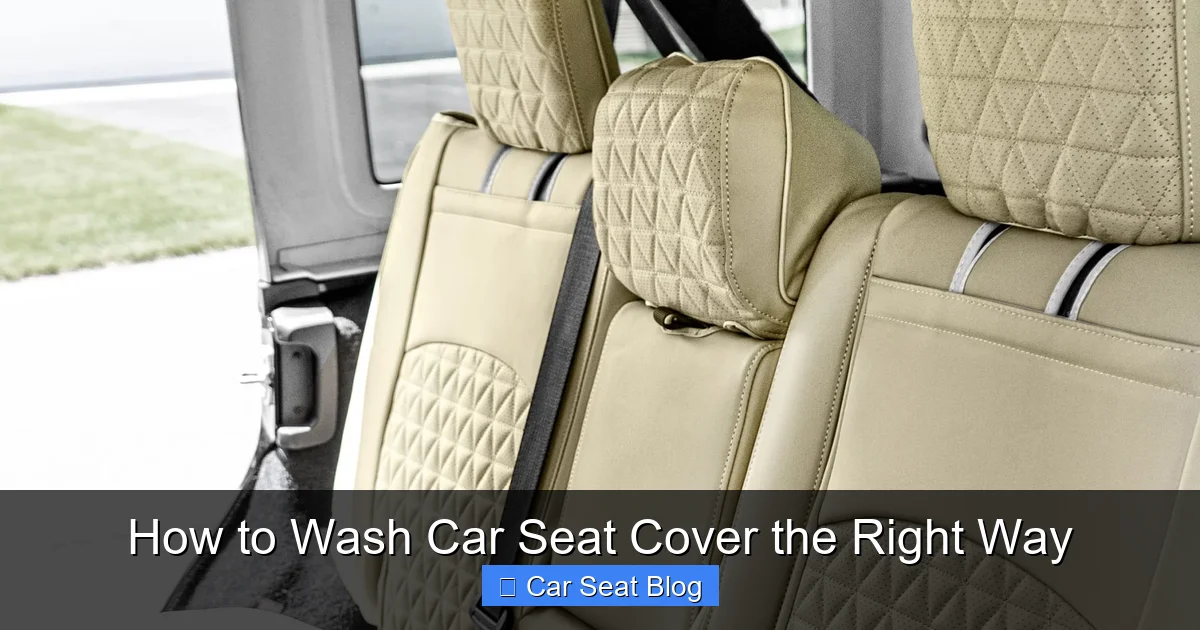
Visual guide about How to Wash Car Seat Cover the Right Way
Image source: seatcoversolutions.com
- Improved hygiene: Bacteria, allergens, and odors thrive in dirty fabric. Cleaning removes these hidden threats.
- Longer lifespan: Dirt and oils break down fibers over time. Regular washing prevents premature wear.
- Better appearance: Clean seats make your car look newer and more inviting.
- Resale value: A well-maintained interior can boost your car’s resale price.
Now, let’s get into the nitty-gritty of how to clean your seat covers safely and effectively.
Step 1: Check the Care Label
Before you do anything, locate and read the care label on your seat cover. This small tag holds crucial information about washing methods, temperature limits, and approved cleaning products.
Where to Find the Label
Most care labels are sewn into the seam of the seat cover, often near the back or bottom edge. If you can’t find it, check the manufacturer’s website or user manual.
What to Look For
- Washable vs. non-washable: Some covers are designed to be removed and machine-washed, while others must be spot-cleaned only.
- Water temperature: Hot water can shrink or damage certain fabrics. Cold or warm is usually safest.
- Dry cleaning only: Some premium leather or delicate fabrics require professional cleaning.
- Dryer use: Tumble drying may be allowed for some materials but not others.
Pro Tip: If there’s no label, assume the cover is spot-clean only unless you’re certain of the material.
Step 2: Remove the Seat Cover
Most seat covers are designed to be removable. Taking them off makes cleaning easier and more thorough.
How to Remove Fabric Covers
- Unbuckle any straps or clips securing the cover.
- Pull the cover up and over the seat headrest.
- Gently tug the cover away from the seat base, releasing elastic bands or hooks.
- Detach any side panels or armrest covers if present.
How to Remove Leather or Neoprene Covers
These materials are often more form-fitting. Work slowly to avoid stretching or tearing:
- Start at the top and work your way down.
- Use a soft cloth or plastic tool to loosen tight areas.
- Never force the cover—if it’s stuck, double-check for hidden clips.
Warning: Don’t remove seat covers from vehicles with side airbags unless instructed by the manufacturer. Improper removal can disable safety features.
Step 3: Choose the Right Cleaning Method
The cleaning method depends entirely on the material. Let’s break it down by type.
Fabric Seat Covers
Fabric is the most common and easiest to clean. Here’s how:
Machine Washing (If Allowed)
- Shake out loose dirt and vacuum the cover.
- Pre-treat stains with a mild detergent or stain remover.
- Place the cover in a mesh laundry bag to prevent tangling.
- Wash in cold water on a gentle cycle with mild detergent.
- Avoid fabric softener—it can leave residue and reduce absorbency.
Hand Washing (Safer Option)
- Fill a tub or large sink with cold water and a small amount of mild detergent.
- Submerge the cover and gently agitate for 5–10 minutes.
- Rinse thoroughly until all soap is gone.
- Squeeze out excess water—don’t wring, as this can damage fibers.
Leather Seat Covers
Leather requires gentle care to avoid cracking or fading.
Cleaning Steps
- Wipe the surface with a damp microfiber cloth to remove dust.
- Apply a small amount of leather cleaner to a soft cloth—never directly on the seat.
- Gently wipe in circular motions, focusing on stained areas.
- Use a second clean, damp cloth to remove any cleaner residue.
- Dry with a dry microfiber cloth.
Pro Tip: Never use water alone on leather—it can leave water spots or cause warping.
Neoprene Seat Covers
Common in performance or off-road vehicles, neoprene is water-resistant but still needs cleaning.
Cleaning Steps
- Rinse with water to remove loose dirt.
- Use a mild soap and soft brush to scrub gently.
- Rinse thoroughly.
- Hang to dry—avoid direct sunlight, which can degrade the material.
Note: Neoprene can trap odors. For stubborn smells, use a mix of water and white vinegar (1:1 ratio), then rinse well.
Step 4: Dry the Seat Cover Properly
Drying is just as important as washing. Improper drying can lead to mold, mildew, or material damage.
Air Drying (Recommended)
- Hang the cover on a clothesline or drying rack.
- Ensure good airflow—use a fan if needed.
- Avoid direct sunlight for prolonged periods, as it can fade colors.
- Flip the cover halfway through to dry both sides evenly.
Tumble Drying (Only If Label Allows)
- Use low heat or air-only setting.
- Remove promptly to prevent wrinkles or shrinkage.
- Check every 10–15 minutes to avoid overheating.
Never reinstall a damp cover. Even slight moisture can create a breeding ground for bacteria and odors.
Step 5: Reinstall the Seat Cover
Once the cover is completely dry, it’s time to put it back.
Tips for a Perfect Fit
- Start at the top and work your way down.
- Align seams and zippers carefully.
- Stretch elastic bands gently—don’t overextend.
- Secure all clips, straps, and hooks.
If the cover seems loose or wrinkled, it may need to be re-tensioned. Some covers have adjustable straps for a snug fit.
Troubleshooting Common Issues
Stains Won’t Come Out?
Try a targeted approach:
- Grease or oil: Sprinkle baking soda, let sit for 15 minutes, then vacuum and wash.
- Coffee or wine: Blot immediately, then treat with a mix of dish soap and hydrogen peroxide (test on a hidden area first).
- Pet urine: Use an enzymatic cleaner designed for pet stains.
Cover Shrank After Washing?
This usually happens with hot water or high heat drying. Unfortunately, shrinkage is often permanent. To prevent it, always use cold water and air dry.
Leather Looks Dry or Cracked?
Apply a leather conditioner after cleaning. This restores moisture and prevents future damage. Use once every 3–6 months.
Odors Persist After Washing?
Sprinkle baking soda on the cover, let it sit overnight, then vacuum. For leather, use a leather-safe deodorizer.
How Often Should You Wash Car Seat Covers?
Frequency depends on usage:
- Light use (commuting, occasional trips): Every 6 months.
- Heavy use (kids, pets, food/drinks): Every 1–3 months.
- Spills or accidents: Clean immediately to prevent staining.
Regular spot cleaning between deep washes helps maintain freshness.
Bonus: Preventative Care Tips
Keep your seat covers cleaner, longer, with these simple habits:
- Use seat protectors or towels when transporting pets or messy items.
- Keep a small vacuum in your car for quick cleanups.
- Apply a fabric or leather protectant spray after washing.
- Avoid eating in the car when possible.
- Rotate seat cushions if your cover allows it.
Conclusion
Washing your car seat cover doesn’t have to be a chore. By following these steps, you can keep your seats looking great, smelling fresh, and lasting longer. Remember: always check the care label, use the right cleaning method for your material, and dry thoroughly before reinstalling.
Whether you’re dealing with fabric, leather, or neoprene, a little care goes a long way. So grab your supplies, follow this guide, and give your car interior the refresh it deserves. Your passengers—and your nose—will thank you!

