Protecting your car seat cover doesn’t have to be complicated. With regular cleaning, the right products, and smart daily habits, you can keep your seats looking new for years. This guide covers everything from stain prevention to deep cleaning so your car stays fresh and stylish.
Key Takeaways
- Clean spills immediately: Quick action prevents stains from setting into fabric or leather.
- Use seat cover protectors: Waterproof or stain-resistant sprays create an invisible barrier against dirt and liquids.
- Vacuum weekly: Regular vacuuming removes crumbs, dust, and debris that cause wear over time.
- Avoid direct sunlight: UV rays fade colors and crack leather—use sunshades or park in the shade.
- Choose the right cleaner: Match your cleaning product to your seat material (fabric, leather, or synthetic).
- Rotate seat cushions: If possible, flip or rotate cushions to distribute wear evenly.
- Invest in quality covers: High-grade seat covers last longer and offer better protection than cheap alternatives.
How to Protect Car Seat Cover from Wear and Stains
Your car’s interior says a lot about you—and nothing ruins that impression faster than stained, worn-out seat covers. Whether you drive daily, carpool with kids, or take long road trips, your seats face constant exposure to dirt, spills, UV rays, and friction. The good news? Protecting your car seat cover from wear and stains is easier than you think.
In this guide, we’ll walk you through practical, step-by-step methods to keep your seats looking clean, fresh, and new—no matter how much you use your car. From daily habits to deep-cleaning routines and protective products, you’ll learn how to extend the life of your seat covers and maintain your car’s value and comfort.
Step 1: Know Your Seat Material
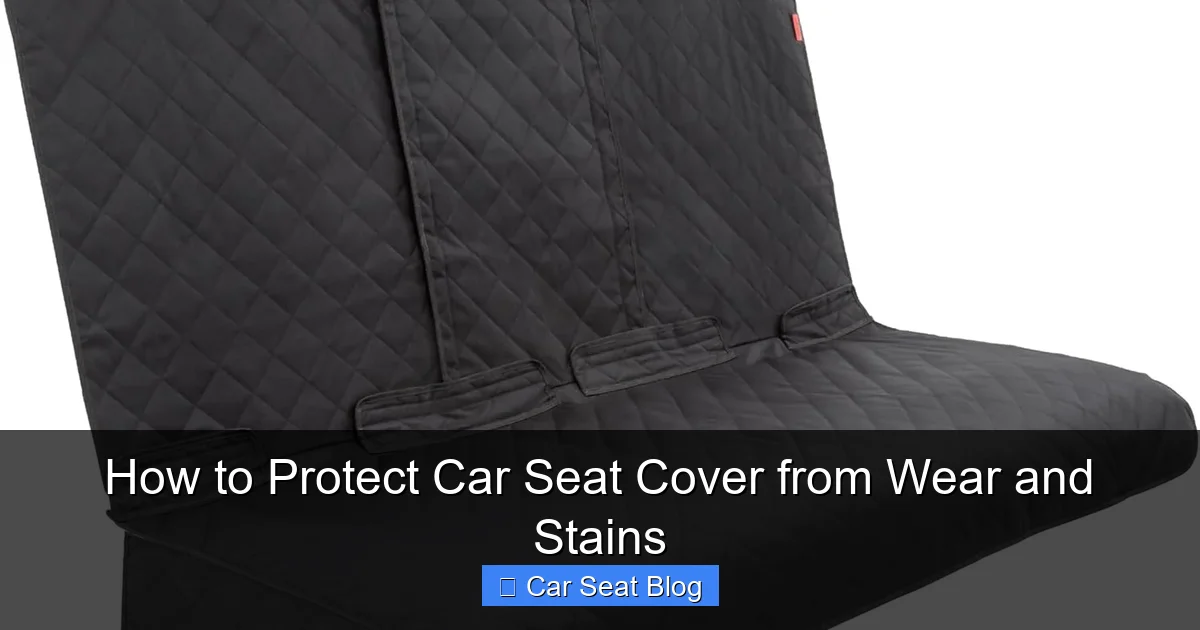
Visual guide about How to Protect Car Seat Cover from Wear and Stains
Image source: m.media-amazon.com
Before you start cleaning or protecting, it’s essential to identify what your seat covers are made of. Different materials require different care.
Fabric Seat Covers
Fabric is common in many vehicles and tends to absorb spills quickly. It’s prone to staining from coffee, soda, or food. However, it’s usually easier to clean than leather if treated promptly.
Leather Seat Covers
Leather looks luxurious but needs special care. It can crack, fade, or stain if not maintained. Avoid harsh chemicals and always use leather-specific cleaners and conditioners.
Synthetic or Vinyl Covers
These are durable and water-resistant, making them great for families or pet owners. They’re easy to wipe clean but can still suffer from UV damage and scuffing.
Mesh or Performance Fabrics
Found in sportier models, these materials are breathable but can trap sweat and odors. Regular cleaning is key to preventing buildup.
Tip: Check your car’s manual or look for labels under the seat cover to confirm the material. When in doubt, test a small, hidden area before applying any product.
Step 2: Clean Spills Immediately
The number one rule for protecting car seat covers? Act fast. The longer a spill sits, the more likely it is to stain or soak into the material.
Blot, Don’t Rub
Use a clean, absorbent cloth or paper towel to gently blot the spill. Rubbing can push the liquid deeper into the fabric or spread the stain.
Rinse with Water (If Safe)
For water-based spills like soda or juice, lightly dampen a cloth with cold water and blot again. Avoid soaking the seat—too much moisture can lead to mold or mildew.
Use a Mild Cleaner for Tough Spills
For sticky or greasy spills (like ice cream or salad dressing), mix a few drops of mild dish soap with water. Apply with a soft cloth, then blot with a clean, damp cloth to remove soap residue.
Example: If your child spills juice on the seat, grab a towel right away. Blot until no more liquid transfers, then wipe with a damp cloth. Let it air dry with the windows cracked.
Step 3: Vacuum Regularly
Dirt, crumbs, and pet hair don’t just look messy—they grind into seat fibers over time, causing wear and tear.
Weekly Vacuuming Routine
Use a handheld vacuum or your car’s vacuum attachment to clean seat surfaces, crevices, and under the seats. Focus on areas where debris collects, like between cushions and along seams.
Use the Right Attachments
A crevice tool gets into tight spaces, while a soft brush attachment gently lifts dust from fabric without damaging fibers.
Don’t Forget the Headrests and Backs
These areas often get overlooked but can accumulate sweat, hair, and dirt—especially if you frequently adjust the headrest.
Pro Tip: Vacuum before you spot-clean. Removing loose dirt first makes deep cleaning more effective.
Step 4: Apply a Seat Protectant
Just like you use sunscreen to protect your skin, your seat covers need a protective barrier.
Choose the Right Protectant
– Fabric protectors: Sprays like Scotchgard create a hydrophobic layer that repels liquids and stains.
– Leather protectors: Products with UV inhibitors and conditioners prevent cracking and fading.
– Universal protectors: Some sprays work on multiple materials—check the label.
How to Apply
1. Clean the seat thoroughly and let it dry completely.
2. Shake the spray can well.
3. Hold 6–8 inches away and spray evenly over the surface.
4. Let it dry for at least 30 minutes before using the seat.
Frequency: Reapply every 3–6 months, or after deep cleaning.
DIY Option
Mix 1 part white vinegar with 2 parts water in a spray bottle. Lightly mist fabric seats (test first!), then blot with a dry cloth. Vinegar helps repel odors and light stains—but don’t overuse it, as it can weaken fibers over time.
Step 5: Use Physical Barriers
Sometimes the best protection is a physical shield.
Seat Cover Protectors
Invest in high-quality, custom-fit seat covers made from waterproof or stain-resistant materials. Look for options with non-slip backing to prevent shifting.
Seat Protectors for Kids and Pets
If you transport children or animals, use seat protectors designed to catch crumbs, slobber, and accidents. Many are machine-washable for easy cleanup.
Sunshades and Window Tints
UV rays are a silent killer of seat covers. Use a windshield sunshade when parked, and consider applying UV-blocking window film. This reduces heat buildup and prevents fading and cracking—especially important for leather.
Floor Mats and Cargo Liners
Dirt and moisture often start on the floor. All-weather floor mats trap grime before it reaches your seats.
Step 6: Practice Smart Daily Habits
Small changes in behavior can make a big difference.
Remove Shoes Before Entering
Encourage passengers to take off muddy or dirty shoes, especially in bad weather. A simple shoe tray in the car can help.
Keep Cleaning Supplies Handy
Store a small kit in your glove compartment: microfiber cloths, travel-sized cleaner, and a spray bottle of water. You’ll be ready for spills the moment they happen.
Avoid Eating in the Car
It’s tempting, but crumbs and spills are the top cause of seat stains. If you must eat, use a lap tray and choose non-messy snacks.
Rotate Seat Cushions
If your seat covers are removable, flip or rotate them every few months. This evens out wear and extends their lifespan.
Step 7: Deep Clean Every 3–6 Months
Even with regular maintenance, seats need a deeper clean to remove embedded dirt and odors.
Fabric Seats
Use a fabric cleaner and a soft-bristle brush. Work in small sections, scrubbing gently in circular motions. Rinse with a damp cloth and let air dry. For tough odors, sprinkle baking soda, let sit for 15 minutes, then vacuum.
Leather Seats
Clean with a leather cleaner, then apply a conditioner to restore moisture. Avoid ammonia or alcohol-based products—they dry out leather.
Steam Cleaning (Optional)
A handheld steam cleaner can sanitize and refresh seats without chemicals. It’s great for killing bacteria and loosening dirt, but don’t over-wet the material.
Warning: Never soak seats or use excessive water. Moisture trapped underneath can lead to mold or damage the seat padding.
Troubleshooting Common Issues
Stubborn Stains
For old or set-in stains, try a paste of baking soda and water. Apply, let sit for 10–15 minutes, then gently scrub and wipe clean. For grease, use a small amount of rubbing alcohol on a cloth (test first!).
Fading or Discoloration
This is usually caused by sun exposure. Use UV protectants and park in shaded areas. For minor fading, leather dyes or fabric markers can help—but consult a professional for best results.
Cracking Leather
Cracks mean the leather is dry. Apply a leather conditioner regularly. If damage is severe, consider professional restoration or replacement.
Odors
Sprinkle baking soda on the seat, let it sit overnight, then vacuum. For persistent smells, use an odor-neutralizing spray designed for cars.
Conclusion
Protecting your car seat cover from wear and stains isn’t about perfection—it’s about consistency. By knowing your seat material, cleaning spills quickly, using protectants, and adopting smart habits, you can keep your car’s interior looking fresh and stylish for years.
Remember, a little effort goes a long way. Whether you drive a compact sedan or a family SUV, these tips will help preserve your seats, boost your car’s resale value, and make every ride more comfortable.
Start today: grab a vacuum, pick up a protectant spray, and give your seats the care they deserve. Your future self (and your passengers) will thank you.

