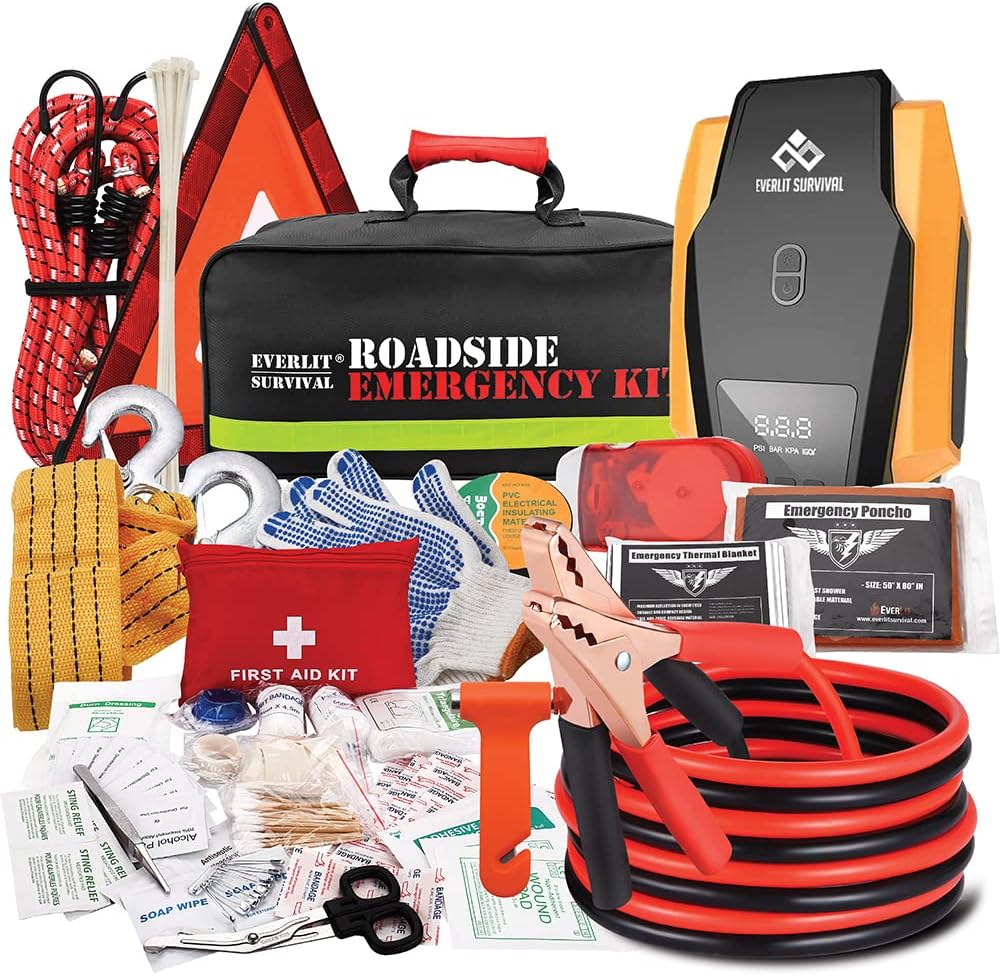
Quick Summary: A deep cycle battery is built to deliver steady power for hours and recharge many times. It’s ideal for RVs, boats, off-grid setups, and car accessories. Learn how it works, how to test it with a multimeter, the right way to charge it, common problems and fixes, and when to replace it—using simple, step-by-step tips you can do at home.
If your lights dim, your fridge stops in the RV, or your car stereo drains the battery, you may need a deep cycle battery. Unlike a starter battery, it gives steady power over time and bounces back after many recharges. In this guide, I’ll explain what a deep cycle battery is and how to choose, test, charge, and maintain one. You’ll learn clear steps, safety tips, and fixes you can try today.

What Is a Deep Cycle Battery?
A deep cycle battery is a rechargeable battery designed to provide steady, low-to-moderate power over many hours and survive hundreds to thousands of discharge and recharge cycles. It powers things like RV fridges, trolling motors, car audio systems, inverters, lights, and camping gear—anywhere you need dependable energy over time instead of a short burst to start an engine.

Most deep cycle batteries use thicker plates and denser materials. That design resists damage from deeper discharges. You can safely use 50% or more of their capacity on a regular basis. With the right charger and care, they last much longer than a standard starting battery used in the same role.
How a Deep Cycle Battery Works
Inside, chemical reactions store and release energy. When in use, the battery converts chemical energy into electricity. When charging, the process reverses to refill the battery. Thicker lead plates (or lithium cells in newer types) handle deep discharges with less wear, so the battery keeps its capacity over many cycles.
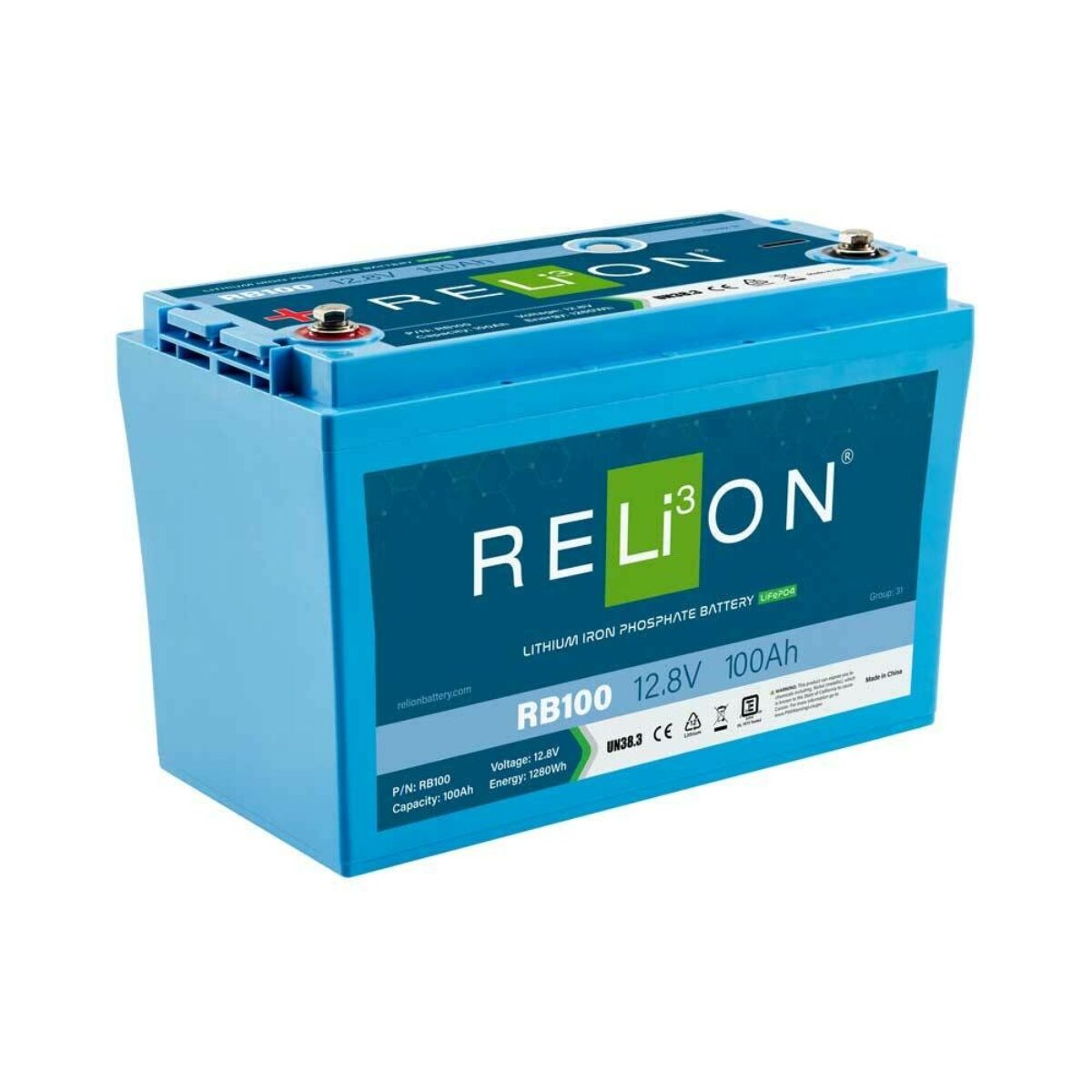
Lead-acid deep cycle batteries (flooded, AGM, gel) are the most common. Lithium iron phosphate (LiFePO4) deep cycle batteries are rising fast due to lighter weight, fast charging, and long life. Either way, the goal is the same: steady, reliable power without killing the battery.
Deep Cycle vs. Starting Battery
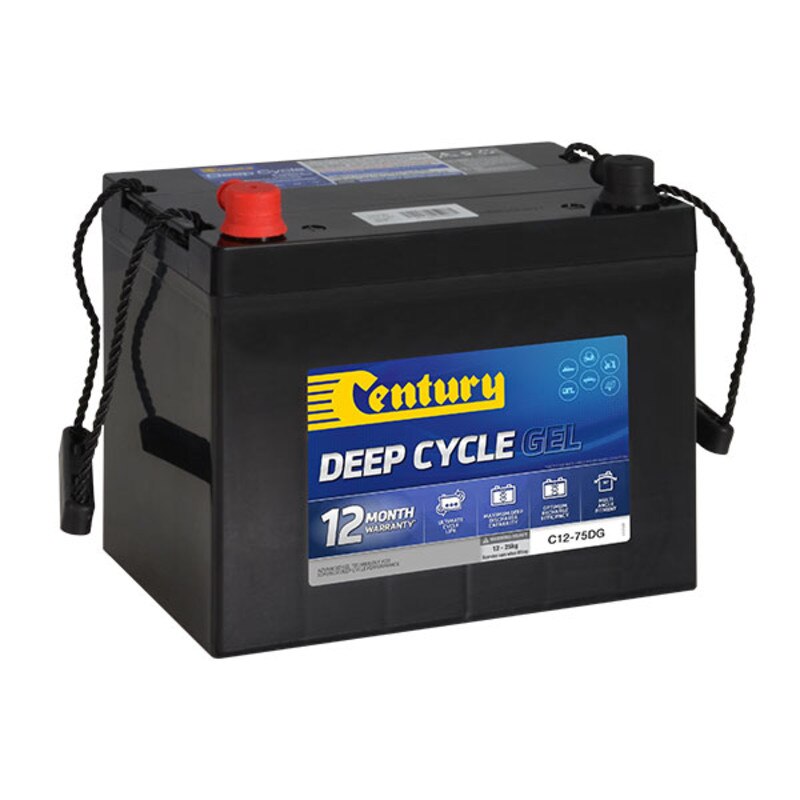
A starting (cranking) battery gives a big burst of current for a few seconds to start an engine. A deep cycle battery delivers a lower, steady flow for much longer. Using a starter battery to run accessories can shorten its life fast. Using a deep cycle battery for starting an engine can also strain it unless it’s a dual-purpose design.
| Feature | Deep Cycle Battery | Starting Battery | Best Use |
|---|---|---|---|
| Primary Goal | Long, steady power over hours | Short, high-current burst | House loads vs. engine start |
| Plate Design | Thicker plates, more robust | Thinner plates, more surface area | Durability vs. burst power |
| Depth of Discharge | Regular 50% is OK (even 80% for lithium) | Best kept above 80–90% SOC | Daily cycling vs. rare deep drains |
| Common Ratings | Amp-hours (Ah), Reserve Capacity (RC) | Cold Cranking Amps (CCA) | Energy capacity vs. starting power |
| Examples | RV house battery, trolling motor, inverter | Car starter battery | Appliance loads vs. starting engines |
Common Uses of Deep Cycle Batteries in Cars and Beyond
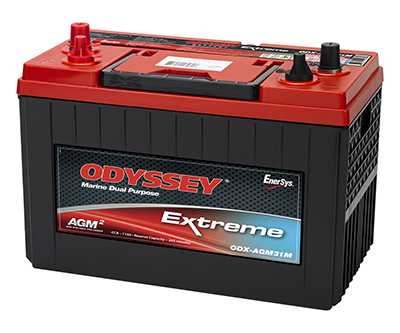
Deep cycle batteries live wherever you need steady power over time. In cars and trucks, they run winches, fridges, inverters, work lights, and powerful audio systems. In RVs, they’re the “house” batteries for lights, water pumps, and fans. On boats, they run trolling motors and fish finders. Off-grid setups use them for solar storage.
- Car and truck accessories: fridges, inverters, lights, stereos
- RVs and campers: lights, water pumps, fans, slide-outs
- Marine: trolling motors, electronics, bilge pumps
- Off-grid and solar: home backup, cabins, van life
- Tools and work sites: inverters for saws, chargers, and lights
If you camp with your vehicle or love weekend fishing trips, a deep cycle setup prevents a dead starter battery. Run your gear from the deep cycle, keep the starter battery safe, and enjoy reliable power without stress.
Pros and Cons of Deep Cycle Batteries
Every battery is a trade-off. Deep cycle batteries shine in steady power and durability, but you’ll want to know the limits to pick the right type for your budget, climate, and gear.
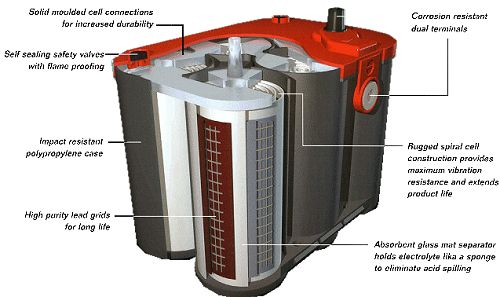
Pros
These are the top reasons drivers and RV owners choose deep cycle batteries.
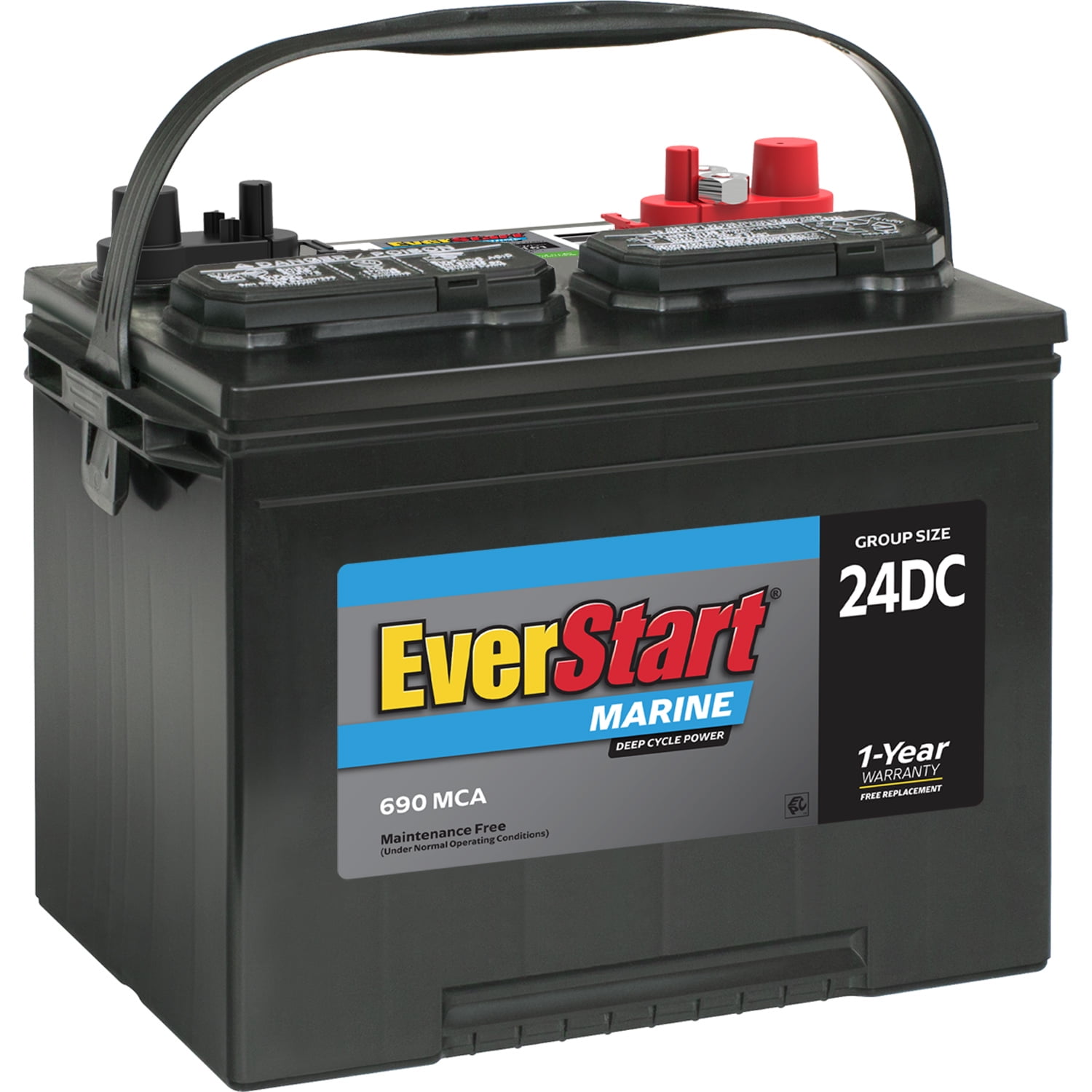
- Handles deep discharges better than starter batteries
- Designed for steady power over hours
- Longer cycle life with proper charging
- Works well with solar and inverters
- Available in many sizes and types
Cons
Make sure you plan for weight, charging needs, and budget before you buy.
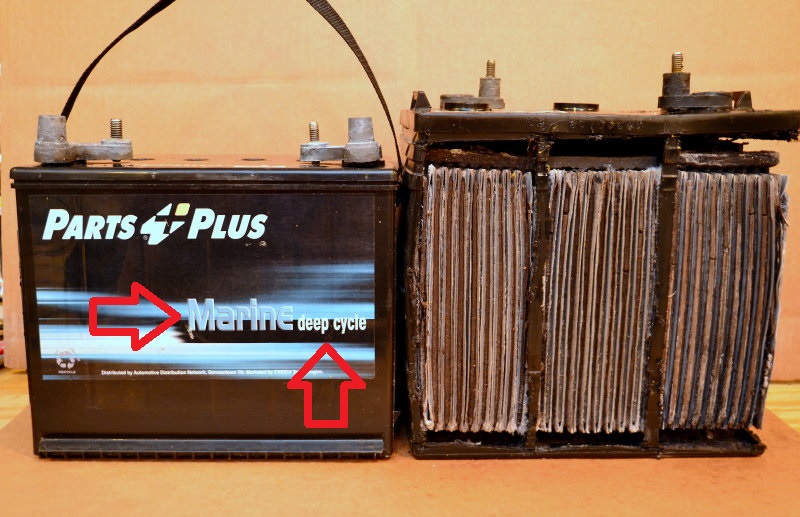
- Heavier than starter batteries (lead-acid types)
- Cost more upfront, especially lithium
- Needs the right charger profile to last
- Some types need ventilation (flooded lead-acid)
- Cold weather can reduce power and life
Deep Cycle Battery Types Explained
Not all deep cycle batteries are the same. The right choice depends on how you use it, how often you charge it, and your budget. Here’s a quick breakdown in plain language.
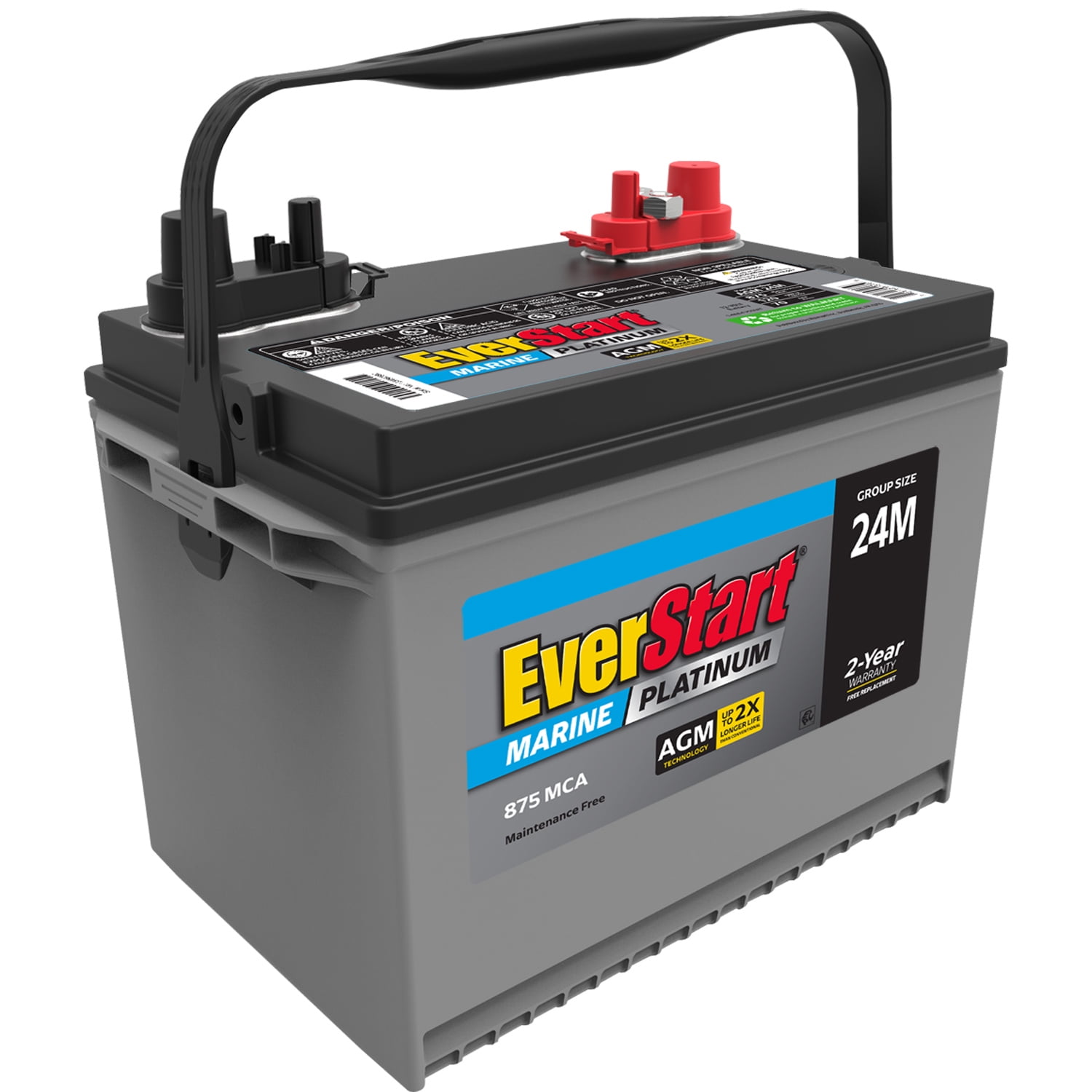
Flooded Lead-Acid (FLA)
This is the classic “wet cell” battery. It is affordable and proven. You must keep it upright, check water levels, and allow ventilation. Great for budget builds where maintenance is okay.
- Pros: Lowest cost, easy to find, good cycle life for the price
- Cons: Needs watering, can vent gas, heavier
- Best for: Boats (with care), RVs, off-grid on a budget
AGM (Absorbent Glass Mat)
AGM is sealed and maintenance-free. It resists vibration, handles higher charge rates, and works better in cold weather than flooded. It still weighs a lot, like other lead-acid types.
- Pros: No watering, low self-discharge, durable
- Cons: Costs more than flooded, can be ruined by overcharging
- Best for: Overlanding, audio builds, RVs, marine, cold climates
Gel
Gel batteries are sealed and steady but need strict charging voltages. They dislike high charge rates and can be damaged if charged too fast or too hot. They shine in slow, steady use.
- Pros: Very low self-discharge, handles deep cycles well
- Cons: Slow charging only, sensitive to improper chargers
- Best for: Steady loads, warm climates, controlled charge setups
Lithium Iron Phosphate (LiFePO4)
Lithium is lighter and lasts a long time. It likes deep discharges and fast charging. It needs a Battery Management System (BMS) and the right charger. Cost is higher, but long life can pay off.
- Pros: Very light, high usable capacity, fast charge, thousands of cycles
- Cons: Higher cost, needs proper BMS and charger, cold charging limits
- Best for: RVs, van life, overlanding, high-demand inverters
Choose the Right Deep Cycle Battery for Your Car or RV
Start with how much power you need, how long you need it, and how often you’ll cycle the battery. Then match the type and size to your budget and space. It’s that simple.
- Capacity (Ah): Add up your device draw (amps) and time (hours). Aim for 50–70% depth of discharge for lead-acid; 80–90% for lithium.
- Voltage: Most car and RV setups use 12V. Large systems may use 24V or 48V inverters.
- Size/Group: Check battery tray space and mounting. Common groups: 24, 27, 31.
- Reserve Capacity (RC): Minutes a battery can deliver 25A at 80°F before dropping below 10.5V.
- CCA/MCA (if dual-purpose): Needed if your deep cycle will also start the engine.
- Charger Compatibility: Match your charger profile (flooded, AGM, gel, lithium).
- Climate: AGM handles cold better than flooded. Lithium needs warm charging.
- Budget vs. Life: AGM and lithium cost more but often last longer per cycle.
Safety First: Handling and Charging Tips
Batteries store lots of energy. Treat them with respect. A few simple habits keep you and your gear safe and help your battery last longer.
- Wear safety glasses and gloves when working on flooded batteries.
- Ventilate the area. Avoid sparks near charging batteries.
- Disconnect negative (–) first. Reconnect negative last.
- Use the right charger profile. Overcharging can ruin a battery.
- Secure the battery. Vibration kills batteries faster than you think.
- Mind polarity. Red to +, black to –. Double-check before connecting.
- Clean terminals with a baking soda solution if corroded (disconnect first).
As explained by AAA, a proper charging routine and regular checks can prevent many battery failures before they leave you stranded. Good habits beat breakdowns.
Step-by-Step: Test a Deep Cycle Battery at Home
Testing at home is fast and easy. You need a digital multimeter. A smart charger and a load tester help, but you can start with just the meter. Follow these steps to know your battery’s health today.
Tools You’ll Need
Keep these handy in your garage. They make battery checks simple and safe.
- Digital multimeter (DC volts)
- Smart charger with correct profile
- Load tester or inverter load (optional)
- Hydrometer for flooded batteries (optional)
- Safety glasses and gloves (for flooded)
Open-Circuit Voltage Test (5 Minutes)
This quick test gives a snapshot of state of charge. It is simple and useful. Do it before and after charging.
- Let the battery rest with no load or charge for 4+ hours (overnight is best).
- Set the multimeter to DC volts. Place red probe on +, black probe on –.
- Read the voltage. Compare it to the chart below.
| 12V Deep Cycle Battery Voltage | State of Charge (SOC) | What to Do |
|---|---|---|
| 12.7–12.9V | 100% | Ready to use |
| 12.5–12.6V | 85–90% | OK for light loads |
| 12.3–12.4V | 70–75% | Charge soon |
| 12.1–12.2V | 50–60% | Charge now (don’t let lead-acid sit here) |
| 11.9–12.0V | 40–45% | Urgent charge required |
| 11.8V or less | Deeply discharged | Recharge carefully; check health after |
Simple Load Test (10–15 Minutes)
If you do not have a load tester, turn on a known load like an inverter and lights. Watch how voltage drops. A big sag means high internal resistance and a weak battery.
- Rest the battery to open-circuit voltage first.
- Turn on a steady load (5–20A). Note the voltage after 1 minute.
- If it drops below 11.8–12.0V fast, the battery may be weak.
- Recharge and test again to confirm.
Hydrometer Check (Flooded Only)
For flooded batteries, a hydrometer checks each cell’s specific gravity. This shows state of charge and points to a bad cell if one is off from the rest.
- Wear gloves and eye protection.
- Open vents. Draw electrolyte into the hydrometer.
- Read and record each cell. Large differences suggest a failing cell.
Based on this battery guide by Consumer Reports, simple at-home tests catch weak batteries early and save money. Check often if you cycle daily or live in extreme climates.
Charging: The Right Way to Charge a Deep Cycle Battery
The right charger makes the biggest difference in battery life. Use a smart charger with the correct profile for your battery type. Charge fully after each use and avoid long periods in a low state of charge.
Lead-Acid Charging Stages
Most smart chargers follow three main stages. Each one protects the battery while filling it up safely.
- Bulk: Charger pushes high current until battery reaches set voltage.
- Absorption: Voltage holds steady while current tapers off.
- Float: Low voltage maintains 100% without overcharging.
- Typical absorption voltage (12V): AGM 14.4–14.7V, Flooded 14.6–14.8V, Gel 14.1–14.3V
- Float voltage (12V): 13.2–13.6V, depending on type
Lithium (LiFePO4) Charging
Lithium wants a constant current/constant voltage profile and a BMS. It charges fast and can use most of its capacity. Avoid charging below freezing unless your BMS or heater allows it.
- Typical charge voltage (12V LiFePO4 pack): about 14.2–14.6V
- No float needed; some prefer a gentle standby voltage
- Follow the battery maker’s exact specs
Charging Do’s and Don’ts
These simple rules protect your investment. They also prevent fires and gas buildup.
- Do match the charger profile to the battery type.
- Do let the battery reach full charge after use.
- Do keep batteries above 50% SOC (lead-acid) during storage.
- Don’t overcharge. Heat and gassing shorten life.
- Don’t charge lithium below 32°F (0°C) unless allowed by the BMS.
- Don’t mix old and new batteries in a bank.
Troubleshooting: Symptoms, Causes, and Fixes
If your fridge shuts off early or your lights dim, don’t panic. Most deep cycle battery problems are easy to find and fix. Start with voltage, connections, and charger settings.
| Symptom | Likely Cause | Quick Fix |
|---|---|---|
| Battery dies overnight | Parasitic draw or undersized battery | Measure load; add cutoff switch; increase capacity |
| Slow charging | Wrong charger profile or weak charger | Use proper smart charger; check wires and fuses |
| Lights flicker under load | Loose or corroded terminals | Clean and tighten; use anti-corrosion spray |
| Swollen case (lead-acid or lithium) | Overcharging or heat | Stop charging; inspect; replace if damaged |
| Short runtime | Aging battery or partial charging habit | Full charge cycle; capacity test; replace if needed |
| Charger won’t start | Voltage too low for detection | “Wake up” with a manual charger or parallel battery |
Cold Weather and Hot Weather: How Temperature Affects Deep Cycle Batteries
Weather changes battery behavior fast. Cold slows chemical reactions. Hot speeds them up and can cause damage. Plan ahead for temperature swings.
- Cold: Less power available; higher internal resistance; charge slower.
- Hot: Faster charging but more risk of overcharge and gassing; accelerates aging.
- AGM handles cold better than flooded; lithium needs warm charging.
Tip: In winter, keep batteries topped up and insulated from wind. In summer, add ventilation, avoid direct engine bay heat if possible, and never block vents on flooded batteries.
Maintenance Checklist: Weekly, Monthly, Seasonal
A little routine care goes a long way. Follow this checklist and your deep cycle battery will serve you for years with fewer surprises.
Weekly (or Before Trips)
Fast checks catch small issues early. Do these before big drives or camping weekends.
- Check resting voltage if the system seems weak.
- Inspect terminals for looseness or corrosion.
- Verify loads shut off when not in use.
Monthly
These are deeper checks. They keep your system safe and efficient.
- Top up charge to 100%; confirm float stage works.
- Clean terminals and check cable strain relief.
- Flooded only: Check and add distilled water if needed.
Seasonal
Change of seasons stresses batteries. Prep for weather and storage time.
- Run a full capacity test if performance dropped.
- Inspect for case swelling, leaks, or cracks.
- Storage: Charge fully; disconnect loads; maintain float or periodic top-offs.
Real-World Scenarios and Quick Fixes
Here are common problems I see as a tech and what I tell drivers to do. These tips work fast and prevent repeat issues.
Car Won’t Start After Camping
You ran lights and an inverter all night from a single battery. It is dead now. Here’s how to get going and avoid this next time.
- Jump-start with cables or a jump pack.
- Drive 30–60 minutes, then do a full charge at home.
- Add a dedicated deep cycle battery and an isolator or DC-DC charger.
Boat Trolling Motor Slows Fast
Your trolling motor drains the battery in an hour. You may be under-batteried or the battery is aging. Fix it before your next trip.
- Test capacity; check cable size to reduce voltage drop.
- Choose a bigger Ah rating or add a second battery in parallel (lead-acid) or series as designed.
- Use a charger with the right profile and enough amps.
RV Fridge Cuts Out Overnight
This points to low voltage or undersized capacity. Could be poor wiring too. Work through it in order.
- Measure voltage at the battery and at the fridge under load.
- Upgrade cables; reduce long runs; improve connections.
- Add capacity or move to lithium for higher usable energy.
When to Replace a Deep Cycle Battery
All batteries wear out. Watch for short runtime, swollen cases, and cells that do not hold charge. A capacity test confirms it. If you get less than 50–70% of rated Ah, plan a replacement.
- Age: 3–6 years for lead-acid with good care; 8–12+ for lithium
- Visible damage: Cracks, bulges, leaks
- Performance: Rapid voltage sag under small loads
- Charging: Won’t reach full or drops quickly after charging
Installation: How to Replace Safely
Swapping a battery is simple. Do it methodically and you’ll avoid shorts, sparks, and headaches. Take your time and follow these steps.
- Note your radio codes and settings if needed.
- Turn off the vehicle and loads. Remove the key.
- Disconnect negative (–) cable first, then positive (+).
- Remove the hold-down and lift the battery carefully.
- Clean the tray and terminals. Dry it.
- Place the new battery. Secure the hold-down firmly.
- Connect positive (+) first, then negative (–).
- Coat terminals lightly with anti-corrosion spray.
- Program your charger for the new battery type.
Cost Breakdown and Budget Tips
Price varies by type, size, and brand. Plan the whole system: battery, charger, cables, and mounts. A better charger often pays for itself in longer life.
- Flooded: $100–$250 per 12V unit
- AGM: $200–$400 per 12V unit
- Gel: $250–$450 per 12V unit
- LiFePO4: $300–$900+ per 12V unit (depending on Ah and BMS)
- Buy once, cry once: Don’t skimp on the charger.
- Size for 20–30% more capacity than your typical use.
- Consider weight: Lithium saves fuel and payload in RVs and boats.
- Check warranties and cycle life claims.
According to guidance from the U.S. Department of Energy, proper charging and storage practices can extend battery life and cut long-term cost. Good system design saves money down the road.
Voltage, State-of-Charge, and What It Means Day to Day
Voltage is your quick health check. Keep a simple log in your phone: date, resting voltage, runtime notes. Patterns reveal issues early and help you plan upgrades.
| Situation | Expected Voltage | Action |
|---|---|---|
| Right after charging (lead-acid) | 13.0–13.2V (surface charge) | Let it rest 2–4 hours before testing SOC |
| Rested, full | 12.7–12.9V | Good to go |
| Under a moderate load | 12.0–12.5V (varies by load) | Normal; watch for sudden sags |
| Storage (float) | 13.2–13.6V (lead-acid) | Safe long-term maintenance |
Build a Dual-Battery Setup for Your Vehicle
A dual-battery system keeps your starter safe and runs gear from a deep cycle battery. It’s a smart upgrade for overlanding, tailgating, and work trucks.
Key Parts
You only need a few pieces to do it right. Pick quality parts for safety and reliability.
- Starter battery (existing) and deep cycle battery (new)
- Battery isolator or DC-DC charger
- Proper gauge cables and fuses/breakers
- Secure tray and tie-downs
Basic Steps
Plan the layout. Keep cables short and protected. Fuse both ends near the batteries.
- Mount the deep cycle battery in a ventilated, secure spot.
- Install the isolator or DC-DC charger near the starter battery.
- Run fused cables between batteries and the isolator/DC-DC unit.
- Connect your loads to the deep cycle battery side.
- Label everything for future service.
Protect Against Parasitic Drains
Small devices can drain batteries over time. Track them down and manage them smartly so your battery is ready when you are.
- Use a clamp meter to measure current draw at rest.
- Add a master cutoff switch for long storage.
- Install low-voltage disconnects to protect the battery.
- Use LED lights and efficient appliances to save power.
Deep Cycle Battery Myths and Truths
There’s a lot of confusion out there. Let’s clear up the most common myths in simple terms.
- Myth: “You must always drain it to zero.” Truth: Deep discharges shorten lead-acid life. Keep SOC above 50% for lead-acid.
- Myth: “Any charger works.” Truth: Wrong profiles kill batteries. Match the charger to battery type.
- Myth: “AGM and Gel are the same.” Truth: Different charge voltages; gel is more sensitive.
- Myth: “Lithium is unsafe.” Truth: Quality LiFePO4 with a BMS is very stable when used correctly.
Plan Your System: Simple Sizing Example
Use this quick method to size a battery for a one-night camp. It’s not perfect, but it gets you very close fast.
- List loads: fridge 5A x 8h = 40Ah, lights 2A x 4h = 8Ah, phone 1A x 2h = 2Ah. Total ≈ 50Ah.
- Lead-acid at 50% DoD: Need ≈ 100Ah battery. Lithium at 80% DoD: Need ≈ 60–70Ah battery.
- Add 20% buffer for cold or inefficiency.
Result: One 100Ah AGM or two 50Ah AGM in parallel work well. Or a 60–100Ah LiFePO4 for lighter weight and longer life.
Wiring and Voltage Drop Basics
Undersized wire wastes power and hurts performance. Keep cables short and thick. Protect all runs with fuses near power sources.
- Use a voltage drop calculator for long runs.
- As a rule, aim for less than 3% drop on critical loads.
- Use marine-grade cable where moisture or movement is common.
Advanced Tip: Battery Monitors and Shunts
A battery monitor with a shunt shows real-time amps, volts, and state of charge. It takes out the guesswork and protects your battery from deep drains.
- Set your battery capacity in the monitor for accurate SOC.
- Watch amp draw to learn what each device uses.
- Use alarm settings to avoid over-discharge.
Emergency Tips: Dead Battery on the Road
When your battery dies away from home, keep it simple and safe. Get moving, then fix the root cause later.
- Use a jump pack. It’s faster and safer than relying on a stranger.
- Check belts and alternator if the issue repeats.
- Charge fully at home and test with a multimeter.
As explained by AAA, regular battery testing and carrying a jump starter can prevent towing and delays. A little prep goes a long way.
Deep Cycle Battery Care for Storage
Storing your battery right prevents damage. Come spring, it will be ready to work instead of ready for the trash.
- Charge fully. For lead-acid, maintain at float or top off monthly.
- Disconnect loads. Use a master switch or remove the negative cable.
- Store in a cool, dry place. Avoid extreme heat or freezing.
- For lithium, store around 50–70% SOC if not on a maintainer.
Frequently Asked Questions
What is a deep cycle battery used for?
It powers devices for long periods, like RV lights, fridges, inverters, trolling motors, and car accessories. It’s not mainly for starting an engine, though some “dual-purpose” types can handle both.
Can I use a deep cycle battery to start my car?
Only if it’s a dual-purpose model with enough CCA. Pure deep cycle batteries are built for steady power, not engine cranking bursts.
How long do deep cycle batteries last?
Lead-acid: about 3–6 years with proper care. Lithium (LiFePO4): often 8–12+ years. Life depends on depth of discharge, temperature, and charging habits.
What voltage is a deep cycle battery considered full?
For a 12V lead-acid deep cycle battery at rest, 12.7–12.9V is full. Lithium packs may rest near 13.2V depending on the BMS and cells.
How often should I charge my deep cycle battery?
After each use. Don’t leave lead-acid batteries in a low state of charge. Keep them topped up or on a float charger during storage.
Is AGM better than flooded?
AGM is maintenance-free, resists vibration, and charges faster. It costs more. If you want low maintenance and durability, AGM is a strong choice. Flooded is cheaper but needs watering and ventilation.
Is lithium worth it?
If you want light weight, fast charging, and long life, yes. Upfront price is higher, but it often pays off for heavy users. Make sure your charger and BMS are correct for lithium.
Conclusion
A deep cycle battery gives you steady, reliable power for hours, then bounces back after many recharges. It’s perfect for RVs, boats, off-grid gear, and car accessories. Choose the right type for your needs, test voltage often, and charge with the proper profile. Keep cables tight, protect against drains, and store it right.
Start today: check your resting voltage, clean your terminals, and confirm your charger profile. Those small steps boost performance and extend life. With the right setup and simple habits, your deep cycle battery will be a dependable power source wherever the road takes you.