Quick Summary: AH (ampere-hour) is a battery’s capacity. It tells you how long a battery can supply current. Higher AH = longer runtime, not stronger starting power. Match AH to your car, climate, and driving. Test voltage at rest (12.6V+ is healthy). Replace weak, old batteries to avoid no-start issues.
If your car hesitates to start or dies after sitting, your battery may be tired. You might ask, “What is AH rating in battery?” Good question. AH is simple once you see it in action. It helps you pick the right battery, plan upgrades, and avoid dead-battery stress. In this guide, I’ll explain AH in plain English, show you how to test and choose a battery, and help you fix common problems fast.
What is AH rating in a battery?
AH stands for ampere-hour. It measures how much “fuel” a battery can store. Think of it like the size of your gas tank, but for electricity. A 60Ah battery can deliver 60 amps for one hour, or 6 amps for 10 hours, under ideal lab conditions. Real life varies with temperature, age, and how fast you draw power.
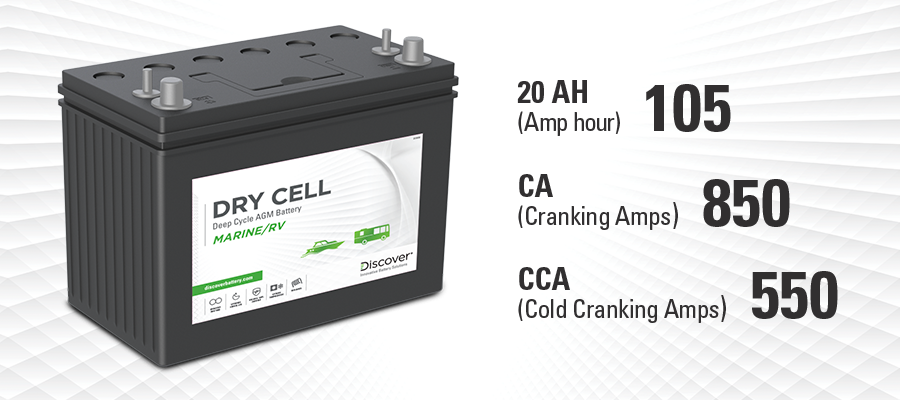
- Higher AH = more capacity = longer runtime for electronics.
- It does not tell you cranking strength for starting. That’s CCA.
- Car makers size AH for your vehicle’s needs and alternator output.
- Most modern gas cars use 45Ah–80Ah. Trucks and diesels use more.
Plain-English definition
AH rating tells you how long the battery can run stuff before it drains. If your lights pull 5 amps and your battery is 60Ah, you could expect about 12 hours of light in perfect conditions. Real conditions cut that time. Cold weather and old age reduce capacity fast.
Where you’ll see AH on the label
On many batteries, AH is printed as “Capacity: 60Ah,” sometimes at a 20-hour rate (C20). European style labels show 12V 60Ah 540A(EN). Some North American batteries list Reserve Capacity (RC) instead. You can still estimate AH from RC (roughly AH ≈ RC × 0.6).

Why AH rating matters for your car
AH affects how your car behaves when the engine is off. It supports alarms, ECUs, and memory. It keeps lights and accessories alive at tailgates and campsites. In winter, more AH helps your battery hold charge and resist voltage dips. If you use dash cams or park long, capacity matters a lot.

- Short trips: You may never recharge fully. Higher AH gives a buffer.
- Cold snaps: Capacity drops in the cold. Extra AH helps.
- Accessories: Winches, fridges, lights, and audio systems love capacity.
- Stop-start systems: Many use AGM batteries with specific AH needs.
AH vs CCA vs RC vs Wh: What’s the difference?
Battery labels can confuse anyone. Here’s a simple breakdown. AH is capacity. CCA (Cold Cranking Amps) is starting power in cold weather. RC (Reserve Capacity) is minutes at a small load until voltage drops low. Wh (watt-hours) combines voltage and AH for total energy.

| Measure | Unit | What it means | Best use | Quick tip |
|---|---|---|---|---|
| AH (Ampere-Hour) | Ah | Capacity. How long a battery can deliver current. The core of “What is AH rating in battery?” | Runtime for lights, accessories, parked draws | Higher AH = longer runtime, not stronger starts |
| CCA (Cold Cranking Amps) | A | Starting strength at 0°F for 30 seconds while holding 7.2V | Engine cranking in winter | Match or exceed factory CCA |
| RC (Reserve Capacity) | Minutes | How many minutes the battery delivers 25A at 80°F to 10.5V | Backup time if alternator fails | AH ≈ RC × 0.6 (rough estimate) |
| Watt-hours (Energy) | Wh | Total energy stored: Voltage × Ah | Apples-to-apples energy compare | 12V, 60Ah ≈ 720Wh (ideal) |
Bottom line difference
Choose CCA to crank the engine. Choose AH for runtime with engine off. Choose RC to know how long you can limp by if the alternator dies. Watt-hours help compare different voltages (12V vs 24V vs 48V).

How to find your car’s battery AH rating
You can spot AH on the battery itself, in the owner’s manual, or on the spec sheet online. If your battery only shows RC, convert it to AH with a simple estimate. If your car uses AGM or EFB for stop-start, check the exact spec and coding needs.

- Open the hood and find the label on top or side. Look for “Ah” or “Capacity.”
- If you see “RC,” estimate AH as RC × 0.6. Example: RC 100 ≈ 60Ah.
- Check your owner’s manual for the recommended capacity range.
- Search the group size (like 47/H5, 48/H6, 94R/H7) and brand site for AH.
- On luxury or stop-start cars, look for the battery registration process.
Common AH by vehicle type (typical ranges)
Small sedans: 45–60Ah. Midsize SUVs: 60–80Ah. Trucks and diesels: 80–110Ah+. Always confirm your group size and spec.
How to choose the right AH rating for your vehicle
Start with your owner’s manual. Then consider your climate, driving pattern, and accessories. The safest move is to match or slightly increase AH if the battery physically fits and your charging system supports it.
- Match factory spec if you drive daily in mild weather.
- Go slightly higher AH if you make short trips or park long.
- Pick AGM if you have stop-start or many accessories.
- For audio builds or camping, consider dual batteries or a deep-cycle setup.
When higher AH helps
If you often sit with the engine off and lights on, you want more AH. If you camp, tailgate, or run a fridge, extra capacity keeps voltage higher longer. If winters are harsh, more AH helps maintain charge during cold cranking.
When not to oversize AH
Do not force a larger battery that doesn’t fit, vents poorly, or exceeds the alternator’s comfort zone. On many modern cars, you must register a new battery so the charging system knows how to treat it. Too large without coding can shorten life.
Battery capacity, discharge rates, and the Peukert effect
The AH rating is measured at a gentle, steady draw, often the 20-hour rate (C20). Real cars don’t behave like labs. High current pulls reduce effective capacity. Older lead-acid batteries also lose capacity faster under heavy load. This is often called the Peukert effect.
What that means for you
Pull a big current, and your usable AH drops. Run a light load, and you get closer to the label value. Cold weather and age shrink capacity further. Plan for a margin, not the textbook number.
A simple mental model
Assume you get near rated AH at small loads (like 2–5A). At medium loads (10–25A), expect 70–90% of rated AH. At high loads (50A+), you may only see half. That quick estimate helps you size safely.
Real-world examples: How long will a battery run X?
Let’s use easy math. These are ballparks with a healthy, fully charged 12V, 60Ah battery at room temp. Your mileage varies with age, cold, and discharge rate. Always protect your ability to start the engine.
- Interior lights at 2A: About 30 hours.
- Dash cam at 0.25A: About 240 hours (10 days).
- Portable fridge at 3A average: About 20 hours.
- LED light bar at 8A: About 7 hours.
- Winch pulls: Very high load; minutes, not hours.
Protect starting power
Try not to discharge a starter battery below 50% if you want to start reliably. With 60Ah, keep at least ~30Ah in reserve. A dual-battery or deep-cycle setup is safer for long accessory use.
Step-by-step: Test your battery at home
Testing is easy with a multimeter. You can check state of charge, alternator output, and basic health. This quick test can save you from a tow and a bad day at work.
Tools you need
Multimeter, safety glasses, gloves, paper towel or brush, and a trickle charger if available. A load tester helps, but a multimeter gives good clues.
Safety first
Work in a ventilated area. Keep sparks away. Remove metal jewelry. Always connect red to positive, black to negative. If in doubt, stop and get help.
Step 1: Resting voltage check
Let the car sit 3–4 hours, or overnight. Set the meter to DC volts. Touch red to +, black to −. A healthy, fully charged 12V lead-acid reads about 12.6–12.8V. Below 12.4V suggests partial charge. Below 12.2V is low.
Step 2: Cranking test
Watch voltage while you start the engine. If it drops below about 9.6V during crank, the battery may be weak. Cold weather makes this worse. If it tanks hard, plan a replacement soon.
Step 3: Charging system test
With the engine running, check voltage at the battery. You should see ~13.8–14.7V. Turn on lights, AC, and rear defroster. The voltage should stay above ~13.5V. If not, the alternator or belt may be the issue.
Step 4: Parasitic draw quick check
Turn everything off. Close doors (latch them if needed) and let the car sleep for 30 minutes. Use an ammeter in series with the negative cable. Typical sleep draw is 20–50mA. Higher than 100mA can drain the battery overnight.
12V battery voltage chart: Healthy vs weak
Use this quick chart to judge state of charge for a typical lead-acid car battery at rest. Measure after sitting for a few hours with engine off and no chargers attached.
| State of charge | Resting voltage (12V lead-acid) | What it means | Action |
|---|---|---|---|
| 100% | 12.6–12.8V | Fully charged | Good to go |
| 75% | 12.4–12.5V | Partially charged | Drive or charge |
| 50% | 12.2–12.3V | Low reserve | Charge soon |
| 25% | 12.0–12.1V | Very low | Charge now |
| 0% | 11.9V or less | Discharged | Charge and test |
Note on AGM batteries
AGM types rest a hair higher when fully charged. Aim for the top of each band. Keep them charged to maintain AH capacity and lifespan.
Symptoms, causes, and fast fixes
Use this table to match your symptom with likely causes and the quickest safe fix. Get back on the road and plan a proper test soon.
| Symptom | Most likely cause | Quick test | Fast fix |
|---|---|---|---|
| Slow crank | Weak battery, low AH reserve in cold | Resting voltage + cranking dip | Charge or jump, test CCA, consider higher AH within spec |
| Click, no start | Dead battery, bad connection | Check terminal corrosion and tightness | Clean/tighten terminals, jump, test battery and alternator |
| Battery dies overnight | Parasitic draw, old battery | Sleep-draw test (mA) | Pull fuses to isolate draw, repair, replace weak battery |
| Dim lights at idle | Low charge, weak alternator | Charging voltage test | Charge battery, check belt/alternator, fix charging issue |
| Frequent short trips kill battery | Never reaches full charge | Resting voltage trend over weeks | Use a smart charger weekly, consider slightly higher AH |
| Electronics reset randomly | Voltage dips under load | Load test and check grounds | Clean grounds, replace failing battery, verify AH and CCA |
Pro tip
Corroded or loose terminals mimic a dead battery. Always check and clean connections before you condemn the battery or alternator.
Cold weather, short trips, and parasitic drains: How they kill capacity
Winter steals AH. Short trips prevent charging. Small constant drains add up overnight. These three “battery killers” strike together during busy weeks. Know them, and you can fight back.
- Cold weather: Capacity and cranking power drop. Park indoors if you can.
- Short trips: Ten minutes is not enough to recharge a cold battery.
- Parasitic drains: Dash cams, trackers, or faults pull power 24/7.
Simple fixes that work
Use a smart maintainer. Take one longer highway drive weekly. Set your dash cam to motion or timed parking mode. Check sleep current and repair faults fast.
How to maintain capacity and extend battery life
You can add years to a battery with simple habits. Keep it charged. Keep it clean. Keep it cool when possible. Your AH will stay closer to its label value.
- Use a smart charger if you park for long periods.
- Clean and protect terminals twice a year.
- Secure the battery hold-down to reduce vibration damage.
- Avoid deep discharges. Lead-acid hates going flat.
- If you drain it, recharge fully as soon as you can.
Charging best practices
Use a charger with temperature compensation. Match the battery type (flooded, AGM, EFB). Slow charging is gentle and restores capacity better than fast blasts.
Can you install a higher AH battery? Pros and cons
Yes, often you can. But do it smart. Pick the same group size or a supported size that fits the tray and terminals. In modern cars, register or code the new battery so the charging system treats it right.
- Pros: Longer runtime, better cold resilience, fewer low-voltage dips.
- Cons: Heavier, sometimes pricier, may need coding on newer cars.
- Limits: Physical fit, cable reach, venting, and alternator capacity.
When I recommend higher AH
Cold climates, short trips, and light accessory use. Go moderate, like 10–20% up, if it fits and is approved for your application. For heavy accessory use, consider a dual-battery or deep-cycle system.
When to replace vs recharge: A quick decision guide
A jump and a charge can bring a good battery back. But an old or damaged battery will keep failing. Use age, test results, and symptoms to choose fast and smart.
- Recharge if: Battery is under 3 years, rested voltage was low from lights left on, and it tests strong after charging.
- Replace if: It’s 4–6+ years, fails cranking test, or drops below 12.4V quickly after a full charge.
- Inspect if: Terminals are crusty or loose. Clean and retest before replacing.
Get a second opinion
Parts stores can load-test for free. A printout helps you decide. As explained by AAA, routine testing catches weak batteries before they strand you.
Safety tips when working with batteries
Lead-acid batteries can vent gas and contain acid. They can spark. Respect them and you’ll be fine. Take a few precautions every time.
- Wear eye protection and gloves.
- Work in fresh air. No flames or smoking.
- Disconnect negative first. Reconnect negative last.
- Keep baking soda and water ready for neutralizing spills.
- Secure the battery. A loose battery is dangerous in a crash.
Emergency awareness
If your engine stalls and the battery light is on, you’re running on the battery only. Shut down nonessential loads. Head for a safe place. According to the National Highway Traffic Safety Administration, reduce distractions and focus on safe stopping.
Featured how-to: Jump-start your car safely
Jump-starting is common, but mistakes can fry electronics. Follow the order. Double-check clamps. If you’re unsure, call for help. Safety beats guesses.
- Park close, engines off, parking brakes set.
- Red clamp to dead battery positive (+).
- Red clamp to donor battery positive (+).
- Black clamp to donor battery negative (−).
- Black clamp to a clean, unpainted metal on the dead car (away from battery).
- Start donor car. Wait 2–3 minutes.
- Start dead car. If it starts, let it idle.
- Remove clamps in reverse order.
After a jump
Drive 20–30 minutes to recharge. If it won’t hold charge, the battery is likely done. Based on this battery guide from Consumer Reports, many batteries fail with age and heat long before they reach the warranty date.
Sizing examples: Typical AH by group size
These are common ballparks. Always check the exact label. Brands vary. Chemistry and design affect capacity too.
- Group 47 (H5): ~55–65Ah
- Group 48 (H6): ~60–75Ah
- Group 94R (H7): ~70–85Ah
- Group 49 (H8): ~80–95Ah
- Truck/diesel: 90–110Ah+
Starter vs deep-cycle
Starter batteries give high current for short bursts. Deep-cycle batteries deliver steady power for longer. For heavy accessory use, consider a deep-cycle in a dual setup.
Convert between RC, AH, and Wh (quick math)
Some labels list RC, not AH. You can use rough conversions to compare batteries. This helps you make sense of mixed labels across brands.
- AH ≈ RC × 0.6 (for 25A RC rating)
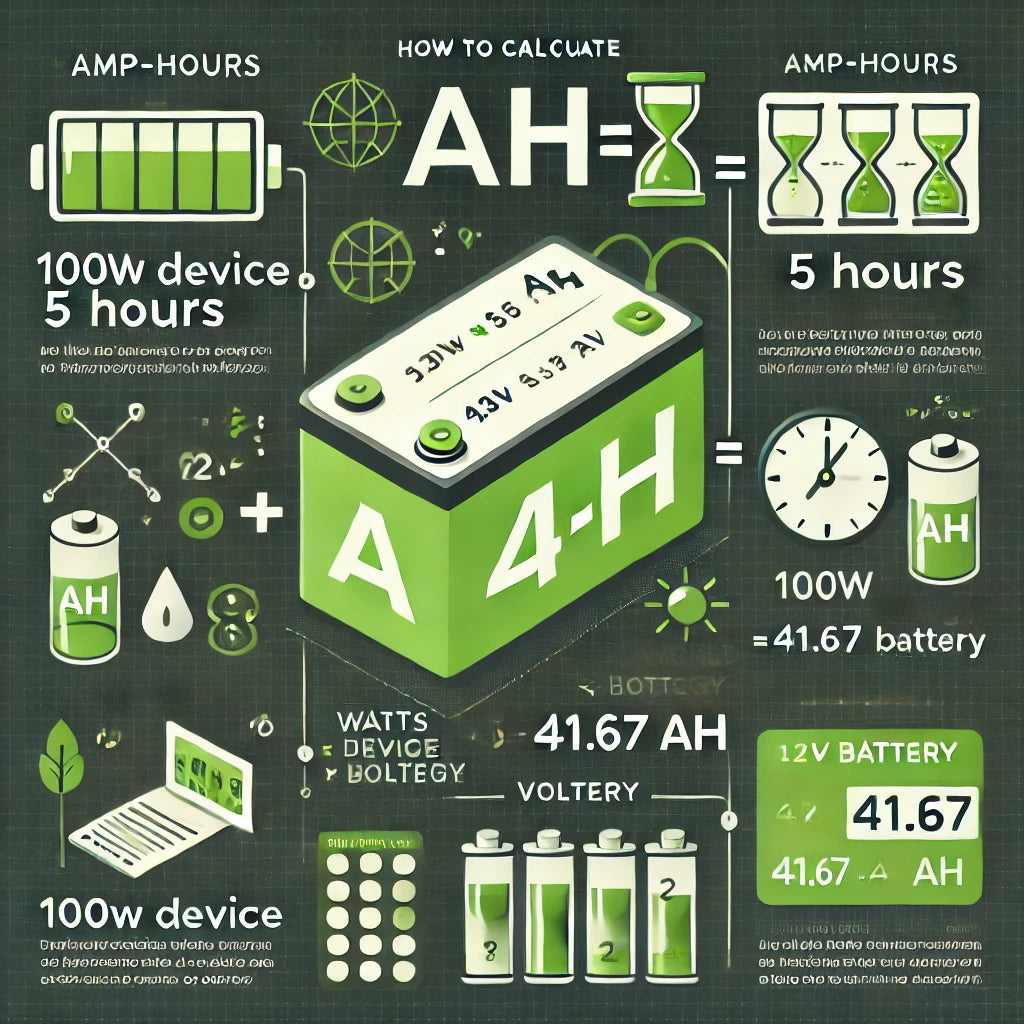
- Wh = V × Ah. For 12V, 60Ah ≈ 720Wh
- Runtime (hours) ≈ Ah ÷ load (amps), adjusted for real-world losses
Example
A battery with RC 120 has AH ≈ 72Ah. With a 3A fridge, ideal runtime ≈ 24 hours. Real world may be 16–20 hours depending on conditions.
Diagnose fast: Is it the battery, alternator, or something else?
You can narrow it down in minutes. Use the tests you learned, plus a little logic. Most no-starts are battery-related, but not all.
- Battery issue: Low resting voltage, slow crank, improves with jump.
- Alternator issue: Battery light on, dim lights, voltage under 13.5V when running.
- Starter issue: Healthy battery voltage, single loud click, no crank.
- Parasitic drain: Good after charge, then dead after parking.
Next steps
Fix charging issues before buying a new battery. Otherwise you’ll kill the new one too. A clean charging system protects your AH investment.
Common myths about AH and car batteries
There’s a lot of confusion out there. Let’s clear it up. These myths can cost money and time if you follow them.
- Myth: Higher AH always cranks better. Truth: CCA cranks. AH is runtime.
- Myth: Any bigger battery is fine. Truth: Fit, venting, and coding matter.
- Myth: A short drive fully recharges. Truth: It often doesn’t, especially in cold.
- Myth: Jump-starting fixes weak batteries. Truth: It only gets you moving.
Reality check
Pick the right balance of AH and CCA. Keep your battery charged. Replace aging units before winter to avoid emergencies.
Choosing between Flooded, AGM, and EFB for AH and performance
Battery type affects capacity, durability, and charging needs. Many modern cars, especially with stop-start, use AGM or EFB. Match what your car expects unless upgrading with care.
- Flooded (wet): Budget-friendly, good for standard use.
- AGM: Better deep-cycle tolerance, higher power, lower self-discharge.
- EFB: Enhanced flooded for stop-start, more cycles than standard wet.
Upgrade tip
If you move from flooded to AGM, ensure your charging system plays nice. Some cars require coding for correct charge voltages and profiles.
Accessory planning: Matching AH to your lifestyle
Plan capacity around how you use your car. Add up loads, add safety margin, and protect starting power. A few minutes of planning prevents dead-battery drama.
- Dash cam: ~0.2–0.5A in parking mode
- 12V fridge: ~2–5A average
- LED camp lights: ~1–3A
- Audio system at idle: varies, often 5–20A+ on peaks
Smart strategies
Use a low-voltage cutoff for accessories. Add a second battery with an isolator for heavy loads. Carry a jump pack as a backup plan.
Troubleshooting short trips and city driving
City life is tough on batteries. Lights, stop-and-go, and short runtimes drain charge. Your AH may look fine on paper but struggle in practice.
- Schedule a weekly 30–45 minute highway drive.
- Use a smart maintainer overnight once a week.
- Turn off unneeded loads at red lights.
- Consider a small AH increase within spec.
What I see in the real world
Most “mystery” battery failures are short-trip cars in winter. A maintainer and a clean charging system solve most of them.
Protecting AH: Heat and storage tips
Heat kills batteries faster than cold. If you live in a hot climate, treat your battery like it’s on a long summer run. Keep it cool and charged.
- Park in the shade when possible.
- Check electrolyte levels on serviceable batteries.
- Don’t store a battery discharged; keep it at full charge.
- Disconnect or maintain charge during long storage.
Storage rule of thumb
Top it off, then maintain with a smart charger. Recheck monthly. A stored battery loses capacity if left low. That shrinks your usable AH later.
AH rating and EVs/hybrids: A quick note
EVs and hybrids still use a 12V battery for computers and safety systems. AH matters for reliability, even if propulsion comes from a high-voltage pack. Follow the exact spec your car requires.
- Hybrids/EVs: 12V failures cause warnings and no-start conditions.
- Service intervals: Often different from gas cars. Check your manual.
- Charging: Some EVs charge the 12V differently. Know the process.
Service tip
Use manufacturer-approved procedures when jump-starting or charging hybrids and EVs. Protect the electronics and BMS.
FAQ
Is AH the same as CCA?
No. AH is capacity for runtime. CCA is cranking power in the cold. You need both to match your car’s needs.
What AH is good for my car?
Check your owner’s manual and current battery label. Most gas cars use 45–80Ah. Trucks and diesels use more. Match or go slightly higher if it fits and is supported.
Will a higher AH battery damage my alternator?
Usually no, if it’s within the normal size and chemistry for your car. The alternator controls voltage, not the battery size. Extreme upsizing or wrong chemistry can cause issues.
My battery reads 12.2V. Is it bad?
It’s low, not necessarily bad. Charge it fully and retest. If it drops fast or cranks weak after a full charge, it may be failing.
How long should a car battery last?
Many last 3–5 years. Heat, short trips, and deep discharges shorten life. Maintainers and good care help.
Can I convert RC to AH?
Yes. A rough estimate is AH ≈ RC × 0.6. It’s not exact, but it helps compare brands.
What’s the best way to keep my AH strong?
Keep the battery charged, clean the terminals, secure the hold-down, and avoid deep discharges. A weekly smart charge can add years.
Conclusion
AH rating is your battery’s capacity. It’s the size of your electrical fuel tank. It won’t tell you starting strength, but it will tell you how long you can run gear with the engine off. Match AH to your car and driving. Test voltage at rest. Watch how it cranks. If you face slow starts, low voltage, or old age, act now—charge, test, or replace. With the right AH, your car starts strong, your accessories run longer, and you stay in control—even on cold mornings and busy weeks.

