Are Car Seat Covers Safe for Your Family and Vehicle

Car seat covers can be safe—if chosen wisely. This guide explains how to pick covers that don’t interfere with safety features, pass crash tests, and keep your family protected. Learn what to avoid and how to install them correctly.
Quick Answers to Common Questions
Tip/Question?
Can I use a regular seat protector under a car seat?
Only if it’s thin, non-compressible, and doesn’t interfere with the seat belt or LATCH system. Thick rubber or foam mats can reduce crash protection.
Tip/Question?
Are waterproof car seat covers safe?
Yes—if they’re breathable and don’t trap moisture. Look for waterproof yet ventilated fabrics to prevent overheating.
Tip/Question?
Can I machine wash a car seat cover?
Check the label. Most safe covers are machine washable on gentle cycle, but avoid fabric softeners that can reduce flame resistance.
Tip/Question?
Do car seat covers affect side-impact protection?
They can—if they cover the side wings. Always choose covers with open sides or cutouts for impact zones.
Tip/Question?
Is it safe to use a cover with a booster seat?
Generally yes, since boosters don’t have harnesses. But avoid covers that slide or shift, as they can affect seat belt fit.
Are Car Seat Covers Safe for Your Family and Vehicle?
If you’re a parent or caregiver, you’ve probably considered using a car seat cover. They promise to protect your vehicle’s upholstery from spills, crumbs, and sticky fingers—and maybe even add a splash of style. But before you buy, there’s a critical question: Are car seat covers safe?
The short answer? It depends. While many covers are designed with safety in mind, others can actually put your child at risk—especially if they interfere with the car seat’s harness system, block side-impact protection, or weren’t tested for crash safety.
In this guide, we’ll walk you through everything you need to know to make a smart, safe choice. You’ll learn how to identify trustworthy covers, avoid common pitfalls, and install them correctly—so your family stays protected on every ride.
Why Safety Should Be Your Top Priority
Car seats save lives. In fact, the National Highway Traffic Safety Administration (NHTSA) reports that car seats reduce the risk of fatal injury by 71% for infants and 54% for toddlers. But that protection only works if the seat functions as designed.
Car seat covers can compromise safety in several ways:
- Harness interference: Thick padding or poorly designed openings can prevent the harness from lying flat and snug against your child’s body.
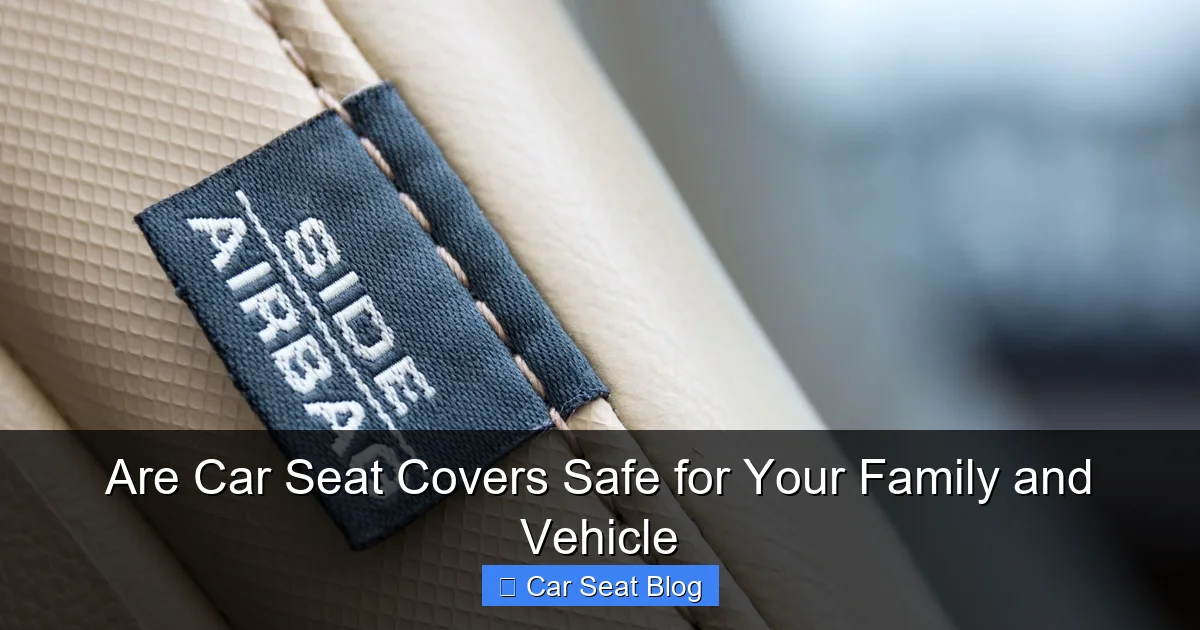
- Airbag obstruction: Covers that wrap around the sides of the seat may block side airbags from deploying correctly.
- Reduced crash performance: Non-crash-tested covers may shift or compress during impact, reducing the seat’s ability to absorb force.
- Overheating or suffocation risk: Bulky covers, especially those used in warm weather, can trap heat or restrict airflow around an infant.
That’s why it’s essential to choose covers that are specifically designed and tested for use with car seats—not just decorative seat protectors.
How to Choose a Safe Car Seat Cover
Not all covers are created equal. Here’s how to pick one that keeps your child safe without sacrificing convenience.
1. Look for Crash-Tested Certification
The safest car seat covers are those that have been tested in crash simulations alongside the car seat they’re meant to protect. Some manufacturers design covers that are approved for use with specific seat models—check the car seat manual or manufacturer’s website for compatibility.
Pro tip: If the cover packaging or product description doesn’t mention crash testing or compatibility with your seat model, skip it.
2. Choose the Right Material
Thin, breathable, and flexible fabrics are best. Avoid thick quilting, heavy padding, or stiff materials that can compress under pressure.
- Good options: Mesh, lightweight polyester, or OEKO-TEX certified fabrics that are free from harmful chemicals.
- Avoid: Faux fur, thick fleece, or multi-layered padding—especially for infants under 12 months.
3. Ensure Proper Fit and Access
A safe cover should:
- Allow full access to the harness straps and buckle.
- Not cover the side-impact protection wings.
- Fit snugly without bunching or shifting.
Look for covers with precise cutouts for straps, buckles, and LATCH connectors. Some premium covers even include reinforced stitching around high-stress areas.
4. Check Manufacturer Approval
Always consult your car seat’s user manual. Many manufacturers explicitly state whether aftermarket covers are allowed. For example:
- Graco and Chicco often permit certain covers if they don’t interfere with harness routing.
- Britax warns against using non-approved covers that alter the seat’s performance.
When in doubt, contact the manufacturer directly.
Step-by-Step: How to Install a Car Seat Cover Safely
Even the safest cover can become a hazard if installed incorrectly. Follow these steps to ensure a secure fit.
Step 1: Remove the Car Seat (If Possible)
If your cover requires it, uninstall the car seat from the vehicle. This gives you better access and reduces the risk of misalignment.
Step 2: Lay the Cover Flat
Unfold the cover and identify the sections for the seat base, backrest, and headrest. Make sure all strap and buckle openings are clearly marked.
Step 3: Attach the Cover to the Seat
- Start with the seat base. Slide the cover over the bottom cushion, ensuring it lies flat.
- Pull the harness straps through the designated slots. Do not twist or cross them.
- Secure any Velcro, snaps, or elastic bands as instructed.
- Repeat for the backrest, making sure side-impact zones are unobstructed.
Step 4: Reinstall the Car Seat
Reinstall the seat using either the seat belt or LATCH system. Double-check that:
- The seat is tightly secured (less than 1 inch of movement at the belt path).
- The harness straps are not pinched or twisted by the cover.
- The recline angle (if adjustable) hasn’t changed.
Step 5: Test the Harness Fit
Place your child in the seat and buckle them in. Perform the “pinch test”: try to pinch the harness strap at the shoulder. If you can pinch excess webbing, the harness is too loose—and the cover may be interfering.
Common Mistakes to Avoid
Even careful parents can make errors. Here are the most common safety pitfalls:
Using Universal Covers on Infant Seats
Infant car seats have unique shapes and harness systems. Universal covers often don’t fit properly, leading to gaps or strap misalignment. Always use a cover designed for your specific seat model.
Ignoring Temperature Risks
In summer, dark or insulated covers can turn your car seat into an oven. In winter, thick covers may prevent proper harness tightening over bulky clothing. The NHTSA recommends dressing your child in thin layers and using a blanket over the harness—not under it.
Overlooking Wear and Tear
Inspect your cover regularly. Frayed edges, stretched elastic, or loose stitching can affect performance. Replace the cover if it shows signs of damage.
Troubleshooting Common Issues
Problem: Harness Straps Are Twisted or Hard to Adjust
This usually means the cover’s strap slots are misaligned. Remove the cover, reposition it, and ensure straps feed through smoothly.
Visual guide about Are Car Seat Covers Safe for Your Family and Vehicle
Image source: thecarplus.com
Problem: Cover Shifts During Driving
Look for covers with non-slip backing or anchor points. Some models include hooks or clips that attach to the car seat frame.
Problem: Buckle Is Hard to Reach or Release
Make sure the cover doesn’t overlap the buckle area. If it does, trim excess material (only if the manufacturer allows) or switch to a better-fitting model.
When Not to Use a Car Seat Cover
Despite their benefits, car seat covers aren’t always the best choice. Avoid them in these situations:
- For newborns in warm weather: Use a sun shade or lightweight canopy instead to prevent overheating.
- With rear-facing seats in hot climates: Heat can build up quickly—opt for breathable alternatives.
- If the cover voids the warranty: Some manufacturers won’t honor warranties if non-approved accessories are used.
Conclusion: Safety First, Always
Car seat covers can be a practical addition to your vehicle—but only if they’re safe, compatible, and installed correctly. The key is to prioritize safety over style or convenience. Always choose crash-tested, manufacturer-approved covers, and never compromise on harness fit or seat function.
Remember: your child’s safety isn’t worth risking for a cleaner backseat. When in doubt, skip the cover or consult your car seat manufacturer. With the right choice, you can protect both your vehicle and your most precious passengers.
🎥 Related Video: Seat Covers for cars with 6 Airbags | Yes or No #airbags #seatcovers
📺 Sunderdeep Singh
Seat covers for cars equipped with 6 airbags (opinion) Airbags are incredibly controlled explosions within your cabin, and you …