Choosing the right car seat cover can transform your driving experience by enhancing comfort and protecting your seats from wear and tear. This guide walks you through key factors like material, fit, and functionality so you can make a smart, long-lasting purchase.
Quick Answers to Common Questions
Tip/Question?
Should I buy a universal or custom-fit seat cover?
Go custom-fit if you want a snug, professional look and better safety. Universal covers are cheaper but may not stay in place as well.
Tip/Question?
Can I use a seat cover with heated seats?
Yes—but only if the cover is labeled “heated seat compatible.” Thick materials can block heat transfer and damage the system.
Tip/Question?
Are leather seat covers worth the cost?
They offer a premium look and are easy to clean, but require maintenance. Faux leather is a budget-friendly alternative with similar benefits.
Tip/Question?
How often should I clean my seat cover?
Wipe down weekly and deep clean every 1–2 months, depending on use. Prompt spot cleaning prevents stains from setting.
Tip/Question?
Do seat covers void my car’s warranty?
Generally no—unless they damage the seat or interfere with safety systems. Always check your vehicle’s warranty terms.
What Car Seat Cover to Buy for Maximum Comfort and Protection
Your car’s seats take a beating—spills, sun exposure, pet claws, and daily wear can leave them looking tired and damaged. A high-quality car seat cover not only protects your investment but also boosts comfort and style. But with so many options on the market, how do you know what car seat cover to buy?
This guide will walk you through everything you need to consider—from material and fit to safety and maintenance—so you can choose the perfect seat cover for your needs. Whether you drive a compact sedan or a rugged SUV, we’ve got you covered (literally!).
Step 1: Assess Your Needs and Lifestyle
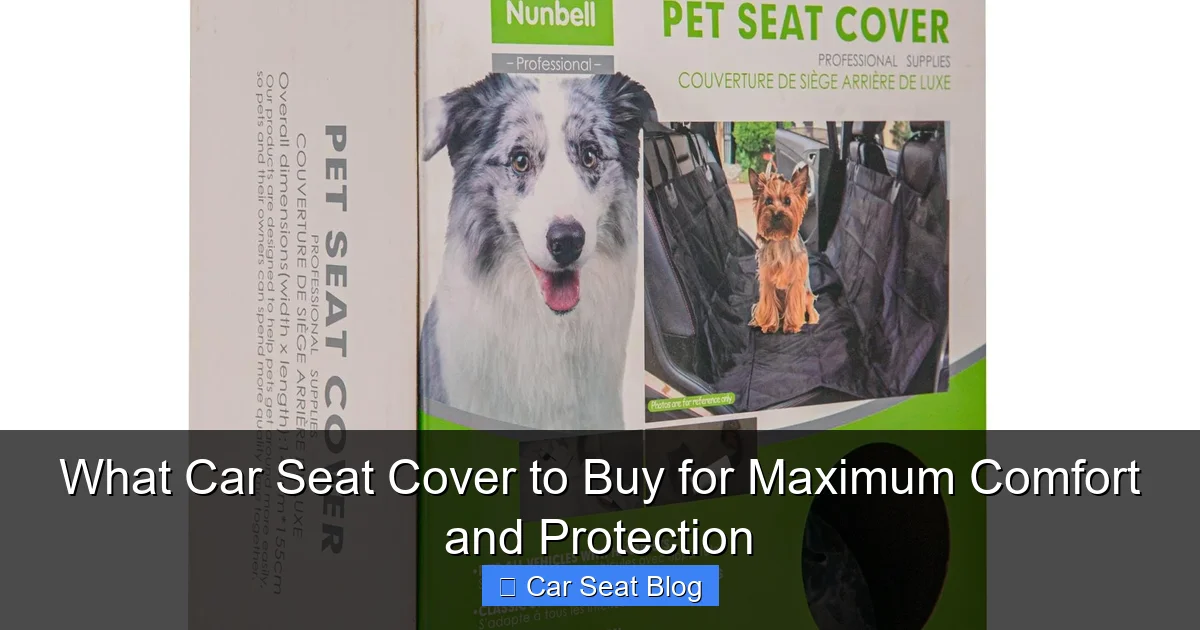
Visual guide about What Car Seat Cover to Buy for Maximum Comfort and Protection
Image source: petexpresseg.com
Before diving into brands and styles, ask yourself: What do I really need from a seat cover? Your answer will shape your entire decision.
Do you have kids or pets?
If your car doubles as a snack transport or dog taxi, look for covers made from durable, stain-resistant materials like neoprene or heavy-duty polyester. These handle crumbs, muddy paws, and juice spills with ease.
Do you live in a hot or cold climate?
In scorching summers, breathable fabrics like mesh or perforated leather prevent sticky backsides. In colder regions, heated seat covers or insulated materials add cozy warmth.
Are you a frequent traveler or commuter?
Long drives demand comfort. Memory foam padding, ergonomic designs, and lumbar support features can make a big difference over time.
Do you care about interior aesthetics?
Some covers are purely functional, while others double as stylish upgrades. Leather-look covers, for example, give a premium feel without the high cost.
Step 2: Choose the Right Material
The material of your seat cover affects comfort, durability, and ease of cleaning. Here’s a breakdown of the most popular options:
Neoprene
Water-resistant, stretchy, and soft, neoprene is a top pick for active lifestyles. It’s great for beach trips, gym gear, or rainy days. Plus, it resists fading and holds its shape well. However, it can get warm in direct sunlight.
Leather (Real or Faux)
Leather offers a sleek, luxurious look and is easy to wipe clean. Real leather ages beautifully but requires conditioning. Faux leather (PU or PVC) is more affordable and animal-friendly but may crack over time.
Polyester and Microfiber
These synthetic fabrics are lightweight, affordable, and come in countless colors and patterns. They’re ideal for everyday use but may not hold up as well under heavy wear.
Canvas and Heavy-Duty Fabrics
Perfect for trucks, SUVs, or work vehicles, these rugged materials resist tears and abrasions. They’re a favorite among contractors and outdoor enthusiasts.
Mesh and Breathable Blends
Designed for ventilation, these covers reduce sweat and heat buildup—ideal for hot climates or long drives.
Step 3: Get the Right Fit
A poorly fitting seat cover can slip, bunch, or block airbags—defeating the purpose of protection and safety.
Universal vs. Custom-Fit
Universal covers are cheaper and work with many vehicles, but they often don’t hug the seat contours tightly. Custom-fit covers are tailored to your car’s make, model, and year, offering superior coverage and a factory-like appearance.
Check Seat Compatibility
Some seats have unique features like built-in airbags, seat heaters, or side bolsters. Make sure the cover you choose is compatible. Look for labels like “airbag-safe” or “side-impact tested.”
Test the Installation
A good seat cover should be easy to install and stay in place. Elastic straps, hooks, and non-slip backing help secure the cover. Avoid covers that require complicated assembly or leave gaps.
Step 4: Prioritize Safety and Functionality
Never compromise safety for style. Here’s what to watch for:
Airbag Compatibility
If your car has side airbags, the seat cover must have designated tear lines or openings to allow proper deployment. Check the product description or contact the manufacturer if unsure.
Seatbelt Access
The cover shouldn’t obstruct seatbelt buckles or latches. Look for cutouts or flexible fabric around these areas.
Non-Slip Backing
A cover that shifts while driving is a distraction and a hazard. Rubberized or silicone-backed fabrics grip the seat and stay put.
Step 5: Consider Cleaning and Maintenance
Life happens—especially in cars. Choose a cover that’s easy to clean.
Machine-Washable Options
Some covers are fully removable and machine-washable—perfect for families or pet owners. Check care instructions before buying.
Wipe-Clean Surfaces
Leather, vinyl, and some synthetics can be wiped down with a damp cloth. This is ideal for quick cleanups after coffee spills or muddy shoes.
Stain and Odor Resistance
Look for treatments like Scotchgard or antimicrobial coatings that repel liquids and prevent mildew.
Step 6: Set a Budget and Compare Brands
Car seat covers range from $20 to $300+. While price isn’t everything, it often reflects quality.
Budget-Friendly Picks ($20–$50)
Great for basic protection and short-term use. Often universal fit and made from polyester or basic neoprene.
Mid-Range Options ($50–$150)
Offer better materials, custom fits, and added features like padding or climate control. Brands like Coverking, FH Group, and CalTrend are reliable.
Premium Covers ($150+)
High-end materials like genuine leather, advanced neoprene, or custom embroidery. Ideal for luxury vehicles or long-term use.
Read Reviews and Check Warranties
Before buying, scan customer reviews on Amazon, Walmart, or the brand’s website. Look for comments about fit, durability, and customer service. A 1–3 year warranty is a good sign of confidence in the product.
Step 7: Install and Maintain Your Seat Cover
Once you’ve chosen the perfect cover, proper installation and care will extend its life.
Follow the Instructions
Each cover comes with specific installation steps. Take your time—rushing can lead to wrinkles or misalignment.
Adjust Regularly
Over time, covers may shift. Re-tighten straps and smooth out fabric every few weeks.
Clean Promptly
Treat spills and stains as soon as they happen. The longer they sit, the harder they are to remove.
Troubleshooting Common Issues
Even the best seat covers can have hiccups. Here’s how to fix common problems:
Cover Keeps Slipping
Solution: Use non-slip pads or rubber shelf liners under the cover. Ensure all straps are tightened and hooks are secure.
Fading or Cracking
Solution: Park in the shade or use a sunshade. For leather covers, apply conditioner every 3–6 months.
Bad Odors
Solution: Air out the car regularly. Use baking soda or an odor-neutralizing spray. Avoid leaving wet items inside.
Airbag Warning Light On
Solution: This may mean the cover is interfering with the seat sensor. Remove the cover and check for obstructions. Reinstall carefully or consult a professional.
Conclusion
Choosing what car seat cover to buy doesn’t have to be overwhelming. By focusing on your lifestyle, prioritizing safety, and selecting the right material and fit, you can find a cover that offers both comfort and long-lasting protection.
Investing in a quality seat cover is a smart move—it preserves your car’s value, enhances your driving experience, and saves you money on cleaning and repairs. Take your time, do your research, and choose a cover that fits your needs like a glove.
Your seats—and your backside—will thank you.

