Quick Summary: Car batteries impact the planet from mining to disposal. You can cut that impact by testing voltage, charging smart, driving habits, and recycling. This guide shows simple steps, safe tools, and money-saving tips to make your battery last longer and stay out of the landfill.
If you worry about the environmental impact of batteries, you’re not alone. Many drivers want a car that starts every time and a footprint that stays small. The good news: smart habits and a few tools can help. You can make your battery last longer, work better, and get recycled the right way. In this guide, you’ll learn how batteries affect the planet, how to test and fix yours, and how to recycle with confidence.

Environmental Impact of Batteries: What It Means for Everyday Drivers
Car batteries do a tough job. They start your engine, power lights, and keep safety systems alive. But each battery has a story. Mining metals. Factory energy. Shipping. Use and charging. End-of-life. That full life cycle shapes the environmental impact of batteries. As a driver, you can lower that impact by choosing the right battery, keeping it healthy, and recycling it every time.

Quick Check: Is Your Car Battery Healthy?
A weak battery wastes money and resources. It also fails early, which means more mining, more shipping, and more waste. Use a simple voltage test to spot trouble fast. You can do it in minutes at home with a basic multimeter.

| State | Engine Off (12V battery) | Engine Running (Alternator On) | What It Means |
|---|---|---|---|
| Fully Charged | 12.6–12.8V | 13.8–14.7V | Battery and charging look good |
| Healthy | 12.4–12.6V | 13.8–14.7V | Normal. Keep terminals clean |
| Low/Discharged | 12.2–12.4V | 13.8–14.7V | Recharge soon to prevent sulfation |
| Very Low | 12.0–12.2V | 13.8–14.7V | Slow charge. Test again after rest |
| Dead or Damaged | <12.0V | <13.5V or erratic | Charge and load-test; alternator may be weak |
How Batteries Affect the Planet Across Their Life Cycle
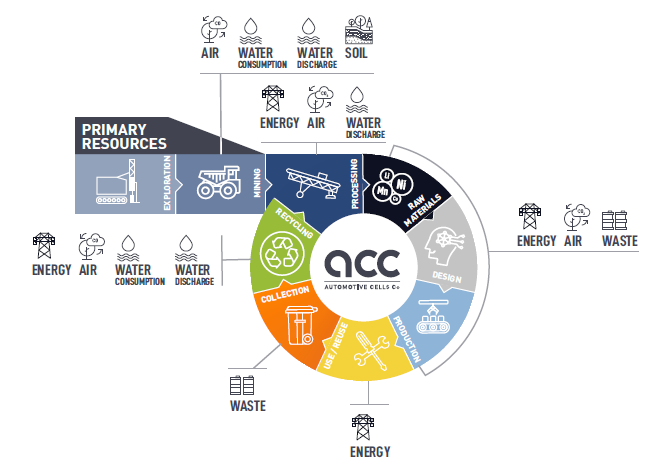
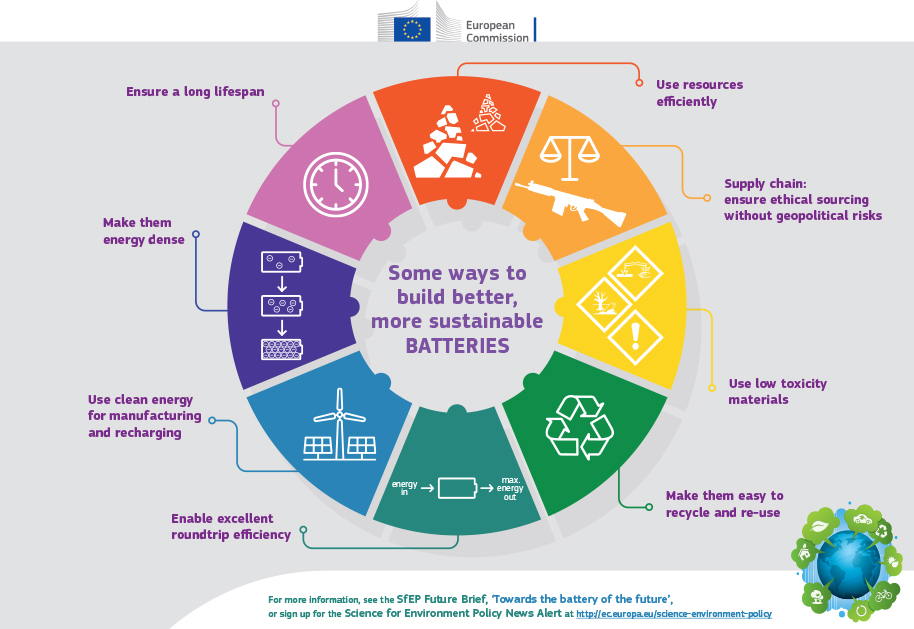
The full footprint comes from each stage: raw materials, manufacturing, use, charging, transport, and end-of-life. Each step has energy use, emissions, and environmental risk. Understanding that path helps you make smarter choices that save money and cut waste.

1) Raw Materials: Mining and Processing
Lead-acid batteries use lead and sulfuric acid. Lithium batteries use lithium, nickel, cobalt, and other metals. Mining can disturb land and water. Processing ores takes lots of energy. That means greenhouse gases. It can also create toxic runoff if not managed well. Better recycling helps reduce new mining.
2) Manufacturing and Transport
Factories melt, refine, and shape metals. That heat takes energy. Most plants now use cleaner systems, but it still adds up. Finished batteries ship by truck or ship. The longer the route, the bigger the footprint. Buying locally when possible reduces transport emissions.
3) Use Phase: In Your Car
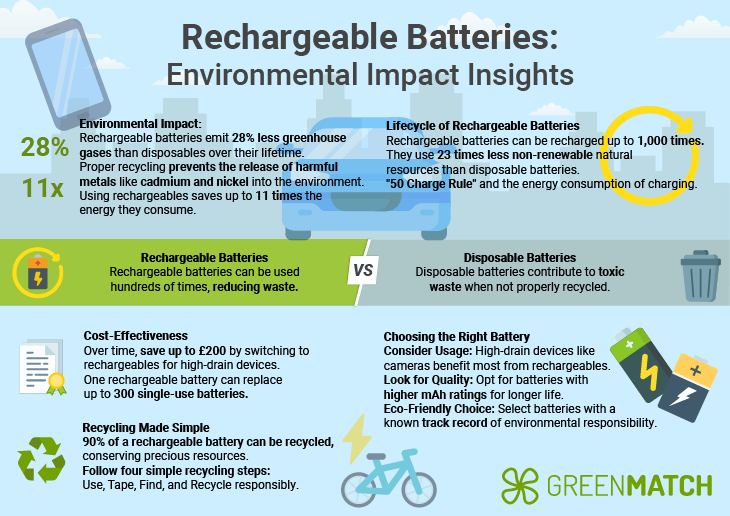
Once installed, your battery’s footprint depends on how you drive and care for it. Short trips hurt. Lots of electronics with the engine off drain the battery. Vibration and heat wear it out. If the battery dies early, you need a replacement sooner. That repeats the footprint.
4) Charging: Alternator and Home Chargers
Your alternator charges while you drive. If the battery stays low, the alternator works harder. That can waste fuel and add emissions. Smart chargers at home use the right voltage and reduce wear. They keep the battery topped up without cooking it.
5) End-of-Life: Recycling or Landfill
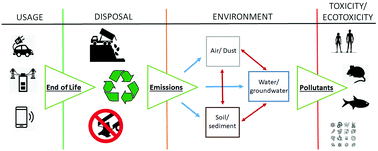
Lead-acid batteries are one of the most recycled products in North America. A well-run loop recovers lead and plastic. That cuts new mining. Lithium car batteries (12V and EV packs) are catching up fast. Safe recycling keeps heavy metals out of soil and water and recovers valuable materials for new batteries.
Battery Types and Their Footprints: A Simple Comparison
Not all batteries are equal. The right pick depends on your car, climate, and budget. Here’s how common types compare on lifespan, care, and the environmental impact of batteries across key factors.
| Battery Type | Typical Use | Lifespan (Avg.) | Maintenance | Environmental Impact of Batteries (Summary) |
|---|---|---|---|---|
| Flooded Lead-Acid (FLA) | Most older cars, budget replacements | 3–5 years | May need water checks; sensitive to vibration | High recycling rate; heavy; short life means more replacements if abused |
| AGM Lead-Acid | Start-stop cars, higher electrical load | 4–6 years | Maintenance-free; tolerates vibration better | More durable; still lead-based; widely recycled |
| 12V Lithium (LiFePO4) | Some aftermarket upgrades, RVs, specialty | 8–10+ years | Needs compatible charging profile | Lighter; long life reduces replacements; recycling improving |
| EV Lithium-Ion Pack | Electric vehicles (traction battery) | 8–15 years+ | Thermal management built-in | High energy density; large material input; strong second-life and recycling pathways |
How to Reduce Your Battery’s Environmental Footprint (Step-by-Step)
You can cut waste and save money with a few easy habits. These steps boost battery life, reduce charging strain, and keep toxic stuff out of landfills.
- Test baseline health
- Use a multimeter to check voltage at rest.
- If it’s under 12.4V, charge it soon to prevent sulfation.
- Drive smart to recharge
- Plan one longer trip (20–30 minutes) each week.
- Avoid many short trips that never recharge the battery.
- Use a smart maintainer
- Plug in a 1–3A smart charger if you drive rarely.
- Float mode keeps the charge ideal without overcooking.
- Keep terminals clean
- Remove corrosion with a wire brush and baking soda mix.
- Apply dielectric grease to slow it from coming back.
- Secure the battery
- Tighten the hold-down bracket.
- Less vibration equals longer life.
- Fix parasitic drains
- Unplug chargers, dash cams, and add-ons when parked.
- Test draw if the car sits for long periods.
- Choose the right replacement
- Match group size, CCA, and technology (AGM if your car needs AGM).
- Higher-quality batteries can last longer, cutting total impact.
- Recycle, never trash
- Return cores to parts stores for credit.
- Use certified drop-off sites for lead-acid and lithium batteries.
Diagnose, Test, and Extend Battery Life: A Simple DIY Plan
Most battery issues are easy to diagnose at home. With a few tools and safety steps, you can test, charge, and fix common problems in under an hour.
Tools You Need
Keep a small kit in your garage. These basics cover most battery checks and fixes and help avoid early failure.
- Digital multimeter (auto-ranging if possible)
- Smart battery charger/maintainer (1–10A)
- Jumper cables or a jump starter pack
- Wire brush and battery terminal cleaner
- Dielectric grease and protective washers
- Safety glasses and gloves
Safety First
Car batteries can spark, leak acid, and release gas. Work with care. Protect your eyes and skin. Keep flames away. If you feel unsure, ask a pro.
- Wear safety glasses and gloves.
- Turn off the engine and accessories.
- Remove metal jewelry.
- Work in a ventilated area.
- Connect jumper cables in the correct order.
Step-by-Step: Test Battery Voltage
This fast test shows if your battery is healthy or needs a charge. It also helps spot a weak alternator.
- Let the car sit 30–60 minutes after driving.
- Set the multimeter to DC volts.
- Touch red lead to positive (+), black to negative (−).
- Read the voltage and compare it to the chart above.
- Start the engine and check again. You want 13.8–14.7V while running.
If running voltage is low or jumps, the alternator or belt may be weak. High voltage above 15V can overcharge and damage the battery.
Step-by-Step: Jump-Start Correctly
A clean jump can save a tow and prevent sparks. Follow the order. Keep cables clear of fans and belts.
- Park close, but don’t let cars touch. Turn both off.
- Connect red clamp to dead battery positive (+).
- Connect the other red to good battery positive (+).
- Connect black clamp to good battery negative (−).
- Connect the last black to a metal ground on the dead car, away from the battery.
- Start the good car. Wait 2–3 minutes.
- Start the dead car. If it starts, let both idle a few minutes.
- Remove clamps in reverse order.
Drive 20–30 minutes to recharge. If it dies again soon, test for parasitic drain or get the battery load-tested.
Step-by-Step: Smart Charging
Slow, smart charging is gentle and reduces waste. A maintainer helps prevent early failure.
- Set the charger to the correct battery type (AGM vs flooded vs lithium if applicable).
- Connect red to positive (+), black to negative (−), with the charger unplugged.
- Plug in the charger. Let it charge until full.
- Use float mode if you store the car or drive rarely.
- For lithium 12V batteries, use a charger approved for LiFePO4.
Step-by-Step: Clean Terminals and Check Parasitic Drain
Corrosion creates resistance and waste. A drain can empty a battery overnight. Fix both to save the battery and the planet.
- Disconnect negative (−) first, then positive (+).
- Mix baking soda and water. Scrub terminals and clamps.
- Rinse with clean water. Dry well.
- Apply a thin coat of dielectric grease.
- Reconnect positive (+) first, then negative (−).
- To test for drain, set the meter to amps (in series on the negative cable) and watch current.
- Under 50 mA is normal for many cars. Over 100 mA may be a problem. Pull fuses to find the circuit.
Common Problems, Causes, and Eco-Friendly Fixes
Most battery headaches have a simple cause. Use this chart to match symptoms with fixes. Quick action keeps your battery out of the scrap pile longer.
| Symptom | Likely Cause | Fast Fix | Eco Benefit |
|---|---|---|---|
| Slow crank in the morning | Weak battery, cold weather, sulfation | Charge overnight, clean terminals, test voltage | Extends life; avoids early replacement |
| Clicking sound, no start | Dead battery or loose clamps | Jump-start, tighten clamps, charge and retest | Prevents junking a good battery |
| Battery drains overnight | Parasitic draw (light, module, accessory) | Measure draw, pull fuses to isolate, repair | Stops wasteful recharging and early failure |
| Dim lights at idle | Weak alternator or belt slip | Check running voltage, inspect belt and tensioner | Reduces fuel waste from overworking the alternator |
| Frequent jump-starts needed | Short trips, bad charging habits | Weekly 20–30 min drive, use a maintainer | Fewer replacements, lower footprint |
| Corrosion on terminals | Acid vapor, loose connection | Clean, grease, install anti-corrosion washers | Reduces resistance and wasted energy |
| Battery swelling or hot | Overcharging, heat exposure | Test alternator voltage, add heat shield, relocate if possible | Prevents venting and hazardous waste |
Cold Weather, Heat, and Short Trips: Real-World Examples
Weather and driving style affect battery life in a big way. Knowing how to react can double lifespan. That saves money and cuts your battery’s footprint.
- Winter mornings
- Cold slows chemical reactions. Oil thickens. It takes more power to crank.
- Fix: Use a maintainer overnight. Test at 12.6V+. Keep the battery warm if possible.
- Summer heat
- Heat speeds corrosion and can boil off fluid in flooded batteries.
- Fix: Park in shade. Check for tight hold-downs. Ensure proper under-hood airflow.
- Short-trip city driving
- Five-minute hops never recharge the battery.
- Fix: Add one 20–30 minute drive each week. Use a smart charger at home.
- Long-term storage
- Batteries self-discharge over time.
- Fix: Disconnect the negative cable or use a maintainer. Set calendar reminders to check voltage monthly.
Battery Recycling and Disposal: Do It Right
Recycling keeps toxins out of soil and water. It also recovers metals so we mine less. Lead-acid car batteries are recycled at very high rates when returned to stores. Lithium batteries need approved sites.
- Never throw a battery in the trash
- It’s illegal in many places and dangerous.
- Use core exchanges and drop-offs
- Auto parts stores take old batteries and often pay a core credit.
- Follow guidance from trusted sources
- Check rules and tips from the Environmental Protection Agency for safe handling.
- Verify lithium drop-off sites
- Lithium batteries need special processing. Use approved centers.
- Transport safely
- Keep batteries upright. Tape over terminals if required. Avoid trunk rolling.
As explained by AAA, proper testing and recycling help drivers avoid breakdowns and prevent environmental harm. According to the Environmental Protection Agency, battery recycling greatly reduces hazardous releases when done at certified facilities. You can also review practical battery care advice based on this battery guide from Consumer Reports to choose longer-lasting options.
Myths vs. Facts About Battery Impact
There are many claims about batteries. Some are true. Others are not. Clearing them up helps you make better choices and lower your footprint.
- Myth: “My battery is maintenance-free, so I can ignore it.”
- Fact: Even sealed batteries need clean terminals, good charging, and secure mounts.
- Myth: “Short trips don’t matter if the alternator is good.”
- Fact: Short trips are hard on batteries. They never fully recharge. Use a maintainer if needed.
- Myth: “All batteries have the same environmental impact.”
- Fact: Lifespan, materials, and recycling access matter. Longer life and proper recycling cut impact.
- Myth: “It’s fine to toss a small 12V lithium battery.”
- Fact: Never trash any car battery. Use approved recycling. Protects soil and water.
- Myth: “High CCA always means a better battery.”
- Fact: Match what your car needs. Quality, heat resistance, and build matter more than big numbers.
Cost-Saving and Eco-Friendly Buying Tips
A smart purchase gives you reliable starts, a longer life, and a smaller footprint. Spend once, install right, and recycle the old one.
- Know your group size
- Fit matters. A secure fit reduces vibration and extends life.
- Match your car’s spec
- If your car uses AGM (often with start-stop), replace it with AGM.
- Consider climate
- In hot states, pick a battery with strong heat ratings and a vent design that resists dry-out.
- Check reserve capacity (RC)
- RC shows how long the battery can power systems if the alternator fails. More RC can be helpful for accessories.
- Look for longer warranties
- Longer coverage often tracks with better build quality and life.
- Ask about recycling
- Choose sellers with easy, certified recycling programs for old batteries.
- Evaluate 12V lithium only if compatible
- Some modern cars can use LiFePO4 12V batteries with the right charging profile. They can last longer and weigh less.
Why Battery Care Helps the Planet (And Your Wallet)
A healthy battery needs fewer replacements. That means less mining, less shipping, and less waste. It also means fewer jump-starts, tows, and surprises. Good care is the greenest and cheapest path.
- Longer life reduces total materials used.
- Efficient charging saves fuel and lowers emissions.
- Clean, tight connections reduce energy loss.
- Recycling keeps hazardous materials in a safe loop.
Troubleshooting: Quick “Yes/No” Checks You Can Do Today
Use these fast checks to spot the most common issues before they kill your battery. Early action is better for the environment and your budget.
- Do interior lights dim when you crank?
- Yes: Battery may be weak. Test voltage and charge.
- No: Check starter and connections.
- Do you smell rotten eggs near the battery?
- Yes: Possible overcharge or internal failure. Test alternator output.
- No: Good. Keep an eye on voltages.
- Is there white or blue crust on terminals?
- Yes: Clean and grease. Check for loose clamps.
- No: Great. Keep it that way.
- Does it sit more than a week without driving?
- Yes: Use a maintainer to prevent deep discharge.
- No: Drive time may be enough, but test monthly.
Charging Do’s and Don’ts to Prevent Waste
Small changes in the way you charge can make a big difference. Avoid heat and overcharge. Use the right charger for your battery type.
- Do use a smart charger that switches to float.
- Do verify voltage settings for AGM vs flooded vs lithium.
- Do charge in a cool, ventilated area.
- Don’t fast charge a cold battery unless the charger is temperature-compensated.
- Don’t leave a manual charger on overnight.
- Don’t mismatch chargers with lithium batteries.
Environmental Benefits You’ll See From Better Battery Habits
Good care cuts your footprint and helps your car run better. Here are the gains you can expect by building a simple routine.
- Fewer replacements over your car’s life
- Lower shipping and manufacturing footprint
- Less hazardous waste due to correct recycling
- Smoother starts and fewer roadside emergencies
- Lower total cost of ownership
Mini Guide: Prepare for Winter Without Hurting Your Battery
Cold kills weak batteries fast. Prep now to avoid a tow and avoid wasting a usable battery due to preventable damage.
- Test at-rest voltage. Aim for 12.6V+.
- Clean and tighten all connections.
- Load-test if the battery is 3+ years old.
- Carry a jump pack in extreme cold.
- Use a maintainer if you park outdoors.
Mini Guide: Beat the Heat and Save Your Battery
Heat is the silent battery killer. Keep things cool and secure. This slows internal wear and protects the environment.
- Park in shade or a garage when possible.
- Check the battery hold-down and tray.
- Inspect alternator output; high voltage cooks batteries.
- Add heat shields if offered for your model.
- Replace under-hood insulation if it’s missing.
Table: Quick Environmental Comparison by Driver Habit
Small choices change your battery’s life. This table shows how daily habits affect waste, cost, and the environment.
| Habit | Battery Life Effect | Environmental Impact | Simple Fix |
|---|---|---|---|
| Short trips only | Faster wear | More replacements and waste | Weekly 20–30 min drive |
| Never using a maintainer | Chronic undercharge | Lower efficiency, early failure | Smart maintainer in storage |
| Loose battery mount | High vibration damage | Premature disposal | Tighten hold-down |
| Dirty terminals | Poor charging | Wasted energy | Clean and grease twice a year |
| No recycling plan | Unsafe disposal risk | Hazardous waste | Return core to parts store |
FAQs
How do I know if my battery is dying?
Slow cranking, dim lights, and repeated jump-starts are common signs. Test voltage. Under 12.4V at rest needs a charge. Load-test if you’re unsure.
Can I fix a dead battery by driving?
Sometimes. A 20–30 minute drive can help a low battery. But if it’s deeply discharged, use a smart charger for a full, gentle charge.
What’s the safest way to dispose of an old battery?
Return it to an auto parts store or a certified recycling center. Never put it in the trash. You’ll often get a core refund.
Is AGM better for the environment than flooded lead-acid?
AGM often lasts longer and handles vibration better. That can mean fewer replacements. Both recycle well, so disposal is similar if you recycle correctly.
Do short trips really hurt my battery?
Yes. Short trips don’t recharge the battery. Over time, that leads to sulfation and early failure. Add one longer weekly drive or use a maintainer.
Are 12V lithium batteries worth it?
They can be, but only if your car and charger support them. They are light and can last longer. Recycling is improving. Check compatibility before you buy.
How often should I test my battery?
Once a month is a good habit. Test before winter and summer. Test before long trips. It takes minutes and can prevent a breakdown.
Conclusion
Your car battery’s footprint starts at the mine and ends at a recycler. What you do in between matters most. Test voltage monthly. Charge smart. Keep terminals clean. Drive long enough to recharge. Secure the hold-down. Fix drains. Choose the right replacement. And always recycle. These simple steps extend battery life, lower environmental impact, and save you money. You can start today with a quick voltage check and a plan to recycle the old battery when the time comes.

