Leather car seat covers can enhance your vehicle’s look, comfort, and resale value—but they’re not perfect for everyone. This guide breaks down the benefits, drawbacks, and care tips so you can decide if they’re right for your car and lifestyle.
Quick Answers to Common Questions
Tip/Question?
Can I install leather seat covers myself?
Yes! Most covers come with instructions and basic tools. Custom-fit sets are designed for DIY installation and usually take 30–60 minutes per seat.
Tip/Question?
Do leather covers work with heated seats?
Yes, but make sure the covers are compatible. Look for models with cutouts or thin material over heating elements to ensure proper function.
Tip/Question?
Are leather covers safe for side airbags?
Only if they’re designed for your vehicle. Custom covers have precise seams that won’t block airbag deployment. Never use universal covers that interfere with safety features.
Tip/Question?
Can I use baby wipes to clean leather?
No. Baby wipes often contain alcohol or fragrances that dry out leather. Use a damp microfiber cloth and a pH-balanced leather cleaner instead.
Tip/Question?
Do leather covers increase car value?
They can, especially if they protect the original seats and are well-maintained. Buyers often prefer leather interiors, even on non-luxury vehicles.
Are Leather Car Seat Covers Good for Your Vehicle?
If you’re thinking about upgrading your car’s interior, leather seat covers might be on your radar. They look sleek, feel luxurious, and promise easy cleaning—but are they really worth it? In this guide, we’ll walk you through everything you need to know about leather car seat covers, from their benefits and drawbacks to installation tips and long-term care. By the end, you’ll have the facts to decide if leather is the right choice for your vehicle, driving habits, and lifestyle.
Whether you drive a daily commuter, a family SUV, or a sporty coupe, your seats take a beating. Sunlight, spills, pet claws, and daily wear can quickly degrade fabric upholstery. Leather seat covers offer a stylish and practical solution—but only if you choose wisely and maintain them properly. Let’s dive in.
What Are Leather Car Seat Covers?
Leather car seat covers are protective overlays designed to fit over your vehicle’s existing seats. They come in two main types: genuine leather and synthetic (faux) leather. Genuine leather is made from animal hides and offers a rich, natural feel. Faux leather, often called vegan leather or PU leather, is made from polyurethane and mimics the look and feel of real leather without using animal products.
These covers are available in custom-fit or universal designs. Custom-fit covers are tailored to your specific car model, ensuring a snug, factory-like appearance. Universal covers are more affordable but may require adjustments and can look less polished.
Benefits of Leather Car Seat Covers
1. Luxurious Look and Feel
One of the biggest draws of leather is its premium appearance. Whether you drive a compact hatchback or a luxury sedan, leather instantly elevates the interior. The smooth texture, subtle sheen, and tailored fit give your cabin a high-end vibe that fabric simply can’t replicate.
2. Easy to Clean
Spills happen—especially with kids, pets, or coffee on the go. Leather is non-porous, meaning liquids sit on the surface instead of soaking in. A quick wipe with a damp cloth usually does the trick. For tougher stains, a mild leather cleaner works wonders. This makes leather ideal for families, foodies, or anyone who values a clean car.
3. Durability and Longevity
High-quality leather is tough. It resists tearing, fading, and general wear better than most fabrics. With proper care, genuine leather can last for years—even decades. That said, low-quality or poorly installed covers may crack or peel over time, so investing in quality matters.
4. Protects Original Upholstery
Your car’s factory seats are vulnerable to sun damage, stains, and friction. Leather covers act as a shield, preserving the original material underneath. This is especially valuable if you plan to sell or trade in your vehicle later. A well-maintained interior can boost resale value significantly.
5. Resale Value Boost
Buyers often associate leather interiors with higher quality and better care. Even if your car isn’t luxury-branded, leather seats can make it more appealing on the used market. It signals that the vehicle has been well-maintained and offers a more upscale experience.
Drawbacks of Leather Car Seat Covers
1. Temperature Sensitivity
Leather conducts heat and cold more than fabric. In summer, seats can become uncomfortably hot—even scorching. In winter, they feel icy to the touch. This can be a dealbreaker in extreme climates. However, many modern cars offer heated and ventilated seats, which help balance comfort.
2. Higher Initial Cost
Quality leather covers aren’t cheap. Genuine leather sets can cost $200–$600 or more, depending on your vehicle. Faux leather is more affordable ($100–$300), but may not last as long. Compare this to fabric covers, which often start under $100.
3. Maintenance Requirements
Leather needs regular care to stay in top shape. Without conditioning, it can dry out, crack, or fade—especially in sunny areas. You’ll need to clean and condition your covers every 3–6 months, depending on use and climate.
4. Slippery When Wet
Wet leather can become slippery, which might affect driving comfort or safety. This is rare with dry conditions, but something to consider if you live in a rainy area or frequently transport wet gear.
5. Ethical and Environmental Concerns
Genuine leather involves animal products, which may not align with vegan or ethical values. Additionally, tanning processes can be environmentally harmful. Faux leather is a more sustainable option, though some types use plastics that aren’t biodegradable.
How to Choose the Right Leather Seat Covers
1. Decide Between Real and Faux Leather
Ask yourself: Do you want the authentic feel of real leather, or are you okay with a synthetic alternative? Genuine leather offers unmatched durability and patina over time. Faux leather is cruelty-free, often more affordable, and easier to produce sustainably.
2. Prioritize Fit and Compatibility
A poorly fitting cover looks messy and can interfere with airbags or seat functions. Always choose custom-fit covers designed for your car’s make, model, and year. Check compatibility with side airbags, seat heaters, and lumbar support.
3. Check Material Quality
Not all leather is created equal. Look for full-grain or top-grain genuine leather for the best durability. For faux leather, PU (polyurethane) is better than PVC (polyvinyl chloride), which can crack and emit odors.
4. Consider Color and Style
Leather comes in many colors—black, brown, beige, gray, and even bold hues. Match your car’s interior or go for a contrasting accent. Also, consider stitching style: contrast stitching adds visual interest, while matching stitching offers a clean, seamless look.
5. Read Reviews and Buy from Reputable Brands
Don’t just go for the cheapest option. Read customer reviews, check return policies, and choose brands known for quality and customer service. Brands like Coverking, CalTrend, and FH Group are well-regarded in the car accessory market.
Step-by-Step: Installing Leather Seat Covers
1. Prepare Your Seats
Remove headrests and any accessories. Vacuum the seats thoroughly to remove dust and debris. This ensures a clean surface for installation.
2. Test Fit the Covers
Unpack the covers and lay them over the seats to check the fit. Make sure zippers, straps, and Velcro align with seat features like armrests and airbags.
3. Install Front Seats First
Start with the driver and passenger seats. Slide the cover over the seatback, then the cushion. Use the included straps or hooks to secure the cover underneath. Tighten evenly to avoid wrinkles.
4. Install Rear Seats
For bench seats, drape the cover over the entire seat and secure with straps. For split rear seats, install each section separately. Pay attention to seatbelt access and folding mechanisms.
5. Reattach Headrests and Accessories
Once the covers are secure, reinsert headrests and any removed parts. Double-check that all straps are tight and the covers lie flat.
6. Allow Time to Settle
New leather covers may feel stiff at first. Drive around for a few days to let the material conform to your seats. Avoid over-tightening straps, as this can cause tearing.
Caring for Your Leather Seat Covers
1. Clean Weekly
Wipe down seats with a microfiber cloth and mild soap solution. Avoid harsh chemicals like ammonia or bleach, which can damage the finish.
2. Condition Every 3–6 Months
Use a leather conditioner to keep the material soft and prevent cracking. Apply with a soft cloth, let it absorb, then buff gently.
3. Protect from Sunlight
UV rays dry out leather. Use sunshades when parked, or park in the shade. Consider leather protectants with UV inhibitors.
4. Address Spills Immediately
Blot—don’t rub—spills right away. For oil-based stains, use a specialized leather cleaner. Never let liquids sit for long.
5. Avoid Sharp Objects
Keep keys, tools, and pet claws away from seats. Even durable leather can scratch or puncture.
Troubleshooting Common Issues
Problem: Covers Are Loose or Wrinkled
Solution: Re-tighten straps underneath the seat. If the cover is too big, consider returning it for a better-fitting model.
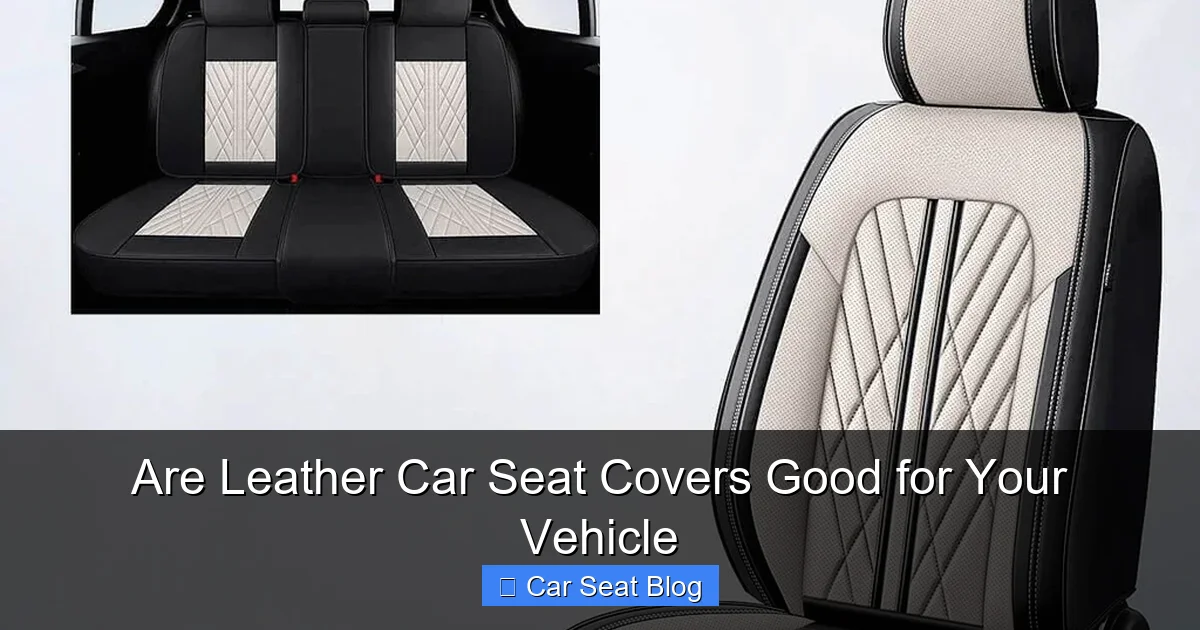
Visual guide about Are Leather Car Seat Covers Good for Your Vehicle
Image source: carmatscustoms.com
Problem: Leather Feels Stiff or Cracks
Solution: This is often due to lack of conditioning. Apply a quality leather conditioner and let it sit for 24 hours. Repeat every few months.
Problem: Foul Odors
Solution: Odors can come from low-quality materials or trapped moisture. Air out the car, use a leather deodorizer, and ensure proper ventilation.
Problem: Fading or Discoloration
Solution: Caused by sun exposure. Use UV protectants and park in shaded areas. For severe fading, professional re-dyeing may be needed.
Conclusion
So, are leather car seat covers good for your vehicle? The answer is: it depends. If you value style, easy cleaning, and long-term protection, leather covers are an excellent investment—especially if you choose high-quality materials and maintain them properly. They can transform your car’s interior, protect your original seats, and even increase resale value.
However, leather isn’t perfect. It can be pricey, requires regular care, and may not be ideal in extreme temperatures. If you’re eco-conscious or prefer a cozier feel, high-quality fabric or faux leather might be better options.
Ultimately, the best seat cover is one that fits your lifestyle, budget, and driving needs. Take the time to research, read reviews, and choose wisely. With the right care, leather seat covers can keep your car looking sharp and feeling luxurious for years to come.

