Quick Summary: Dispose of car batteries at auto parts stores, service centers, or hazardous waste events. Never toss them in the trash. Wear gloves, remove the negative cable first, transport upright in a leak-proof box, and ask for a core refund. This simple plan keeps you safe and protects the environment.
Your battery is heavy, full of acid, and can leak. Throwing it away is dangerous and illegal in most places. If you’re wondering how to dispose battery safely, you’re in the right spot. I’ll show you a fast, step-by-step plan to remove, handle, and recycle any car battery without stress. You’ll learn quick tests to confirm it’s truly dead, safe transport tips, where to take it, and how to save money with a core refund.
What Safe Battery Disposal Really Means (And Why It Matters)
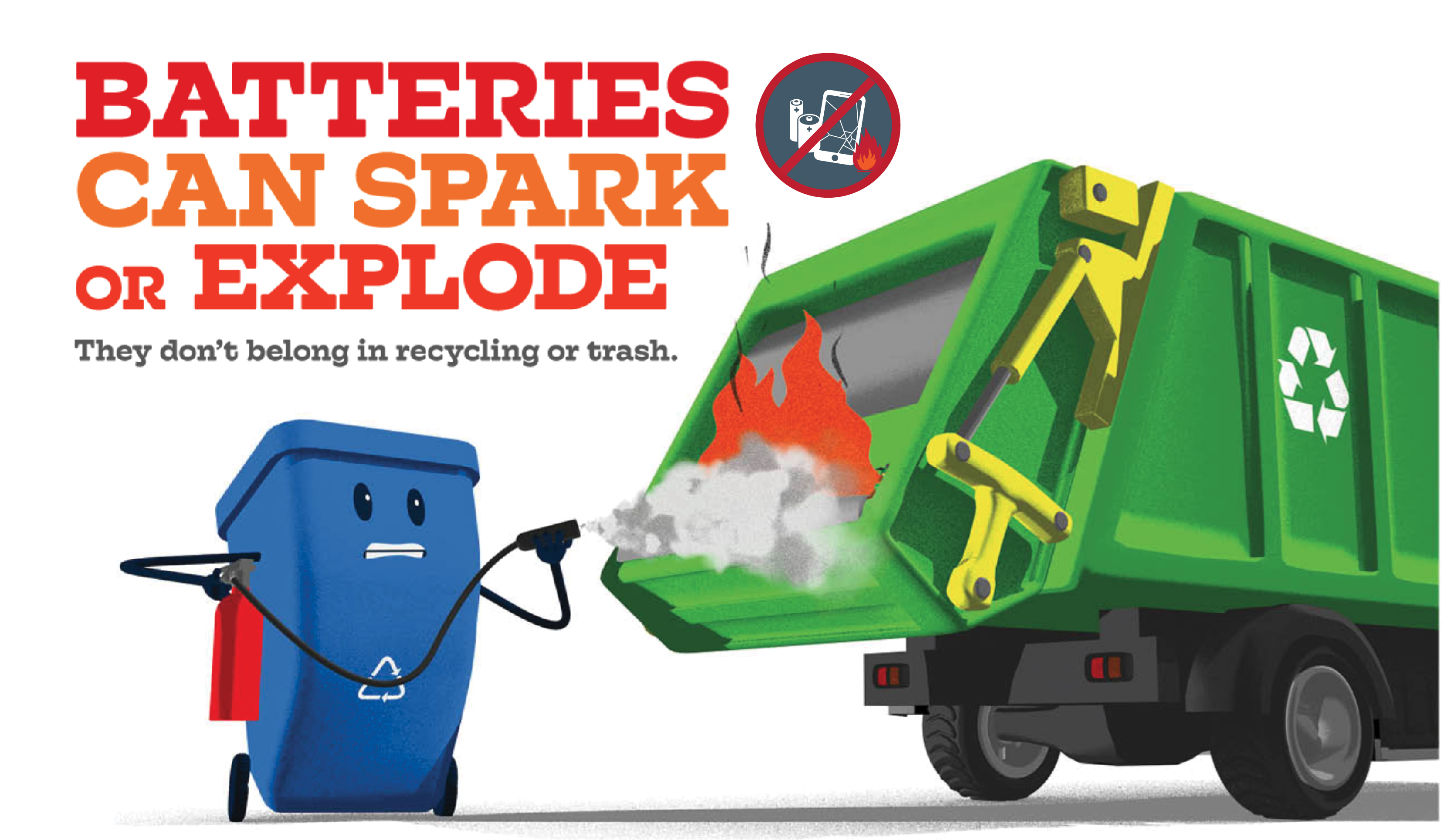
“Safe disposal” means you keep yourself safe, protect the environment, and follow the law. With car batteries, that means recycling. Lead-acid batteries are almost 100% recyclable. The lead, plastic, and acid all get reused. When you recycle, you prevent acid leaks, heavy metal pollution, and fires in trash trucks and landfills.
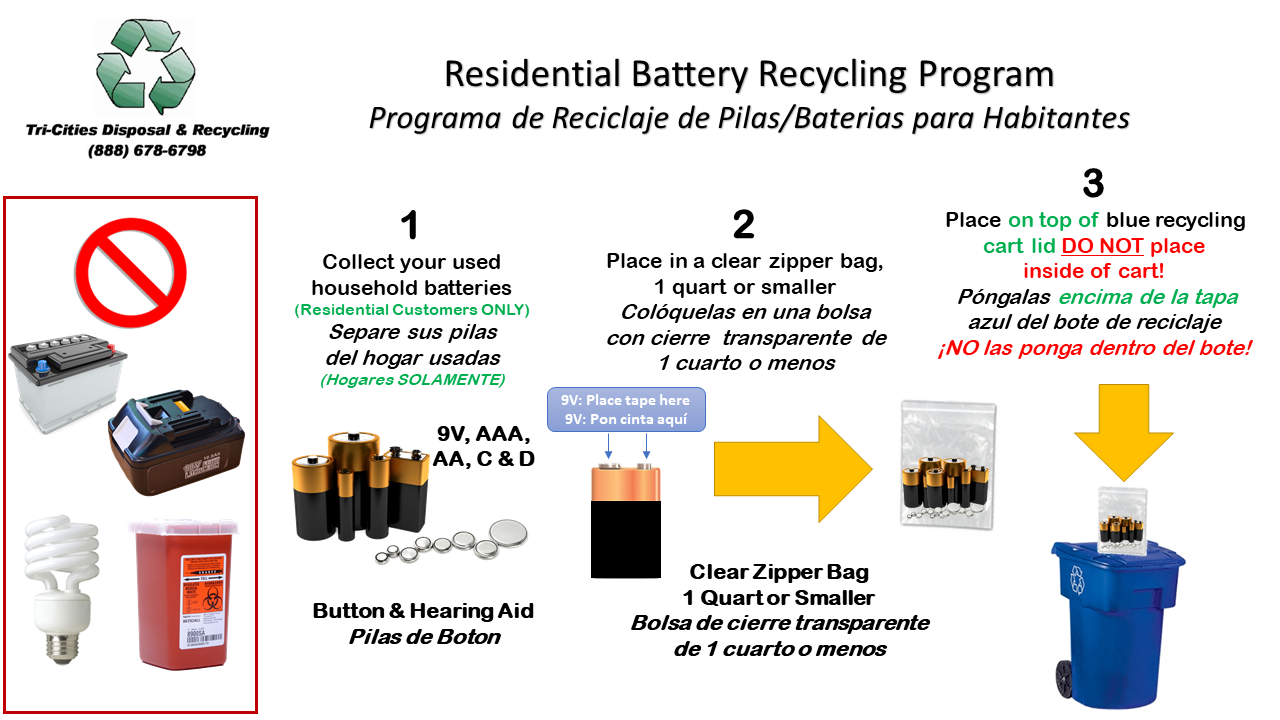
- It’s illegal in many states to toss car batteries in household trash.
- Recycling centers follow strict rules to handle acid and lead.
- You may get money back with a core refund when you return an old battery.
Is Your Battery Really Done? Quick Checks Before You Recycle
Before you remove and recycle the battery, check if it can be saved. Sometimes the battery is fine and the problem is the alternator, a loose cable, or a drain. A two-minute test can tell you a lot. If it is still healthy, you can charge it and keep driving.
Fast Symptom Check
Use these signs to spot a dying battery versus other issues. This quick list helps you decide your next step in minutes.
- Slow crank, then rapid clicking: Often a weak battery.
- Dash lights flicker, radio resets: Low voltage from a battery near the end.
- Engine dies while driving: Likely alternator or charging issue, not the battery.
- Corrosion on terminals: Can block power. Clean and test again.
- No crank at all, even with jump: Could be starter, cable, or seized engine.
Test with a Multimeter (2-Minute Voltage Test)
Grab a digital multimeter. This quick test checks battery health at rest. You can do it in your driveway in under two minutes.
- Turn off the car and lights. Wait 5 minutes.
- Set the meter to DC volts (20V range).
- Touch red probe to positive (+), black to negative (−).
- Read the voltage and compare it to the chart below.
| Open-Circuit Voltage | State of Charge | What It Means | Next Step |
|---|---|---|---|
| 12.6–12.8V | 100% | Battery is full | Test alternator if you still have issues |
| 12.4–12.5V | 75–85% | Good but not full | Recharge and retest |
| 12.2–12.3V | 50–60% | Low charge | Charge overnight; check for drains |
| 12.0–12.1V | 25–35% | Very low | Slow charge; battery may be aging |
| Below 11.9V | < 20% | Deeply discharged | Try a smart charger; if it won’t hold charge, recycle |
Simple Load Check Without Special Tools
This quick check mimics a light load. It is not perfect like a shop load test, but it helps. It shows if voltage collapses when you hit the starter.

- Watch the meter while a helper cranks the engine for 3–5 seconds.
- If voltage dips below ~9.6V at 70°F, the battery is likely weak.
- If it stays above 10V but still won’t start, check cables and starter.
If your battery fails these checks and is over 4–6 years old, it’s time. Move on to safe removal and recycling.
Tools and Safety Gear You Need
You do not need a shop to remove and recycle a battery. A few low-cost tools make it safe and easy. Set everything out before you start.

- Gloves and eye protection
- 8–13mm socket or wrench (most clamps)
- Battery terminal puller (optional, helps with stuck clamps)
- Baking soda and water (neutralize acid/corrosion)
- Wire brush or battery terminal cleaner
- Rags or paper towels
- Multimeter (for voltage check)
- Memory saver (optional) to keep radio presets
- Plastic caps or tape for the posts after removal
- Sturdy box or plastic bin to transport upright
Step-by-Step: Remove a Car Battery Safely
Removing a battery is simple, but you must do it in the right order. The key is to prevent sparks and avoid a short. Follow these steps exactly for a smooth, safe swap.
- Park on level ground. Turn the engine off. Set the parking brake. Open the hood.
- Wear gloves and eye protection. Keep metal jewelry away from the battery.
- Find the battery. Note the positive (+) and negative (−) posts. Take a photo so you remember cable positions.
- Disconnect the negative (−) cable first. Loosen the clamp and wiggle it off. Tuck it aside so it cannot spring back.
- Disconnect the positive (+) cable. Do not let your wrench touch metal body parts while on the positive post.
- Remove the hold-down bracket. It may be a strap or a small bar at the base.
- Lift the battery straight up using the handle. It is heavy. Lift with your legs, not your back.
- Cover the battery posts with caps or tape to prevent shorts during transport.
- Set the old battery in a sturdy box, upright, so it cannot tip or leak.
- Inspect the tray and cables. Clean white/blue buildup with a baking soda and water mix. Dry it well.
Tip: Always remove negative first and install it last. That order reduces the chance of a short if your wrench touches metal.
Keep Radio and ECU Settings (Optional)
Some vehicles lose presets after a disconnect. A memory saver can keep low power to the car while you swap. This helps avoid reprogramming windows and radios.
- Plug a memory saver into the OBD-II port or a 12V outlet that stays live with the key off.
- Make sure doors stay closed during the swap. Dome lights drain the saver.
- Do the swap quickly and cleanly.
Neutralize Small Acid Spills and Corrosion
Corrosion on posts looks white or green. It blocks power and eats metal. Clean it now, so your new battery makes solid contact and lasts longer.
- Mix one tablespoon of baking soda in one cup of water.
- Brush the mix on crusty areas. It will fizz as it neutralizes acid.
- Rinse with a damp rag. Dry fully. Use a terminal brush until shiny metal shows.
- Lightly coat terminals with dielectric grease or petroleum jelly to slow future corrosion.
How to Dispose Battery Safely: Car, Motorcycle, and Small Batteries
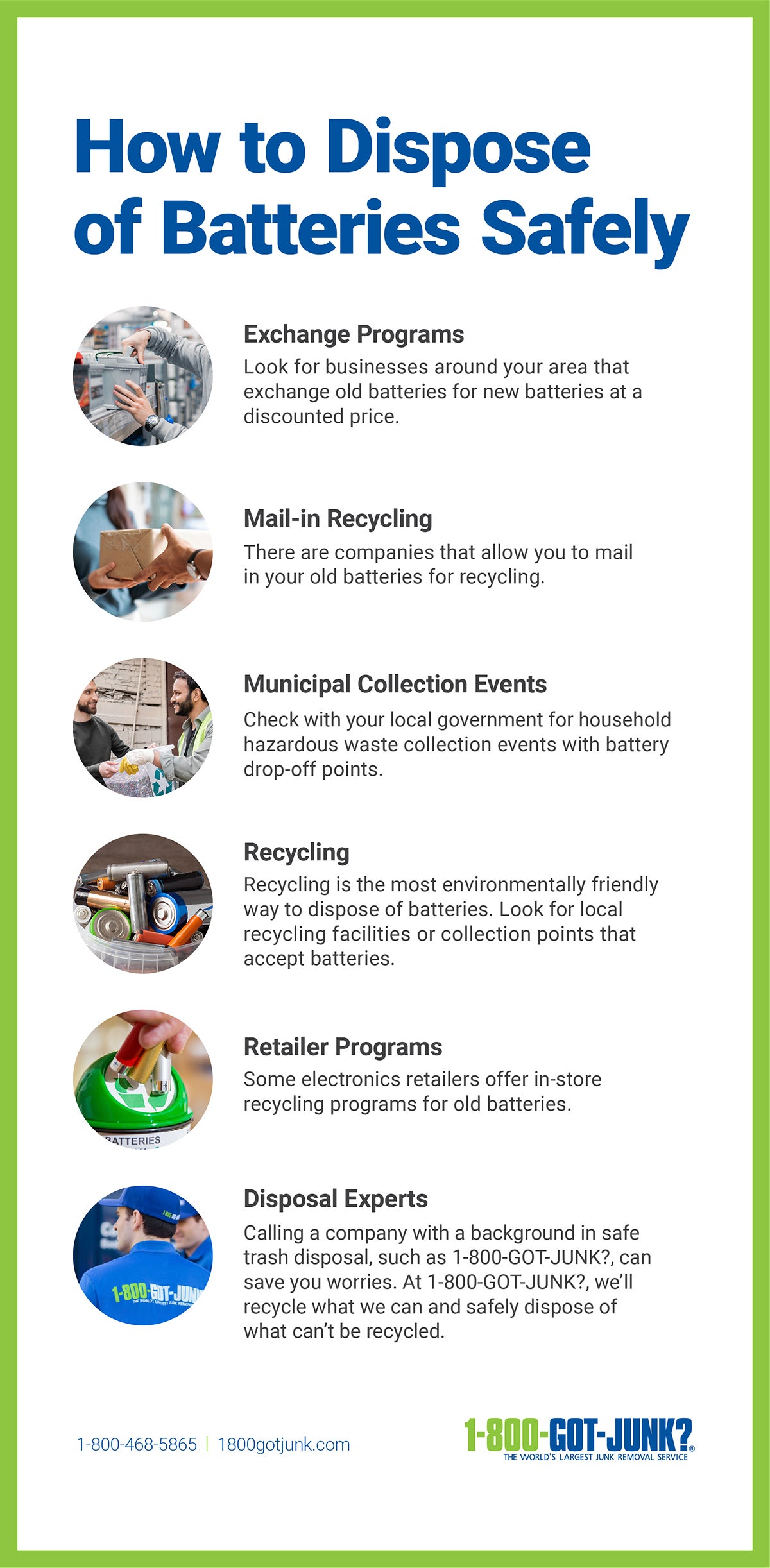
Recycling is the only right way. Most auto parts stores take car and motorcycle batteries for free. Many give a core refund. Small household batteries have their own rules. Use this plan to handle each type the safe way.
- Confirm the type: Lead-acid (flooded, AGM, gel), lithium-ion, or nickel-metal hydride.
- For car and motorcycle batteries: Bring them to an auto parts store or a hazardous waste center.
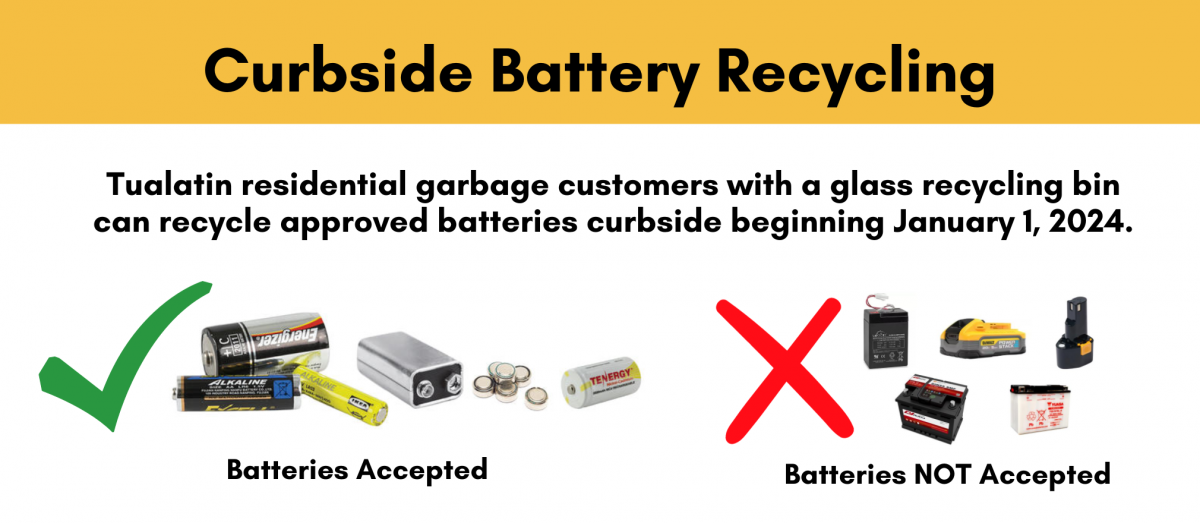
- For small lithium or alkaline cells: Use a local recycling program or a hazardous waste event.
- Transport upright, in a sturdy box. Keep terminals covered. Do not stack loose batteries.
- At the counter, ask about a core refund when you buy a new battery.
- Keep your receipt if your state offers recycling credits.
| Battery Type | Where to Take It | Cost to You | Notes |
|---|---|---|---|
| Car/Truck Lead-Acid (Flooded/AGM) | Auto parts stores, service centers, hazardous waste facilities | Usually free; often core refund | Most states require recycling; nearly all stores accept them |
| Motorcycle/ATV Lead-Acid | Auto parts stores or bike shops | Free or small fee; core refund common | Handle like car batteries; smaller but still hazardous |
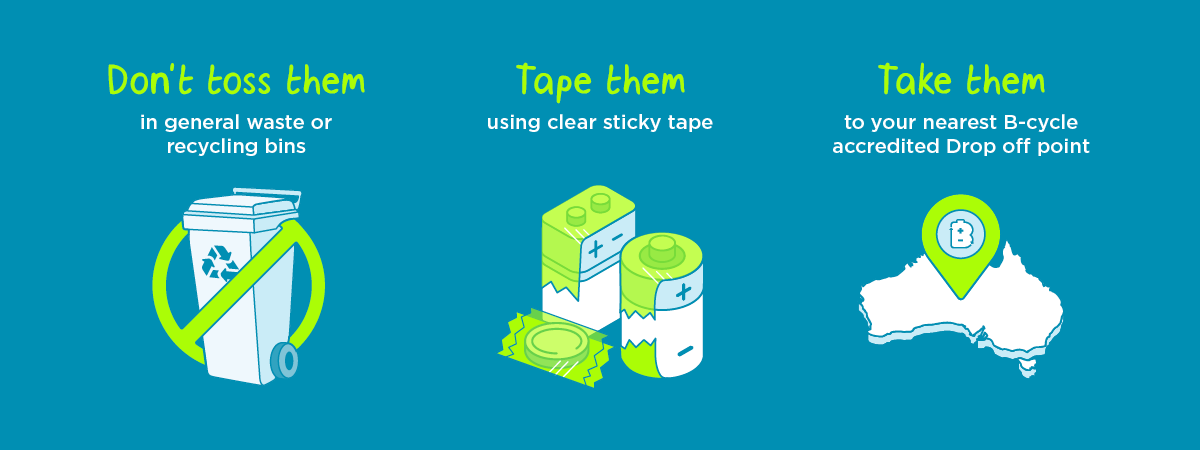
| Small Lithium (18650, tool packs) | Hazardous waste event or approved collection site | Often free | Tape both terminals; do not crush or puncture |
| Alkaline (AA/AAA) | Municipal guidance varies | Usually trash-safe in many places | Local rules differ; recycling preferred if offered |
| Hybrid/EV High-Voltage | Dealer or certified recycler | Handled by professionals | Do not DIY; high voltage is dangerous |
Where to Take a Used Battery in the USA
You have several easy, nearby options. Most are free. Some offer money back for the core. Call ahead to confirm hours and ask about current core values.
- Auto parts stores: Most national chains accept old batteries and give core refunds with purchase.
- Service centers and tire shops: Many accept batteries even if you are not buying service.
- Municipal hazardous waste events: Check your city calendar for monthly or quarterly drop-offs.
- Recycling centers that handle lead-acid: Many county sites list these.
- Roadside help programs: Some, as explained by AAA, offer battery testing and recycling when you replace on-site.
- Environmental guidance: See federal guidance from the EPA on battery recycling to find safe, legal options near you.
According to Consumer Reports, lead-acid batteries are among the most recycled products in the U.S., so returning yours is simple. You can also ask your local dealer how they process returns when buying a new OEM battery.
Costs, Core Charges, and Refunds
Many states use a “core charge.” It is a deposit you pay when you buy a new battery. When you bring back the old one, you get your deposit back. It encourages safe returns and keeps batteries out of landfills.
- Core charge range: Often $10–$25, depending on state and retailer.
- Refund timing: Instant when you return the old battery with your receipt.
- No old battery? You still pay the core, but you can return later for the refund.
- Some stores buy used batteries outright. Ask about current prices.
What You Should Never Do with a Battery
These actions are unsafe, illegal in many places, and harmful to people and the planet. Avoid them at all costs. Stick to recycling and proper transport.
- Do not throw any car battery in the trash or curbside bin.
- Do not drain acid or open the case. Acid burns skin and eyes.
- Do not store a battery on its side or upside down.
- Do not place metal tools across both terminals (it can arc and explode).
- Do not charge a frozen battery (it can crack or explode).
- Do not transport a battery loose in the trunk where it can tip or short.
Special Battery Types and Extra Rules
Not all batteries are the same. Lead-acid is most common in cars, but you might have AGM, gel, lithium, or even high-voltage hybrid/EV packs. Treat each with the right steps to stay safe.
AGM and Gel Lead-Acid
AGM and gel batteries are sealed. They still contain lead and acidic material. Handle like a standard battery. The same recycling rules apply. Many modern cars and start-stop systems use AGM.
- Charge with an AGM-compatible smart charger.
- Recycle at the same places as flooded batteries.
- Core refunds apply to AGM in most stores.
Lithium-Ion Starter Batteries
Some motorcycles and performance cars use lithium starter batteries. These do not go in standard lead-acid recycling bins. Treat them as hazardous and tape the terminals to prevent shorts.
- Use municipal hazardous waste or approved e-waste centers.
- Tape both terminals and place each battery in an individual bag or box.
- Never crush, puncture, or burn lithium batteries.
Hybrid and EV High-Voltage Packs
High-voltage packs store huge energy. They can cause severe injury or death if mishandled. Leave removal and transport to trained technicians. Most dealers and certified recyclers have programs for these packs.
- Do not open or attempt to repair high-voltage packs at home.
- Follow recall or recycling instructions from your dealer.
- Check federal safety guidance from agencies like NHTSA for EV battery safety updates.
Cold, Heat, and Driving Habits: Why Batteries Fail Early
Extreme weather and short trips wear batteries down. Cold slows the chemical reaction. Heat speeds it up and evaporates fluids. Both shorten life. How you drive matters too.
- Cold climates: Batteries lose cranking power. Keep them fully charged before winter.
- Hot climates: Heat ages batteries fast. Test voltage each oil change.
- Short trips: The alternator may not recharge fully. Use a smart charger monthly.
After You Recycle: Install and Register the New Battery
Modern cars track battery health in software. Some need a reset or “registration” after a swap, especially European models and start-stop systems. This helps the charging system match the new battery.
- Verify size and specs: Group size, CCA, and technology (flooded vs AGM).
- Clean clamps and tray. Remove all corrosion.
- Place the new battery. Install the hold-down snug, not crushing the case.
- Connect positive (+) first, then negative (−) last.
- Coat clamps lightly with dielectric grease.
- Start the engine. Check charging voltage (13.8–14.7V is typical).
- Register the battery if your car requires it (scan tool or dealer service).
Troubleshooting After a New Battery
If problems remain after a new battery, the cause may be wiring, alternator, or a parasitic draw. This table helps you zero in fast and fix the real problem.
| Symptom | Likely Cause | Quick Fix |
|---|---|---|
| Battery dies overnight | Parasitic draw (light stuck on, bad module) | Pull fuses one by one to locate draw; repair or replace the bad circuit |
| Dash battery light on while driving | Alternator not charging, loose belt, bad regulator | Test charging voltage; inspect belt; replace alternator if needed |
| Car cranks slow but tests at 12.6V | Corroded clamps or bad ground cable | Clean terminals; inspect and replace damaged cables |
| Radio presets lost after swap | No memory saver used | Re-enter presets; use a memory saver next time |
| No crank, single click | Weak battery or failing starter solenoid | Load test battery; if good, test starter circuit |
Legal and Environmental Facts You Should Know
Lead-acid car batteries are among the most recycled consumer products in the U.S. Many states ban disposal in the trash. Recycling keeps toxic lead out of soil and water and recovers valuable materials.
- Recycling rates for lead-acid are extremely high in the U.S.
- Most states require retailers to accept returns or charge core deposits.
- EPA guidance supports recycling to avoid hazardous waste violations.
- Fines can apply for illegal dumping or improper disposal.
DIY Checklist: How to Dispose Battery Safely (Print-Friendly)
Use this fast checklist to keep nearby as you work. It turns a big job into a few safe, simple steps you can trust every time.
- Test voltage and confirm the battery is done.
- Gather gear: gloves, glasses, wrench, baking soda, rags, box.
- Park, shut down, set brake. Open hood.
- Negative off first, positive off second. Remove hold-down.
- Cover posts. Lift with both hands. Place upright in a box.
- Clean tray and clamps. Neutralize corrosion.
- Take to auto parts store or hazardous waste center.
- Ask about core refund. Keep your receipt.
- Install the new battery. Positive first, negative last.
- Check charging voltage. Register battery if required.
Beginner FAQ: Safe Battery Disposal and Replacement
Can I throw a car battery in the trash?
No. It is illegal in many places and dangerous. Always recycle at an auto parts store or hazardous waste center.
How do I transport a used battery safely?
Keep it upright in a sturdy box. Cover the posts with caps or tape. Do not place metal objects on top. Drive straight to a recycler.
What is a core charge?
It is a refundable deposit you pay when you buy a new battery. Bring back the old battery with your receipt to get your money back.
Will a dead battery come back to life if I charge it?
Sometimes. If it is only discharged, a slow charge can help. If it will not hold charge or is very old, replace and recycle it.
How do I know if my alternator is bad?
With the engine running, check voltage at the battery. 13.8–14.7V is normal. Below that, the alternator may not be charging.
What do I do with a swollen or leaking battery?
Wear protection. Do not try to charge it. Place it in a plastic bin, keep it upright, and take it to a recycler or hazardous waste site at once.
Can I recycle lithium and lead-acid together?
No. Keep them separate. Tape lithium battery terminals. Use the right drop-off for each type.
Conclusion
Safe battery disposal is simple. Test your battery. Remove it the right way. Transport it upright with covered posts. Take it to a recycler or auto parts store and ask about a core refund. By following this plan, you stay safe, follow the law, and protect the environment. Ready to go? Check your voltage, grab your gloves, and recycle that old battery today.