A baby car seat cover is designed to protect infants from harsh weather, UV rays, wind, and germs while in their car seat. It also helps maintain privacy and comfort during travel, making outings safer and more soothing for newborns and young babies.
Quick Answers to Common Questions
Tip/Question?
Can I use a regular blanket instead of a car seat cover?
It’s not recommended. Regular blankets can slip, bunch up, or interfere with the harness. A dedicated car seat cover is designed to stay in place and allow safe airflow.
Tip/Question?
How often should I wash the car seat cover?
Wash it every 1–2 weeks, or immediately if it gets soiled. Regular cleaning prevents bacteria and allergen buildup.
Tip/Question?
Is it safe to use a cover in hot weather?
Yes, if it’s made of breathable, lightweight fabric. Avoid thick, insulated covers in summer to prevent overheating.
Tip/Question?
Can a car seat cover be used on a stroller?
Some multi-use covers are designed for both car seats and strollers. Check the product description to confirm compatibility.
Tip/Question?
Do car seat covers expire?
Not typically, but inspect them regularly for wear and tear. Replace if fabric is frayed, zippers are broken, or insulation is damaged.
What Is the Purpose of a Baby Car Seat Cover?
If you’re a new parent, you’ve probably seen those soft, cozy covers draped over baby car seats—especially during winter walks or sunny outings. But what exactly is the purpose of a baby car seat cover? Is it just for style, or does it serve a real function?
In this guide, we’ll explore the many benefits of baby car seat covers, how to use them safely, and what to look for when choosing one. Whether you’re braving a snowy morning school drop-off or protecting your newborn from summer sun, understanding the role of a car seat cover can make your life easier—and your baby safer.
By the end of this article, you’ll know exactly why these covers are more than just a cute accessory. You’ll learn how they protect your baby from the elements, support better sleep, and help maintain a clean, comfortable environment—all while keeping safety as the top priority.
Protecting Your Baby from the Elements
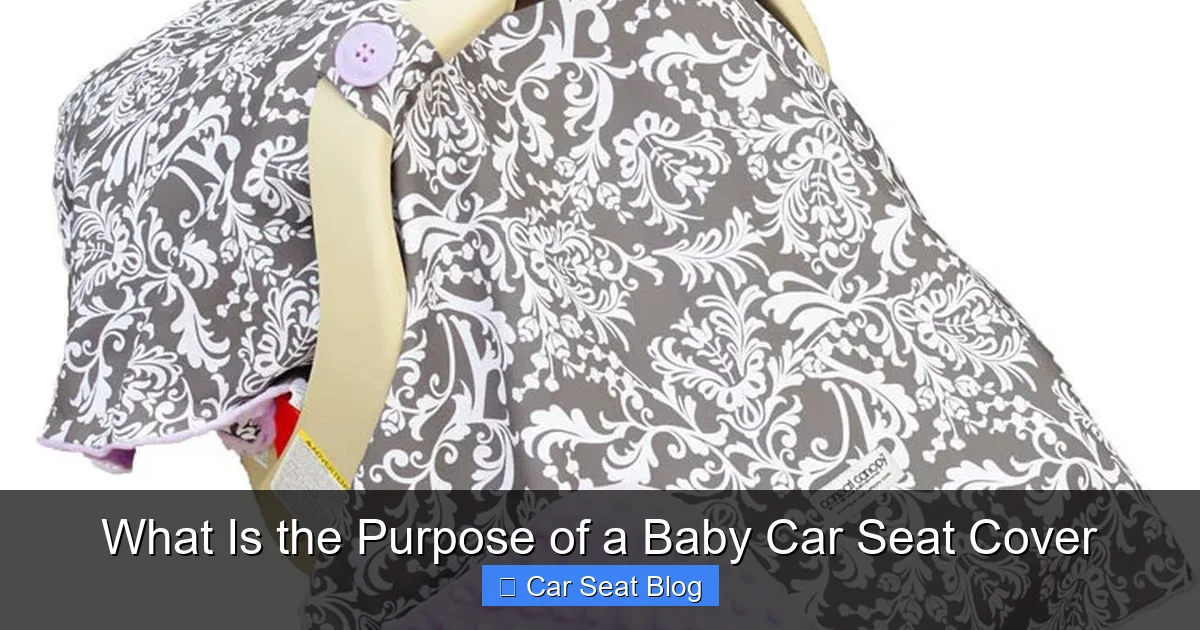
Visual guide about What Is the Purpose of a Baby Car Seat Cover
Image source: hongbobaby.com
One of the primary purposes of a baby car seat cover is to shield your infant from harsh weather conditions. Babies, especially newborns, have delicate skin and underdeveloped immune systems, making them more vulnerable to temperature extremes.
Shielding from Cold and Wind
In colder months, a car seat cover acts like a cozy blanket, trapping warmth around your baby. Without protection, cold air can seep into the car seat, making your little one uncomfortable or even at risk of hypothermia. A well-insulated cover helps maintain a stable, warm microclimate.
For example, many parents use fleece-lined or weather-resistant covers during winter. These materials block wind and snow while allowing breathability. Just remember: never place a thick blanket *under* the baby in the car seat, as it can compress during a crash and reduce harness effectiveness. Instead, use the cover *over* the secured baby.
Blocking Sun and UV Rays
On sunny days, direct sunlight through car windows can quickly raise the temperature inside a car seat. This can lead to overheating, which is dangerous for infants. A car seat cover with UV protection helps block harmful rays and keeps the seat cooler.
Look for covers made from lightweight, breathable fabrics like cotton or mesh with UPF (Ultraviolet Protection Factor) ratings. These materials allow airflow while filtering out the sun’s intensity. This is especially important during long drives or when parking in direct sunlight.
Guarding Against Rain and Snow
Sudden rain or snow can soak a baby’s clothes and make them cold and fussy. A waterproof or water-resistant car seat cover prevents moisture from reaching your child. Many covers come with hooded designs that extend over the top of the car seat, creating a mini shelter.
This feature is especially useful when transferring your baby from the car to a stroller or indoors. You can keep them dry and cozy without fumbling with multiple blankets or umbrellas.
Enhancing Comfort and Sleep
Babies sleep a lot—and they sleep best in quiet, dark, and calm environments. A car seat cover can help create that ideal setting, even when you’re on the go.
Reducing Visual Stimulation
Bright lights, moving cars, and bustling streets can overstimulate a baby, making it hard for them to nap. A cover drapes over the car seat, creating a soft, dim space that mimics the womb. This helps signal to your baby that it’s time to rest.
Many parents notice their babies fall asleep faster and sleep longer when using a cover. The gentle pressure and enclosed feeling can be soothing, especially for newborns adjusting to life outside the womb.
Minimizing Noise and Distractions
While a cover won’t block all sound, it can reduce background noise and visual distractions. This is helpful in busy areas like parking lots, shopping centers, or crowded streets. A quieter environment means less chance of your baby waking up startled.
Some covers are designed with extra padding or sound-dampening materials, though most rely on fabric density and fit to create a calming space.
Promoting Hygiene and Germ Protection
Public spaces are full of germs—especially during cold and flu season. A baby car seat cover acts as a barrier between your child and potential contaminants.
Reducing Exposure to Dirt and Bacteria
When you’re out and about, your car seat can pick up dust, pollen, pet dander, and other allergens. A cover helps keep the seat clean and reduces the amount of debris that reaches your baby’s face and hands.
This is especially important for infants under three months, whose immune systems are still developing. A clean cover means fewer irritants and a lower risk of respiratory issues or skin reactions.
Easy to Clean and Maintain
Most baby car seat covers are machine washable, making them easy to keep fresh. After a trip to the park or a rainy day out, simply remove the cover and toss it in the wash. This helps prevent the buildup of bacteria, mold, or odors.
Choose covers with removable, washable liners for added convenience. Avoid covers with excessive embellishments or non-washable parts, as these can be harder to clean thoroughly.
Ensuring Safety: What to Watch For
While car seat covers offer many benefits, safety must always come first. Improper use can pose risks, especially if the cover interferes with the car seat’s function or your baby’s breathing.
Never Block the Airway
One of the biggest concerns with car seat covers is suffocation risk. Never use a cover that fully encloses the baby’s head or face without proper ventilation. Always choose designs with breathable fabrics and openings that allow airflow.
The American Academy of Pediatrics (AAP) recommends that babies sleep on their backs with no loose bedding or covers that could obstruct breathing. While car seat covers are not sleep environments, the same principle applies—ensure your baby can breathe easily at all times.
Don’t Interfere with the Harness
The car seat harness must fit snugly against your baby’s body to be effective in a crash. Never place thick blankets or covers *under* the harness straps. Instead, secure your baby first, then drape the cover over them.
Some covers are designed with zippers or openings that let you access the harness without removing the entire cover. These are ideal for quick adjustments while keeping your baby warm.
Check for Secure Fit
A loose or ill-fitting cover can shift during travel, potentially covering your baby’s face or getting tangled in the car seat mechanisms. Choose a cover that fits snugly over your specific car seat model.
Many brands offer universal fits, but it’s best to check compatibility. Look for elastic edges, snap closures, or adjustable straps that keep the cover in place.
Choosing the Right Baby Car Seat Cover
With so many options on the market, how do you pick the best one? Here’s what to consider when shopping for a baby car seat cover.
Material Matters
– Winter Covers: Look for fleece, wool, or insulated fabrics that retain heat.
– Summer Covers: Choose lightweight cotton, bamboo, or mesh for breathability.
– All-Season Options: Some covers come with removable liners or dual-layer designs for year-round use.
Avoid synthetic materials that trap heat or cause sweating. Natural fibers are usually safer and more comfortable.
Design Features
– Zipper Access: Allows you to check on your baby or adjust clothing without removing the cover.
– Hood or Canopy: Provides extra shade and wind protection.
– Reflective Strips: Improve visibility during nighttime walks.
– Multi-Use Functionality: Some covers double as stroller blankets, nursing covers, or play mats.
Ease of Use
A good cover should be easy to put on and take off. Look for designs that don’t require complicated folding or tucking. Quick-dry fabrics and compact storage bags are also helpful for busy parents.
Troubleshooting Common Issues
Even the best covers can present challenges. Here’s how to solve common problems.
Baby Overheating
If your baby feels hot or sweaty under the cover, the material may not be breathable enough. Switch to a lighter fabric or open the zipper slightly for ventilation. Always monitor your baby’s temperature during long trips.
Cover Slipping Off
A loose cover can be annoying and unsafe. Try a model with elastic edges or adjustable straps. You can also use car seat-safe clips (not duct tape!) to secure it temporarily.
Difficulty Accessing the Baby
If the cover makes it hard to check on your baby, choose one with a front zipper or side opening. This lets you peek in or adjust clothing without removing the entire cover.
Conclusion
The purpose of a baby car seat cover goes far beyond aesthetics. It’s a practical, safety-conscious tool that protects your infant from weather, germs, and overstimulation while promoting comfort and better sleep. When used correctly, a high-quality cover can make outings smoother and more enjoyable for both you and your baby.
Remember: always prioritize safety by choosing breathable, well-fitting covers that don’t interfere with the car seat harness. Look for versatile, easy-to-clean designs that suit your lifestyle and climate.
With the right cover, you can give your baby a cozy, protected space—no matter where your journey takes you.

