
Cleaning your car seat cover doesn’t have to be a chore. This guide shows you how to clean car seat cover fast and easy using household items and simple techniques. Whether you have fabric, leather, or vinyl seats, we’ve got you covered.
Key Takeaways
- Act fast on spills: The sooner you treat a stain, the easier it is to remove—don’t let dirt set in.
- Know your material: Fabric, leather, and vinyl each need different cleaning methods to avoid damage.
- Use the right tools: A soft brush, microfiber cloth, and vacuum with attachments make cleaning faster and safer.
- DIY cleaners work wonders: Mix vinegar, baking soda, or dish soap with water for effective, affordable solutions.
- Protect after cleaning: Apply a fabric protector or leather conditioner to keep seats looking new longer.
- Regular maintenance matters: Quick weekly cleanups prevent buildup and extend the life of your seat covers.
- Test cleaners first: Always spot-test any cleaner on a hidden area to avoid discoloration or damage.
How to Clean Car Seat Cover Fast and Easy
Keeping your car’s interior fresh and clean starts with the seats. Whether you’re dealing with coffee spills, muddy paw prints, or just everyday dust, knowing how to clean car seat cover fast and easy can save you time, money, and stress. In this guide, we’ll walk you through simple, effective methods for cleaning fabric, leather, and vinyl seat covers—using tools you probably already have at home.
No fancy equipment or expensive products needed. Just follow these step-by-step instructions, and you’ll have spotless, fresh-smelling seats in under 30 minutes. Let’s get started!
Why Cleaning Your Car Seat Cover Matters
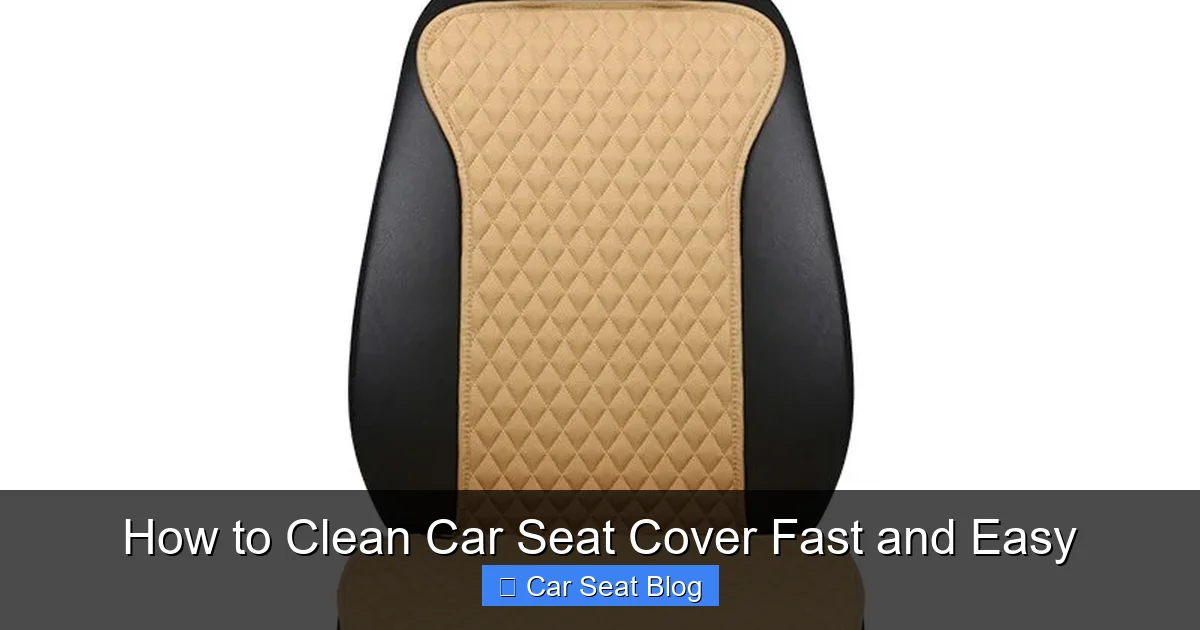
Visual guide about How to Clean Car Seat Cover Fast and Easy
Image source: images.nexusapp.co
Car seats take a beating. They’re exposed to sweat, food crumbs, pet hair, sunscreen, and more. Over time, dirt and oils build up, leading to stains, odors, and even wear and tear. A dirty seat cover doesn’t just look bad—it can also harbor bacteria and allergens.
Regular cleaning helps:
– Maintain your car’s resale value
– Improve air quality inside the vehicle
– Prevent long-term damage to materials
– Keep your ride feeling clean and inviting
Plus, a quick clean takes less time than you think. With the right approach, you can keep your seats looking like new for years.
What You’ll Need
Before you start, gather these basic supplies. Most are already in your cleaning cabinet:
- Vacuum cleaner with upholstery attachment
- Microfiber cloths (at least 2–3)
- Soft-bristle brush (like a toothbrush or detailing brush)
- Spray bottle
- Mild dish soap
- White vinegar
- Baking soda
- Warm water
- Optional: fabric cleaner, leather conditioner, or vinyl protectant
For tougher jobs, you might also use a handheld steam cleaner or a portable carpet cleaner, but these aren’t required for most cleaning tasks.
Step 1: Remove Loose Debris
Before applying any liquid, start by removing loose dirt, crumbs, and pet hair. This prevents grinding debris into the fabric during cleaning.
Vacuum Thoroughly
Use your vacuum’s upholstery attachment to go over the entire seat. Focus on crevices, seams, and under the cushions. Don’t forget the back of the seat and headrest.
Shake Out Seat Covers (If Removable)
If your seat covers are removable, take them off and give them a good shake outside. This helps dislodge embedded dirt.
Use a Brush for Stubborn Hair
For pet hair or lint, use a rubber glove or a lint roller. Rub your hand over the seat—static will lift hair right off.
Step 2: Identify Your Seat Material
Not all seat covers are the same. Using the wrong cleaner can damage the material. Here’s how to tell what you’re working with:
- Fabric: Soft, textured, and often gray or beige. Common in economy cars.
- Leather: Smooth, shiny, and cool to the touch. May have a slight sheen.
- Vinyl (Faux Leather): Similar look to leather but feels slightly plasticky and is more water-resistant.
If you’re unsure, check your car’s manual or look up your vehicle model online. When in doubt, treat it as fabric—it’s the safest option.
Step 3: Clean Fabric Seat Covers
Fabric seats are the most common and easiest to clean with DIY methods.
Make a Simple Cleaning Solution
Mix 1 cup of warm water, 1 tablespoon of mild dish soap, and 1 tablespoon of white vinegar in a spray bottle. Shake gently.
Spray and Scrub
Lightly spray the solution onto the seat. Don’t soak it—just dampen the surface. Use a soft brush to gently scrub in circular motions. Focus on stained or dirty areas.
Blot, Don’t Rub
Use a clean microfiber cloth to blot the area. Rubbing can push stains deeper. Repeat until the stain lifts.
Tackle Tough Stains with Baking Soda
For stubborn stains like coffee or grease, make a paste with baking soda and a little water. Apply it to the stain, let it sit for 10–15 minutes, then scrub and blot.
Rinse and Dry
Dampen a clean cloth with plain water and wipe the area to remove soap residue. Let the seat air dry completely before using the car. Crack a window or use a fan to speed up drying.
Step 4: Clean Leather Seat Covers
Leather needs gentle care to avoid cracking or fading.
Wipe Down with a Damp Cloth
Start by wiping the seat with a microfiber cloth slightly dampened with water. This removes surface dust.
Use a Leather-Safe Cleaner
Mix 1 part white vinegar with 2 parts water. Lightly spray on the seat and wipe with a soft cloth. Avoid soaking the leather.
Spot Clean Stains
For sticky residue or ink, dip a cotton swab in rubbing alcohol and gently dab the stain. Don’t scrub—alcohol can dry out leather.
Condition After Cleaning
Once the seat is dry, apply a small amount of leather conditioner with a clean cloth. This restores moisture and prevents cracking. Buff gently for a soft shine.
Step 5: Clean Vinyl (Faux Leather) Seat Covers
Vinyl is durable and water-resistant, making it easy to clean.
Wipe with Soapy Water
Mix a few drops of dish soap in a bowl of warm water. Dip a microfiber cloth in the solution, wring it out well, and wipe the seat.
Scrub Gently
Use a soft brush for textured vinyl or hard-to-reach areas. Avoid abrasive scrubbers that can scratch the surface.
Rinse and Dry
Wipe the seat with a clean, damp cloth to remove soap. Dry immediately with a dry microfiber cloth to prevent water spots.
Optional: Apply Vinyl Protectant
Use a vinyl protectant spray to add shine and UV protection. This helps prevent fading and cracking over time.
Step 6: Deodorize Your Seats
Even clean seats can hold odors. Here’s how to freshen them up:
Sprinkle Baking Soda
After cleaning, sprinkle baking soda over the seats. Let it sit for 15–30 minutes to absorb odors.
Vacuum It Up
Use the vacuum attachment to remove the baking soda. For strong smells, leave it overnight.
Use a Natural Freshener
Mix water with a few drops of essential oil (like lemon or lavender) in a spray bottle. Lightly mist the air—don’t spray directly on seats.
Step 7: Protect Your Seats
Cleaning is only half the battle. Protecting your seats helps them stay clean longer.
Apply Fabric Protector
For fabric seats, use a fabric protector spray after cleaning. It creates a barrier against spills and stains.
Use Seat Covers
Consider using washable seat covers. They’re easy to remove and clean, and they protect your original upholstery.
Keep Cleaning Supplies in the Car
Store a small kit with wipes, a microfiber cloth, and a travel-sized cleaner. Quick touch-ups prevent big messes.
Troubleshooting Common Problems
Stains Won’t Come Out?
Try a commercial upholstery cleaner or a mixture of hydrogen peroxide and dish soap (test first). For old stains, you may need to repeat the process.
Leather Looks Dull?
It might need conditioning. Apply leather conditioner and buff with a soft cloth. Avoid silicone-based products—they can build up.
Seats Still Smell Bad?
The odor might be in the padding. Use an enzyme-based odor eliminator spray designed for cars. Let it sit and dry completely.
Water Stains on Fabric?
Blot with a dry cloth, then sprinkle cornstarch to absorb moisture. Vacuum after 30 minutes.
How Often Should You Clean Your Seat Covers?
For most people, a quick clean every 2–4 weeks is enough. Deep clean every 3–6 months, or after a big spill.
If you have kids, pets, or commute daily, clean more often. Regular maintenance prevents buildup and keeps your car looking great.
Final Tips for Success
- Always test cleaners on a small, hidden area first.
- Never use bleach or ammonia—they can damage materials.
- Avoid over-wetting fabric seats; excess moisture can cause mold.
- Work in small sections to ensure even cleaning.
- Let seats dry completely before driving or covering.
Conclusion
Learning how to clean car seat cover fast and easy doesn’t require special skills or expensive tools. With a few simple steps, you can keep your car’s interior fresh, clean, and comfortable. Whether you’re dealing with fabric, leather, or vinyl, the right approach makes all the difference.
Regular cleaning not only improves appearance but also extends the life of your seats. So grab your supplies, follow this guide, and enjoy a spotless ride. Your car—and your passengers—will thank you!
🎥 Related Video: How To Clean Fabric Car Seats #cleaning #carcleaning #shorts
📺 Clean That Up