Do Car Seat Covers Work with Heated Seats Find Out Now

Yes, car seat covers can work with heated seats, but only if they’re made from heat-conductive materials and properly installed. Choosing the right cover ensures you stay warm and safe without damaging your seat’s heating system.
Quick Answers to Common Questions
Tip/Question?
Can I use leather seat covers with heated seats?
Yes, but only if they’re perforated or thin. Solid, non-breathable leather can trap heat and reduce effectiveness. Look for “ventilated” or “heated-seat compatible” leather covers.
Tip/Question?
Do seat covers void my car’s warranty?
Possibly. Some manufacturers warn against using non-approved accessories. Check your owner’s manual or contact the dealer before installing any cover.
Tip/Question?
How long should I wait before using heated seats after installing a new cover?
Test immediately—but start at a low setting. Wait 10–15 minutes to ensure even heating and no unusual smells or hot spots.
Tip/Question?
Are universal seat covers safe for heated seats?
Only if they’re made from thin, flexible materials and fit snugly. Loose universal covers often bunch up and block heat.
Tip/Question?
Can I DIY modify a regular cover for heated seats?
Not recommended. Cutting or thinning a cover can damage its structure and create safety risks. Always use purpose-built heated-seat covers.
Do Car Seat Covers Work with Heated Seats? Find Out Now
If you’ve ever slid into a cold car on a frosty morning, you know the bliss of flipping on your heated seats. But what happens when you want to protect those same seats with stylish or durable covers? Can you have both comfort and protection? The short answer is yes—car seat covers can work with heated seats, but only if you choose wisely and install them correctly.
In this complete guide, we’ll walk you through everything you need to know about using seat covers with heated seats. You’ll learn how to pick the right material, install covers safely, test for performance, and avoid common pitfalls. Whether you drive a compact sedan or a rugged SUV, this guide will help you keep your seats warm, clean, and in top condition all year round.
Why Heated Seats Need Special Considerations
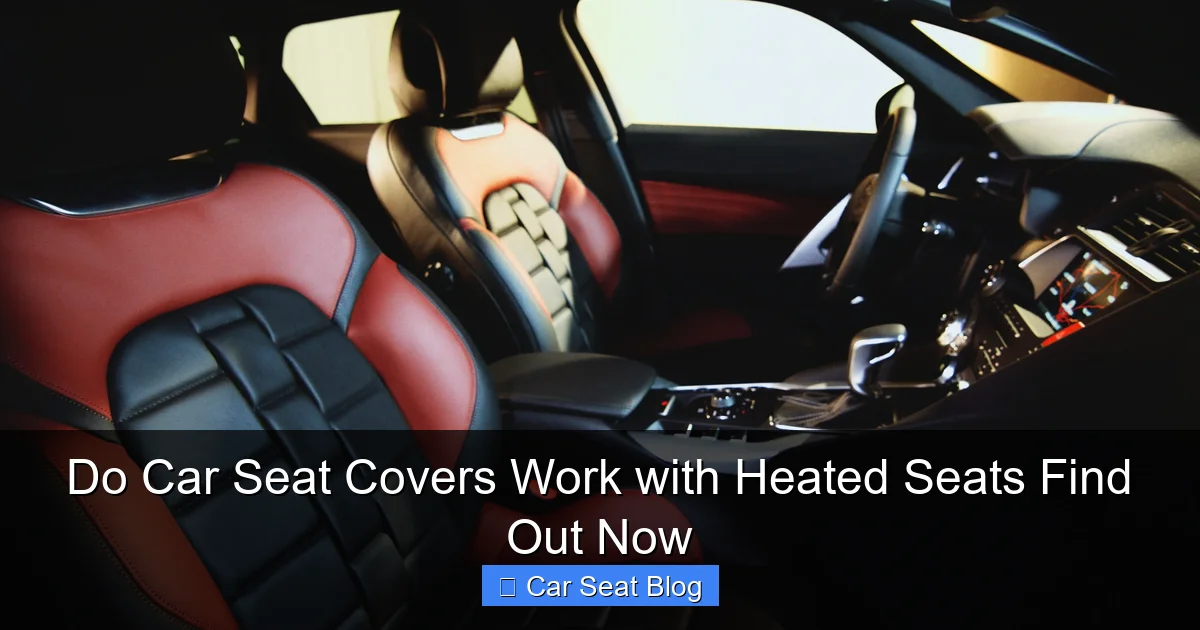
Visual guide about Do Car Seat Covers Work with Heated Seats Find Out Now
Image source: wetokole.com
Heated seats use electric heating elements embedded beneath the seat upholstery. When you turn them on, these elements warm up and transfer heat directly to your body through the seat surface. However, adding a seat cover creates an extra layer between you and the heating element—which can interfere with heat transfer if the cover isn’t designed properly.
Thick, insulated, or non-breathable materials act like a blanket, trapping heat beneath the cover instead of letting it reach you. In worst-case scenarios, this trapped heat can overheat the heating elements, potentially damaging them or even posing a fire risk (though rare). That’s why it’s crucial to use seat covers specifically made for heated seats.
How to Choose the Right Seat Cover for Heated Seats
Not all seat covers are created equal—especially when it comes to compatibility with heated seats. Here’s what to look for:
1. Look for “Heated Seat Safe” Labels
Reputable manufacturers often label their products as “compatible with heated seats” or “heat-safe.” These covers are engineered to allow heat to pass through without resistance. Always check product descriptions or packaging for this certification.
2. Prioritize Thin, Breathable Materials
Materials like mesh, lightweight neoprene, polyester, or spandex blends are ideal because they’re thin and allow heat to transfer efficiently. Avoid thick fabrics like heavy wool, faux fur, or dense canvas—they insulate too much and block warmth.
For example, a breathable mesh cover might feel slightly cooler at first, but it will warm up quickly and distribute heat evenly. In contrast, a plush sheepskin cover may feel cozy initially but could take much longer to heat up—or not heat up at all.
3. Avoid Metal Components and Thick Padding
Some seat covers come with metal hooks, buckles, or reinforced stitching. These can interfere with the heating elements or create hot spots. Similarly, extra foam padding (common in luxury or orthopedic covers) adds insulation that blocks heat.
Stick to soft, flexible covers with minimal hardware. If your cover has straps or clips, make sure they’re plastic and positioned away from the main heating zones (usually the seat base and lower back).
4. Check Fit and Coverage
A loose or oversized cover can bunch up, creating air pockets that prevent direct contact with the seat. This not only reduces heating efficiency but can also cause uneven wear on the original upholstery.
Opt for custom-fit or semi-custom covers designed for your vehicle’s make and model. These hug the contours of your seat, ensuring consistent contact with the heating elements.
Step-by-Step: Installing Seat Covers on Heated Seats
Proper installation is just as important as material choice. Follow these steps to ensure your seat covers work seamlessly with your heated seats:
Step 1: Clean Your Seats First
Before installing any cover, vacuum and wipe down your seats to remove dust, crumbs, and debris. Dirt trapped under the cover can reduce heat transfer and cause odors over time.
Step 2: Position the Cover Correctly
Lay the cover over the seat and align it with the seat’s shape. Make sure openings for headrests, seat belts, and armrests line up perfectly. For bucket seats, ensure the cover doesn’t obstruct side airbags (if applicable).
Step 3: Secure All Straps and Clips
Use the included straps, hooks, or elastic bands to fasten the cover tightly. Pull snugly but don’t over-tighten—this can warp the seat or damage the heating elements. Tuck excess fabric neatly beneath the seat to prevent bunching.
Step 4: Test the Fit Before Use
Sit in the seat and adjust the cover if needed. It should feel smooth and wrinkle-free. If you notice loose areas or bulges, re-secure the straps.
Step 5: Turn On the Heated Seats
With the cover installed, turn on your heated seats at medium or high setting. Wait 10–15 minutes and check for even warmth across the seat surface. If certain areas feel cold or overly hot, remove the cover and inspect for obstructions or poor contact.
Testing and Troubleshooting Common Issues
Even with the right cover, problems can arise. Here’s how to diagnose and fix common issues:
Problem: Seat Doesn’t Get Warm
- Cause: Thick or insulating material blocking heat.
- Solution: Switch to a thinner, heat-compatible cover. Avoid double-layered or padded designs.
Problem: Hot Spots or Uneven Heating
- Cause: Bunched fabric or metal components creating resistance.
- Solution: Reinstall the cover smoothly, ensuring no folds or metal parts touch the seat surface.
Problem: Cover Slips or Shifts
- Cause: Poor fit or weak straps.
- Solution: Upgrade to a custom-fit cover with reinforced anchors. Use non-slip liners underneath if needed.
Problem: Faint Burning Smell
- Cause: Overheating due to trapped heat or incompatible material.
- Solution: Turn off heated seats immediately. Remove the cover and let the seat cool. Never use the heater again until you’ve confirmed the cover is safe.
Maintaining Your Seat Covers and Heated Seats
To keep both your covers and heated seats functioning well:
– Clean regularly: Follow the manufacturer’s cleaning instructions. Most fabric covers can be spot-cleaned or machine-washed on gentle cycles.
– Avoid harsh chemicals: Bleach or strong detergents can degrade materials and reduce heat conductivity.
– Inspect for wear: Check for tears, thinning fabric, or loose stitching. Damaged covers can expose heating elements or create insulation gaps.
– Store properly: If removing covers seasonally, fold them neatly and store in a dry place to prevent mold or mildew.
Final Thoughts: Yes, You Can Have Both Warmth and Protection
Using seat covers with heated seats isn’t just possible—it’s practical and smart. With the right product and proper installation, you can enjoy the luxury of heated seats while keeping your car’s interior protected from spills, pet hair, and everyday wear.
Remember: compatibility, material, and fit are the three pillars of success. Skip the guesswork by choosing covers labeled for heated seats, and always test them before relying on them during cold weather.
By following this guide, you’ll stay cozy, safe, and stylish—no matter how low the temperature drops outside.