
Winter baby car seat covers can help keep your infant cozy, but safety comes first. This guide explains when they’re helpful, how to use them properly, and what to avoid to ensure your child stays safe and warm during cold-weather travel.
Quick Answers to Common Questions
Can I use a regular blanket instead of a car seat cover?
No—never place a blanket under the harness. You can drape a thin blanket over the secured straps, but avoid thick or bulky materials that could compress in a crash.
Is it safe to leave a car seat cover on while driving?
Only if it’s designed to stay on and doesn’t block the harness. Many parents remove the cover once the car is warm to prevent overheating.
Do all car seat covers work with all car seats?
No. Always check compatibility. Some covers are made for specific models, while others are universal. Measure your seat and read reviews.
Can a car seat cover cause overheating?
Yes, especially in mild weather or heated cars. Monitor your baby’s temperature and remove the cover if they seem too warm.
Are there winter car seat covers that are machine washable?
Many are—look for removable, washable liners. Check the care label and wash regularly to keep your baby comfortable and hygienic.
Do I Need a Baby Car Seat Cover for Winter Safety?
As temperatures drop, parents naturally want to keep their babies warm and comfortable—especially during car rides. But when it comes to winter travel, the question isn’t just about comfort. It’s about safety. Many parents wonder: *Do I need a baby car seat cover for winter safety?* The short answer is: maybe—but only if used correctly.
In this guide, you’ll learn what baby car seat covers are, when they’re safe to use, how to choose the right one, and what alternatives exist to keep your little one cozy without compromising safety. We’ll also cover common mistakes to avoid and share practical tips from pediatricians and car safety experts. By the end, you’ll know exactly how to protect your baby from the cold—without putting them at risk.
Why Winter Car Safety Matters
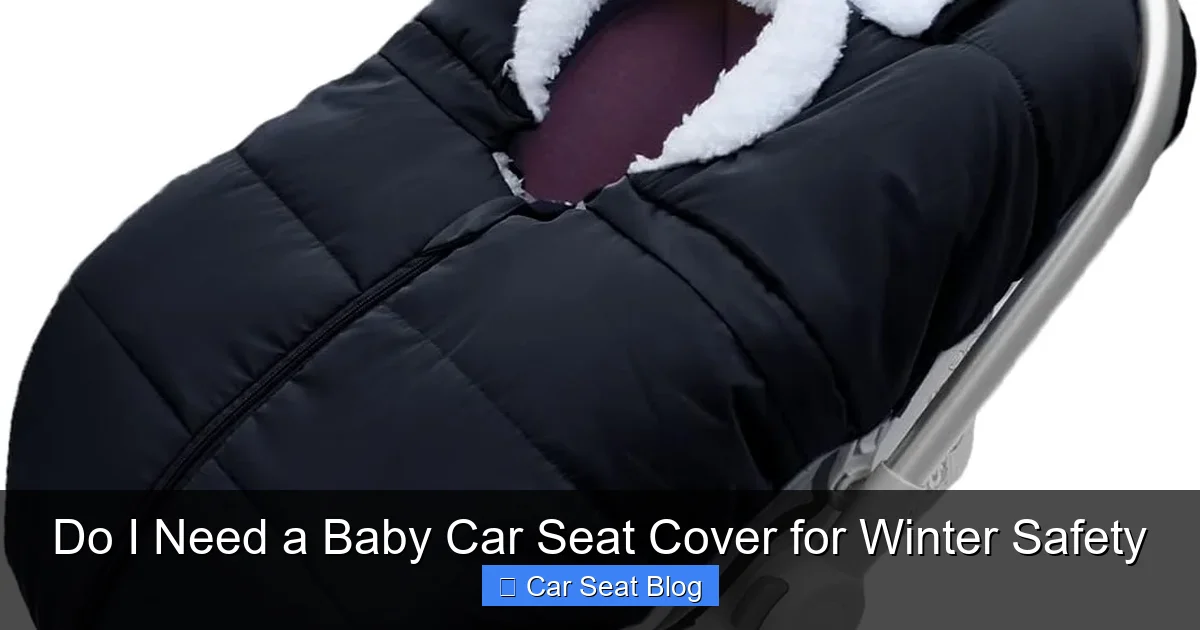
Visual guide about Do I Need a Baby Car Seat Cover for Winter Safety
Image source: m.media-amazon.com
Cold weather brings unique challenges for infant travel. Babies lose body heat faster than adults, and their tiny bodies can’t regulate temperature as effectively. At the same time, car seats are designed to protect children in crashes—and bulky clothing or improper accessories can reduce that protection.
According to the American Academy of Pediatrics (AAP), wearing thick coats or blankets under a car seat harness can create dangerous slack. In a collision, the padding compresses, causing the harness to loosen and increasing the risk of ejection or injury. That’s why understanding how to balance warmth and safety is critical.
What Is a Baby Car Seat Cover?
A baby car seat cover is a protective layer that fits over or around an infant car seat to shield the baby from wind, snow, and cold air. They come in various styles:
– Canopy-style covers: Stretch over the top of the car seat like a dome, often with a zipper or Velcro opening.
– Footmuff-style covers: Attach to the seat and wrap around the baby’s legs and torso, leaving the harness exposed.
– Weather shields: Clear plastic or fabric covers that protect from rain and wind while allowing visibility.
Some are designed to go *over* the harness (safe), while others go *under* it (unsafe). The key is knowing the difference.
Types of Covers: Safe vs. Unsafe
Safe covers: These are made to fit over the secured harness straps. They don’t interfere with the tightness or positioning of the straps. Look for covers labeled “harness-safe” or “crash-tested.”
Unsafe covers: Thick blankets, bunting bags, or covers that go under the harness can compress in a crash, creating dangerous slack. Even some marketed “car seat covers” are unsafe if they require you to unbuckle or loosen the harness.
When Should You Use a Baby Car Seat Cover?
A car seat cover can be helpful in certain situations—but only when used correctly.
Short Trips in Cold Weather
If you’re making a quick stop at the store or school drop-off in freezing temperatures, a safe cover can help keep your baby warm during the short exposure. Just remember: the cover should go *over* the harness, not under it.
Wind, Snow, or Rain Protection
If you’re walking from the house to the car in a snowstorm, a weather shield can protect your baby from wind chill and moisture. Again, ensure the harness remains snug and unobstructed.
Indoor-to-Car Transitions
Babies can get cold quickly when moving from a warm house to a chilly car. A lightweight canopy cover can act as a barrier during this transition—just remove it once you’re ready to drive.
How to Use a Baby Car Seat Cover Safely
Using a cover the right way is just as important as choosing the right one. Follow these steps to keep your baby safe and warm.
Step 1: Dress Baby in Thin, Fitted Layers
Start with a base layer like a thermal onesie or cotton bodysuit. Add a thin fleece sleeper or footed pajamas. Avoid bulky coats, puffy jackets, or thick sweaters under the harness. These can compress in a crash and loosen the straps.
Step 2: Secure the Harness Properly
Buckle your baby into the car seat with the harness snug. You should not be able to pinch any webbing at the shoulder. The chest clip should be at armpit level.
Step 3: Add the Cover Over the Harness
Only after the baby is securely buckled should you add the cover. Place it over the top of the car seat, ensuring the harness straps remain visible and unobstructed. Never tuck the cover under the baby or between the harness and their body.
Step 4: Monitor Temperature and Comfort
Check your baby regularly. If they’re sweating, fussy, or their skin feels hot, remove the cover. Overheating is a risk, especially in enclosed car seats.
Step 5: Remove Before Driving (If Needed)
Some parents prefer to remove the cover once inside the car and the heater is on. This reduces overheating risk and ensures maximum safety.
What to Look for in a Safe Car Seat Cover
Not all covers are created equal. Here’s how to choose one that’s both warm and safe.
Crash-Tested and Approved
Look for covers that have been tested for safety. Some brands, like JJ Cole, 7 A.M. Enfant, and Summer Infant, design covers that meet safety standards. Check the packaging or website for crash-test information.
Harness-Friendly Design
The cover should have openings or zippers that allow the harness straps to remain exposed and properly positioned. Avoid covers that require you to unbuckle or loosen the straps.
Breathable, Lightweight Fabric
Choose materials like fleece, softshell, or breathable polyester. Avoid heavy, non-breathable fabrics that trap heat.
Easy to Remove
In case of overheating or emergency, you should be able to remove the cover quickly without disturbing the harness.
Compatibility with Your Car Seat
Not all covers fit all car seats. Measure your seat and check the manufacturer’s recommendations. Some covers are universal; others are model-specific.
Common Mistakes to Avoid
Even well-meaning parents can make safety errors. Here are the most common pitfalls.
Using a Blanket Under the Harness
This is the #1 mistake. A thick blanket under the straps can compress in a crash, creating dangerous slack. Always place blankets *over* the harness—never under.
Choosing a Cover That Blocks the Harness
If you can’t see or adjust the harness straps, the cover is unsafe. The straps must remain visible and snug at all times.
Leaving Baby Unattended with a Cover On
Never leave your baby alone in a car seat with a cover, especially in warm weather. Overheating can occur quickly.
Ignoring Manufacturer Warnings
Some car seat brands, like Chicco and Britax, explicitly prohibit certain accessories. Always check your car seat manual before using a cover.
Troubleshooting Common Issues
My Baby Still Gets Cold
Try layering thin clothing and using a footmuff-style cover. Pre-warm the car for a few minutes before placing baby inside. Avoid idling for long periods due to carbon monoxide risks.
The Cover Doesn’t Fit My Car Seat
Look for adjustable or universal-fit covers. Some brands offer sizing guides or compatibility charts.
Baby Seems Overheated
Remove the cover immediately. Dress in lighter layers and ensure proper ventilation. Use a fan or cracked window if safe to do so.
Harness Feels Loose After Adding Cover
This means the cover is interfering. Remove it and re-buckle the harness. Only use covers that don’t affect strap tension.
Alternatives to Car Seat Covers
If you’re unsure about using a cover, consider these safer alternatives.
Pre-Warm the Car
Start your car a few minutes before leaving to warm the interior. Use a remote starter if available.
Use a Heated Car Seat Pad (With Caution)
Some heated pads are designed for infant use, but check with your pediatrician first. Never use adult heating pads.
Bundling After the Ride
Keep a warm blanket in the car to wrap your baby in once you reach your destination.
Thermal Car Seat Liners (If Approved)
Some thin, non-compressible liners are safe if they don’t interfere with the harness. Always verify with the manufacturer.
Final Thoughts: Is a Baby Car Seat Cover Right for You?
So, do you need a baby car seat cover for winter safety? The answer depends on your climate, travel habits, and the type of cover you choose.
A well-designed, harness-safe cover can be a helpful tool for short winter trips—but it should never compromise the integrity of the car seat harness. Always prioritize safety over warmth, and when in doubt, consult your pediatrician or a certified child passenger safety technician (CPST).
Remember: the best way to keep your baby safe is to follow the car seat manufacturer’s guidelines, dress in thin layers, and use accessories only when they’re proven safe. With the right approach, you can keep your little one cozy and protected all winter long.