Car seat covers range from $20 to over $300, depending on material, brand, and features. This guide breaks down pricing, types, and value so you can decide if it’s a smart buy for your vehicle.
Quick Answers to Common Questions
Tip/Question?
Can I install a seat cover myself?
Yes! Most covers are designed for DIY installation and take 15–30 minutes. Just follow the instructions and secure all straps.
Tip/Question?
Do seat covers work with heated seats?
Yes, but choose a thin, breathable material like neoprene or mesh. Thick covers can block heat transfer.
Tip/Question?
Are leather seat covers worth the extra cost?
They look great and last long, but require regular cleaning and conditioning. Faux leather is a lower-maintenance alternative.
Tip/Question?
How often should I wash my seat cover?
Every 1–2 months for light use, or weekly if you have pets or kids. Check the care label for washing instructions.
Tip/Question?
Can seat covers damage my original seats?
Rarely, but cheap covers with rough backing or poor fit can cause friction. Choose soft, non-abrasive materials and install properly.
How Much Is a Car Seat Cover and Is It Worth the Investment?
If you’ve ever spilled coffee on your car seat or watched pet hair embed itself into the fabric, you’ve probably wondered: How much is a car seat cover, and is it really worth buying one? The short answer? Car seat covers range from budget-friendly to premium, and yes—they can be a smart investment. But the real value depends on your needs, vehicle, and how you use your car.
In this guide, we’ll walk you through everything you need to know about car seat cover pricing, types, installation, and long-term benefits. By the end, you’ll be able to confidently choose the right cover for your car—and your wallet.
Understanding Car Seat Cover Pricing
Car seat covers aren’t one-size-fits-all—and neither are their prices. The cost varies widely based on several factors, including material, fit, brand, and added features. Here’s a breakdown of what you can expect to pay:
Budget Options: $20–$50
These are usually universal-fit covers made from basic polyester or cotton blends. They’re great for temporary use or light protection. While affordable, they may not stay in place well and can wear out quickly with heavy use.
Mid-Range Covers: $50–$150
This is the sweet spot for most drivers. You’ll find neoprene, faux leather, and high-quality fabric covers that offer better durability, water resistance, and a more tailored look. Many include non-slip backing and are machine washable.
Premium and Custom-Fit Covers: $150–$300+
These are designed specifically for your car’s make and model. Made from materials like genuine leather, ballistic nylon, or premium neoprene, they offer superior protection, comfort, and aesthetics. Some even include heating or cooling elements.
Factors That Affect the Price of a Car Seat Cover
Not all seat covers are created equal. Here’s what drives the cost—and what you’re really paying for.
1. Material Quality
The material is the biggest factor in pricing. Here’s a quick comparison:
- Polyester/Cotton: Cheap and lightweight, but less durable. Best for occasional use.
- Neoprene: Waterproof, stretchy, and great for wet conditions. Popular with outdoor enthusiasts.
- Faux Leather: Looks sleek, easy to clean, and more affordable than real leather.
- Genuine Leather: Luxurious feel and long-lasting, but requires maintenance and costs more.
- Ballistic Nylon: Extremely tough and resistant to tears—ideal for work vehicles or pets.
2. Fit and Design
Universal covers are cheaper but often don’t fit snugly. Custom-fit covers are molded to your seat’s exact shape, offering better protection and a factory-like appearance. They’re more expensive but worth it if you want a seamless look.
3. Brand and Warranty
Well-known brands like Coverking, Wet Okole, and CalTrend often charge more due to reputation, customer support, and warranties. A good warranty (1–5 years) can justify a higher price by protecting your investment.
4. Special Features
Look for extras like:
- Waterproof or spill-resistant coatings
- Non-slip backing to prevent shifting
- Airbag compatibility (critical for safety)
- Machine-washable fabric
- Built-in pockets or cup holders
These features add convenience and safety—but also cost.
Step-by-Step: How to Choose the Right Car Seat Cover
Now that you know the price range, let’s walk through how to pick the best cover for your needs.
Step 1: Assess Your Needs
Ask yourself:
- Do you have kids or pets?
- Do you drive in rain, snow, or off-road?
- Is your car’s interior exposed to sun or frequent spills?
- Do you care about aesthetics?
If you answered “yes” to any of these, a durable, easy-to-clean cover is worth the investment.
Step 2: Measure Your Seats
Even if you’re buying a universal cover, knowing your seat dimensions helps. Measure the width, depth, and height of your front and rear seats. This ensures a better fit and avoids frustration during installation.
Step 3: Choose the Right Material
Match the material to your lifestyle:
- Families with kids: Neoprene or waterproof fabric
- Pet owners: Ballistic nylon or heavy-duty polyester
- Commuters: Faux leather for easy cleaning
- Off-roaders or boaters: Neoprene for water and mud resistance
Step 4: Check for Safety Features
Never compromise on safety. Ensure the cover:
- Is compatible with side airbags (look for “airbag-safe” labels)
- Doesn’t interfere with seat belts or LATCH systems
- Has secure straps or hooks to prevent slipping
A poorly installed cover can be a hazard in a crash.
Step 5: Read Reviews and Compare Brands
Check customer reviews on sites like Amazon, AutoZone, or the manufacturer’s website. Look for comments about fit, durability, and ease of cleaning. A $100 cover that lasts 5 years is better value than a $40 one that frays in 6 months.
Installation: How to Put on a Car Seat Cover
Most seat covers are designed for DIY installation. Here’s how to do it right.
Step 1: Remove Headrests (If Needed)
Many covers require you to remove the headrest. Use the release button or lever—usually at the base—to pop it out. Keep the pins or clips safe.
Step 2: Slide the Cover Over the Seat
Start from the top and work your way down. Stretch the material gently to avoid tearing. For custom-fit covers, follow the manufacturer’s instructions—they’re often seat-specific.
Step 3: Secure with Straps and Hooks
Most covers come with elastic straps, hooks, or Velcro. Attach them underneath the seat to keep the cover taut. A loose cover can wrinkle or shift while driving.
Step 4: Reattach Headrests
Once the cover is in place, reinsert the headrest through the designated slot. Make sure it clicks securely.
Step 5: Adjust and Smooth Out Wrinkles
Sit in the seat and adjust the cover for comfort. Smooth out any bunching or loose fabric.
Pro Tip: For leather or neoprene covers, use a hairdryer on low heat to help the material conform to curved seats.
Troubleshooting Common Issues
Even the best covers can have problems. Here’s how to fix them.
Problem: Cover Keeps Slipping
Solution: Check that all straps are secured underneath the seat. Add non-slip seat pads or double-sided tape for extra grip.
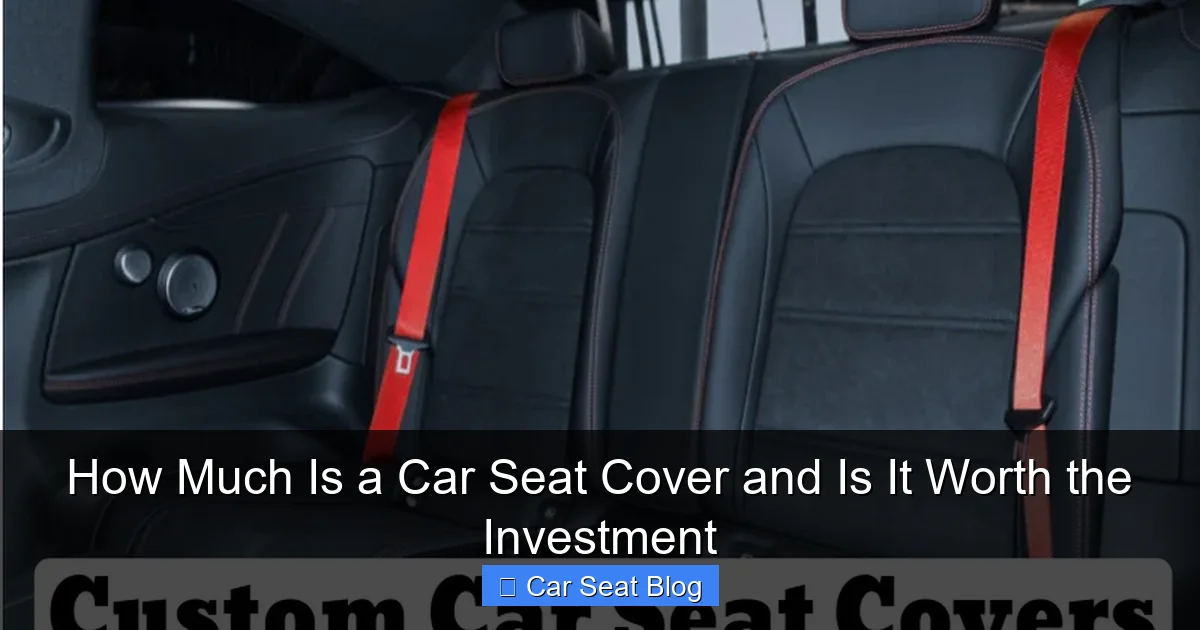
Visual guide about How Much Is a Car Seat Cover and Is It Worth the Investment
Image source: carguideinfo.com
Problem: Wrinkles or Bunching
Solution: Remove the cover and reinstall it more carefully. For stretchy materials like neoprene, a little heat can help it mold to the seat.
Problem: Fading or Staining
Solution: Use UV-protectant sprays for sun exposure. Clean spills immediately with a damp cloth and mild detergent.
Problem: Airbag Warning Light Comes On
Solution: This means the cover is interfering with the airbag sensor. Remove the cover and ensure it’s labeled “airbag-safe.” Reinstall carefully, following the manual.
Is a Car Seat Cover Worth the Investment?
Now for the big question: Is it worth it? The answer is—yes, for most people.
Here’s why:
Protects Your Resale Value
Original upholstery in good condition can increase your car’s resale value by hundreds of dollars. A seat cover shields against stains, tears, and sun damage.
Saves Money on Cleaning and Repairs
Professional cleaning or reupholstering can cost $200–$500. A $100 seat cover prevents the need for these expenses.
Improves Comfort and Aesthetics
Many covers add padding, cooling, or a sleek look. Neoprene stays cool in summer; leather adds luxury.
Easy to Replace
When your cover gets worn, just swap it out. You’re not stuck with damaged factory seats.
Great for Pets and Kids
If you transport furry friends or messy toddlers, a washable cover is a lifesaver.
Bottom line: If you plan to keep your car for more than a year, a quality seat cover is a smart, cost-effective upgrade.
Final Thoughts
So, how much is a car seat cover? It depends—but you can find a reliable, well-fitting cover for as little as $50 or invest in a premium set for $200+. The key is matching the cover to your lifestyle, vehicle, and budget.
Don’t just buy the cheapest option. Think long-term. A durable, easy-to-clean cover protects your investment, enhances comfort, and keeps your car looking great for years.
Whether you’re a weekend adventurer, a busy parent, or just want to keep your car clean, a seat cover is more than an accessory—it’s a practical upgrade that pays off.

