Folding a car seat cover properly helps save storage space and keeps your vehicle neat. This guide breaks down the process into three simple steps so you can fold any seat cover quickly and neatly.
Key Takeaways
- Folding saves space: A neatly folded car seat cover takes up less room in your trunk or storage area, making it easier to organize your vehicle.
- Protects the fabric: Proper folding prevents creases, wrinkles, and fabric damage, helping your seat cover last longer.
- Quick and easy process: With the right technique, folding a car seat cover takes less than a minute and requires no special tools.
- Works for all types: Whether you have a universal fit, custom-fit, or leather seat cover, these steps apply to most designs.
- Prevents tangling: Folding correctly avoids straps, buckles, and hooks from getting tangled, saving time when reinstalling.
- Improves portability: A compact fold makes it easier to carry your seat cover when traveling or switching vehicles.
- Maintains appearance: Neat folds help preserve the look of your seat cover, especially if it has patterns or logos you want to keep visible.
How to Fold Car Seat Cover in 3 Easy Steps
Keeping your car interior clean and protected starts with a good seat cover. But once you remove it for washing or storage, the real challenge begins: how do you fold it without creating a tangled mess? Many people toss their seat covers into a bag or shove them under a seat, only to find them wrinkled, knotted, or damaged later. The good news? Folding a car seat cover doesn’t have to be complicated. With the right method, you can fold any seat cover neatly in under a minute.
In this guide, we’ll walk you through a simple, foolproof technique to fold your car seat cover in just three easy steps. Whether you drive a compact sedan, an SUV, or a pickup truck, this method works for most universal and custom-fit seat covers. You’ll learn how to avoid common mistakes, protect your fabric, and keep your storage space organized. By the end, you’ll be able to fold your seat cover like a pro—every time.
Let’s get started.
Step 1: Prepare the Seat Cover for Folding
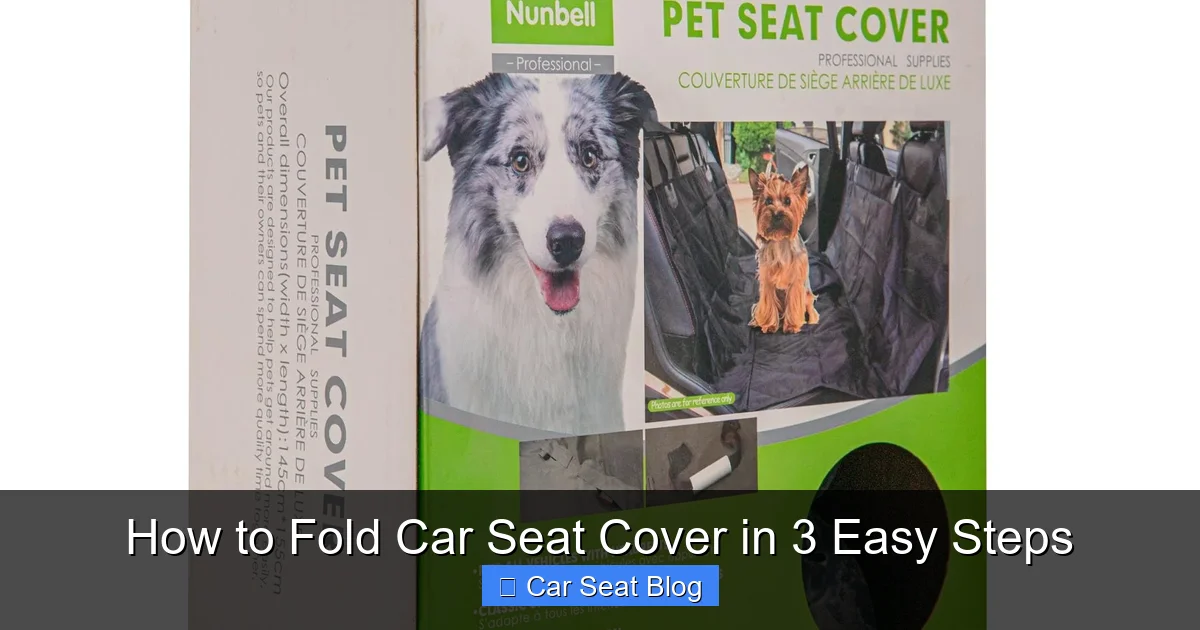
Visual guide about How to Fold Car Seat Cover in 3 Easy Steps
Image source: petexpresseg.com
Before you begin folding, it’s important to prepare the seat cover properly. This step ensures that straps, buckles, and hooks don’t get in the way and that the fabric lies flat.
Remove the Seat Cover Completely
Start by taking the seat cover off your car seat. Make sure it’s fully detached from the seat, including any straps, clips, or elastic bands. If you’re folding it right after cleaning, let it dry completely—folding a damp cover can lead to mold or mildew.
Shake It Out
Hold the seat cover by the headrest area and give it a good shake. This helps remove dust, crumbs, or debris that may have settled in the fabric. A clean cover folds better and stays fresher in storage.
Lay It Flat on a Clean Surface
Find a clean, flat surface like a table, floor, or large towel. Lay the seat cover face-up (the side that touches the seat should be facing down). Smooth out any wrinkles or bumps with your hands. This creates a stable base for folding.
Tuck in Straps and Buckles
Most seat covers come with straps, hooks, or elastic loops that secure them to the seat. These can get tangled if left loose. Gently tuck all straps and buckles toward the center of the cover. If your cover has long straps, fold them inward so they don’t stick out.
Check for Snags or Damage
While the cover is laid out, take a quick look for any tears, loose threads, or worn areas. Addressing small issues now can prevent bigger problems later. If you find a tear, consider patching it before storing.
Step 2: Fold the Seat Cover in Half Lengthwise
Now that your seat cover is prepped, it’s time to start folding. The goal here is to reduce the width of the cover so it’s easier to manage.
Align the Edges
Start by folding one side of the seat cover toward the center. Bring the outer edge (usually the side with the seam or stitching) to meet the center line of the cover. Make sure the fabric lies flat and the edges are aligned.
Fold the Other Side Over
Next, fold the opposite side over the first fold. You should now have a long, narrow strip that’s about one-third the original width. Smooth out any wrinkles as you go.
Adjust for Symmetry
If one side is longer than the other, gently adjust the folds so both sides are even. This helps create a balanced, compact fold. For seat covers with a headrest flap, make sure it’s folded inward and not sticking out.
Press Down Firmly
Once both sides are folded, press down along the fold line with your hands. This helps set the crease and makes the next step easier. You can also run your hands along the entire length to smooth out any bumps.
Step 3: Fold the Seat Cover into a Compact Rectangle
The final step is to fold the long strip into a small, manageable rectangle that’s easy to store or carry.
Fold from the Bottom Up
Start at the bottom edge (the part that covers the seat base) and fold it upward toward the headrest area. Fold it in thirds or halves, depending on the length of your cover. For most covers, folding it into thirds works best.
Match the Edges
As you fold, keep the edges aligned. This prevents the cover from becoming lopsided or bulky. If your cover has a headrest flap, fold it down last so it sits on top.
Secure the Fold (Optional)
If your seat cover came with a storage bag or Velcro straps, use them to keep the fold secure. If not, you can use a rubber band, zip tie, or even a reusable grocery bag to hold it together. Just make sure the fastener isn’t too tight—this can damage the fabric over time.
Store or Transport
Place your neatly folded seat cover in a dry, cool place. Avoid storing it in direct sunlight or damp areas, as this can fade the color or promote mold. If you’re traveling, a folded seat cover fits easily in a suitcase, duffel bag, or the corner of your trunk.
Tips for Folding Different Types of Seat Covers
Not all seat covers are the same. Here’s how to adjust your folding technique based on the type you have.
Universal Fit Seat Covers
These are designed to fit a range of seat sizes and often have extra fabric. When folding, focus on keeping the excess material tidy. Tuck loose flaps inward and avoid creating thick layers that are hard to compress.
Custom-Fit Seat Covers
Made for specific car models, these covers fit snugly and usually have fewer straps. Fold them the same way, but pay extra attention to contours like side bolsters or seat heaters. Smooth out any raised areas before folding.
Leather or Synthetic Leather Covers
These materials can crack or crease if folded too tightly. Use wider folds and avoid sharp creases. Store them in a breathable bag to prevent moisture buildup.
Seat Covers with Headrest Covers
If your cover includes a separate headrest piece, fold it first using the same method. Then place it on top of the main seat cover fold before securing.
Troubleshooting Common Folding Problems
Even with the best technique, you might run into a few issues. Here’s how to solve them.
Straps Keep Coming Loose
If straps won’t stay tucked, try looping them around the folded cover or using a small clip to hold them in place. Alternatively, fold the cover with the straps on the inside.
Cover Won’t Stay Flat
This usually happens if the fabric is stretched or wrinkled. Re-lay the cover flat, smooth it out, and start the fold again. Don’t rush—take your time to align the edges.
Too Bulky to Store
If your folded cover is still too thick, try folding it in half again instead of thirds. Or, remove any extra padding or inserts before folding.
Fabric Creases or Wrinkles
To minimize creasing, avoid folding in the same spot every time. Rotate the fold direction occasionally. For deep wrinkles, lightly steam the cover before folding.
Why Proper Folding Matters
You might be thinking, “It’s just a seat cover—why does folding matter?” The truth is, how you fold and store your seat cover affects its lifespan, appearance, and usability.
A poorly folded cover can develop permanent creases, especially in leather or vinyl materials. Straps and buckles left loose can tangle and break. And a bulky, disorganized fold takes up valuable space in your car or home.
On the other hand, a neatly folded seat cover is easy to store, quick to reinstall, and looks great every time you use it. It also shows that you care about your car’s interior and want to protect your investment.
Plus, if you travel often or switch between vehicles, a compact fold makes transporting your seat cover a breeze. No more wrestling with a tangled mess in the parking lot.
Final Thoughts
Folding a car seat cover doesn’t have to be a hassle. With these three simple steps—prepare, fold lengthwise, and fold into a rectangle—you can keep your seat cover neat, protected, and ready to use. Whether you’re storing it for the season or packing it for a road trip, this method works every time.
Remember to take your time, smooth out wrinkles, and secure the fold if needed. And don’t forget to check for damage or dirt before folding. A little care goes a long way in extending the life of your seat cover.
By following this guide, you’ll save space, reduce clutter, and keep your car looking its best. So the next time you remove your seat cover, don’t just toss it in a corner—fold it right and fold it well.
Your car (and your future self) will thank you.

