Direct answer phrase: The best clay bar features are safe contaminant removal, good flexibility, strong lubrication compatibility, and solid durability. For most vehicles, a fine or medium clay bar offers the best balance of safety and performance.
If you want a cleaner finish with less risk of swirl marks, the top features to look for in a clay bar come down to aggressiveness, flexibility, lubrication behavior, and how safely it removes bonded contaminants. The right choice depends on your paint condition, your detailing experience, and how often you decontaminate the vehicle.
- Match the grade: Fine clay suits maintained paint, while medium or heavy-duty options are for tougher contamination.
- Look for low-marring performance: A good clay bar cleans without forcing extra polishing work.
- Prioritize glide and flexibility: The bar should shape easily and move smoothly with lubricant.
- Check durability: Break-resistance and reusability affect both value and convenience.
- Use safely: Light pressure, proper lubrication, and clean handling protect the clear coat.
This AAutomotives guide is written to help readers understand Top Features to Look for in a Clay Bar with clear, practical advice. Before publishing, review model-specific facts, dates, prices, safety points, and source links so the final article stays accurate and trustworthy.
- What a Clay Bar Does and Why the Right Features Matter in 2025
- Clay Bar Types Explained: Fine, Medium, and Heavy-Duty Options
- Top Performance Features to Look for Before Buying
- Surface Safety Factors: How to Protect Clear Coat and Finish Quality
- Practical Buying Tips: Size, Packaging, and Value for Money
- Common Mistakes That Lead to Paint Damage or Wasted Product
- Expert Guidance on Choosing the Best Clay Bar for Your Detailing Routine
- Final Recap: The Must-Have Clay Bar Features That Deliver the Best Results
What a Clay Bar Does and Why the Right Features Matter in 2025
A clay bar is designed to remove bonded contamination that regular washing cannot fully lift. That includes things like road film, overspray, tree sap residue, industrial fallout, and other embedded grime sitting on the clear coat.
In 2025, paint systems and clear coats are still sensitive to unnecessary abrasion, so the best clay bar is not simply the strongest one. It is the one that removes contamination efficiently while staying controlled, easy to shape, and gentle enough for the finish you are working on.
The wrong bar can leave marring, waste product, or create more polishing work afterward. If you are also reviewing your wash setup, it can help to read about hand washing car best practices and clay bar mistakes to avoid, since prep and technique matter as much as the product itself.
The best clay bar features are safe contaminant removal, good flexibility, strong lubrication compatibility, and enough durability to finish the job without breaking apart. For most daily drivers, a fine or medium clay is the safest place to start.
Clay Bar Types Explained: Fine, Medium, and Heavy-Duty Options
Clay bars are usually grouped by aggressiveness. Fine clay is the gentlest, medium clay balances cleaning power and safety, and heavy-duty clay is built for stubborn contamination on neglected surfaces.
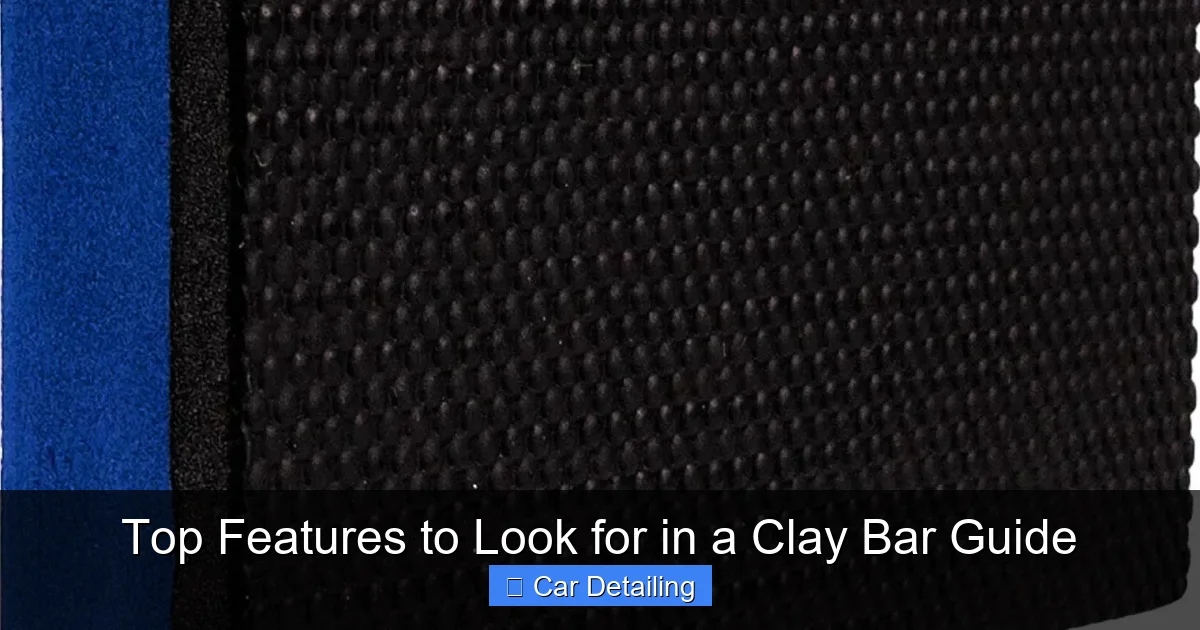
Visual guide about Top Features to Look for in a Clay Bar Guide
Image source: images.tcdn.com.br
That grading is useful, but not every brand labels products the same way. One company’s “fine” may feel closer to another company’s “medium,” so it is better to judge by intended use, surface condition, and how much residue the bar is meant to remove.
How to Match Clay Aggressiveness to Paint Condition
If the paint feels rough after washing but does not show heavy bonded contamination, a fine clay bar is usually enough. It helps smooth the surface while reducing the chance of leaving haze or marring that later needs polishing.
For vehicles with moderate contamination, such as a car that sits outdoors often or sees highway driving, a medium clay bar can be a better balance. It cuts faster than fine clay, but it still gives most users a manageable level of control.
Heavy-duty clay is best reserved for severe contamination, such as neglected paint or surfaces that have not been decontaminated in a long time. The tradeoff is that stronger clay often increases the chance of visible surface marks.
When a Softer Clay Is the Better Choice for Daily Drivers
For newer vehicles, garage-kept cars, and daily drivers that are washed regularly, softer clay is usually the smarter choice. It is less likely to create extra correction work, especially on darker paint where marring is easier to see.
Softer clay also makes sense when you are learning technique. A more forgiving bar gives you room to work slowly, use enough lubricant, and stop before overworking the panel.
Top Performance Features to Look for Before Buying
When comparing clay bars, focus on how they perform in real use rather than marketing language. A good bar should remove contamination, glide smoothly, stay intact, and not fight you while you shape it in your hand.
Contaminant Removal Strength Without Excessive Marring
The best clay bar removes bonded grime without acting like a polishing compound. You want it to lift contamination efficiently, but not so aggressively that it leaves heavy haze or scratches on an otherwise healthy clear coat.
This is especially important on black, dark blue, and other glossy finishes where faint marring can be easier to notice. A bar that cleans well but leaves minimal trace is usually the best overall value, because it reduces the chance of follow-up correction.
Flexibility, Hand Feel, and Ease of Shaping
A clay bar should be easy to flatten, fold, and reshape as you work. Good flexibility helps you expose a clean section of clay and maintain contact with the surface without feeling crumbly or stiff.
Hand feel matters more than many buyers expect. If the clay is too hard, it can be awkward to work into a usable pad. If it is too soft or sticky, it may feel messy and harder to control, especially in warm weather.
Durability, Reusability, and Break-Resistance
A quality clay bar should hold together during normal use and tolerate a few folds without tearing apart. Break-resistance matters because a bar that disintegrates too early can become wasteful and frustrating.
Reusability is also worth considering, but only within safe limits. Once a clay bar is heavily contaminated, dropped, or visibly dirty throughout, it should be retired rather than pushed for extra value.
Lubrication Compatibility and Glide Performance
Clay works best when it glides freely over a properly lubricated panel. A good bar should pair well with clay lube, quick detailers, or other compatible lubricants recommended by the manufacturer.
If a clay bar drags too much, it can increase the chance of marring and make the process slower. Smooth glide is a strong sign that the bar is balanced for practical detailing work, not just cleaning power.
If you are unsure which grade to choose, start with the least aggressive clay that can still remove the contamination. You can always move up in aggressiveness later, but starting too strong can create avoidable paint correction work.
Surface Safety Factors: How to Protect Clear Coat and Finish Quality
Clay bar safety is not only about the product itself. It also depends on how the formula behaves on modern paint, how much residue it leaves behind, and whether it remains manageable in different temperatures.
Why Low-Dust, Low-Marring Formulas Matter for Modern Paint
Low-dust clay is easier to work with because it leaves less residue behind and keeps the panel cleaner during use. That makes inspection simpler and reduces the chance that leftover debris will interfere with your towel, sealant, or polish.
Low-marring formulas are especially important for newer clear coats and softer paints. They are not a guarantee against marks, but they can reduce the odds of creating visible haze during routine decontamination.
Temperature Sensitivity and Safe Use in Hot or Cold Conditions
Some clay bars become too soft in heat and too stiff in cold weather. That can make them harder to shape and less predictable on the paint surface.
If you detail in a garage, outdoors, or across seasons, look for a clay that stays workable in a normal range of conditions. If the bar feels sticky, dry, or brittle, stop and reassess rather than forcing it across the panel.
Never use clay on a dry panel. Skipping lubrication can drag contaminants across the clear coat and leave scratches that may require polishing to remove.
Practical Buying Tips: Size, Packaging, and Value for Money
Packaging can matter as much as performance, especially if you detail more than one vehicle or want a product that stays usable after opening. The best value is not always the cheapest bar on the shelf.
Single-Bar vs Multi-Bar Kits for Enthusiasts and Pros
Single-bar packages are often enough for occasional users or beginners. They keep the purchase simple and reduce the chance of buying more product than you need.
Multi-bar kits make more sense for frequent detailers, shared garages, or anyone who wants separate bars for different contamination levels. They can also be useful when you want to reserve one bar for lighter jobs and another for more stubborn surfaces.
| Option | Best For | Limit |
|---|---|---|
| Single bar | Beginners and occasional detailers | Less convenient if you need multiple grades |
| Multi-bar kit | Frequent detailers and pros | Can cost more upfront |
| Premium formula | Sensitive paint and smoother finish goals | Usually higher cost per bar |
Cost Comparison: Budget Clay Bars vs Premium Options
Budget clay bars can be perfectly useful if they are safe, workable, and matched to the job. They are often a good fit for light decontamination or for owners who only clay occasionally.
Premium options may offer better glide, less marring, or more consistent feel, but that does not automatically make them necessary. If you are maintaining a well-kept vehicle, it may be smarter to spend more on lubrication, wash supplies, or a finishing towel than on the most expensive clay available.
Clay bar pricing varies widely by brand, pack size, and formula, so compare cost per bar and expected use rather than only the sticker price. A slightly more expensive bar can still be better value if it lasts longer or reduces polishing work.
Common Mistakes That Lead to Paint Damage or Wasted Product
Most clay bar problems come from technique, not just product choice. Even a good clay bar can leave marks or get ruined if it is used carelessly.
Using Too Much Pressure or Skipping Proper Lubrication
Clay should glide with light pressure. Pressing hard does not make it work better; it usually increases friction and the chance of scratching the finish.
Likewise, lubrication is not optional. If the surface starts feeling grabby, stop and add more lubricant before continuing. This is one of the simplest ways to protect the clear coat.
Dropping the Clay and Reusing Contaminated Material
If clay hits the ground, it can pick up grit that should never go back on the paint. Even tiny particles can create scratches when trapped between the clay and the surface.
For safety, discard dropped clay rather than trying to clean it and continue. This is one of those cases where saving a little product is not worth the risk to the finish.
Choosing the Wrong Grade for a Neglected Vehicle
Using a very soft clay on heavily contaminated paint may waste time and leave the surface incomplete. On the other hand, using a heavy-duty bar on a lightly contaminated daily driver can create unnecessary marring.
If the vehicle has not been detailed in a long time, consider starting with a test spot. If the contamination is severe or the paint already looks damaged, it may be better to ask a professional detailer before choosing a stronger decontamination method.
- Choose the least aggressive clay that still matches the contamination level
- Use plenty of lubricant and light pressure
- Work in small sections and inspect the finish often
- Replace clay if it is dropped or heavily dirty
- Be cautious with dark or soft paint finishes
Expert Guidance on Choosing the Best Clay Bar for Your Detailing Routine
The best clay bar for your routine depends on how often you detail, how sensitive your paint is, and whether you want speed or maximum surface safety. A daily driver that gets washed regularly usually benefits from a fine or medium clay bar. A neglected vehicle may need a stronger option, but only if you are prepared for the added risk of marring.
If you are still building your process, it helps to review a broader clay bar guide for beginners and a how often should you clay bar a car article so you do not overdo decontamination. For prep questions, can you clay bar without a pressure washer is also useful because the answer depends on how well you can wash and rinse the car beforehand.
Best Fit for Beginners, Weekend Detailers, and Professional Use
Beginners usually do best with a fine or mild medium clay that is forgiving and easy to control. Weekend detailers may prefer a medium bar that balances speed and safety on a variety of vehicles.
Professional or high-volume users may want multiple grades on hand so they can match the tool to the job instead of forcing one product to do everything. That approach is often more efficient and can reduce repeat work, especially when different vehicles arrive with different paint conditions.
Final Recap: The Must-Have Clay Bar Features That Deliver the Best Results
The most important clay bar features are simple: it should remove contamination effectively, stay flexible in your hands, glide smoothly with proper lubrication, and protect the finish as much as possible. Aggressiveness should match the paint condition, not exceed it.
For most owners, the safest and smartest choice is a fine or medium clay bar with good break-resistance and low-marring behavior. If you want a complete process, pair that choice with proper wash prep and careful technique rather than relying on the clay bar alone.
- Match clay aggressiveness to paint condition and contamination level.
- Prioritize glide, flexibility, and low-marring performance.
- Use proper lubrication and light pressure every time.
- Discard dropped clay and replace heavily contaminated material.
- When paint is neglected or unclear, consider asking a professional detailer.
🎥 Related Video: You're Using Clay Bars WRONG – Here's How to Fix Your Car's Paint
📺 The Auto Edit
Are you making these HUGE clay bar mistakes that could be ruining your car’s paint? Most car enthusiasts think they know how to …
Frequently Asked Questions
A fine or medium clay bar is usually best for a daily driver. It removes bonded contamination while lowering the chance of marring on regular paint.
A clay bar should glide smoothly when used with proper lubricant, not drag or stick. If it feels grabby, add more lubrication or stop and inspect the surface.
No, it is safer to discard a clay bar after it hits the ground. It can pick up grit that may scratch the paint if reused.
Ask a professional if the paint is heavily neglected, already scratched, or you are unsure which clay grade is safe. A detailer can help avoid unnecessary damage or extra correction work.

