Direct answer phrase: Choose ceramic coating based on your car’s condition, how you use it, and the level of prep and maintenance you can commit to. The best protection comes from matching the coating to real-world needs, not from chasing the biggest durability claim.
Choosing ceramic coating is less about chasing the biggest durability claim and more about matching the product to your car, your paint, and your expectations. The right coating can make washing easier, improve gloss, and help protect against UV and chemical fallout, but it is not a magic shield. This guide from the AAutomotives Site Editorial Team breaks down how to choose ceramic coating for the best protection in 2025.
The best ceramic coating is the one that fits your vehicle’s condition, how you drive, and how much prep and maintenance you’re willing to do. Focus on real-world protection, paint prep, and application quality—not just the longest lifespan claim.
- Match the coating to the car: daily drivers, weekend cars, and garage-kept vehicles need different priorities.
- Prep matters most: paint correction and decontamination often affect results more than the coating brand.
- Know the limits: ceramic coating helps with cleaning and chemical resistance, but not rock chips or deep scratches.
- Compare the full package: durability, cure time, maintenance, and installation quality all affect value.
This AAutomotives guide is written to help readers understand How to Choose Ceramic Coating with clear, practical advice. Before publishing, review model-specific facts, dates, prices, safety points, and source links so the final article stays accurate and trustworthy.
- How to Choose Ceramic Coating for the Best Protection: What Car Owners Need to Know in 2025
- Understand Your Protection Goals Before Picking a Ceramic Coating
- Compare Ceramic Coating Types and Real-World Performance
- Check the Key Features That Separate Good Coatings From Marketing Hype
- Match the Coating to Your Vehicle’s Condition and Paint Prep Needs
- Compare Cost, Installation, and Long-Term Value
- Common Mistakes to Avoid When Choosing Ceramic Coating
- Expert Tips for Making the Right Choice in 2025
- Final Recap: How to Choose the Best Ceramic Coating for Your Car
How to Choose Ceramic Coating for the Best Protection: What Car Owners Need to Know in 2025
When people ask how to choose ceramic coating, the honest answer is that “best” depends on use case. A daily driver parked outside has different needs than a weekend car that lives in a garage. A good coating should fit your routine, climate, and willingness to maintain it.
It also helps to think beyond marketing language. Coatings can improve water behavior and make cleaning easier, but they do not prevent every form of damage. If you want a broader car care baseline, it can also help to understand related prep steps like why clay bar matters for car owners before coating.
Understand Your Protection Goals Before Picking a Ceramic Coating
Before comparing brands, decide what protection means to you. Some owners want easier washing. Others want better UV resistance or stronger chemical resistance against road grime, bird droppings, and winter contamination. A coating can help with all of these, but usually in different ways and to different degrees.
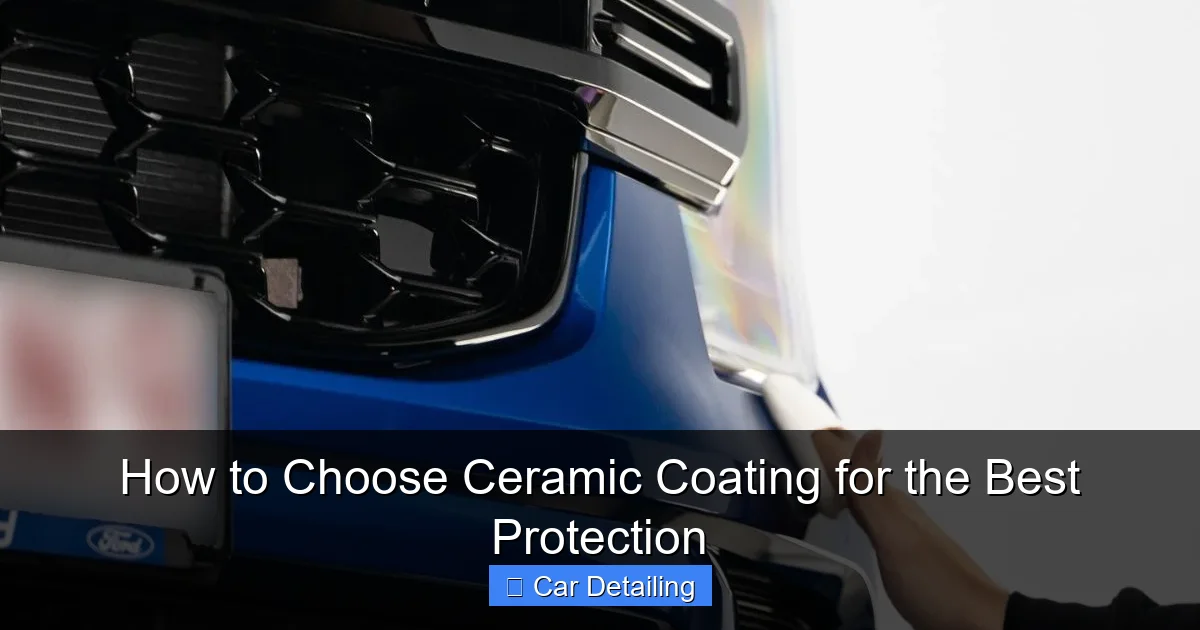
Visual guide about How to Choose Ceramic Coating for the Best Protection
Image source: carceramicprotection.com.au
Daily Driver vs. Weekend Car vs. Garage Queen
A daily driver usually benefits from a coating that emphasizes easy maintenance, chemical resistance, and solid water repellency. These cars see more dirt, more washing, and more exposure to weather. The coating should be practical, not just impressive on paper.
A weekend car may prioritize gloss and long-term finish preservation. A garage queen may need less emphasis on harsh-weather durability and more on maintaining a polished look between occasional drives. If the car rarely leaves controlled storage, a premium coating may be less important than proper prep and careful upkeep.
What “Protection” Really Means: UV, Dirt Release, Water Behavior, and Chemical Resistance
Ceramic coating protection is not one thing. UV resistance helps slow oxidation and fading. Dirt release helps grime rinse away more easily. Water behavior often shows up as beading or sheeting. Chemical resistance can help the surface better tolerate acidic contaminants and strong shampoos within reason.
That said, a coating does not make a car invincible. It may reduce how quickly contamination bonds to the paint, but it will not eliminate the need for safe washing. If you want to keep the coating performing well, a careful wash routine matters just as much as the product itself. For that reason, many owners pair coating decisions with better wash habits like the hand washing car best practices approach.
Compare Ceramic Coating Types and Real-World Performance
Not all coatings are built the same. Some are consumer-friendly and easier to apply. Others are professional-grade and may offer stronger durability, but only when installed correctly. The label matters less than the chemistry, prep requirements, and how the coating behaves after months of real use.
Consumer-Grade vs. Professional-Grade Coatings
Consumer-grade coatings are usually designed for easier application and shorter cure windows. They can be a good fit for DIY owners who want a noticeable upgrade without a specialist install. The tradeoff is that they may be less forgiving in harsh conditions or when prep is imperfect.
Professional-grade coatings often require more careful surface preparation and controlled application. They may deliver stronger durability or finish quality, but that advantage can disappear if the installer rushes the prep. If you are comparing options for a newer vehicle, the coating itself may matter less than whether the paint was properly corrected first.
Graphene, SiO2, and Hybrid Formulas: What Actually Matters
Many shoppers get stuck on material names like graphene, SiO2, and hybrid formulas. Those terms can describe real chemistry, but they are also used heavily in marketing. What matters most is whether the product provides the protection and maintenance profile you need in the Real World: What to Expect”>real world.
SiO2-based coatings are common because they are associated with strong hydrophobic behavior and good gloss. Graphene and hybrid formulas may claim improved slickness, heat handling, or water spotting resistance, but results can vary by formulation and application. Treat the label as a clue, not a guarantee.
How Durability Claims Translate Into Everyday Use
Durability claims are often presented in years, but those numbers usually assume ideal prep, ideal storage, and ideal maintenance. In everyday use, the result may be shorter or more variable. A coating can still be worthwhile even if it does not last as long as the marketing suggests.
Instead of asking only how long it lasts, ask how it degrades. Does water behavior fade gradually or fail quickly? Does gloss stay stable? Does the surface remain easy to clean after repeated washes? Those questions tell you more than a headline lifespan claim.
Check the Key Features That Separate Good Coatings From Marketing Hype
A good ceramic coating should deliver visible and practical benefits. The most useful features are usually the ones you can feel during washing and see over time, not just the ones that sound technical on the bottle.
Hydrophobicity, Gloss, and Slickness
Hydrophobicity is one of the easiest features to notice because water tends to bead or sheet more readily. That can make rinsing easier and reduce standing water after a wash. Still, strong water behavior alone does not prove better protection.
Gloss and slickness matter too. A coating that leaves paint looking deeper and feeling smoother can make the vehicle easier to maintain. But slickness can fade with contamination, so regular maintenance is still important. A clean, well-prepped surface often influences the final look more than the coating brand itself.
Hardness Ratings, UV Stability, and Chemical Resistance
Hardness ratings are often misunderstood. A higher number does not mean the coating will stop rock chips or deep scratches. It may help with minor wash marring in some cases, but it is not a substitute for careful washing or Paint Protection: Best Ways to Keep It Looking New”>Paint Protection Guide: Expert Tips & Advice”>paint protection film.
UV stability and chemical resistance are more practical measures. If your car sits outside, UV stability matters. If you drive in areas with road salt, industrial fallout, or frequent bug contamination, chemical resistance becomes more important. Choose the coating that fits your exposure, not the one with the flashiest label.
Layering, Cure Time, and Maintenance Requirements
Some coatings can be layered, but more layers do not always equal better results. The installer must follow the product’s instructions, and the surface must be ready for each layer. Too much focus on layering can distract from the basics: clean paint, proper application, and proper cure time.
Cure time is another factor many buyers overlook. Some coatings need time before exposure to water, soap, or harsh conditions. If you need immediate use, ask whether the product fits your schedule. Maintenance requirements also matter, because some coatings need booster sprays or specific wash products to keep working well.
If two coatings sound similar, compare the prep steps and maintenance instructions first. The easier product to keep properly maintained is often the better long-term choice.
Match the Coating to Your Vehicle’s Condition and Paint Prep Needs
One of the biggest mistakes in choosing ceramic coating is ignoring the paint underneath. Coating does not hide defects. In many cases, it can actually make swirls, haze, or staining more noticeable if the surface was not prepared correctly.
New Paint, Older Paint, and Swirl-Mark-Prone Surfaces
Fresh paint may already be in good shape, but it still needs inspection. Transport film, dealership prep residue, and light contamination can affect bonding. Older paint often needs more correction and decontamination before any coating is applied.
If your paint is swirl-mark-prone, the coating may improve gloss but will not erase the cause of the swirls. Dark colors and soft clears often show defects more easily. In those cases, surface prep and careful washing habits become especially important.
Why Paint Correction Often Matters More Than the Coating Itself
Paint correction removes or reduces visible defects before coating is applied. That matters because a coating tends to lock in the appearance of the surface underneath. If the finish is dull or scratched, the coating may preserve that condition rather than improve it.
This is why many detailers emphasize correction before protection. A modest coating on well-corrected paint can look better than an expensive coating on neglected paint. If you are unsure what your car needs, ask a professional to inspect the finish before you buy anything.
When a Coating Is Not the Right Fix for Scratched or Neglected Paint
Ceramic coating is not the right answer for deep scratches, etched clear coat, peeling paint, or heavy oxidation. It may improve maintenance and appearance, but it will not repair structural paint damage. In those cases, correction, repair, or repainting may be needed first.
Warning
Do not coat over severe defects just to “seal them in.” That can make the finish harder to improve later and may waste money on a product that cannot solve the real problem.
Compare Cost, Installation, and Long-Term Value
Price matters, but it should be judged against prep time, product quality, and how long you plan to keep the vehicle. The cheapest coating is not always the best value, and the most expensive one is not always the best fit.
DIY Kits vs. Professional Installation
DIY kits can be a smart choice for owners who are comfortable with careful prep and patient application. They often cost less upfront and give you more control over the process. The downside is that mistakes can be visible and sometimes difficult to fix.
Professional installation is often better for owners who want consistent prep, correction, and controlled curing. It may be especially useful on newer vehicles, high-value cars, or finishes that show defects easily. If the vehicle’s paint condition is uncertain, a professional inspection can save time and money.
| Option | Best For | Limit |
|---|---|---|
| DIY coating kit | Hands-on owners with time and patience | Higher risk of application mistakes |
| Professional coating | Owners wanting prep and install support | Higher upfront cost |
| Entry-level consumer coating | Budget-conscious daily drivers | May need more frequent upkeep |
| Premium coating | Long-term ownership and better finish goals | Often requires stronger prep and maintenance |
Upfront Price vs. Maintenance Savings Over Time
A coating can save time if it makes washing easier and reduces how often you need heavy decontamination. That said, it is not a substitute for routine care. You will still need proper washing, drying, and periodic inspection.
The value comes from reduced effort and a better-maintained finish over time. If you wash your car regularly and want a cleaner-looking surface with less friction, a coating can be worthwhile. If the car is rarely cleaned, the coating’s benefits may be limited.
When a Higher-Priced Coating Is Worth It
A higher-priced coating may be worth it if your car is kept outside, exposed to harsher weather, or expected to stay in your ownership for years. It can also make sense if the paint has already been corrected and you want to preserve that work.
Still, a premium label should not replace careful evaluation. Ask what the product actually offers beyond durability claims. If the benefits are mostly marketing-driven, a mid-tier coating may deliver better value.
Cost varies widely by product, prep level, paint condition, and whether you choose DIY or professional installation. Ask for a written scope before you commit so you know what prep work is included.
Common Mistakes to Avoid When Choosing Ceramic Coating
Many disappointing coating experiences come from unrealistic expectations rather than bad products alone. Avoiding a few common mistakes can make a big difference in results.
Choosing Based Only on Longevity Claims
Longevity claims are easy to compare, but they rarely tell the full story. A coating that promises more years may still be harder to apply, harder to maintain, or less suited to your climate. Durability is only one part of the decision.
Look at the whole package: prep, cure time, maintenance, and real-world behavior. A coating that performs consistently for your use case is more valuable than one that only looks impressive in a product description.
Ignoring Prep Work, Climate, or Storage Conditions
Prep work is often the difference between a coating that bonds well and one that fails early. If the paint is contaminated, oily, or still has defects, the coating may not perform as expected. Climate and storage matter too, especially for vehicles that live outdoors.
Hot sun, frequent rain, winter road treatment, and garage storage all change how a coating behaves over time. If you are not sure how your environment affects product choice, ask a professional detailer for a recommendation based on your location and habits.
Overestimating Protection Against Rock Chips and Deep Scratches
Ceramic coating is not a substitute for paint protection film when your main concern is rock chips. It also will not stop deep scratches from improper washing, contact with branches, or parking lot damage. Understanding those limits helps you spend money in the right place.
If chip resistance is your top priority, consider other protective options first. Coating can still be useful as a top layer, but it should not be treated as the primary defense against impact damage.
Expert Tips for Making the Right Choice in 2025
The best way to choose ceramic coating in 2025 is to ask practical questions and watch for vague answers. Clear product support and realistic expectations matter more than flashy packaging.
- Match the coating to how often you drive and wash the car
- Check whether paint correction is needed before coating
- Confirm cure time and maintenance requirements
- Ask what protection the coating actually improves
- Compare DIY and professional installation costs
Questions to Ask Before Buying or Booking a Service
Ask what the coating is designed to do, how long it is expected to last under normal use, and what prep is included. If you are booking a service, ask whether paint correction, decontamination, and final inspection are part of the package.
You should also ask what aftercare is recommended. A good service provider should explain wash methods, maintenance sprays, and any initial cure restrictions. If the answers are vague, that is a sign to keep comparing options.
Warning Signs of Overpromised Results and Weak Product Claims
Be cautious if a coating promises to eliminate washing, prevent all scratches, or outperform every other product in every condition. Those claims are usually too broad. Real-world performance depends on prep, use, and maintenance.
Also be careful with vague technical language that never explains actual benefits. If the product page spends more time on buzzwords than on application steps and limitations, it may be leaning on marketing more than substance.
If a seller cannot explain cure time, prep requirements, and maintenance in plain language, consider that a red flag. Ceramic coating works best when expectations are realistic and instructions are clear.
Final Recap: How to Choose the Best Ceramic Coating for Your Car
Choosing ceramic coating is really about matching product, prep, and expectations. The best coating for a daily driver may not be the best coating for a garage-kept show car, and the most expensive option is not always the smartest one.
Focus on what you want protection to mean: easier cleaning, better gloss, improved UV resistance, or stronger chemical resistance. Then check whether the coating fits your paint condition, your climate, and your willingness to maintain it. When in doubt, ask a professional for a paint inspection before you buy.
- Choose ceramic coating based on vehicle use, not just durability claims.
- Prep work and paint correction often matter more than the coating brand.
- Do not expect coating to stop rock chips or deep scratches.
- Compare maintenance needs, cure time, and installation quality before buying.
🎥 Related Video: Ceramic Coating Myths, Lies, and Misconceptions
📺 Dmitry’s Garage
Do coatings really last a decade? How hard is a coating to install? Today I’m going to share my top ten list of coating myths, lies …
Frequently Asked Questions
The most important factor is fit for your car and your routine. A coating should match the vehicle’s paint condition, storage, climate, and how often you wash it.
Not always. Product performance depends more on the actual formula and application quality than on the marketing label. Compare real benefits, prep needs, and maintenance instructions.
Yes, but older paint often needs more prep and correction first. If the finish is heavily damaged or oxidized, ask a professional whether coating is appropriate.
That depends on the product, prep work, climate, and maintenance. Real-world lifespan can be shorter than the advertised claim, especially on daily drivers that live outdoors.

