Direct answer phrase: Ceramic coating usually protects better than wax for most cars in 2025. Wax is still a smart choice if you want lower cost, easier DIY application, and short-term shine.
Ceramic coating vs wax is one of the most common decisions car owners face when trying to protect paint. Both can help, but they do it in different ways, with different costs, durability, and upkeep. If you want the short version: ceramic coating usually protects longer and needs less frequent reapplication, while wax is cheaper, easier, and often better for people who like simple maintenance.
Ceramic coating generally protects better than wax for long-term durability and chemical resistance, but wax still makes sense for budget-friendly shine and easy upkeep. The best choice depends on how long you plan to keep the car, how often you wash it, and whether you want professional-level protection or a simple DIY routine.
- Protection: Ceramic coating generally lasts longer and resists chemicals better than wax.
- Cost: Wax is cheaper upfront, while ceramic coating can save labor over time.
- Appearance: Both improve gloss, but wax often gives a warmer look and coating gives a sharper finish.
- Maintenance: Neither option eliminates washing; good wash habits still matter.
- Best fit: Choose wax for budget-friendly simplicity and ceramic coating for long-term convenience.
This AAutomotives guide is written to help readers understand Ceramic Coating vs Wax with clear, practical advice. Before publishing, review model-specific facts, dates, prices, safety points, and source links so the final article stays accurate and trustworthy.
- Ceramic Coating vs Wax: What Each Product Actually Does for Car Paint
- How Ceramic Coating and Wax Protect Vehicles in Real-World Driving
- Ceramic Coating vs Wax: Durability, Longevity, and Maintenance Differences
- Cost Comparison: Ceramic Coating vs Wax for Daily Drivers and Weekend Cars
- Which Option Looks Better: Gloss, Depth, and Water Beading Results
- Common Mistakes That Reduce Protection From Ceramic Coating or Wax
- Expert Warning: When Ceramic Coating Is Worth It and When Wax Is the Smarter Choice
- Final Verdict: Which Protects Better for Cars in 2025?
Ceramic Coating vs Wax: What Each Product Actually Does for Car Paint
Wax and ceramic coating are both applied to the exterior paint, but they are not the same type of protection. Wax sits on top of the clear coat and creates a temporary sacrificial barrier. It helps water bead, adds gloss, and can reduce how quickly dirt bonds to the surface.
Ceramic coating also sits above the paint, but it is designed to bond more tightly and form a harder, more durable layer. In practical terms, that usually means better resistance to UV exposure, chemical contamination, and frequent washing. It does not make a car scratch-proof or maintenance-free, which is a common misunderstanding.
For owners who are also thinking about paint prep, a proper surface correction and decontamination step matters a lot. If you are still learning how surface contamination affects finish quality, it can help to read related guides like why clay bar matters for car owners and clay bar guide for beginners.
Neither product fixes damaged paint. If the clear coat is failing, the surface is heavily oxidized, or there are deep scratches, ask a professional detailer or body shop before spending money on protection.
How Ceramic Coating and Wax Protect Vehicles in Real-World Driving
Real-world protection is where the difference becomes easier to see. A parked garage queen and a daily commuter in harsh weather do not need the same level of defense. The product that looks best on paper may not be the one that makes the most sense for your driving pattern.
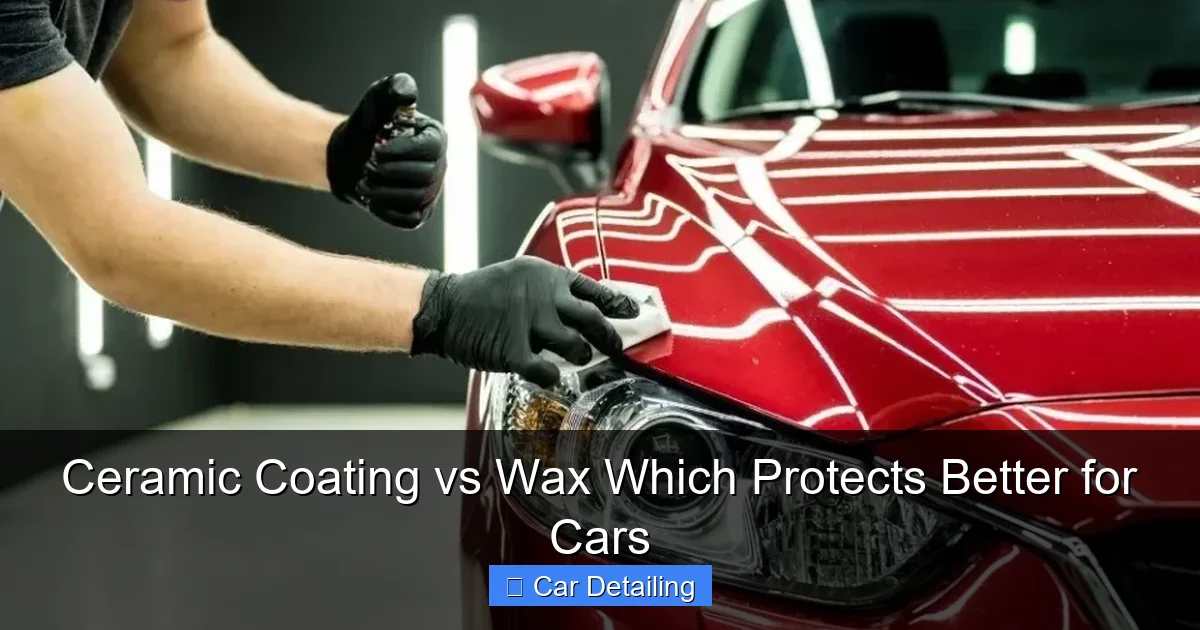
Visual guide about Ceramic Coating vs Wax Which Protects Better for Cars
Image source: lookingcars.com
UV, rain, road grime, and bird droppings: what each layer can handle
Wax offers decent short-term protection against sun, light rain, and everyday dust. It can also make cleanup easier after a normal wash. But strong sun, repeated road spray, and harsh detergents tend to wear wax down faster.
Ceramic coating is usually better at resisting UV degradation and chemical fallout. It also tends to reduce how strongly contaminants stick to the surface, which can help with road grime, bug residue, and bird droppings. That said, if droppings sit too long, even a coated car can still stain or etch.
Do not assume any coating will protect paint from immediate damage. Bird droppings, tree sap, and road salt should still be removed quickly, especially in hot weather or after winter driving.
Why protection performance changes by climate and driving habits
Climate changes the game. In hot, sunny areas, wax usually breaks down faster, while ceramic coating can hold up better over time. In snowy regions, repeated exposure to salt and slush can make any protection layer work harder, so wash habits matter just as much as the product itself.
Driving habits matter too. A car that mostly sees highway miles, construction dust, or frequent automatic washes will wear through wax more quickly than a weekend car that stays covered in a garage. If you want a safer wash routine to preserve protection, see hand washing car pros cons best practices and safe car wash frequency guide.
Ceramic Coating vs Wax: Durability, Longevity, and Maintenance Differences
Durability is one of the biggest reasons people compare ceramic coating vs wax. Wax is usually chosen because it is easy and inexpensive, not because it lasts the longest. Ceramic coating is chosen because it is designed to stay on the paint far longer when applied correctly.
How long each lasts in 2025 conditions
In 2025, wax durability still depends heavily on product type, weather, washing method, and storage. Some waxes may last a few weeks to a few months, but real-world life is often shorter if the car is exposed to rain, sun, and regular washing.
Ceramic coatings vary widely too. Consumer-grade products may last much longer than wax, while professionally installed coatings can last even longer when maintained properly. Still, lifespan depends on prep quality, maintenance, and the actual product used. It is safer to think in ranges rather than promises.
| Option | Best For | Limit |
|---|---|---|
| Wax | Budget-friendly shine and easy DIY upkeep | Shorter durability and more frequent reapplication |
| Ceramic coating | Longer-lasting protection and easier cleaning | Higher cost and more prep-sensitive application |
Wash frequency, reapplication needs, and upkeep effort
Wax needs more frequent attention. If you wash often, especially with stronger soaps or touchless systems, you may need to reapply it regularly to keep the protection noticeable. That is not a flaw; it is simply part of the product’s design.
Ceramic coating usually reduces reapplication work, but it still needs proper washing. A coated car can lose performance if it is neglected, covered in minerals, or washed with abrasive towels. For readers who want to avoid common wash errors, weekly wash routine common mistakes and fixes is a useful companion read.
- Wash with clean mitts and towels
- Avoid letting grime bake onto the paint
- Reapply wax when water behavior fades
- Use coating-safe maintenance products if ceramic coated
Cost Comparison: Ceramic Coating vs Wax for Daily Drivers and Weekend Cars
Cost is where wax often wins immediately. It is usually the lower-risk choice for drivers who want protection without a large upfront investment. Ceramic coating costs more, but it may save time and reduce how often you need to reapply protection.
DIY wax cost vs professional ceramic coating pricing
DIY wax is typically the cheapest route because the product is affordable and the application is simple. Most owners can apply it at home with basic supplies. The real cost is often your time, especially if you want to prep the paint properly first.
Professional ceramic coating is a different category. You are paying for labor, prep work, and the coating itself. Pricing varies a lot by vehicle size, paint condition, local labor rates, and whether correction is included. Because of that, it is best to request a written estimate instead of relying on generic price assumptions.
If the car needs polishing, decontamination, or scratch correction before coating, the total price can rise quickly. Always ask what prep steps are included so you can compare quotes fairly.
Long-term value, labor savings, and replacement cycles
Wax can be the smarter value for owners who do not mind reapplying often. If you enjoy detailing and want a low commitment approach, the lower purchase price may matter more than durability.
Ceramic coating can offer better long-term value for people who want fewer reapplications and easier cleanup. That does not mean it is always cheaper over time, because the upfront cost is higher. But for busy daily drivers, the reduced labor can be worth it.
If you are trying to keep costs down while still washing safely, it may help to compare your routine with how to wash safely on a budget without wasting money.
Which Option Looks Better: Gloss, Depth, and Water Beading Results
Appearance is one reason many owners choose protection in the first place. Both products can improve gloss, but they do not always create the same visual effect. Wax is often praised for warmth and depth, while ceramic coating is often valued for a crisp, slick finish.
Finish differences on dark paint, light paint, and older clear coat
On dark paint, wax can give a rich, wet look that many enthusiasts like. Ceramic coating can still look excellent, but the finish may appear sharper and more reflective rather than soft and warm.
On light paint, the difference is often less dramatic. Both can improve shine, but the paint color itself may hide some of the visual contrast. On older clear coat, prep quality matters more than product choice. If the surface is dull or uneven, neither wax nor coating will fully hide that.
What car owners actually notice after application
Most owners notice three things first: easier washing, stronger water beading, and a cleaner-looking finish. Ceramic coating usually keeps those effects going longer. Wax may look fantastic right after application, but the effect tends to fade sooner.
Water beading alone should not be the only reason to choose a product. Beading can look satisfying, but protection quality also depends on chemical resistance, durability, and how the surface handles dirt. A product can bead well and still wear out quickly.
Choose based on how the car looks after two months, not just the day you apply it. That is usually when the difference between wax and ceramic coating becomes more honest.
Common Mistakes That Reduce Protection From Ceramic Coating or Wax
Many protection failures are not caused by the product itself. They happen because the paint was not prepared well, the surface was dirty, or the owner expected more than the coating or wax can realistically do.
Poor paint prep, skipping decontamination, and applying on dirty surfaces
Applying wax or ceramic coating over dirt, bonded contamination, or leftover residue can weaken bonding and reduce durability. That is especially true for ceramic coating, which depends more on proper prep than wax does.
Skipping decontamination can also trap contamination under the protective layer. The result may be uneven gloss, poor bonding, or a finish that looks good briefly and then disappoints. If you are unsure about prep, it is worth reviewing clay bar mistakes to avoid before starting.
Overestimating protection and ignoring proper wash technique
A coated car still needs careful washing. Using dirty towels, harsh brushes, or poor rinse habits can create swirl marks and reduce the appearance of protection. Waxed paint is also vulnerable if washed carelessly.
Another common mistake is expecting either product to stop all environmental damage. It will not. Protection layers help, but they do not replace regular maintenance, quick contaminant removal, and sensible parking habits.
If you are considering a professional coating, ask what happens if the paint fails inspection or needs correction first. Complex paint issues can turn a simple coating job into a much larger service.
Expert Warning: When Ceramic Coating Is Worth It and When Wax Is the Smarter Choice
The right choice depends on the car, the owner, and the budget. Ceramic coating is not automatically better for everyone. Wax is not outdated just because newer products exist. Each has a place.
Best use cases for new cars, leased cars, classics, and budget builds
New cars often benefit from ceramic coating because the paint is already in good shape and the owner may want long-term convenience. Leased cars can also be a good fit if you want easier cleaning during the lease term, though you should still avoid making assumptions about lease return rules without checking them.
Classic cars can go either way. Some owners like wax for its traditional look and easy refresh cycle, while others prefer coating for longer storage protection. Budget builds often make more sense with wax unless the car is a daily driver that sees harsh conditions.
Situations where professional installation matters most
Professional installation matters most when the paint needs correction, when the coating is premium or multi-step, or when the owner wants the best chance of long-term performance. It also matters if you are not confident about prep, curing time, or product compatibility.
That is one of the main reasons ceramic coating can be a better fit for some owners and a poor fit for others. If the car is valuable, the paint is delicate, or the outcome needs to be consistent, ask a professional detailer for an inspection before deciding.
- Longer-lasting protection than wax
- Better chemical and UV resistance
- Less frequent reapplication
- Higher upfront cost
- Prep-sensitive application
- Not a substitute for proper washing
Final Verdict: Which Protects Better for Cars in 2025?
For most drivers, ceramic coating protects better than wax in 2025 because it lasts longer and handles real-world exposure more effectively. Wax still has value, especially for low-cost shine, easy DIY care, and owners who do not mind reapplying often.
Quick recap for readers choosing between ceramic coating and wax
If you want the simplest summary: wax is the easier short-term choice, while ceramic coating is the stronger long-term choice. Both can make a car look better and wash easier, but they serve different budgets and maintenance styles.
- Ceramic coating usually offers better durability and chemical resistance.
- Wax is cheaper, easier to apply, and good for frequent refreshes.
- Neither product replaces good washing, decontamination, and quick contaminant removal.
Best choice by budget, maintenance style, and protection goals
Choose wax if you want a low-cost solution, enjoy detailing, or only need temporary protection for a weekend car. Choose ceramic coating if you want longer-lasting protection, easier cleanup, and less frequent reapplication.
If you are still undecided, think about how you actually use the car. Daily commuters and garage-kept show cars often have different needs. The best product is the one that fits your routine, not the one with the loudest marketing claim.
🎥 Related Video: Car Wax Vs. Ceramic Coating
📺 Ethos Car Care
Try Ethos Ceramic Wax: https://ethoscarcare.com/products/ceramic-wax How to Prep and Apply Ceramic Wax: …
Frequently Asked Questions
Wax usually lasts much less time and often needs more frequent reapplication. Ceramic coating typically lasts longer, but actual durability depends on product quality, prep, and maintenance.
No, old wax should be removed first. Ceramic coating needs a properly cleaned and decontaminated surface to bond well.
It can be, if the paint is in decent condition and you want easier maintenance. If the clear coat is badly worn, ask a professional before spending money on coating.
The biggest mistake is assuming protection products replace proper prep and washing. Dirty application, poor decontamination, and harsh wash methods can reduce the results of both wax and ceramic coating.

