Direct answer phrase: Ceramic coating for beginners is a protective exterior treatment that can make your car easier to clean and shinier. The best results come from careful prep, thin application, and proper maintenance—not from the coating alone.
Ceramic coating for beginners can feel confusing at first, but the idea is simple: it is a protective layer that helps your car stay glossier and easier to clean. For new owners and DIY detailers, the real challenge is not just applying the coating—it is preparing the surface correctly and setting realistic expectations.
- Prep is everything: wash, decontaminate, and correct paint before coating.
- Expect protection, not perfection: coatings help with gloss and cleaning, but they do not stop chips or scratches.
- DIY can work: beginner products are manageable if you work slowly and follow instructions.
- Maintenance matters: gentle washing helps the coating last longer and look better.
This AAutomotives guide is written to help readers understand Ceramic Coating for Beginners with clear, practical advice. Before publishing, review model-specific facts, dates, prices, safety points, and source links so the final article stays accurate and trustworthy.
- Ceramic Coating for Beginners: What It Is and Why Car Owners Use It in 2025
- How Ceramic Coating Works on Paint, Glass, Wheels, and Trim
- Is Ceramic Coating Right for You? Beginner Intent, Expectations, and Real-World Use Cases
- Preparing Your Car Before Application: Washing, Decontamination, and Paint Correction Basics
- Step-by-Step Ceramic Coating Application for First-Time Users
- Cost Breakdown: DIY Ceramic Coating vs. Professional Installation
- Common Beginner Mistakes, Maintenance Tips, and How to Keep the Shine
- Final Recap: The Smart Beginner’s Guide to Getting a Lasting Gloss
Ceramic Coating for Beginners: What It Is and Why Car Owners Use It in 2025
Ceramic coating is a liquid product that cures into a thin, hard layer on top of your vehicle’s surfaces. Most owners use it to improve gloss, make washing easier, and add a level of protection against everyday contamination.
In 2025, ceramic coating remains popular because many drivers want a finish that looks cleaner for longer without constant waxing. It is especially appealing for people who want a more durable option than traditional wax or sealant, but not every product works the same way.
Ceramic coating helps protect paint and other exterior surfaces while making them easier to clean. It does not make a car scratch-proof, and results depend heavily on prep, application, and maintenance.
For beginners, the term can cover a wide range of products. Some are true coatings with longer durability, while others are consumer-friendly spray versions that are easier to use but usually less durable.
If you are also learning safe washing habits, it helps to understand the basics of the two-bucket method and proper hand washing practices before you coat the car. A coating can only perform well if the surface is kept as clean as possible.
How Ceramic Coating Works on Paint, Glass, Wheels, and Trim
On painted surfaces, ceramic coating bonds to the clear coat and creates a slick, hydrophobic finish. That means water tends to bead or sheet off more easily, and dirt may not stick as aggressively.
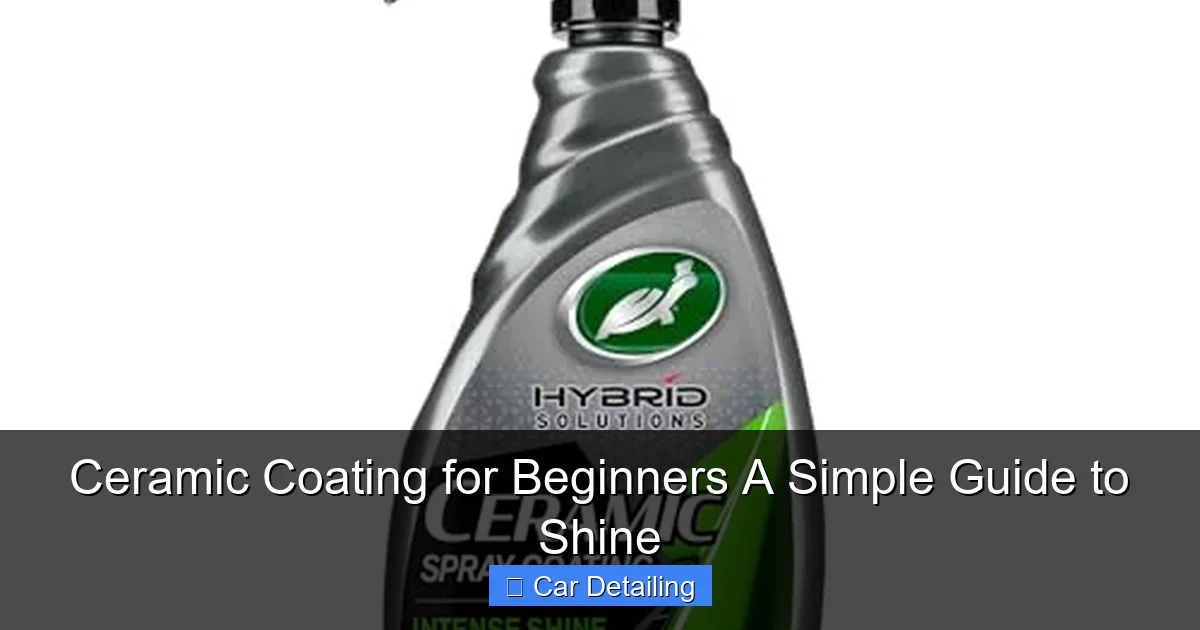
Visual guide about Ceramic Coating for Beginners A Simple Guide to Shine
Image source: m.media-amazon.com
On glass, a coating can improve water behavior and reduce the need for constant wiping, though visibility and performance vary by product. On wheels and trim, it can help fight brake dust, road grime, and fading, but those areas often need more frequent cleaning because they face harsher conditions.
Not every coating is designed for every surface. Always check the product label before applying it to plastic trim, wheels, glass, or matte finishes.
The coating does not sit like a thick shield. Instead, it acts more like a chemically resistant layer that makes contamination less likely to bond strongly to the surface.
That is why washing usually becomes easier after coating, but only if the coating is applied correctly and maintained with gentle cleaning methods.
Is Ceramic Coating Right for You? Beginner Intent, Expectations, and Real-World Use Cases
Ceramic coating is a good fit for many owners, but not everyone needs it. The best candidates are usually people who care about appearance, want easier washing, and are willing to maintain the finish properly.
It is less ideal for someone expecting a “set it and forget it” solution. Coatings still need washing, and they can still be damaged by improper care, harsh chemicals, or neglected contamination.
Daily Drivers vs. Weekend Cars vs. New Car Owners
Daily drivers often benefit the most from a coating because they collect the most road grime, rain, dust, and environmental fallout. If you commute often or park outside, easier cleaning alone can make the product worthwhile.
Weekend cars and garage-kept vehicles may not need the same level of protection, but they often look their best with a coating because the gloss can be very noticeable. New car owners are also common users because coating early can help preserve a fresh finish before heavy wear starts.
If your car is new or recently repainted, ask a professional whether the paint needs a curing period before coating. Timing can vary depending on the paint system and repair work.
What Ceramic Coating Can Protect Against—and What It Cannot
A coating can help reduce the impact of UV exposure, bird droppings, road film, water spots, and general grime buildup. It may also make it harder for contaminants to cling to the surface.
What it cannot do is prevent all scratches, stop rock chips, or replace careful washing. It also will not fix poor paint, swirl marks, or oxidation already present on the surface.
- Improves gloss and slickness
- Makes regular washing easier
- Helps exterior surfaces resist contamination
- Does not stop physical damage like chips
- Needs proper prep and maintenance
- Can look bad if applied unevenly
Preparing Your Car Before Application: Washing, Decontamination, and Paint Correction Basics
Preparation is the part most beginners underestimate. A coating locks in the condition of the surface underneath, so if the paint has dirt, tar, iron fallout, or swirls, those issues may stay visible after application.
Start with a careful wash, then remove bonded contamination with decontamination steps as needed. Depending on the car’s condition, that may include iron remover, clay bar work, and light polishing.
If you are new to contamination removal, a clay bar guide for beginners can help you understand when claying makes sense and what mistakes to avoid.
Why Surface Prep Matters More Than the Coating Itself
A high-quality coating on a poorly prepared car will still look mediocre. A modest coating on a properly corrected and cleaned car can look much better because the surface underneath is already smooth and clear.
That is why detailers spend so much time on prep. The coating adds protection and maintenance benefits, but the visual result depends heavily on the paint being clean and refined first.
Do not coat over wax, oily residue, dust, or water spots. Those issues can interfere with bonding and create uneven results that are difficult to fix later.
Common Prep Mistakes That Ruin Results
One common mistake is skipping decontamination because the car “looks clean.” Paint can still hold bonded grime that you cannot see until the coating goes on.
Another mistake is rushing correction. If the paint has swirls or haze, coating will not remove them. It may even make them more noticeable by increasing gloss and clarity.
Beginners also sometimes apply coating in direct sun or on a hot panel, which can cause flashing too fast and leave streaks or high spots.
Step-by-Step Ceramic Coating Application for First-Time Users
For a first-time user, the process should be slow, organized, and done panel by panel. Read the product instructions first, because cure time, wipe-off timing, and layering rules vary by brand.
Many beginners do best with a small section at a time and good lighting. That makes it easier to catch residue before it cures into a visible high spot.
Tools and Products Beginners Actually Need
You do not need a huge collection to start. A beginner-friendly setup usually includes car shampoo, microfiber wash mitts, drying towels, panel prep or isopropyl-based wipe, applicator pads, microfiber towels for leveling, and the coating itself.
If the paint needs correction, you may also need a mild polish and polishing pads. For safer washing habits before coating, the safe car washing basics article is a useful companion read.
- Wash and dry the car completely
- Decontaminate the paint if needed
- Inspect the surface under good lighting
- Wipe panels with a prep solution
- Apply coating in small sections
- Level residue before it cures
Wash, dry, decontaminate, and polish if needed. Finish with a panel wipe so the coating bonds to a clean surface.
Use a few drops on the applicator and spread the product evenly in a crosshatch pattern. Keep the layer thin and controlled.
Wait for the product to flash according to the instructions, then buff gently with a clean microfiber towel. Check for streaks or dark patches under lighting.
Application Timing, Curing, and Safe Working Conditions
Ceramic coating works best in stable conditions: moderate temperature, low dust, and no direct rain during the initial cure period. Humidity and heat can change how fast the product flashes, so the same coating may behave differently from one garage to another.
After application, the coating usually needs time to cure before strong washing or exposure to harsh conditions. Exact timing varies by product, so follow the label closely.
Some coatings require extra maintenance products or special prep supplies, so the true cost is often higher than the bottle price alone.
Cost Breakdown: DIY Ceramic Coating vs. Professional Installation
DIY coating is usually cheaper at the start, but it still involves supplies, prep time, and the risk of rework if something goes wrong. Professional installation costs more, but it can include paint correction, controlled application, and better accountability.
The best choice depends on your paint condition, your confidence level, and how much time you want to spend on the process.
Budget-Friendly Entry Options for Beginners
Beginners who want to test the waters often start with consumer-friendly spray coatings or shorter-duration products. These are usually easier to apply and less stressful than full professional-grade coatings, though they may not last as long.
If you are learning how often you wash and maintain your vehicle, pairing coating with a sensible wash routine matters just as much as the product itself. A good starting point is this safe car wash frequency guide.
| Option | Best For | Limit |
|---|---|---|
| DIY spray coating | First-timers and budget users | Usually shorter durability |
| DIY bottle coating | Hands-on beginners with patience | Prep mistakes are easy to make |
| Professional installation | Owners wanting the cleanest finish | Higher upfront cost |
When Paying a Detailer Makes More Sense
It makes more sense to pay a detailer if the paint needs correction, the car is new but not perfectly clean, or you do not have a controlled place to work. It is also a smart choice if the vehicle is expensive and you want to reduce risk.
When the surface is badly scratched, oxidized, or covered in stubborn contamination, a professional can often save time and reduce the chance of uneven results. If you are unsure whether the paint needs correction first, ask a professional before coating.
Common Beginner Mistakes, Maintenance Tips, and How to Keep the Shine
The biggest beginner mistakes are usually not dramatic—they are small issues that add up. Too much product, poor lighting, rushed wipe-off, and dirty towels can all turn a promising result into streaks or high spots.
Maintenance matters too. A coating is only as good as the wash routine behind it, so gentle care helps preserve the finish and the water behavior you paid for.
Over-application, High Spots, and Streaking
Applying too much coating is one of the easiest ways to create high spots. These are thicker areas that may look oily, cloudy, or rainbow-like once they cure.
Streaking often happens when the product is wiped too late, or when the towel becomes saturated. If you notice residue after the initial wipe, inspect the panel under different angles of light before moving on.
Do not assume a streak will disappear on its own. If a high spot cures, removal may require polishing, which can undo parts of your fresh coating work.
Washing Methods That Help the Coating Last Longer
Use pH-appropriate shampoo, clean wash tools, and gentle drying methods. Avoid abrasive towels, dirty sponges, and aggressive automatic washes that may shorten the life of the coating or add swirl marks.
For wash routines, many owners do well with the same careful habits used for uncoated paint—just with extra attention to keeping towels and mitts clean. If you are still building your process, the automatic car Wash Guide: Everything You Need to Know”>Wash Guide — Complete Guide”>Wash Guide: Safe Ways to Clean It”>Wash Guide: Safe Ways to Wash Your EV”>wash guide for beginners can help you compare options, and the beginner car wash mistakes and fixes article is useful for avoiding common damage.
Use separate microfiber towels for leveling coating and for later maintenance work. Mixing them up can introduce contamination and create scratches.
Final Recap: The Smart Beginner’s Guide to Getting a Lasting Gloss
Ceramic coating for beginners is less about chasing a miracle product and more about following a disciplined process. If you prep the surface well, apply the product carefully, and maintain it with gentle washing, you can get a cleaner, glossier finish that is easier to live with.
The smartest first-time approach is to start with realistic expectations. Ceramic coating improves protection and maintenance, but it does not replace paint correction, safe washing, or common sense.
- Prep matters more than the coating bottle itself.
- Beginner-friendly products are easier, but not all are equally durable.
- Professional help is worth considering if the paint needs correction or the vehicle is high value.
When in doubt, choose the method that fits your skill level and your car’s condition. A careful, well-maintained coating will usually look better than a rushed premium one.
🎥 Related Video: How to Ceramic Coat Your Car Yourself – Step by Step Guide for Beginners
📺 Ethos Car Care
FREE step-by-step guide: How to Ceramic Coat Your Car …
Frequently Asked Questions
Yes, if you want easier cleaning and better gloss and are willing to prep the car properly. It is less ideal if you want a low-effort solution with no maintenance.
No. It can improve shine and make the paint look clearer, but it will not remove swirls, scratches, or oxidation.
Not always, but it is strongly recommended if the paint has visible defects. Coating locks in the surface condition, so flaws can still show through.
Yes, many beginners do. Just make sure you have the right tools, enough time, and a clean working area with controlled conditions.

