Why Safe Car Washing Protects Your Paint and Value

Safe washing matters because it helps protect your car’s paint, clear coat, trim, and protective layers from avoidable damage. When I wash a car the right way, I reduce scratches, dullness, water spots, and wear that can lower the car’s look and value over time.
Most car owners wash their vehicle to keep it looking clean. But the real goal is to clean it without causing new damage. That is why safe washing matters so much.
In this article, I’ll explain what safe washing means, what can go wrong with rough methods, and how simple habits can help keep your car looking better for longer.
Why Safe Washing Matters for Car Owners in the First Place
Many paint defects do not come from driving alone. They often show up during washing, drying, or wiping with dirty tools.
How unsafe washing methods can scratch paint and damage clear coat
Your car’s clear coat is the thin top layer that protects the paint underneath. If I drag dirt across that surface, it can leave tiny scratches that build up over time.
Those marks may be small at first, but they can make the finish look hazy or tired. On dark cars, they show up even faster.
Why dirt, road salt, and grit make washing technique matter
Road dirt is not soft. It often contains sand, dust, brake residue, and tiny sharp bits. If I rub that debris into the paint, it acts like fine sandpaper.
That risk gets worse after winter driving or on highways. Salt and grit cling to the body, wheels, and lower panels, so a gentle, careful wash becomes more important.
Consumer Reports car washing guidance is a helpful reference if you want a practical look at safer wash habits.
The link between safe washing and long-term vehicle value
A clean car usually looks newer, but the condition of the paint matters too. Buyers notice swirl marks, faded trim, and dull finishes.
When I keep a car’s exterior in better shape, it can help preserve pride of ownership and may support resale value. It also reduces the need for corrective detailing later.
What “Safe Washing” Means for Everyday Car Owners
Safe washing is not about making the process complicated. It is about using clean tools, gentle products, and a method that keeps dirt away from the paint.
Hand washing vs. automatic washing: what counts as safer
Hand washing is often safer when it is done with clean mitts, proper soap, and plenty of rinse water. It gives me more control over pressure and contact points.
Automatic washes vary. Some touchless systems are gentler on paint, while brush-style washes can be rougher if the equipment is dirty or worn. The safest choice depends on the wash quality, not just the format.
Why pH-balanced soap, clean mitts, and gentle drying tools matter
Automotive soap is made to lift dirt without stripping protective layers as aggressively as harsh cleaners can. pH-balanced soap is a common smart choice for regular washing.
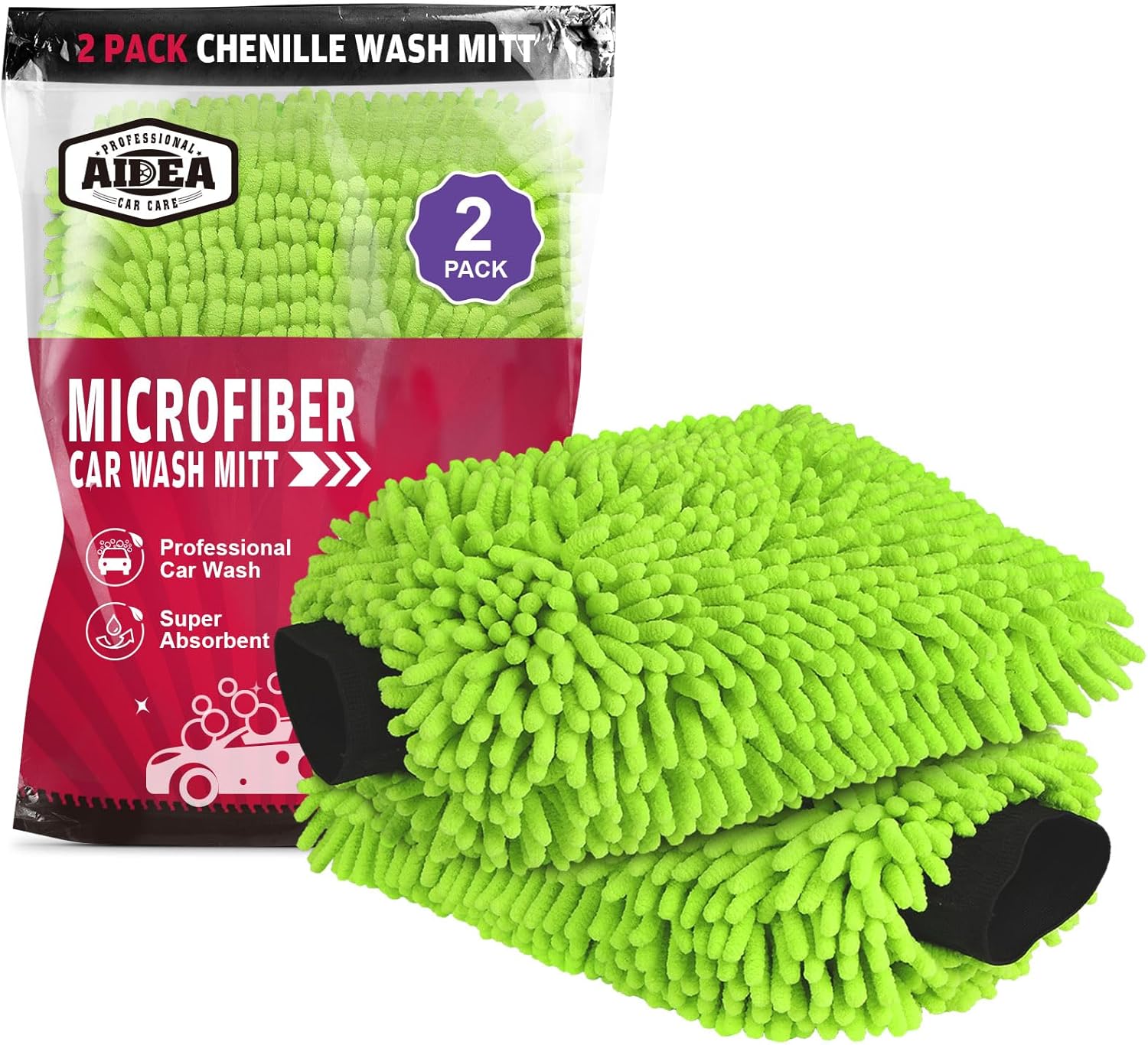
Clean microfiber mitts and soft drying towels matter because they reduce friction. Less friction means less chance of scratching the finish.
How safe washing differs from “quick” or aggressive cleaning
A quick wash often skips the steps that protect the paint. That can mean one bucket, a dirty sponge, hard scrubbing, or air drying in the sun.
Safe washing takes a little more care, but it is still simple. The difference is that I clean the car without grinding dirt into the surface.
The Main Risks of Washing a Car the Wrong Way
- Paint stays glossy and smooth
- Water beads and dries cleanly
- Trim and protective layers last longer
- Swirl marks and haze appear in sunlight
- Water spots leave visible residue
- Wax, sealant, or coating wears off too soon
Swirl marks, micro-scratches, and dull paint
Swirl marks are one of the most common results of unsafe washing. They are tiny scratches that show up as circular lines under bright light.
Micro-scratches can also make paint look less reflective. Even if the car is clean, the finish may seem flat instead of crisp.
Water spots, mineral buildup, and residue damage
If water dries on the surface, minerals can stay behind. That creates spots, especially in hard-water areas or in direct sun.
Left alone, mineral residue can become harder to remove. In some cases, it can require extra polishing or spot treatment.
Trim, sealant, wax, and coating wear from harsh products
Some strong cleaners can strip wax faster than needed. Harsh scrubbing can also wear down sealants and coatings before their time.
That means the car loses protection sooner, and the next wash becomes harder because dirt sticks more easily.
When convenience can cost more in repairs and detailing
A fast wash may seem cheaper at first. But if it leaves scratches or damage, the fix can cost more later.
Paint correction, trim restoration, and deep detailing all take time and money. Safe washing is often the easier path in the long run.
How Safe Washing Protects Your Car’s Appearance and Finish
If you want a quick visual test, wash one panel carefully and compare it in sunlight to a panel cleaned with a rough method. The difference in gloss can be surprising.
Preserving gloss and color depth over time
Good washing helps paint keep its shine. It also helps darker colors stay rich and lighter colors stay crisp.
When the surface is free of scratches and residue, light reflects more evenly. That is a big part of why a well-kept car looks newer.
Reducing paint correction and detailing costs
Paint correction is used to remove visible defects from the clear coat. If I avoid creating those defects in the first place, I may not need correction as often.
That can lower the need for polishing, machine work, or extra detailing visits.
Helping waxes, sealants, and ceramic coatings last longer
Protective products work best when the surface is washed gently. Safe washing helps them stay in place and do their job longer.
For coating care, it helps to follow the vehicle manufacturer’s guidance or the coating brand’s maintenance advice. For general maintenance standards, I also like to check trusted sources such as the U.S. Environmental Protection Agency when water use and cleaning products are part of the discussion.
Safe Washing Tips Every Car Owner Should Follow
- Use separate mitts for wheels and paint so brake dust does not reach the body panels.
- Replace dirty microfiber towels instead of trying to “make do” with worn ones.
- Rinse often during the wash so loosened grit does not get rubbed back into the finish.
- Keep your wash soap and drying towels dedicated to car care, not household cleaning.
Rinse first to remove loose dirt before touching the paint
Rinsing is one of the simplest ways to reduce scratching. It removes loose dirt before I put a mitt on the surface.
This small step makes the rest of the wash safer and smoother.
Use the two-bucket method to reduce grit transfer
One bucket holds clean soapy water. The other holds rinse water for the mitt. That way, dirt is less likely to go back onto the paint.
It is a basic habit, but it helps a lot when the car is very dirty.
Wash top to bottom so the dirtiest areas are handled last
The roof and upper panels are usually cleaner than the lower body. I like to wash the cleaner areas first and save the dirtier lower panels for last.
That keeps heavy grime from spreading across already cleaned surfaces.
Choose soft microfiber mitts and drying towels
Microfiber is popular because it traps dirt better than many rough materials. It also feels gentler on paint when it is clean and in good shape.
Soft drying towels help reduce drag marks when I remove water after the rinse.
Dry the car safely to avoid spotting and drag marks
Letting water air-dry can leave spots. Wiping too hard can leave marks.
I prefer a soft towel and light pressure. If the car has a good rinse, drying becomes much easier.
Wash in shade or cooler conditions to prevent soap drying too fast
Hot panels can make soap and water dry before I finish rinsing. That can leave streaks or spots behind.
Shade, cooler weather, or an early wash time usually gives better results.
Which Washing Methods Are Safest for Different Car Owners?
| Car owner type | Safest practical option | Why it works well |
|---|---|---|
| Budget-conscious owners | Careful hand wash with basic microfiber tools | Low cost, strong control, and easier to avoid scratches when done right |
| Owners with dark-colored or delicate paint | Hand wash with extra rinsing and soft drying towels | Dark paint shows defects fast, so gentle contact matters more |
| Busy owners who use automatic washes | High-quality touchless wash or a reputable tunnel wash | Convenient, but best when the wash is well maintained and not overly harsh |
| Owners with ceramic coatings or fresh paint | Gentle hand wash using coating-safe soap and clean mitts | Protects the finish and helps preserve the coating or new paint |
Best option for budget-conscious owners
A careful hand wash is usually the most affordable safe option. A few good towels and a proper soap can go a long way.
Best option for owners with dark-colored or delicate paint
Dark paint shows swirl marks more clearly, so gentle washing matters even more. I would avoid rough sponges and dirty automatic brushes.
Best option for busy owners who use automatic washes
If time is tight, a touchless wash can be a reasonable choice. I would still watch for leftover grime, especially on lower panels and rear bumpers.
Best option for owners with ceramic coatings or fresh paint
Fresh paint and coatings deserve careful treatment. Use the mildest safe method and follow any care advice from the paint shop or coating maker.
When Safe Washing Matters Most for Your Vehicle
If your car is heavily coated in road grit, do not start scrubbing right away. Rinse first or you may grind debris into the finish.
After winter driving, snow, and road salt exposure
Winter is one of the harshest times for a car’s exterior. Salt can cling to paint, wheels, and underbody areas.
Safe washing helps remove that buildup before it causes more staining or corrosion-related problems.
After long highway trips with bugs and tar buildup
Bug splatter and tar can stick hard to the front end and mirrors. If I attack them too aggressively, I can mark the paint.
A gentle soak and proper cleaner are usually better than hard rubbing.
For new cars, freshly painted panels, and showroom finishes
New paint can look perfect, so it is worth protecting that finish from the start. The same goes for freshly repainted panels.
Those surfaces may be more sensitive while they fully cure.
For black, dark blue, and other high-visibility paint colors
Darker colors can show every small mistake. Swirls, dust, and water spots are easier to see on them than on lighter finishes.
That is why safe washing often matters most on these vehicles.
Common Mistakes That Make Car Washing Unsafe
- Use automotive soap made for painted surfaces
- Keep wash tools clean and separate from wheel cleaning
- Rinse off loose dirt before wiping
- Use dish soap or strong household cleaners on paint
- Reuse dirty sponges or towels that hold grit
- Scrub dry dirt into the surface
Using dish soap or harsh cleaners on automotive paint
Dish soap is made for kitchen grease, not car paint protection. It can strip wax faster than needed and may be too harsh for regular use.
Reusing dirty sponges, towels, or wash mitts
Dirty tools are one of the fastest ways to scratch paint. If a mitt or towel is full of grit, every wipe can cause more damage.
Scrubbing dry dirt instead of rinsing it away first
Dry dirt is abrasive. If I rub it before rinsing, I risk creating scratches that could have been avoided.
Ignoring wheels, lower panels, and contaminated wash tools
Wheels and lower panels hold the dirtiest grime. If I use the same tool on those areas and then move to the paint, I can spread contamination.
You notice deep scratches, peeling clear coat, or paint damage that does not improve after a careful wash. At that point, a body shop or detailing professional may be the right next step.
Safe washing matters because every wash can either protect your car or slowly wear it down. A gentle method keeps paint clearer, reduces costly correction work, and helps your car look better for longer.
FAQ
It matters because the wrong wash method can scratch paint, create swirl marks, leave water spots, and wear down protective layers. Safe washing helps keep the car looking good and reduces long-term damage.
Not always, but hand washing is often safer when done correctly. A well-run touchless automatic wash can also be a good choice when you need speed and convenience.
I recommend automotive wash soap made for painted surfaces. It is usually gentler than household cleaners and is designed to work with car finishes and protective coatings.
Swirl marks usually happen when dirt or grit is dragged across the paint during washing or drying. Dirty mitts, rough sponges, and dry wiping are common causes.
Yes. Gentle washing helps coatings stay cleaner and reduces unnecessary wear. It also helps the coating keep its water-beading and protective performance longer.
One of the biggest mistakes is wiping a dirty car before rinsing off loose grit. That simple mistake can create scratches very quickly.
- Safe washing protects paint, clear coat, trim, and protective layers.
- Unsafe washing can cause swirl marks, spots, and dull-looking paint.
- Clean mitts, proper soap, and gentle drying make a big difference.
- Rinsing first and washing top to bottom helps reduce scratches.
- Safe washing can help your car look better and stay valuable longer.