You should start preparing for spring pollen before the first big pollen surge in your area, not after your car is already covered in yellow dust. For many drivers, that means getting ready as soon as local trees start blooming and pollen forecasts begin to rise.
Spring pollen can show up fast, and it can make your car look dirty almost overnight. It can also make cabin air feel stuffy and trigger allergies on the road.
In this guide, I’ll explain what spring pollen means, how to spot the start of the season, and what I do to keep a car cleaner and more comfortable through peak pollen days.
What “spring pollen” means and why timing matters for your car and allergies
When I talk about spring pollen, I mean the fine powder released by trees, grasses, and other plants as they bloom. It floats through the air, lands on your car, and gets pulled into vents and filters.
Timing matters because pollen is easiest to manage before it builds up. If you wait until the season is in full swing, you’ll spend more time cleaning the car and may notice more allergy symptoms inside the cabin.
How spring pollen differs from dust, mold spores, and tree sap
Pollen is plant material, while dust is a mix of tiny dirt, fabric fibers, and other debris. Mold spores come from damp areas and are more common in humid conditions.
Tree sap is sticky and comes from the tree itself, not from airborne pollen. Sap clings to paint and can be harder to remove than pollen, which usually sits on the surface like a powder.
Pollen grains are often large enough to see on dark paint, which is why many cars look yellow or green during peak season.
Why pollen season hits cars hardest in early spring
Early spring is often when trees release the biggest wave of pollen. That means cars parked outside can collect a layer of pollen very quickly, especially after dry, breezy days.
Your car also sits low and has large flat surfaces, like the hood and windshield, where pollen settles easily. Once it lands, wind and vibration can move it into places like vents, wiper arms, and door seals.
If you want a broader look at allergen timing, the U.S. EPA pollen and air quality guidance is a useful starting point. It helps explain how outdoor allergens can affect indoor air too.
When should you spring pollen? The best time to start preparing your car
The best time to start is before pollen season peaks, not after it becomes obvious on your paint. I usually tell drivers to think in terms of local bloom timing, not just the calendar date.
Start before the first major pollen surge in your area
If your area has a predictable spring bloom, get your car ready a little ahead of it. That gives you time to replace the cabin air filter, clean the interior, and apply protection to the exterior.
Tip: If you already know your neighborhood gets heavy pollen every spring, set a reminder a week or two before your usual bloom window.
Watch local tree bloom patterns and pollen forecasts
Tree blooms are one of the best clues for timing. When you see buds opening on trees near your home or workplace, pollen season is usually close behind.
Local weather apps and allergy forecasts can also help. Many of them show pollen levels by day, which makes it easier to plan a wash or filter change.
If you drive a newer vehicle, it also helps to check your owner’s manual or the automaker’s maintenance guidance for cabin filter intervals. For example, many manufacturers explain filter maintenance on their service pages, such as Toyota Owners resources.
Why early morning and windy days can mean heavier pollen buildup
Early morning can be rough because pollen often settles overnight and then gets stirred up again as the day starts. Windy days are even worse because pollen travels farther and lands on more surfaces.
That is why a car that looked clean at night can be coated by the next morning. If you park outside, expect faster buildup on windy spring days.
Regional timing differences: warm climates vs. cold climates
Warm climates usually see pollen earlier in the year, sometimes in late winter. Cold climates often get a later start because trees bloom later when temperatures rise.
In the South and Southwest, pollen can begin while many drivers still think of it as winter. In northern areas, the first big surge often lines up with the first stretch of consistently mild weather.
Local timing can shift from year to year. A warm spell can bring pollen early, while a cold snap can delay it.
Signs that pollen season has already started where you live
If you are trying to figure out whether spring pollen has arrived, look for a few simple signs. You do not need to guess.
Yellow dust on paint, glass, and trim
The most obvious sign is a fine yellow or greenish dust on the hood, windshield, mirrors, and black trim. It often shows up more clearly on dark-colored cars.
If you wipe a finger across the surface and see a powdery streak, that is a strong clue that pollen is active.
Sneezing, itchy eyes, and foggy windows
If you or your passengers start sneezing more in the car, pollen may be getting into the cabin. It can also make windows look hazy if the interior is dusty or the cabin filter is getting clogged.
Foggy windows are not always caused by pollen alone, but pollen can make the cabin feel less fresh and can add to the problem when humidity is high.
Visible pollen on wipers, mirrors, and air intakes
Check the base of the windshield, the wiper arms, and the side mirrors. These spots often collect pollen first because they catch airflow and debris.
Air intakes near the hood or windshield base can also pull pollen into the HVAC system. That is one reason cabin filters matter so much during spring.
Increased pollen count alerts and blooming trees
When local pollen alerts start rising and you see trees blooming nearby, the season is underway. That is your cue to step up cleaning and filter checks.
Do not assume rain will solve the problem. Rain can wash pollen off the air for a short time, but it can also leave pollen residue on your car once the water dries.
How to spring-pollen-proof your car before peak season
Once pollen season is close, I like to focus on a few simple jobs that make a big difference. These are practical, low-stress steps that help keep the car cleaner and the cabin air easier to breathe.
The cabin filter traps pollen before it reaches the interior vents. If it is dirty or overdue for replacement, airflow can drop and allergy symptoms may get worse.
A clean, protected surface makes pollen easier to rinse away. Wax, sealant, or a spray detailer can help pollen release more easily during wash time.
Pollen can settle inside the cabin too. Use gentle cleaners and soft towels so you do not spread dust around or push pollen deeper into cracks.
Pollen sticks to fabric, floor mats, and pet hair. A thorough vacuum helps reduce what gets stirred up every time someone gets in or out of the car.
Good washer fluid and healthy wipers help clear pollen film from the windshield. That matters for visibility on dry, dusty spring days.
Best products and tools to use during spring pollen season
The right tools make pollen cleanup faster and safer for your paint and interior. I always aim for products that lift pollen instead of grinding it into the surface.
Microfiber towels and pH-safe car soap
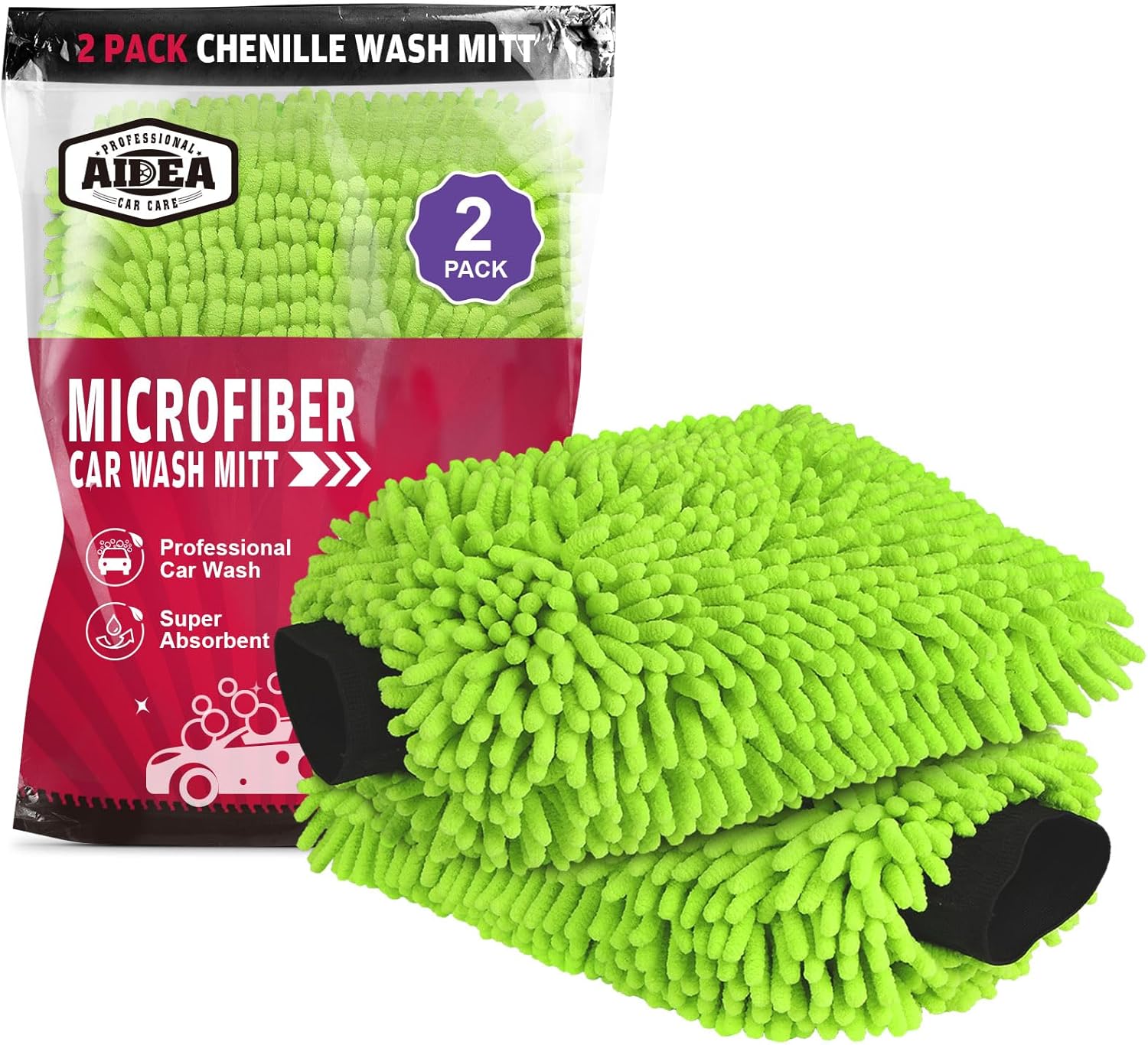
Microfiber towels are gentle and absorbent, which makes them a smart choice for pollen season. Pair them with a pH-safe car soap so you can clean without stripping protection from the paint.
Tip: Keep a separate microfiber towel for glass and another for paint so you do not drag grit from one surface to another.
Cabin air filter types for allergy reduction
Standard cabin filters can help, but activated carbon or higher-efficiency filters may do a better job of trapping odors and fine particles. The best choice depends on your vehicle and what the manufacturer recommends.
For the most accurate fit, use the filter size and type listed for your exact make and model. That keeps airflow and filtration balanced.
Interior cleaners that won’t spread allergens
Choose gentle interior cleaners that work well on dashboards, door panels, and touch points. A light, damp microfiber towel is often enough for routine pollen cleanup.
Avoid soaking surfaces. Too much liquid can push dirt into seams and make cleanup harder later.
Wax, sealants, and spray detailers for pollen protection
Wax and sealants create a slicker surface that makes pollen easier to rinse off. Spray detailers are handy between washes when you just need to remove a light layer of dust.
These products do not stop pollen from landing, but they can make cleanup much easier and reduce the chance of rubbing dry debris into the paint.
Pros and cons of cleaning your car as soon as pollen appears
Cleaning early in the season has clear benefits, but it also means more maintenance. Here is a simple way to think about it.
- Less pollen buildup on paint and glass
- Easier, safer removal before it gets sticky
- Better air quality inside the cabin
- Fewer allergy triggers for drivers and passengers
- More frequent washing during peak season
- Ongoing cost for filters and cleaning products
- Repeated cleanup after windy days
For most drivers, the pros outweigh the cons. A little early effort usually saves time later.
How often should you wash your car during peak pollen season?
Wash frequency depends on how heavy the pollen is in your area and where you park. If your car sits outside every day, it will usually need more attention than a garage-kept vehicle.
Recommended wash frequency by pollen intensity
| Pollen level | Suggested wash frequency | Best approach |
|---|---|---|
| Low | Every 2–3 weeks | Quick rinse or light wash when dust starts to show |
| Moderate | About once a week | Full wash if pollen film is visible |
| High | 1–2 times per week | Rinse often and wash after windy or dry days |
| Very high | As needed | Focus on safe removal before buildup gets thick |
When a quick rinse is enough vs. when a full wash is needed
A quick rinse is fine when pollen is light and fresh. If the car has a heavy layer, or if pollen has mixed with rain and dust, a full wash is better.
The key is not to drag dry particles across the paint. If the surface feels gritty, rinse first before wiping.
How often to change the cabin air filter in heavy pollen areas
In heavy pollen areas, I would check the cabin filter more often than usual and replace it as needed, especially if airflow drops or allergy symptoms get worse. Some drivers may need a fresh filter every spring, while others can go longer depending on driving conditions.
The safest approach is to inspect it during seasonal maintenance and follow the vehicle maker’s service schedule.
Common mistakes people make when dealing with spring pollen
Most pollen problems get worse because of a few simple mistakes. Avoiding these can save your paint, your time, and your sinuses.
- Rinse pollen off before wiping the car
- Check the cabin filter before peak season
- Use gentle cleaners made for automotive surfaces
- Clean early, before buildup gets thick
- Wipe dry pollen across paint
- Ignore the cabin air filter
- Use harsh household cleaners on glass or trim
- Wait until the car is heavily coated
Wiping dry pollen across paint and causing scratches
This is one of the easiest ways to mar the finish. Dry pollen can act like fine grit, so always rinse first if the car is visibly dusty.
Running the AC without checking the cabin filter
If the cabin filter is clogged, the AC may still run, but airflow and filtration can suffer. That can make the cabin feel stale during pollen season.
Using the wrong cleaning products on glass and trim
Some products leave streaks or residue on glass, and others can dull trim. Use cleaners made for the surface you are treating.
Waiting until pollen buildup becomes difficult to remove
The longer pollen sits, the more it mixes with moisture, dust, and road film. That makes cleanup slower and less pleasant.
- Park in a garage or under cover when you can to reduce daily buildup.
- Use a soft brush or blower for loose pollen before touching the paint.
- Replace cabin filters before the season starts, not after symptoms begin.
- Keep a small microfiber towel in the car for quick interior wipe-downs.
- Wash the car on a calm day so fresh pollen does not settle immediately after cleaning.
your cabin air still smells musty after replacing the filter, your vents blow weakly, or your windshield fogs up often even after you clean the interior. Those issues can point to a deeper HVAC or moisture problem.
The best time to deal with spring pollen is before the first big surge hits your area. If you prepare early, keep the cabin filter fresh, and wash the car the right way, you can make pollen season much easier on both your car and your allergies.
Spring pollen FAQs for drivers and car owners
It depends on where you live, but spring pollen is often worst in March, April, or May. In warmer regions, it can start earlier.
It is usually better to wash or rinse it off sooner. Waiting for rain can leave residue behind once the water dries, and rain does not always remove all the pollen from the surface.
Pollen itself is not usually as damaging as things like bird droppings or tree sap, but if it mixes with dirt and gets rubbed across the paint, it can contribute to fine scratches.
Yes. Wax or sealant can make pollen easier to rinse off because it reduces how strongly debris sticks to the paint.
If airflow drops, the cabin smells stale, or allergy symptoms get worse in the car, the filter may be dirty. Check your owner’s manual for the recommended service interval.
- Start preparing before pollen season peaks in your area.
- Watch blooming trees, pollen forecasts, and windy days.
- Replace the cabin air filter early if you live in a heavy pollen region.
- Wash gently and avoid rubbing dry pollen into the paint.
- Use wax, microfiber towels, and safe interior cleaners to make cleanup easier.