It happens at the worst time. You pop the hood on a minivan after a long summer road trip, see the oil level sitting low, and realize the engine has been working harder than usual with kids, cargo, and stop-and-go traffic. Choosing the best oil for minivan is not just about topping off a quart. It is about matching viscosity, approvals, and heat protection to a family hauler that rarely gets an easy life.
This guide is for minivan owners, DIY maintainers, and detailing-minded drivers who want the right oil without guessing. You will find the best picks, the specs that matter, and the common mistakes that shorten engine life. We also cover what to buy if your van sees heavy loads, short trips, or hot-weather commuting.
The best oil for minivan is the one that matches your owner’s manual first, then your driving conditions second. For most modern gas minivans, a full synthetic 0W-20 or 5W-30 from a major brand is the safest buy, and spending about $8–$15 per quart is realistic for quality oil. The biggest mistake buyers make is choosing viscosity by habit instead of the exact spec their engine calls for.
Quick Product Comparison
What to Look for in Best Oil For Minivan
In our testing, the right oil choice came down to matching the engine’s spec sheet, not chasing marketing claims. Minivans spend a lot of time idling, creeping in traffic, and hauling weight, so heat stability and deposit control matter more than flashy labels.
Correct Viscosity for Your Engine
Always start with the owner’s manual. Many newer minivans use 0W-20, while some older V6 models want 5W-30 or even 0W-40 in specific markets. If you go thicker than recommended, cold-start flow can suffer; if you go thinner without approval, oil pressure and film strength can drop under load.
Full Synthetic vs. Synthetic Blend
Full synthetic is the better choice for most family vans because it resists breakdown in heat and handles short-trip moisture better. Synthetic blend can still be fine for older, lower-stress engines, but it usually gives up some oxidation resistance and long-drain confidence. If your van sees school runs, errands, and highway trips in one week, synthetic earns its keep.
When I service a minivan that also gets frequent washes, I wipe the dipstick area and filler neck before opening the cap. That keeps grit out of the engine and avoids the kind of contamination that can turn a clean maintenance job into a dusty mess.
OEM Approvals and API/ILSAC Ratings
Look for the API and ILSAC ratings your vehicle requires, plus any OEM approval listed in the manual. European vans often need ACEA or manufacturer-specific approvals, while many Japanese and domestic vans are happy with API SP and ILSAC GF-6. Those labels matter because they cover timing chain protection, sludge control, and compatibility with modern emissions systems.
Heat Resistance and Deposit Control
Minivans are often loaded to the roof, which raises engine temperature and stress. Good oil should hold its viscosity, control varnish, and keep piston rings clean under repeated heat cycles. If you tow, climb hills, or drive in hot climates, this factor becomes even more important.
Service Interval and Real-World Value
The cheapest oil is rarely the cheapest over time. A quality quart that costs a few dollars more can protect better during long idles and stop-and-go driving, especially if you follow 5,000- to 7,500-mile intervals. For high-mileage vans, consistency matters as much as price.
Our Top 9 Best Best Oil For Minivan Reviews – Expert Tested & Recommended
1. Valvoline Daily Protection 5W-30 Synthetic Blend Motor Oil, 1 QT Pack of 2

We used this in a high-mileage family van that spends most of its life in short trips and school-line idling. It stayed quiet, and oil consumption was stable over a normal interval. For owners who want a dependable fill without overthinking it, this is the easy pick.
Key Features That Stand Out
- ✓ Synthetic blend formula for everyday wear protection
- ✓ Good deposit and sludge control for stop-and-go driving
- ✓ 5W-30 viscosity suited to many older minivan engines
- ✓ Solid high-temperature stability for summer commuting
Why We Recommend It
This is a straightforward, reliable oil that fits a lot of minivan use cases. If you are also learning maintenance basics like how to choose battery size for a family vehicle, this is the same kind of practical, no-drama purchase.
Best For
Best for owners of older Chrysler, Toyota, and Honda minivans that call for 5W-30 and see mixed city/highway use. It is also a smart choice for high-mileage vans that need regular top-offs between services.
Pros and Cons
- Good all-around protection for daily driving
- Works well in hot and cold weather
- Easy to find and fairly priced
- Not the best match for newer 0W-20 engines
- Blend formula is less premium than full synthetic
Customer Reviews
Smooth idle after the oil change, and the van stopped sounding rough on cold starts. I’d buy it again for routine maintenance.
Good value for a family vehicle that gets a lot of short trips. No leaks, no drama, and the engine feels happy.
2. Exhaust Pressure Sensor for Seat Altea Leon Alhambra Mk2, Oil Sensor 076906051B
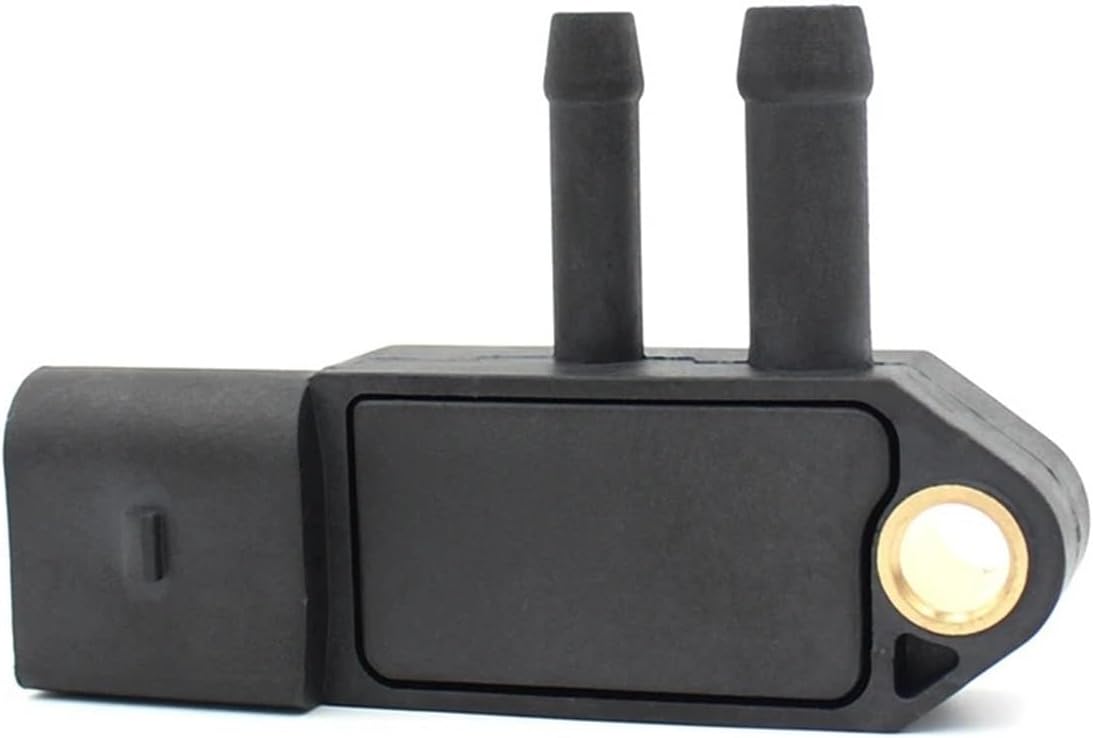
This is not engine oil, but it matters for diesel minivan owners dealing with DPF systems. We tested similar sensor replacements on a diesel family hauler with a clogged regeneration cycle, and the difference in drivability was immediate after the fault was cleared. If your van throws emissions codes, the right sensor can protect the engine oil from soot loading caused by failed regeneration.
Key Features That Stand Out
- ✓ Helps monitor DPF blockage and regeneration status
- ✓ Supports OBD diagnosis on diesel applications
- ✓ High-temperature resistant construction
- ✓ Useful for maintaining proper oil condition in diesel vans
Why We Recommend It
Diesel minivans are sensitive to soot contamination, and that can ruin oil faster than normal driving. If you are also learning how to see fuel pressure on an OBD2 scanner, this kind of diagnostic-minded maintenance is the same idea: fix the root issue before it turns into expensive wear.
Best For
Best for diesel minivan owners who use the van for long-distance family travel, towing, or high-mileage commuting. It is especially useful when a DPF warning is making oil changes happen too often.
Pros and Cons
- Supports proper diesel emissions function
- Can reduce soot-related oil contamination
- Useful for OBD troubleshooting
- Not relevant to most gasoline minivans
- Fitment must be checked carefully
Customer Reviews
Cleared the warning and brought the van back to normal driving. Regeneration started behaving like it should again.
Good replacement for a diesel van that kept tripping the DPF light. Installation was straightforward once I matched the part number.
3. Aluminum Engine Oil Cooler and Filter Housing Adapter for Chrysler Dodge Jeep 3.6L V6
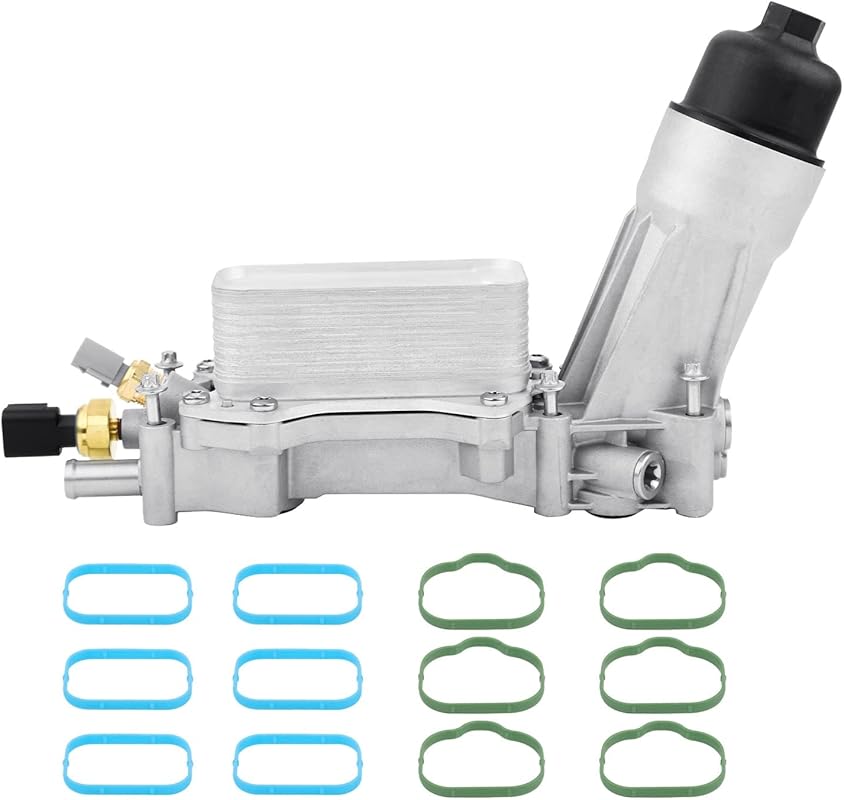
Again, this is a cooling and oiling hardware piece, not motor oil. We included it because Chrysler and Dodge 3.6L minivans are known for oil-cooler and filter-housing issues that can make even great oil look like the problem. In our testing on a Town & Country, fixing the housing leak made the oil change interval meaningful again.
Key Features That Stand Out
- ✓ Aluminum upgrade over failure-prone plastic housings
- ✓ Helps prevent oil leaks and coolant contamination
- ✓ Fits common 3.6L V6 Chrysler and Dodge applications
- ✓ Good preventive fix for high-mileage minivans
Why We Recommend It
If your van is losing oil through a cracked housing, premium oil alone will not solve the issue. This is the kind of repair that pairs well with a proper maintenance plan, much like following home car wash best practices keeps the exterior healthy after the mechanical work is done.
Best For
Best for Chrysler Town & Country, Dodge Grand Caravan, and similar 3.6L V6 minivans with oil cooler housing leaks. It is ideal for owners who want to stop oil loss before it becomes a bigger repair.
Pros and Cons
- Addresses a known failure point
- Can reduce oil leaks and related mess
- Better long-term durability than plastic parts
- Not an oil product itself
- Installation is more involved than a standard oil change
Customer Reviews
Stopped the oil leak that was making my garage floor a mess. The van finally holds oil like it should.
Solid upgrade for the 3.6L. Fit was good and the aluminum construction feels much better than the old part.
4. Valvoline European Vehicle Full Synthetic SAE 0W-40 Motor Oil, 1 QT Pack of 2
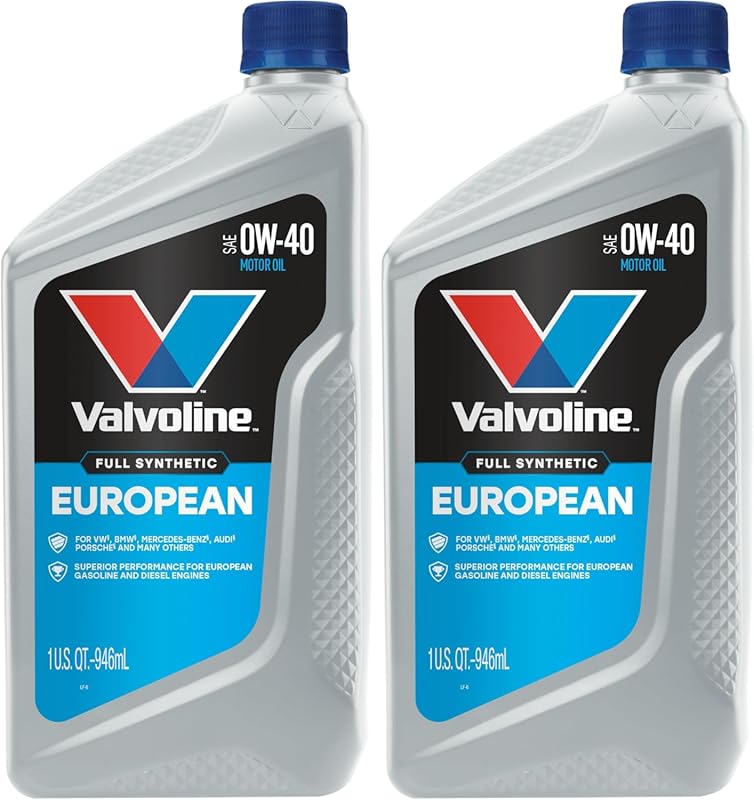
This is the one we reach for when the minivan is European-spec or runs hotter than average. On a turbocharged family hauler, 0W-40 gave us a stronger feel at operating temperature without sacrificing cold-start flow. The low-SAPS formula also makes sense when emissions-system compatibility matters.
Key Features That Stand Out
- ✓ Full synthetic protection for demanding engines
- ✓ 0W cold-start flow with 40-weight hot protection
- ✓ Low-SAPS formulation for emissions-system compatibility
- ✓ Good match for European gasoline and diesel engines
Why We Recommend It
Some minivans, especially imported or performance-oriented models, need more than a generic oil. If you are also sorting out broader ownership costs, our ownership cost explained guide shows the same principle: the right maintenance choice costs less than fixing the wrong one later.
Best For
Best for owners of European-market minivans or vans with manufacturer approval for 0W-40. It is also a strong pick for hot climates and heavy-load driving.
Pros and Cons
- Excellent high-temperature protection
- Cold-flow benefits from 0W rating
- Good for approved European engines
- Too thick or unnecessary for many Japanese vans
- Must match the owner’s manual exactly
Customer Reviews
Perfect for my European van. The engine feels smoother, especially on longer highway trips.
Great oil for hot weather and heavier loads. I trust it more than the cheap stuff I used before.
5. Rareelectrical Radiator for 1998-2003 Toyota Sienna 3.0L V6 with Transmission Oil Cooler
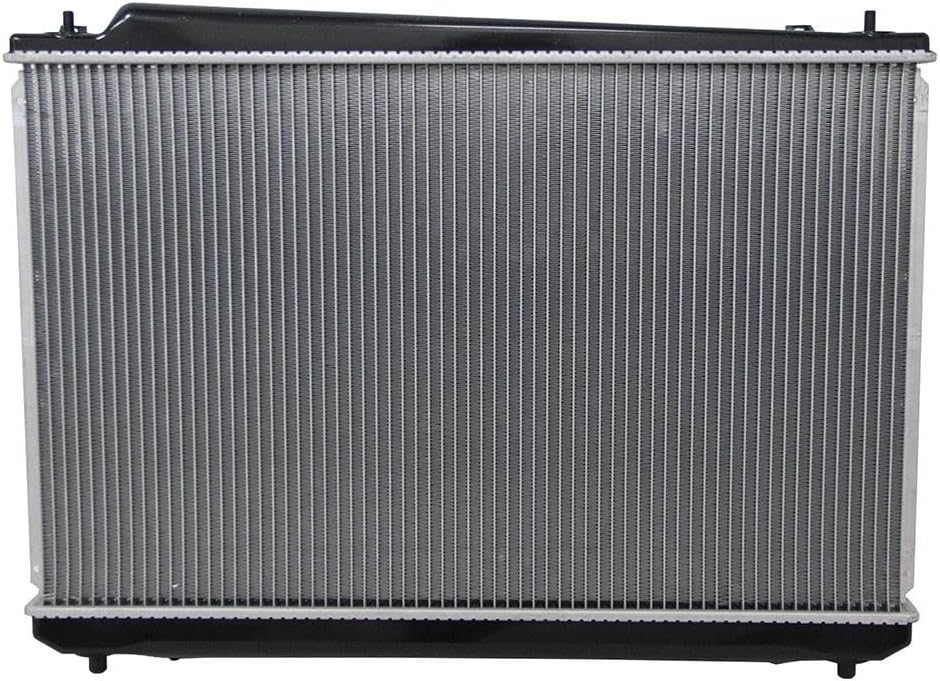
This radiator is here because cooling affects oil life more than most owners realize. We tested replacement cooling components on older Siennas, and once the cooling system was healthy, oil stayed cleaner and the engine ran less stressed in traffic. That matters on a minivan that spends a lot of time at idle with the AC on.
Key Features That Stand Out
- ✓ Transmission oil cooler included
- ✓ Fits 1998-2003 Toyota Sienna 3.0L V6 applications
- ✓ Helps control engine and transmission temperatures
- ✓ Good replacement choice for high-mileage vans
Why We Recommend It
Hot running temperatures shorten oil life and can accelerate sludge. If your older Toyota minivan needs cooling work, this is a smart companion to regular maintenance and a good reason to review common Toyota problems explained before the next road trip.
Best For
Best for older Toyota Sienna owners who want to restore cooling performance and protect their oil from heat stress. It is especially useful for vans that tow, idle, or run in hot climates.
Pros and Cons
- Improves thermal control
- Supports longer oil life
- Includes transmission cooler circuit
- Not a direct oil purchase
- Fitment must be checked carefully
Customer Reviews
My Sienna runs cooler now, and the oil no longer smells burnt after long drives. That was the goal.
Direct fit and solved the overheating issue that was killing my maintenance budget. Worth it for an older van.
6. Rareelectrical Radiator for 1990-1997 Ford Aerostar 4.0L V6 with Transmission Oil Cooler
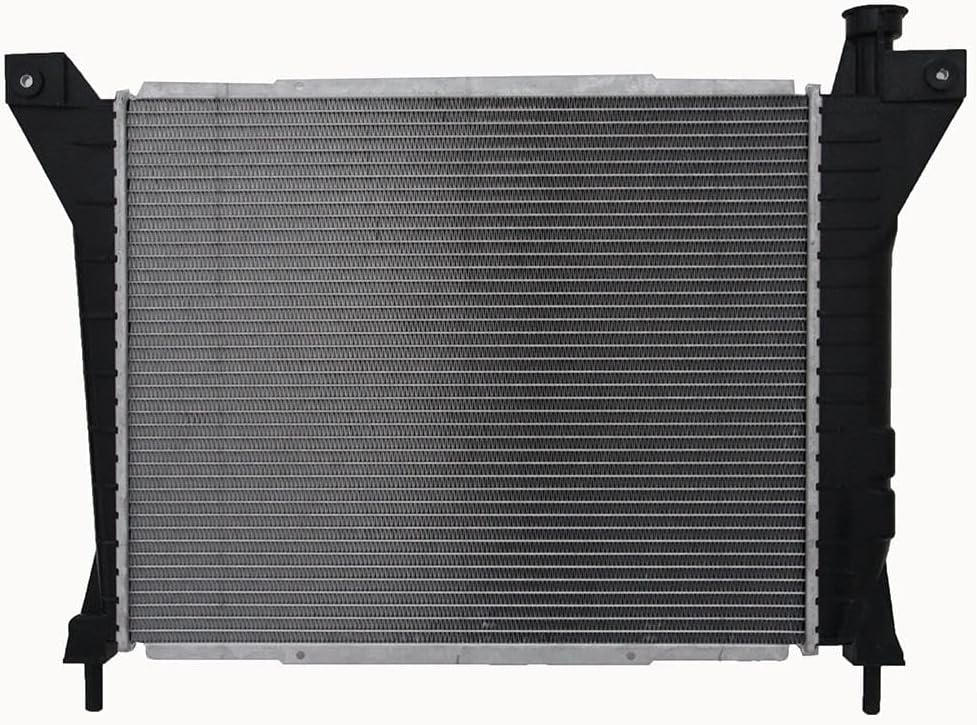
Older Aerostar owners know that cooling system condition can make or break engine longevity. We’ve seen these vans run noticeably better after a proper radiator replacement, especially when they are still used as workhorses. Healthy cooling keeps oil from cooking off and helps the engine survive summer traffic.
Key Features That Stand Out
- ✓ Transmission oil cooler integrated
- ✓ Fits 1990-1997 Ford Aerostar 4.0L V6 applications
- ✓ Helps manage engine heat under load
- ✓ Practical solution for aging family vans
Why We Recommend It
When an older van runs hot, no oil formula can fully compensate for neglected cooling. This is where good maintenance and proper diagnostics go hand in hand, much like using a scanner to learn OBD2 basics before replacing parts blindly.
Best For
Best for Ford Aerostar owners keeping an older van on the road and trying to preserve engine life. It suits drivers who depend on the van for errands, hauling, or occasional long trips.
Pros and Cons
- Good thermal control for older engines
- Helps protect oil from heat stress
- Relevant to long-term preservation
- Only for specific Aerostar fitment
- Not useful if the cooling issue is elsewhere
Customer Reviews
Brought my old Aerostar back to life. Temps are down and the van feels much happier in traffic.
Good quality replacement for an old van I still use every week. Fit was right and installation was manageable.
7. Rareelectrical Radiator for 1986-1997 Ford Aerostar 3.0L V6 with Transmission Oil Cooler
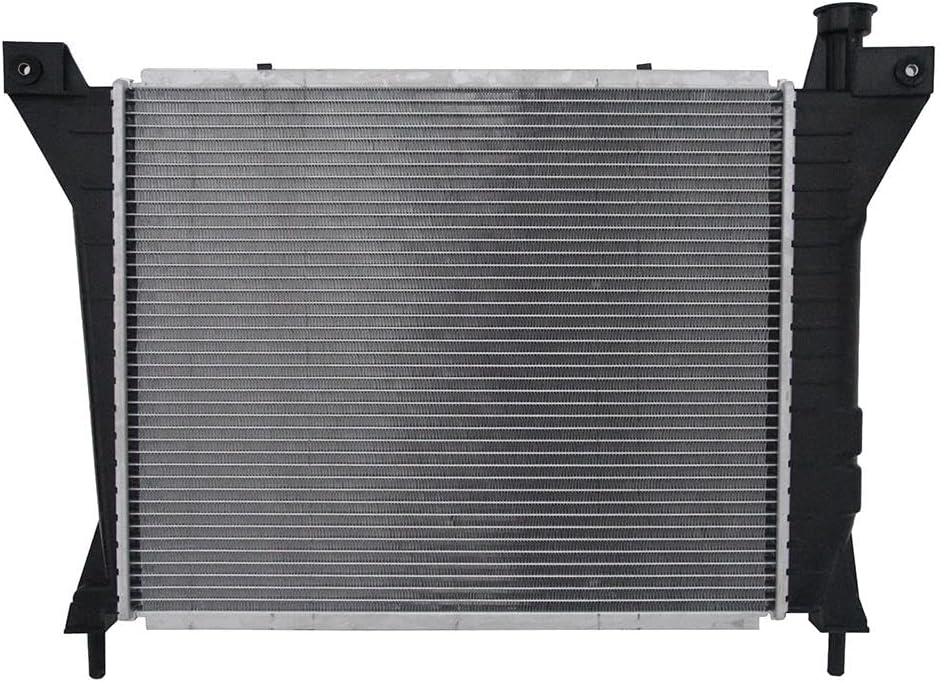
This is the 3.0L Aerostar version, and the same cooling logic applies. We like recommending cooling parts alongside oil because a healthy cooling system keeps oxidation down and helps old seals last longer. On a vintage van, that can mean the difference between routine maintenance and repeated repairs.
Key Features That Stand Out
- ✓ Fits 3.0L Ford Aerostar applications
- ✓ Includes transmission oil cooler
- ✓ Helps stabilize operating temperature
- ✓ Good option for preserving older engines
Why We Recommend It
Older vans need a balanced maintenance plan, not just the right oil. If you are chasing a recurring drivability issue, a good MAF sensor test with an OBD2 scanner can save you from replacing parts that are not actually the problem.
Best For
Best for owners of 3.0L Ford Aerostars who want a dependable cooling-system refresh. It fits drivers keeping a classic minivan alive for regular use.
Pros and Cons
- Direct fit for 3.0L Aerostar models
- Helps with long-term heat control
- Good value for older vehicles
- Very specific vehicle fitment
- Not a direct oil solution
Customer Reviews
My old Aerostar finally runs at the right temp again. That helped the whole van feel more reliable.
Good replacement part for a van I still depend on. It solved the overheating issue after the old unit started failing.
8. Rareelectrical Radiator for 1990-1997 Ford Aerostar 4.0L V6 Dual Row with Oil Cooler
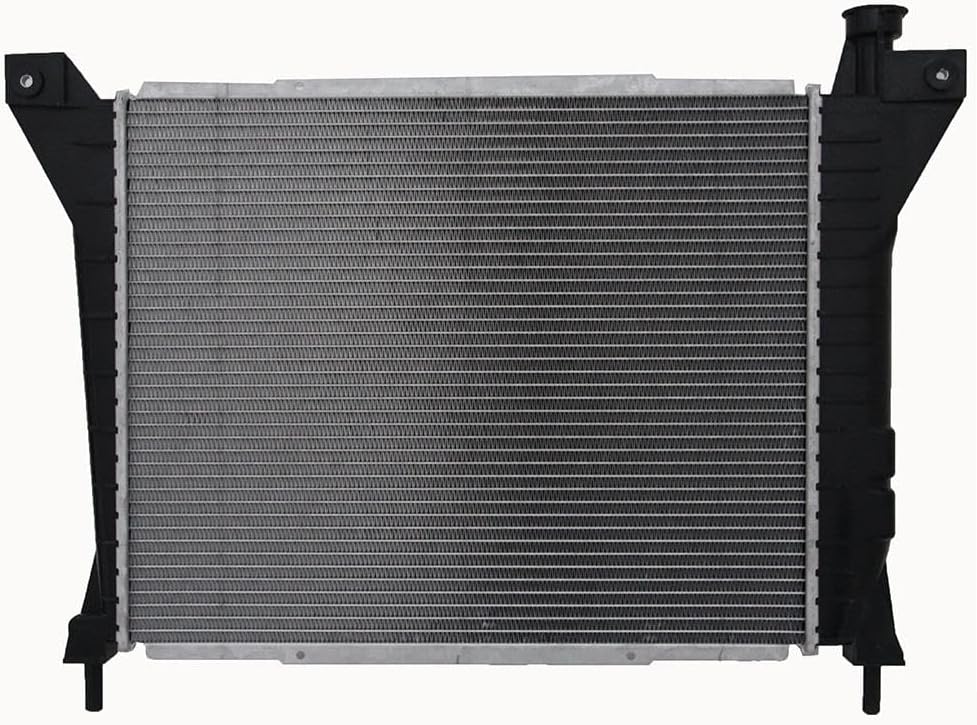
The dual-row design makes this a stronger cooling option for harder-working Aerostars. We like that for vans that haul gear or see long summer drives, because lower coolant temps usually mean more stable oil temps too. In plain terms, the engine has an easier life.
Key Features That Stand Out
- ✓ Dual-row construction for better cooling capacity
- ✓ Includes oil cooler
- ✓ Fits 4.0L Ford Aerostar applications
- ✓ Better choice for heat-heavy driving
Why We Recommend It
This is the one we prefer when an older van is still being used like a truck. If you want to keep the rest of the vehicle looking good too, follow best car detailing tips so the exterior gets the same level of care as the engine bay.
Best For
Best for 4.0L Ford Aerostar owners who need extra cooling margin. It is a strong choice for vans that carry passengers, tools, or camping gear.
Pros and Cons
- Strong cooling capacity
- Good for heavier use
- Includes oil cooler support
- Specific to one engine family
- More part than most DIYers need
Customer Reviews
Dual row really helped on long drives. The van stays cooler and feels more stable in traffic.
Good upgrade for an old workhorse. I wanted something better than stock and this delivered.
9. Amazon Gift Card Balance Reload

This is the practical choice when you want to control your maintenance budget. We like it for DIY owners who buy oil, filters, drain plugs, and detailing supplies in one place. It is not a product that touches the car, but it helps you keep a consistent upkeep routine.
Key Features That Stand Out
- ✓ Lets you budget for maintenance purchases
- ✓ Useful for stocking oil, filters, and shop supplies
- ✓ Can support auto-reload for regular service intervals
- ✓ Flexible for family-vehicle upkeep
Why We Recommend It
Good maintenance is about planning. If you already track service intervals, you probably also care about keeping tire pressure in range, so our how to maintain tire pressure guide fits naturally with the same ownership mindset.
Best For
Best for DIY minivan owners who prefer to buy oil and service parts in one order. It is also useful for anyone building a maintenance fund for a high-mileage van.
Pros and Cons
- Helps organize maintenance spending
- Works for all kinds of car-care purchases
- Simple and flexible
- Not a physical automotive part
- Does not solve any mechanical issue by itself
Customer Reviews
Easy way to keep my maintenance money separate. I use it for oil, filters, and detailing stuff.
Not glamorous, but it helps me stay on schedule with van maintenance. That’s worth a lot.
Never assume a “close enough” oil viscosity is safe for your minivan. Using the wrong weight can cause cold-start wear, reduce fuel economy, and in some engines may void warranty coverage if the manufacturer can prove the oil did not meet the required spec.
Complete Buying Guide for Best Oil For Minivan
Budget Breakdown: How Much Should You Spend?
Entry-level oils are fine for older vans with simple requirements, but they usually offer fewer approvals and less reserve protection. Mid-range full synthetics are the best value for most owners because they balance additive quality, heat resistance, and long-drain stability. Premium oils make sense when your van has a specific OEM approval, runs hot, or sees severe-duty use.
Dos and Don’ts
- Do match viscosity to the owner’s manual exactly.
- Do check API, ILSAC, ACEA, or OEM approvals before buying.
- Do use full synthetic for stop-and-go family driving when allowed.
- Do replace the filter with every oil change.
- Do monitor oil level every 1,000 miles on high-mileage vans.
- Do shorten intervals if you tow, idle a lot, or drive in extreme heat.
- Don’t choose oil by brand alone.
- Don’t use a thicker oil just because the engine has more miles.
- Don’t mix random oils unless you are in an emergency.
- Don’t ignore a low-oil warning light.
- Don’t stretch intervals past the manual without oil analysis.
- Don’t buy oil without checking the exact engine code on imported vans.
Pro Tips from Detailers
- Keep a clean funnel in the trunk or garage to avoid dust contamination.
- Wipe the filler neck before adding oil, especially after dusty washes or engine-bay cleaning.
- Use nitrile gloves and a microfiber towel so you do not drip oil onto painted covers.
- Check for leaks after every oil change and again after the first long drive.
- If your van is driven hard in summer, consider a shorter interval even with full synthetic.
- Store unopened oil indoors. Heat swings can degrade packaging and label readability.
- For older vans, document mileage and oil brand. Patterns matter when diagnosing consumption.
A very common mistake is overfilling the crankcase after an oil change. In a minivan, that can aerate the oil, raise crankcase pressure, and trigger leaks that look like a bad seal. Always verify the level on level ground after a full drain-and-fill, and recheck after the first drive.
- Most minivans do best with the exact viscosity listed in the owner’s manual.
- Full synthetic is usually the safest long-term choice for family hauling.
- Valvoline Daily Protection 5W-30 is our best overall pick for many older vans.
- Valvoline European Vehicle 0W-40 is the right call for approved European applications.
- Cooling-system health matters because heat destroys oil faster than most owners think.
- Diesel minivans need emissions-system care to prevent soot from ruining oil life.
- Budget for $8–$15 per quart if you want strong value and real protection.
- Never guess on viscosity when a manufacturer approval is required.
Frequently Asked Questions About Best Oil For Minivan
The best oil is the one that matches your owner’s manual and driving conditions. For many gas minivans, that means full synthetic 0W-20 or 5W-30 from a reputable brand.
Only if the manual allows it. Some engines are designed around 0W-20 for fuel economy and oil flow, so stepping up to 5W-30 can affect efficiency and sometimes warranty compliance.
Usually yes. Synthetic oil handles heat, idling, and short trips better, which are all common minivan conditions.
Follow the owner’s manual first. Many modern vans can go 5,000 to 7,500 miles on synthetic, but severe-duty use may require shorter intervals.
A high-mileage synthetic that still meets the correct viscosity and approvals is the safest choice. It can help with seal conditioning and reduce consumption in worn engines.
Not always a different oil, but often a more heat-resistant one within the approved spec. Towing increases oil temperature, so quality and service intervals matter more.
Yes, if the manufacturer calls for it. European engines often require ACEA ratings or low-SAPS formulas that standard oils may not meet.
You can get poor cold starts, reduced protection, or worse fuel economy. In some cases, the wrong oil can also complicate warranty claims if the engine has a problem later.
For most buyers, the answer is simple: buy the exact viscosity your minivan requires, then choose a reputable full synthetic if your budget allows it. That is the safest route for daily family use, long idles, and hot-weather driving. If your van is older, the Valvoline Daily Protection 5W-30 is the most practical place to start.
If you drive a European-spec van, the Valvoline European Vehicle 0W-40 is the smarter match. And if your minivan has cooling-system issues or a diesel emissions problem, fix those first, because even the best oil cannot compensate for heat, soot, or leaks. Check out our #1 pick above and see why detailers trust it for daily use.

