Choosing the best fabric for car seat covers means balancing durability, comfort, and ease of maintenance. This guide helps you pick long-lasting materials like neoprene, leather, and polyester blends that protect your seats and look great for years.
Quick Answers to Common Questions
Tip/Question?
What’s the most durable fabric for pet owners?
Neoprene is the top choice—it’s waterproof, scratch-resistant, and easy to clean after muddy paws.
Tip/Question?
Can I use seat covers in hot weather?
Yes! Choose breathable fabrics like mesh or perforated leather to stay cool and prevent sweat buildup.
Tip/Question?
Are universal seat covers worth it?
They’re cheaper but may not last as long. For durability, custom-fit covers are the better investment.
Tip/Question?
How often should I clean my seat covers?
Vacuum weekly and deep clean every 1–2 months, or immediately after spills.
Tip/Question?
Does fabric color affect durability?
Light colors show less dirt but may fade faster in the sun. Dark colors hide wear but can get hot.
How to Choose the Best Fabric for Car Seat Covers That Lasts Long
If you’ve ever replaced car seat covers only to see them fade, tear, or stain within months, you’re not alone. The secret to long-lasting protection isn’t just about style—it’s about choosing the right fabric. Whether you drive a family SUV, a rugged truck, or a sleek sedan, the material of your seat covers plays a huge role in how well they hold up over time.
In this guide, you’ll learn how to pick the best fabric for car seat covers that combines durability, comfort, and ease of cleaning. We’ll walk you through the top materials, how to match them to your lifestyle, and tips to make them last. By the end, you’ll know exactly what to look for—and avoid—when shopping for seat covers that truly stand the test of time.
Step 1: Understand Your Driving Lifestyle
Before diving into fabrics, ask yourself: How do you use your car?
Daily Commuter?
If you drive to work every day, your seat covers face constant use. Look for fabrics that resist wrinkles, fading, and general wear. Polyester blends and microfiber are great choices—they’re affordable and hold up well under daily pressure.
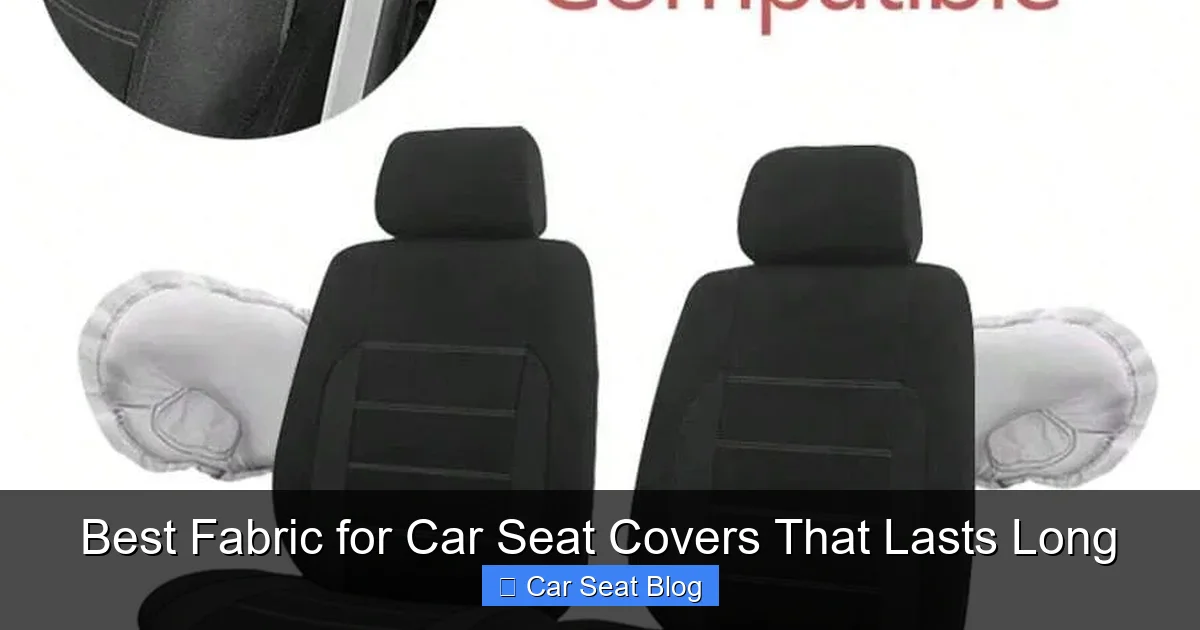
Visual guide about Best Fabric for Car Seat Covers That Lasts Long
Image source: img.ltwebstatic.com
Family with Kids or Pets?
Spills, muddy paws, and juice boxes are inevitable. Choose water-resistant or waterproof materials like neoprene or vinyl. These fabrics are easy to wipe clean and won’t soak up liquids.
Outdoor Enthusiast?
Hiking, camping, or beach trips mean sand, dirt, and moisture. Neoprene and heavy-duty canvas are excellent for rugged use. They’re tough, flexible, and dry quickly.
Hot Climate Driver?
In sunny areas, seats can get scorching. Avoid dark, non-breathable fabrics. Instead, opt for light-colored, breathable materials like mesh or perforated leather to keep cool.
Step 2: Compare the Top Fabrics for Longevity
Not all fabrics are created equal. Here’s a breakdown of the most durable options.
Neoprene: The All-Weather Champion
Neoprene is a synthetic rubber fabric originally used in wetsuits. It’s stretchy, waterproof, and incredibly durable. Perfect for families, pet owners, or anyone who values easy cleanup.
- Pros: Waterproof, stain-resistant, flexible, soft feel.
- Cons: Can trap heat if not ventilated; slightly more expensive.
- Best for: SUVs, trucks, and active lifestyles.
Example: A parent with two kids and a dog might choose neoprene covers to handle spilled drinks and muddy paws without worry.
Leather: Luxury That Lasts
Real or high-quality faux leather offers a premium look and excellent durability. It resists scratches and is easy to wipe down. Genuine leather ages beautifully, developing a rich patina over time.
- Pros: Stylish, long-lasting, easy to clean, increases resale value.
- Cons: Can get hot in summer; requires conditioning to prevent cracking.
- Best for: Luxury cars, executive vehicles, or anyone wanting a high-end feel.
Tip: Use a leather conditioner every 3–6 months to keep it supple and prevent drying.
Polyester Blends: Tough and Affordable
Polyester is a synthetic fiber known for strength and resistance to shrinking and stretching. When blended with other materials (like spandex or nylon), it becomes even more durable and flexible.
- Pros: Budget-friendly, fade-resistant, wrinkle-free, widely available.
- Cons: Can feel less breathable; lower-end blends may pill over time.
- Best for: Daily drivers, commuters, and budget-conscious buyers.
Example: A college student driving an older sedan might choose polyester covers for their affordability and ease of replacement.
Canvas: Rugged and Reliable
Heavy-duty canvas is used in work trucks and outdoor vehicles. It’s thick, abrasion-resistant, and handles dirt and moisture well.
- Pros: Extremely durable, great for rough use, breathable.
- Cons: Can be stiff; may require more frequent cleaning.
- Best for: Trucks, off-road vehicles, and work vehicles.
Mesh and Breathable Fabrics: Stay Cool
Mesh fabrics allow air to flow through, reducing heat buildup. Often used in performance or sport seat covers, they’re ideal for hot climates.
- Pros: Excellent ventilation, lightweight, modern look.
- Cons: Less protective against spills; may not be as durable.
- Best for: Sports cars, convertibles, and drivers in warm regions.
Step 3: Look for Key Features That Extend Lifespan
Even the best fabric won’t last if it lacks protective features. Here’s what to check:
UV Resistance
Sunlight breaks down fibers over time, causing fading and brittleness. Look for seat covers labeled “UV-resistant” or “sunproof.” This is especially important if your car sits in direct sunlight often.
Stain and Water Resistance
Fabrics with a protective coating (like Scotchgard) repel liquids and make spills easier to wipe away. Neoprene and treated polyester often include this feature.
Anti-Microbial Treatment
Great for families or pet owners, this prevents odor-causing bacteria and mold from growing—especially useful in humid climates.
Reinforced Stitching
Double or triple stitching at stress points (like seams and edges) prevents tearing. Always inspect the quality of stitching before buying.
Step 4: Choose the Right Fit
A poorly fitting cover will shift, wrinkle, and wear out faster—no matter how durable the fabric.
Custom-Fit vs. Universal
Custom-fit covers are tailored to your car’s make, model, and year. They hug the seats perfectly, reducing friction and bunching.
- Custom-fit: More expensive but lasts longer and looks better.
- Universal: Cheaper and adjustable, but may not cover edges fully.
Tip: If you plan to keep your car for years, invest in custom-fit covers. They’re worth the extra cost.
Step 5: Maintain Your Seat Covers for Maximum Lifespan
Even the toughest fabric needs care. Follow these tips to keep your seat covers looking new.
Clean Regularly
Vacuum weekly to remove dust and debris. Wipe down surfaces with a damp cloth and mild soap monthly. For spills, act fast—blot, don’t rub.
Use the Right Cleaners
Check the manufacturer’s instructions. Avoid harsh chemicals like bleach or ammonia, which can damage fibers. Use fabric-specific cleaners for best results.
Condition Leather Covers
Apply a leather conditioner every few months to prevent cracking. This keeps the material flexible and shiny.
Air Dry Only
Never use a dryer or direct heat to dry seat covers. Let them air dry to avoid shrinking or warping.
Troubleshooting Common Issues
Fabric Pilling or Fraying?
This usually happens with low-quality polyester or improper washing. Switch to a gentler cycle and avoid fabric softeners. Replace if damage is severe.
Stains Won’t Come Out?
Act quickly. Use a stain remover designed for the fabric type. For set-in stains, try a mix of baking soda and water, then rinse.
Covers Slipping or Bunching?
This is a fit issue. Ensure you’ve installed them correctly. If using universal covers, consider upgrading to custom-fit for a snugger hold.
Conclusion
Choosing the best fabric for car seat covers isn’t just about looks—it’s about protecting your investment and enhancing your driving experience. Whether you go for the rugged reliability of neoprene, the elegance of leather, or the affordability of polyester blends, the right material will save you money and hassle in the long run.
Remember: match the fabric to your lifestyle, prioritize features like UV and stain resistance, and always opt for a proper fit. With regular care, your seat covers can last for years—keeping your car’s interior fresh, clean, and stylish.
Don’t settle for flimsy covers that wear out in months. Invest in quality, and your seats will thank you.

