Neoprene car seat covers offer excellent protection, comfort, and style for your vehicle. They’re water-resistant, durable, and easy to clean—ideal for families, pet owners, and outdoor enthusiasts. This guide helps you decide if they’re the right choice.
Quick Answers to Common Questions
Tip/Question?
Can neoprene seat covers be used with heated seats?
Yes! Most neoprene covers are compatible with heated seats. The material conducts heat well, so you’ll still feel warmth. Just ensure the cover isn’t too thick—3mm is ideal.
Tip/Question?
Do neoprene covers smell?
New neoprene may have a slight rubbery odor, but it fades within a few days. Ventilate your car and avoid leaving covers in direct sunlight to speed up the process.
Tip/Question?
Can I install neoprene covers myself?
Absolutely! Most covers are designed for DIY installation and take 15–30 minutes per seat. No tools required—just follow the included instructions.
Tip/Question?
Are neoprene covers good for leather seats?
Yes! They protect leather from sweat, oils, and wear. Just make sure the inner lining is soft to avoid scratching the leather surface.
Tip/Question?
How long do neoprene seat covers last?
With proper care, high-quality neoprene covers can last 5–10 years. They resist fading, tearing, and wear much better than fabric alternatives.
Are Neoprene Car Seat Covers Good for Your Vehicle?
If you’re looking to protect your car’s interior while adding a layer of comfort and style, neoprene car seat covers might be exactly what you need. But are they really worth it? In this complete guide, we’ll walk you through everything you need to know about neoprene seat covers—what they are, how they work, their pros and cons, and how to choose and install them properly. Whether you’re a weekend adventurer, a parent with messy kids, or just someone who wants to keep their car looking fresh, this guide will help you decide if neoprene is the right fit for your ride.
What Are Neoprene Car Seat Covers?
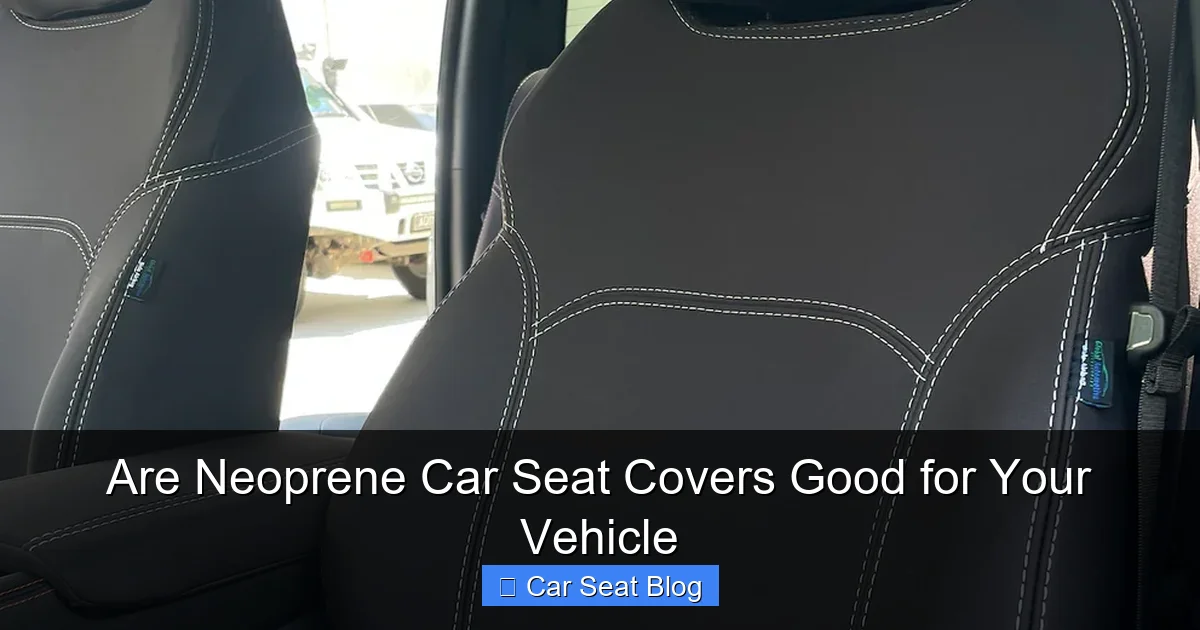
Visual guide about Are Neoprene Car Seat Covers Good for Your Vehicle
Image source: globalautomotive.com.au
Neoprene is a synthetic rubber originally developed for wetsuits. It’s known for its flexibility, insulation, and resistance to water, oil, and heat. When used in car seat covers, neoprene creates a protective barrier between your original upholstery and everyday messes.
Unlike basic fabric or polyester covers, neoprene is thick, cushioned, and form-fitting. It’s often compared to memory foam in feel but with added durability. Most neoprene seat covers are made from a layered construction—outer neoprene for protection, a middle foam layer for comfort, and a soft inner lining that won’t scratch your seats.
Why Choose Neoprene Over Other Materials?
With so many seat cover options on the market—leather, canvas, polyester, and more—why go with neoprene? Here’s how it stacks up:
Water and Stain Resistance
Neoprene is naturally water-resistant. Spills from coffee, soda, or rain won’t soak through. Instead, they bead up on the surface, making cleanup as easy as a quick wipe with a damp cloth. This is a game-changer for parents, pet owners, or anyone who commutes in unpredictable weather.
Durability and Wear Protection
Neoprene holds up well against abrasion, UV rays, and daily use. It won’t fade quickly in the sun, and it resists tearing from sharp objects like keys or pet claws. Over time, this means your original seats stay in better condition, which can boost your car’s resale value.
Comfort in Extreme Temperatures
One common complaint about leather seats is that they get scorching hot in summer and freezing in winter. Neoprene, on the other hand, has insulating properties. It stays relatively cool in heat and doesn’t get icy in cold weather—making it more comfortable for long drives or daily commutes.
Noise Reduction
The thick, cushioned design of neoprene helps absorb road noise and vibrations. If you drive on rough terrain or spend a lot of time on highways, this can make your ride noticeably quieter and more pleasant.
Who Should Use Neoprene Seat Covers?
Neoprene isn’t just for off-roaders or beachgoers—though it’s perfect for them. Here are some ideal users:
- Pet Owners: Dogs and cats can shed, drool, or track in mud. Neoprene protects seats and is easy to clean.
- Families with Kids: Spills, snacks, and sticky fingers are no match for neoprene’s wipe-clean surface.
- Outdoor Enthusiasts: Hikers, surfers, and campers often bring wet or dirty gear into their cars. Neoprene handles it all.
- Commuters in Harsh Climates: Whether you live in a rainy city or a snowy mountain town, neoprene offers reliable protection.
- Car Enthusiasts: If you want to preserve your factory upholstery while upgrading comfort, neoprene is a smart investment.
How to Choose the Right Neoprene Seat Covers
Not all neoprene covers are created equal. Here’s how to pick the best ones for your vehicle.
1. Check for a Custom Fit
Universal seat covers can shift, bunch, or leave gaps. Look for covers designed specifically for your car’s make, model, and year. Custom-fit neoprene covers hug your seats like a glove, offering better protection and a cleaner look.
2. Consider Thickness and Density
Neoprene comes in different thicknesses—usually 2mm to 5mm. Thicker covers (3mm–5mm) offer more cushioning and durability but may feel bulkier. For most drivers, 3mm is the sweet spot: protective without being too stiff.
3. Look for Airbag Compatibility
If your car has side airbags in the seats, make sure the covers are labeled “airbag-safe.” These have built-in stitching or seams that allow the airbag to deploy properly in an accident. Never use non-compatible covers—it could be dangerous.
4. Choose the Right Color and Style
Neoprene comes in a variety of colors and patterns, from classic black to bold camo or racing stripes. Pick a style that matches your car’s interior and your personal taste. Dark colors hide dirt better, while lighter shades can brighten up a cabin.
5. Check for Eco-Friendly Options
Some brands use recycled neoprene or eco-conscious manufacturing processes. If sustainability matters to you, look for certifications or product descriptions that highlight environmental responsibility.
Step-by-Step: How to Install Neoprene Seat Covers
Installing neoprene seat covers is usually straightforward, but doing it right ensures a snug, professional fit.
Step 1: Remove Headrests (If Needed)
Most covers require you to take off the headrests first. Look for a release button or lever at the base of the headrest post. Gently pull the headrest up and out.
Step 2: Clean Your Seats
Wipe down your original seats with a damp cloth to remove dust, crumbs, or grease. Let them dry completely. A clean surface helps the covers stay in place and prevents odors.
Step 3: Position the Cover
Unpack the neoprene cover and lay it over the seat. Make sure the front, back, and sides align properly. Most covers have labels like “Front,” “Left,” or “Right” to help you orient them.
Step 4: Secure the Cover
Start by tucking the cover into the crevices between the seat cushions. Use your hands to push the material deep into the gaps. Then, fasten any straps, hooks, or buckles underneath the seat. These keep the cover from shifting while driving.
Step 5: Reattach Headrests
Once the cover is secure, reinsert the headrests through the designated holes in the cover. Make sure they click into place and are stable.
Step 6: Adjust and Smooth
Sit in the seat and adjust the cover as needed. Smooth out any wrinkles or bunching. The cover should feel tight and wrinkle-free.
Maintenance and Cleaning Tips
One of the biggest advantages of neoprene is how easy it is to clean. Here’s how to keep your covers looking great.
Daily Wipe-Downs
Use a microfiber cloth and mild soap solution to wipe away dust, spills, or pet hair. Avoid harsh chemicals—they can degrade the material over time.
Deep Cleaning
For tougher stains or odors, remove the covers (if possible) and hand wash them in cool water with a gentle detergent. Rinse thoroughly and air dry. Never use a dryer—heat can damage neoprene.
Machine Washing (If Allowed)
Some covers are machine washable. Check the manufacturer’s instructions. If approved, use a gentle cycle with cold water and mild detergent. Air dry only.
Preventing Odors
To avoid mildew or musty smells, make sure the covers are completely dry before reinstalling. If you’ve been in wet gear, let the car air out with windows slightly open.
Troubleshooting Common Issues
Even the best neoprene covers can have hiccups. Here’s how to fix common problems.
Cover Slipping or Bunching
This usually happens with universal-fit covers. Solution: Upgrade to a custom-fit model or use non-slip seat pads underneath for extra grip.
Fading or Discoloration
Prolonged sun exposure can fade neoprene over time. Use sunshades when parked and consider UV-protective sprays designed for automotive use.
Stiffness in Cold Weather
Neoprene can feel stiff in freezing temperatures. It will soften as the car warms up. Avoid pulling or stretching it when cold—this can cause tears.
Airbag Warning Light
If your car’s airbag light comes on after installation, the cover may be interfering with the sensor. Recheck the fit and ensure all seams are properly aligned. Contact the manufacturer if the issue persists.
Are Neoprene Seat Covers Worth It?
So, are neoprene car seat covers good for your vehicle? The short answer: yes—for most people.
They offer unbeatable protection against spills, dirt, and wear. They’re comfortable, durable, and surprisingly stylish. While they may cost more than basic fabric covers upfront, their longevity and performance often make them a smarter long-term investment.
Just remember to choose a high-quality, custom-fit set that’s compatible with your car’s safety features. And always follow care instructions to keep them in top shape.
Final Thoughts
Neoprene car seat covers are more than just a trend—they’re a practical upgrade for anyone who values cleanliness, comfort, and car care. Whether you’re protecting your seats from kids, pets, or outdoor adventures, neoprene delivers reliable performance with minimal effort.
By understanding what neoprene is, how it works, and how to choose and maintain the right covers, you can make an informed decision that keeps your vehicle looking and feeling great for years to come.

