Clay bar mistakes to avoid start with poor prep, weak lubrication, and using too much pressure. A clay bar can remove bonded contaminants and improve paint smoothness, but only when used carefully on clean, well-lubricated paint. If the surface is heavily dirty or damaged, professional help may be the safer choice.
Clay barring can make paint feel dramatically smoother, but it is also easy to get wrong. Many of the most common clay bar mistakes do not come from the clay itself; they come from skipping prep, using too much pressure, or assuming the clay can fix every paint problem.
If you are detailing at home, the goal is not just to remove contamination. It is to do it without creating new marks, wasting product, or damaging a finish that may already be delicate. The good news is that most clay bar mistakes are preventable with a simple process and a little patience.
This guide covers the clay bar mistakes to avoid for a perfect finish, along with practical tips for safer, more effective detailing. It also explains when claying makes sense, when it does not, and when expert help may be the better option.
- Prep matters: Wash the car first so the clay does not grind loose dirt into the paint.
- Use enough lubricant: Dry or lightly lubricated claying can cause marring and reduce the finish quality.
- Work in small sections: Smaller areas give you better control and help you catch contamination early.
- Fold the clay often: A clean surface on the clay reduces the risk of dragging debris across the paint.
- Do not overuse clay: Clay is for bonded contaminants, not for removing scratches, oxidation, or heavy buildup.
- Check the paint condition: Soft, dark, or delicate finishes may need extra care or a professional touch.
- Follow up properly: After claying, wipe the panel clean and protect it with wax, sealant, or coating.
This AAutomotives guide is written to help readers understand Clay Bar Mistakes to Avoid with clear, practical advice. Before publishing, review model-specific facts, dates, prices, safety points, and source links so the final article stays accurate and trustworthy.
- Why Clay Bar Prep Matters More Than Most People Think
- Mistake 1: Claying a Dirty or Poorly Washed Car
- Mistake 2: Using Too Little Lubricant
- Mistake 3: Applying Too Much Pressure
- Mistake 4: Working Too Large an Area at Once
- Mistake 5: Reusing Dirty Clay Without Folding or Discarding It
- Mistake 6: Expecting Clay to Fix Paint Damage
- Mistake 7: Skipping the Final Wipe and Protection Step
- How to Know When Claying Is Worth It
- Simple Clay Bar Process That Reduces Mistakes
- Cost, Time, and When Professional Help Makes Sense
- Conclusion: The Best Clay Bar Results Come From Restraint
Why Clay Bar Prep Matters More Than Most People Think
A clay bar works by pulling bonded contaminants off the paint surface. These contaminants can include road tar, industrial fallout, brake dust, tree sap mist, and other fine debris that washing alone may not remove.
That is why claying is often used after a careful wash, not instead of one. If dirt remains on the paint, the clay can trap and drag it across the panel, which increases the chance of light scratches or dull-looking marring.
For a cleaner process, many detailers treat claying as a controlled step in a larger wash routine. If you want a better foundation before claying, it helps to review the safest way to wash your car without scratches and common hand wash mistakes to avoid.
Clay bars remove bonded contamination, but they do not replace proper washing, polishing, or paint correction.
Mistake 1: Claying a Dirty or Poorly Washed Car
The biggest mistake is starting with a car that still has loose dirt on it. Even if the paint looks clean from a distance, dust and grit can remain in seams, around emblems, and on lower panels.
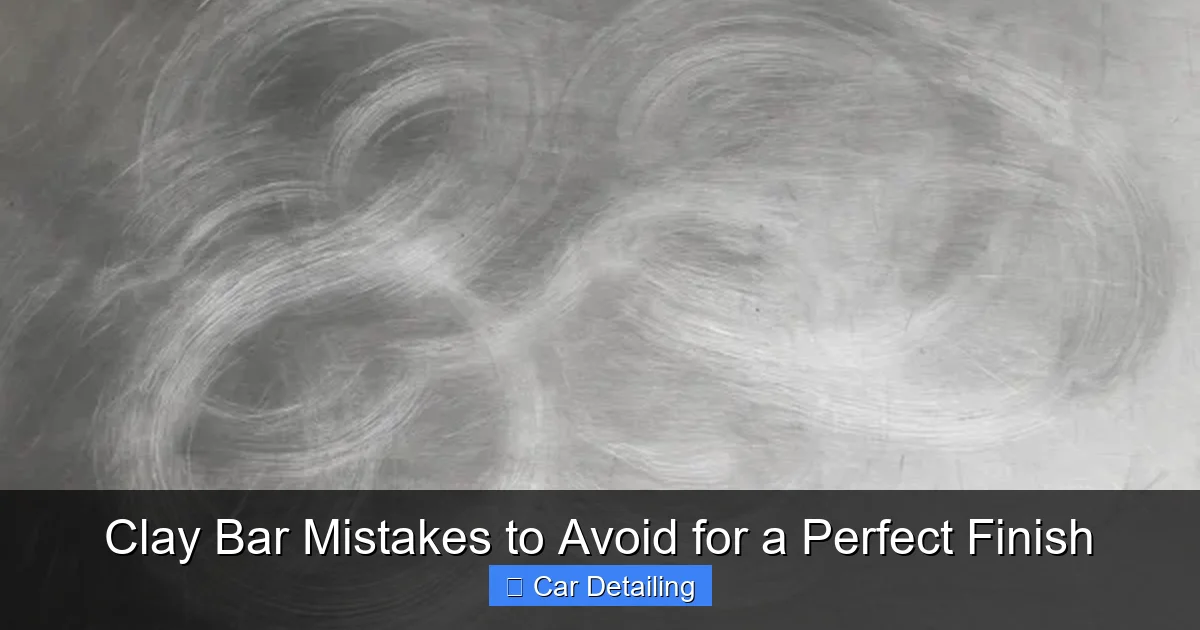
Visual guide about Clay Bar Mistakes to Avoid for a Perfect Finish
Image source: novogrit.com
When that debris gets picked up by the clay, it can scratch the surface as you glide the bar over the panel. That is why a thorough wash, rinse, and dry are essential before claying.
What to do instead
Wash the vehicle first, paying special attention to lower body panels, bumpers, and behind the wheels. If the car has been driven through heavy rain, road salt, or construction dust, rinse more carefully than usual.
A good rule is simple: if the paint still feels gritty after washing, it may need claying. If it feels contaminated and you skipped the wash, stop and clean it first.
Never use a clay bar on a panel that still has visible dirt, sand, or heavy grime. That is one of the fastest ways to create marring.
Mistake 2: Using Too Little Lubricant
Clay needs lubrication to move smoothly across the paint. Without enough lubricant, the clay can stick, chatter, or drag, which increases friction and leaves a rougher finish.
Some people try to save product by misting only a little detail spray. Others use water alone when the clay bar or lubricant is not designed for that. In both cases, the result is often poor glide and a higher risk of marks.
Lubricate one small section at a time and reapply often. The surface should feel slick, not tacky or dry.
Lubricant choice can vary by clay product and paint condition. Some clay bars are paired with dedicated clay lube, while others work with a detailing spray. Always check the product instructions, because formulas and compatibility can vary by brand and region.
Mistake 3: Applying Too Much Pressure
Clay bars do not need aggressive force to work. In fact, pressing harder usually makes the process worse. Heavy pressure increases the chance of scratching and can make the clay grab at contamination instead of lifting it cleanly.
Light, controlled passes are usually enough. Think of it as guiding the clay across the paint rather than scrubbing the contamination out.
How pressure should feel
The clay should glide with minimal effort. If it feels like you are forcing it, stop and check the lubrication, the clay surface, and the panel cleanliness. A smooth feel is a better sign than a fast one.
This is especially important on darker paints, soft clear coats, and older finishes that may show marks more easily than harder surfaces.
Mistake 4: Working Too Large an Area at Once
Another common clay bar mistake is trying to do an entire hood or door in one pass. Large sections are harder to keep lubricated, harder to inspect, and more likely to let contamination build up unnoticed.
Smaller sections give you better control and make it easier to spot where the clay is picking up debris. They also help you maintain an even finish across the panel.
- Work on one small section at a time
- Keep the surface wet with lubricant
- Fold clay often to expose a clean face
- Wipe the panel clean before moving on
A practical section size is often around 2 feet by 2 feet, though the ideal area depends on the vehicle shape, temperature, and contamination level. Smaller is usually safer for beginners.
Mistake 5: Reusing Dirty Clay Without Folding or Discarding It
Clay bars collect contamination as they work. If you keep using the same dirty surface, you are basically dragging trapped grit over the paint again and again.
That is why folding and kneading the clay is so important. It exposes a cleaner surface and reduces the odds of reintroducing debris to the paint.
When to replace the clay
If the clay is dropped on the ground, discard it. Even if it looks clean, it can pick up abrasive dirt that is not safe to reuse on paint. If the clay becomes heavily contaminated or starts to feel rough even after kneading, replace it.
Never use clay that has been dropped on the floor. The risk of grinding grit into the clear coat is not worth saving the product.
For beginners, this is one of the easiest mistakes to prevent. Keep the clay clean, warm it in your hands if needed, and inspect it often.
Mistake 6: Expecting Clay to Fix Paint Damage
Clay bars are for surface contamination, not for correcting scratches, swirls, oxidation, water spots etched into the clear coat, or faded paint. If the finish already has visible damage, claying alone will not restore it.
In some cases, claying can even make existing defects easier to see because it removes the contamination that was masking them. That is normal, but it can surprise people who expected a full paint correction from one step.
- Bonded contamination
- Rough paint after washing
- Prep before waxing or sealing
- Light surface decontamination
- Scratches and swirl marks
- Oxidation or fading
- Heavy tar buildup
- Etched water spots
If the paint needs correction, claying may be only the prep step before polishing. For deeper issues, a professional detailer or paint correction specialist may be the safer option, especially on newer or high-value vehicles.
Mistake 7: Skipping the Final Wipe and Protection Step
After claying, some people move straight on and assume the job is done. But the panel usually needs a clean wipe-down to remove leftover lubricant and loosened residue.
Then the paint should be protected. Clay removes contamination, but it also leaves the surface more exposed until wax, sealant, or coating is applied.
This is where many detailers finish with a protective layer to help the paint stay cleaner longer. If you are building a broader maintenance routine, it may also help to read weekly wash routine common mistakes and fixes and when to wash your car without mistakes.
After claying, inspect the paint in good light before applying protection. If the finish still feels rough, the panel may need another light pass.
How to Know When Claying Is Worth It
Claying is useful when the paint feels rough after washing or when a wax or sealant no longer bonds well because contamination is present. It is especially helpful on cars that sit outdoors, drive in industrial areas, or see a lot of highway use.
But claying every time you wash is not always necessary. Overdoing it can add unnecessary wear to the clear coat, especially if the paint is already in good condition.
Signs claying may help
Run your hand inside a clean plastic bag over the paint after washing. If it feels gritty or bumpy, the finish may benefit from claying. That test is simple, but the result can vary by paint type and temperature, so use it as a guide rather than a final diagnosis.
Signs you should slow down or get help
If the paint is fragile, heavily scratched, freshly repainted, or covered in stubborn contamination like overspray or heavy tar, a clay bar may not be the best first step. Some conditions call for specialty products, polishing, or professional assessment.
Fresh paint can require a curing period before claying. The correct wait time varies by paint system and repair method, so confirm with the body shop or paint supplier.
Simple Clay Bar Process That Reduces Mistakes
A safer clay routine does not need to be complicated. The key is to stay organized and avoid rushing through the process.
Start with a clean, dry vehicle. Break off a manageable piece of clay, flatten it into a small pad, and lubricate one section of paint. Glide the clay with light pressure, then wipe the area clean and inspect it before moving on.
Fold the clay often so a clean surface is always in contact with the paint. If the clay starts to drag, add more lubricant. If it gets dirty beyond recovery, replace it.
- Wash and dry the vehicle first
- Use a dedicated clay lubricant or approved spray
- Work in small sections
- Use light pressure only
- Fold clay regularly
- Discard dropped clay immediately
- Wipe and protect the surface afterward
Cost, Time, and When Professional Help Makes Sense
Clay bar detailing is usually affordable for DIY work. A basic kit may cost relatively little compared with correction services, though price varies by brand, size, and whether lubricant is included. The bigger cost is often time and patience, especially on larger vehicles.
If the car has a lot of contamination, claying can take longer than expected. That is normal. Rushing is where mistakes usually happen.
Professional help makes sense when the paint is valuable, the contamination is severe, or the finish already has defects that need polishing. It also makes sense if you are unsure whether the paint is original, repainted, or still curing after bodywork. In those cases, a detailer can choose the right process and reduce the risk of unnecessary damage.
Conclusion: The Best Clay Bar Results Come From Restraint
The most important clay bar mistakes to avoid are also the simplest: do not clay a dirty surface, do not skimp on lubrication, and do not use pressure as a shortcut. A clay bar works best when it is used gently, in small sections, on properly prepared paint.
If you remember only one thing, remember this: claying is a decontamination step, not a correction cure-all. Use it to smooth the paint, then protect the finish afterward. For cars with delicate paint, heavy contamination, or uncertain repair history, getting expert help is often the smarter choice.
Done carefully, clay barring can make a noticeable difference in how the paint feels and how well it accepts wax or sealant. Done carelessly, it can create more work than it solves. The difference is usually in the details.
🎥 Related Video: You're Using Clay Bars WRONG – Here's How to Fix Your Car's Paint
📺 The Auto Edit
Are you making these HUGE clay bar mistakes that could be ruining your car’s paint? Most car enthusiasts think they know how to …
Frequently Asked Questions
The most common mistake is claying a car that has not been washed well enough. Loose dirt can get trapped in the clay and scratch the paint. Proper prep matters as much as the claying itself.
Yes, it can cause light marring if used on a dirty surface, with too little lubricant, or with too much pressure. Proper technique lowers the risk a lot. On delicate paint, extra caution is important.
It depends on driving conditions, storage, and how contaminated the paint becomes. Many cars only need it a few times a year, while others may need it more often. If the paint still feels smooth after washing, claying may not be necessary.
Not always, but it can help if the paint has light marring or if you want maximum gloss. Claying removes contamination, while polishing addresses surface defects. They are different steps with different purposes.
Sometimes, but only if the clay product and manufacturer instructions allow it. Dedicated lubricant usually gives better glide and more consistent results. Using the wrong liquid can reduce performance and increase drag.

