Weekly Wash Routine: Common Mistakes And Fixes

A weekly wash routine works best when it is gentle, consistent, and done with the right tools. The biggest mistakes are using the wrong soap, washing in the sun, reusing dirty mitts, and skipping a proper rinse or dry. Fix those habits, and weekly washing becomes a simple way to keep paint cleaner and reduce the chance of scratches.
I’m Ethan Miles, and I see the same car wash mistakes come up again and again. The good news is that most of them are easy to fix once you know what to look for.
In this guide, I’ll walk through the most common weekly wash routine mistakes and the simple fixes that make a real difference. I’ll also cover the tools, timing, and seasonal changes that help your wash routine work better.
Why a Weekly Wash Routine Works Better Than Occasional Washing
Fresh dirt is much easier to remove than grime that has been baked on by sun, heat, and time. That is one reason regular washing is usually safer than waiting until the car looks heavily soiled.
How weekly washing helps remove dirt before it bonds to paint
Dust, road film, pollen, and light contamination build up fast. If you wait too long, those particles can stick harder to the clear coat and take more effort to remove.
A weekly wash keeps grime from sitting on the paint for days or weeks. That lowers the chance that you will need extra scrubbing, which is where many swirl marks start.
Why consistent timing matters for protection and appearance
When you wash on a regular schedule, the car stays more predictable. You are less likely to face heavy buildup, and the wash process usually takes less time.
That consistency also helps waxes, sealants, and ceramic coatings last longer in real-world use. Clean paint simply performs better than neglected paint.
When weekly washing may be too much or not enough
Weekly washing is a good baseline for many drivers, but it is not a rule for every car. A garage-kept weekend car may not need the same schedule as a daily driver parked outside under trees or near the coast.
If your car sees lots of rain, salt, mud, or construction dust, once a week may still not be enough. If it barely moves and stays covered, you may be able to stretch the time between washes.
For routine car care guidance, I like to check manufacturer recommendations when available. For example, some brands explain proper wash methods and finish care on their official sites, such as Toyota’s owner resources and general road safety or maintenance guidance from the National Highway Traffic Safety Administration.
The Most Common Mistakes in a Weekly Wash Routine
| Mistake | Why It Causes Problems | Simple Fix |
|---|---|---|
| Wrong soap or too much product | Can leave residue, strip protection, or waste product | Use a pH-balanced car soap and follow dilution directions |
| Washing in direct sunlight | Soap and water dry too fast and leave spots | Wash in shade or on a cool surface |
| Dirty mitts and towels | Trap grit and scratch paint | Use clean microfiber and separate wash items |
| Skipping the rinse | Loose dirt gets dragged across the paint | Pre-rinse thoroughly before touching the car |
| One-bucket washing | Contaminates the wash water quickly | Use a two-bucket or rinse-bucket method |
| Bad drying habits | Can cause spots and light marring | Dry with clean microfiber using a blotting motion |
| Ignoring lower areas | Dirt spreads from the dirtiest parts to clean paint | Wash wheels, tires, jambs, and lower panels separately |
Using the wrong soap or too much product
Dish soap and harsh cleaners can strip wax or sealant faster than you want. Too much car soap can also leave film behind and make rinsing harder.
Washing in direct sunlight or on hot panels
Hot paint dries soap too quickly. That often leads to water spots, streaks, and more work during drying.
Reusing dirty wash mitts and towels
A mitt that has grit trapped in it can turn a simple wash into a scratch risk. The same is true for drying towels that have picked up debris.
Skipping the rinse step before contact washing
If you start rubbing a dry, dusty panel right away, you are dragging loose grit across the finish. That is one of the fastest ways to create fine marks.
Using one bucket instead of a proper wash system
When one bucket holds both soap and dirt, the mitt keeps picking up contamination. The water gets dirty fast, and so does the paint.
Drying with abrasive towels or letting water air-dry
Old bath towels, paper towels, and rough cloths can leave tiny scratches. Letting water air-dry is not great either, since minerals can leave spots behind.
Forgetting wheels, tires, door jambs, and lower panels
These areas collect the most grime. If you clean them with the same mitt you use on paint, you can move brake dust and heavy dirt onto cleaner surfaces.
How to Fix Each Weekly Wash Mistake Step by Step
Pick a soap made for automotive paint. Follow the label so you do not use too much. A balanced soap helps clean without being harsher than needed.
Move the car out of direct sun if you can. If the panels feel hot, wait until they cool down. That gives you more working time and fewer spots.
Keep paint tools separate from wheel tools. If one mitt drops on the ground, stop using it on paint until it is fully cleaned or replaced.
Use a strong but safe rinse to remove as much loose dirt as possible. The less grit left on the panel, the safer the contact wash will be.
One bucket holds clean soap water. The other bucket, or a rinse bucket, helps release dirt from the mitt before it goes back to the soap bucket. This keeps contamination under control.
Use a soft microfiber drying towel and press or blot the surface instead of dragging hard across the paint. If needed, use a drying aid to help the towel glide.
Wash the dirtiest parts last and with separate tools. That keeps brake dust and road grime away from the paintwork.
If your wash mitt touches the ground, I treat it as contaminated. Reusing it on paint is not worth the risk, even during a quick weekly wash.
Choose a pH-balanced car wash soap and correct dilution
Look for a soap that is made for exterior automotive cleaning. A pH-balanced formula is usually a safer choice for regular use.
Measure carefully. More soap does not always mean better cleaning. It can mean more residue and more rinsing.
Wash in the shade and cool the surface before starting
Morning or evening often works better than midday. Shade gives you more control and reduces the chance of spotting.
If you have to wash in warmer weather, work one panel at a time and rinse often.
Use separate mitts, towels, and buckets for safer washing
One mitt for paint and one for lower panels is a simple upgrade. I also like to keep wheel towels away from drying towels.
This is a small habit, but it helps protect the finish.
Pre-rinse thoroughly to lift loose grit before touching paint
Do not skip the rinse just because the car looks lightly dusty. Even light dirt can scratch if it gets dragged across the clear coat.
A good rinse removes the loose stuff so your mitt does less work.
Adopt a two-bucket or rinse-bucket method for weekly washes
The two-bucket method is popular for a reason. It helps keep dirty water out of the soap bucket and reduces the chance of rubbing grit back onto the car.
If you want a simple upgrade from basic hand washing, this is one of the best ones.
Dry with clean microfiber and a blotting method
Use a large, soft microfiber towel that is clean and free of debris. Instead of pressing hard, lay it on the panel and lift it as it picks up water.
If spots are a problem in your area, a drying aid can help you finish faster and safer.
Build a routine for wheels, tires, and trim without cross-contamination
Wheels and tires need their own tools because they collect brake dust and heavy road grime. Clean those areas first or last, but always with separate gear.
That keeps the dirtiest jobs from affecting the paint.
Weekly Wash Routine Checklist for Better Results
- Inspect the car for bugs, bird droppings, and heavy grime before washing
- Gather clean microfiber towels, a wash mitt, buckets, soap, and wheel tools
- Rinse the car from top to bottom before any contact washing
- Wash cleanest areas first and save lower panels and wheels for later
- Dry with a soft microfiber towel using a gentle blotting motion
- Check for missed spots, streaks, and water lines after drying
Pre-wash inspection for bugs, bird droppings, and heavy grime
Look over the front bumper, hood, mirrors, and rear panel before you begin. These spots often collect the most stubborn mess.
If you see bird droppings or bug splatter, soften them first with rinse water or a safe pre-wash product.
Supplies to keep on hand each week
I like to keep the same basic kit ready each week so the wash is easy to start. That usually means soap, mitts, buckets, microfiber towels, a wheel brush, and a drying towel.
Paint-safe washing order from top to bottom
Start with the roof, windows, and upper panels. Then move down to doors, lower panels, and the dirtiest areas last.
This order helps keep heavy grit away from cleaner sections of the car.
Final inspection and spot-cleaning after drying
Once the car is dry, walk around it in good light. Look for water spots, missed soap, and streaks around mirrors, badges, and trim.
A quick touch-up with a clean microfiber towel or a light detail spray can finish the job.
Best Tools and Products for a Safer Weekly Wash
| Item | Why It Helps | What to Look For |
|---|---|---|
| Car wash soap | Cleans without being too harsh | pH-balanced, made for automotive paint |
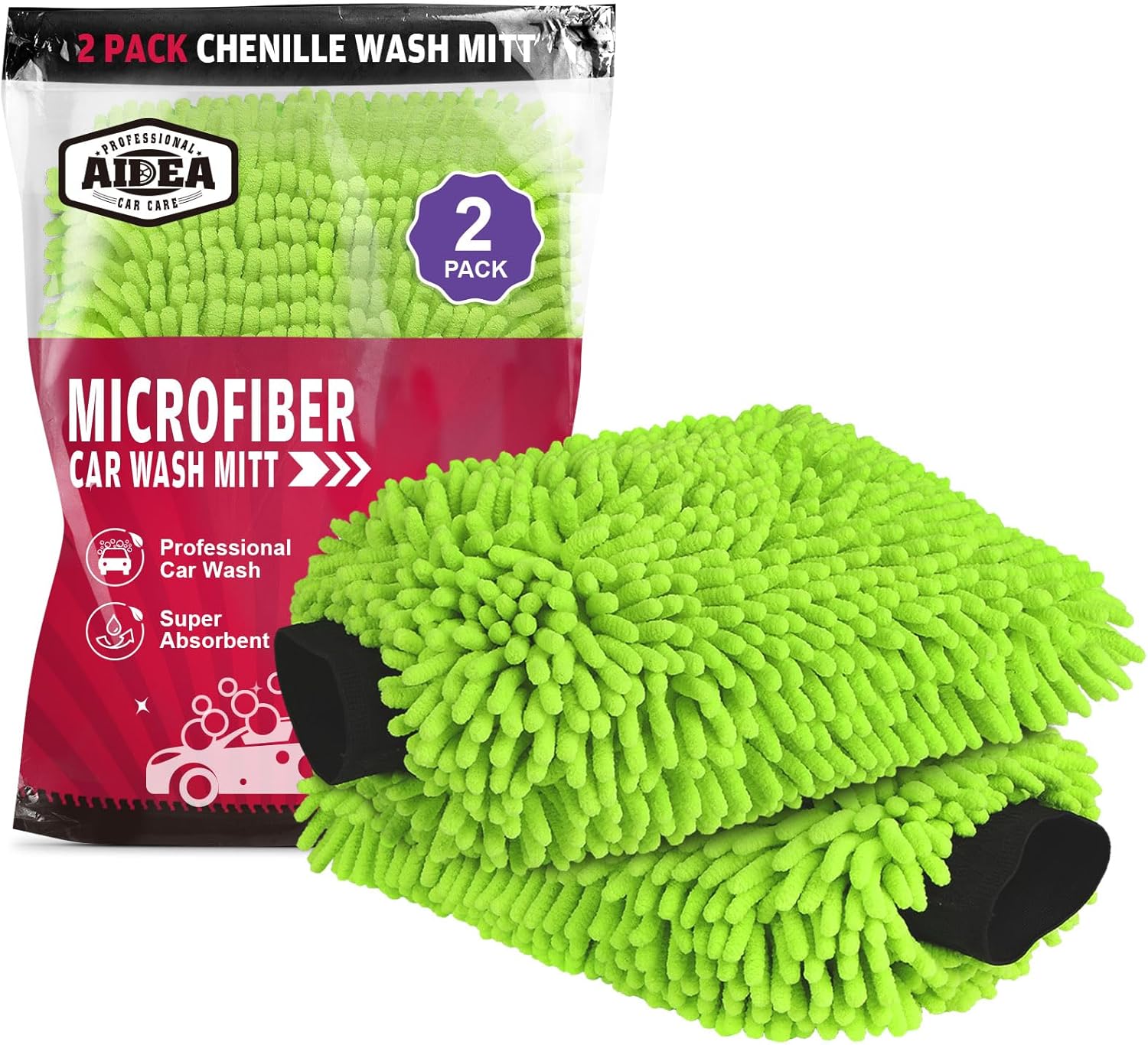
| Wash mitt | Lifts dirt away from the paint | Soft microfiber or plush synthetic fibers |
| Buckets and grit guards | Help keep grit out of the mitt | Two buckets or a rinse-bucket setup |
| Microfiber towels | Safer drying and final wipe-downs | Clean, soft, and dedicated to car use |
| Drying aid or quick detailer | Helps towel glide and reduces light spotting | Paint-safe, easy to use after washing |
Soap, mitts, buckets, grit guards, and microfiber towels
These are the core items that make weekly washing safer. Good tools do not remove the need for care, but they make it much easier to avoid mistakes.
Quick detailers and drying aids for weekly maintenance
These products can help during the final wipe-down. They are useful when you want a little more slip and a cleaner finish.
Products to avoid in a weekly routine
I would avoid harsh household cleaners, rough sponges, old bath towels, and anything that leaves heavy residue. Those products often create more work than they save.
Pros and cons of hand washing vs. automatic washes for weekly care
Hand washing gives you more control, which is helpful if you want to reduce scratches and clean specific problem areas. It also takes more time and effort.
Automatic washes are faster, but brush-based systems can be rough on some finishes. Touchless washes are gentler in many cases, though they may not remove heavy grime as well as a careful hand wash.
- Soft microfiber tools
- Clean rinse water
- Shade or cool panels
- Separate wheel tools
- Dirty towels or sponges
- Hot paint and fast-drying soap
- One bucket for everything
- Rough automatic brushes on delicate finishes
Pros and Cons of Washing Your Car Every Week
Benefits for paint protection, resale value, and cleanliness
Weekly washing helps keep dirt from building up, which can make the car easier to maintain. It also keeps the car looking cared for, which many owners value.
A clean exterior can support resale appeal too, since buyers often notice how a car has been maintained.
Downsides if the routine is rushed or done incorrectly
If you rush, weekly washing can do more harm than good. Dirty mitts, poor drying, and bad timing can leave behind swirl marks or spots.
The routine works best when it is calm and consistent, not hurried.
How climate, driving habits, and storage affect weekly washing needs
Drivers in snowy, coastal, dusty, or urban areas often need more frequent cleaning than drivers in mild, dry conditions. Outdoor parking also adds more exposure to pollen, bird droppings, and tree sap.
Your routine should fit your environment, not just a generic schedule.
- Wash before grime builds up
- Use clean, soft tools
- Work in the shade when possible
- Separate paint tools from wheel tools
- Use harsh household cleaners
- Rub dirty towels across the paint
- Let soap dry on hot panels
- Ignore the dirtiest lower areas
- Keep a dedicated wash kit so your weekly routine is always ready.
- Rinse one panel at a time if the weather is warm.
- Replace worn microfiber towels before they start feeling rough.
- Use separate towels for wheels, lower panels, and paint.
- Finish with a quick walk-around in good light to catch missed spots.
How to Adjust Your Weekly Wash Routine by Season and Conditions
Winter road salt and why weekly washing becomes more important
Road salt can be hard on metal, trim, and underbody parts. In winter, washing once a week can help remove salt before it stays on the vehicle too long.
If roads are heavily treated, you may need to wash more often than your usual schedule.
Summer heat, pollen, and sun exposure adjustments
Summer brings hot panels, stronger sun, and lots of pollen. In this season, washing early in the morning or later in the day is often easier on the finish.
Bug splatter also needs faster attention in warm weather because it can bake on quickly.
Rainy season, mud, and coastal salt air considerations
Rain does not always clean a car. It can leave behind dirty runoff, streaks, and water spots. Mud needs a careful pre-rinse so you do not grind it into the paint.
Near the coast, salt air can leave a film that is worth removing on a regular schedule.
Garage-kept vs. daily-driven vehicle differences
A garage-kept car usually stays cleaner than a daily driver parked outside. That means the weekly routine can be lighter for one vehicle and more involved for another.
Daily drivers often need more attention to lower panels, wheels, and the front end.
If the car has heavy mud, thick road salt, or stubborn contamination, do not scrub harder to “speed it up.” A stronger pre-rinse or pre-wash is safer than forcing dirt off the paint.
You notice damaged trim, peeling clear coat, leaking wheel seals, or unusual brake dust buildup that returns very quickly. Those issues are not wash problems alone, and they may need a closer look.
Common Questions About Weekly Wash Routine Mistakes and Fixes
Not usually. If you use soft tools, good soap, and proper technique, weekly washing is often a smart way to keep dirt from building up.
One of the biggest mistakes is using dirty tools or skipping the rinse. That traps grit against the paint and raises the chance of scratches.
Shade is usually better. It gives you more time to work and lowers the risk of soap drying too fast and leaving spots.
A clean, soft microfiber drying towel is a good choice. It is much gentler than rough household towels or paper products.
It is not the only way to wash, but it is one of the safer methods. The extra bucket helps keep dirt out of the soap water and off the paint.
Look at your driving conditions. If dirt, salt, pollen, or bird droppings build up quickly, you may need a more frequent wash. If the car stays clean and protected, you may be able to stretch the schedule a bit.
A weekly wash routine works best when it is simple, gentle, and consistent. Fix the common mistakes, use clean tools, and adjust for the season, and you will give your car a much better chance of staying clean without extra wear on the finish.
- Weekly washing helps remove dirt before it bonds to the paint.
- The biggest mistakes are bad soap, hot panels, dirty tools, and poor drying.
- Use a proper rinse, soft microfiber, and separate tools for wheels and paint.
- Adjust your routine for winter salt, summer heat, rain, and coastal air.
- A calm, consistent wash routine is safer than a rushed one.