Clay bar treatment removes bonded contamination that washing alone leaves behind. Before claying, paint often feels rough and may look dull; after claying, the surface is usually smoother and better prepared for wax or sealant. It is a useful detailing step, but it should be done carefully to avoid marring the paint.
Clay bar detailing is one of the simplest ways to improve how a car’s paint looks and feels. If you have ever washed a car thoroughly and still noticed a rough surface, tiny specks, or a slightly dull finish, a clay bar can make a noticeable difference.
This clay bar before and after guide explains what changes to expect, how the process works, and where it fits in a normal detailing routine. It also covers common mistakes, safety concerns, and when it may be better to let a professional handle the job.
The goal is not to make paint perfect. Instead, clay bar treatment removes bonded contamination that washing cannot reach, which helps create a smoother surface and prepares the vehicle for wax, sealant, or ceramic protection.
- Before claying: paint may feel gritty even after a wash because bonded contaminants remain on the surface.
- After claying: the finish usually feels noticeably smoother and reflects light more evenly.
- Clay is not a cleaner for scratches: it removes contamination, not swirl marks or deep defects.
- Lubrication matters: using enough clay lube helps reduce the risk of marring the paint.
- Clay bar works best on: paint, glass, and some smooth exterior surfaces, depending on the product.
- Follow-up protection helps: waxing or sealing after claying preserves the improved finish.
- When in doubt: a professional detailer may be worth it for delicate, heavily contaminated, or high-value finishes.
This AAutomotives guide is written to help readers understand Clay Bar Before and After Guide with clear, practical advice. Before publishing, review model-specific facts, dates, prices, safety points, and source links so the final article stays accurate and trustworthy.
- What a Clay Bar Actually Does
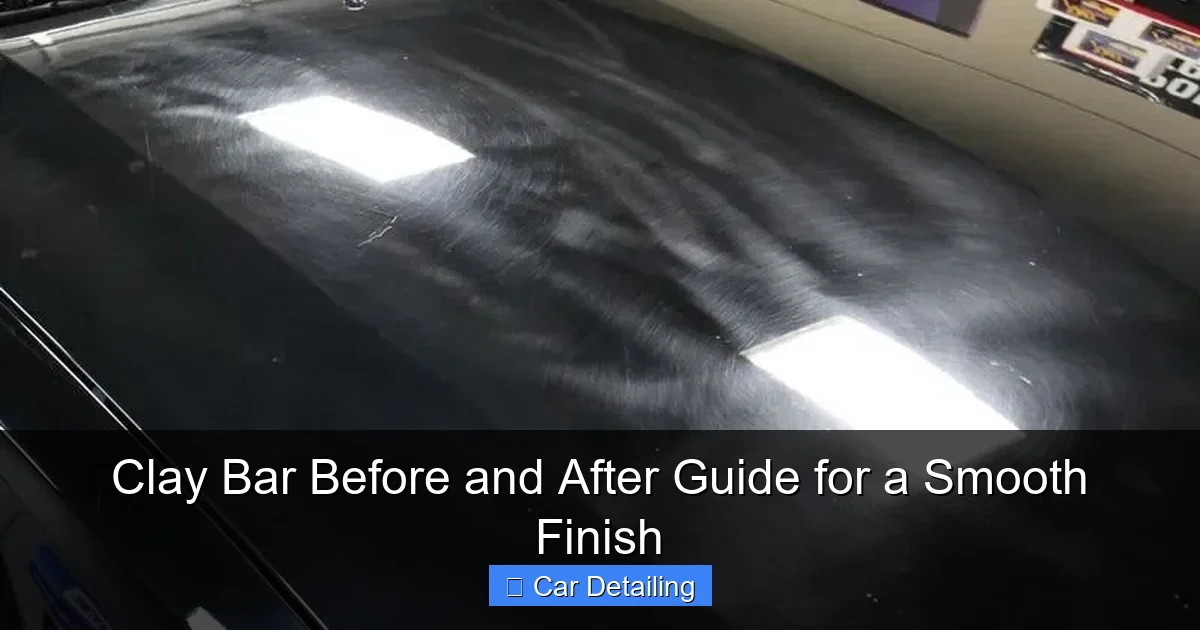
- What the Paint Looks and Feels Like Before Claying
- What Changes After Claying
- When Clay Bar Treatment Is Worth Doing
- How to Clay Bar a Car Safely
- Common Mistakes That Affect the Before and After Result
- Pros, Limits, and Cost Considerations
- When to Get Expert Help
- Final Verdict: What the Before and After Really Means
What a Clay Bar Actually Does
A clay bar is a detailing tool made to pull bonded debris off a vehicle’s surface. These contaminants can include industrial fallout, brake dust, road tar, overspray, sap residue, and other particles that stick to paint after normal washing.
Even a careful wash may leave these particles behind because they are attached at a microscopic level. Clay helps shear them off when used with proper lubrication and light pressure.
That is why the before and after difference is often more about texture than dramatic visual change. The paint usually feels smoother immediately, and the surface becomes more receptive to protection products.
Clay bars do not remove scratches, oxidation, or heavy water spots. They are a contamination-removal step, not a correction step.
What the Paint Looks and Feels Like Before Claying
Before claying, a car may appear clean from a distance but still feel rough when you glide your hand across the paint inside a plastic bag or with clean fingertips. That roughness is a common sign of bonded contamination.
Visual guide about Clay Bar Before and After Guide for a Smooth Finish
Image source: i2.wp.com
You may also notice that the finish does not reflect light as crisply as expected. On darker colors, the paint can look slightly hazy or less sharp even after a fresh wash. On lighter colors, the difference may be subtler but still present when you inspect closely.
Another clue is that wax or sealant may seem to wear off faster than it should. Contamination can interfere with how well protection bonds to the surface, which is why claying is often done before applying a new layer.
- Car has been washed but still feels rough
- Paint shows embedded specks or gritty texture
- Finish looks slightly muted under direct light
- Protection products do not last as long as expected
What Changes After Claying
The most obvious after-effect is smoothness. A properly clayed panel usually feels slick and even, with far less drag under your hand. That tactile change is often the clearest sign the process worked.
Visually, the improvement can range from subtle to noticeable. The paint may appear cleaner, clearer, and more uniform because the bonded layer of contamination is gone. Reflections can look sharper, especially on glossy finishes.
Claying also improves the foundation for wax, sealant, or ceramic spray. When the surface is cleaner, those products generally spread better and may last longer, though actual results depend on the product and conditions.
After claying one panel, compare it with an untreated panel by touch. The difference is often more obvious than the visual change.
When Clay Bar Treatment Is Worth Doing
Clay bar treatment makes the most sense when the car is washed, but the paint still feels contaminated. It is especially helpful after winter driving, long highway use, parking under trees, or exposure to rail dust and industrial fallout.
It is also useful before applying wax, sealant, or paint protection film prep work. If you want the best possible surface for protection, claying is often a smart step before the final finish product.
That said, it is not necessary after every wash. In fact, overusing clay can create unnecessary wear if the paint is already clean and smooth. For many vehicles, claying a few times per year is enough, though frequency depends on driving conditions and storage.
If you are building a safe wash routine, it helps to understand how claying fits into the broader process. A good wash, followed by careful drying and then claying when needed, reduces the chance of dragging dirt across the paint. For more on routine care, see the safe car wash frequency guide and the weekly wash routine common mistakes and fixes.
- Paint that feels rough after washing
- Vehicles exposed to fallout, sap, or overspray
- Prepping paint before wax or sealant
- Glass that has bonded grime or road film
- Dirty paint that has not been washed first
- Heavy swirl marks or deep scratches
- Very fragile, failing, or peeling clear coat
- Surfaces that are textured or not meant for claying
How to Clay Bar a Car Safely
Safe claying starts with a clean vehicle. Wash and dry the car first so loose dirt does not get trapped in the clay and dragged across the paint. If the surface is heavily contaminated, a pre-wash step can help reduce risk.
Work on one small section at a time. Spray clay lubricant generously, then glide the clay with light pressure in straight lines. If the clay starts to grab, add more lubricant rather than pressing harder.
Inspect the clay often. If a piece falls on the ground, do not reuse it on paint, because embedded grit can scratch the surface. Fold and knead the clay regularly to expose a clean side.
Never use a clay bar on dry paint. Dry claying can cause scratches, haze, or visible marring that may require polishing to fix.
After each section, wipe away residue with a clean microfiber towel. Once the full vehicle is done, apply wax, sealant, or another paint protectant to help preserve the smooth finish.
Some modern detailing products use clay towels or synthetic clay media instead of traditional bars. They can work well, but the same safety rules still apply.
Common Mistakes That Affect the Before and After Result
One of the biggest mistakes is claying dirty paint. If loose grit is still on the surface, the clay can trap it and create scratches. Washing first is not optional.
Another common error is using too much pressure. Clay should glide, not scrub. If it feels stuck, the answer is usually more lubricant, not force.
Using an old or contaminated clay bar is another problem. Once a clay bar has picked up too much debris, it becomes less safe. At that point, replacing it is often cheaper than risking paint damage.
Some owners also expect clay to fix everything. It will not remove etched bird droppings, severe oxidation, or swirl marks from poor washing. If those issues are present, claying may be only one part of a larger paint correction plan.
If your washing habits are part of the problem, it may help to review a proper process before detailing. A structured safe washing guide step by step can reduce contamination buildup and help the clay bar last longer between uses.
Pros, Limits, and Cost Considerations
Clay bar treatment is relatively affordable compared with machine polishing or professional paint correction. A basic kit can be inexpensive, though prices vary by brand, included lubricant, and whether you choose a traditional bar or synthetic alternative.
The main advantage is the immediate improvement in surface feel and the better prep it gives to protection products. For many owners, that alone makes it worthwhile.
The limits are just as important. Clay does not restore faded paint, remove defects, or create a showroom-level finish by itself. It improves the surface condition, but it is not a substitute for polishing when the paint needs correction.
| Aspect | What to Expect |
|---|---|
| Before claying | Rough texture, bonded grime, slightly muted gloss |
| After claying | Smoother surface, cleaner feel, better prep for protection |
| Best use | Maintenance detailing and pre-wax preparation |
| Limit | Does not remove scratches or oxidation |
For drivers who do not want to spend much time on detailing, claying may be done only when the paint starts to feel rough. For enthusiasts or owners preparing a car for sale, the improvement can help the vehicle present better without a major investment.
When to Get Expert Help
Professional help is worth considering if the car has delicate paint, a heavy contamination problem, or a high-value finish that you do not want to risk. This is especially true if the car already has visible haze, swirl marks, or thin clear coat concerns.
A detailer can inspect the paint and decide whether claying, polishing, or a different decontamination method is the safer choice. That matters because the wrong approach can create more work and higher cost later.
If you are unsure whether the surface is contaminated or damaged, a professional evaluation can save time. That is often cheaper than correcting avoidable paint damage after a rushed DIY attempt.
Final Verdict: What the Before and After Really Means
The clay bar before and after difference is usually simple but meaningful: rough paint becomes smoother, bonded contamination is removed, and the surface is better prepared for protection. The change may not always look dramatic in photos, but it is often easy to feel and can improve the overall finish.
If your car has been washed properly and still feels gritty, claying is a sensible next step. Use plenty of lubricant, work slowly, and stop if the paint starts to feel too dry or grabby. Afterward, seal the surface with wax or another protectant to keep the finish cleaner for longer.
For most owners, the best recommendation is to clay only when needed, not on every wash. Done correctly, it is a practical detailing step that helps the car look and feel cleaner without requiring expensive equipment.
🎥 Related Video: How to PROPERLY Clay Bar Your Car! Professional DIY
📺 Sonduren Fanarredha
Auto detailing clay is the detailer’s best tool to ensure you get smooth as glass paint. If your car feels rough even feels like …
Frequently Asked Questions
If the paint feels rough after washing, it likely has bonded contamination. A simple touch test on clean paint is often enough to tell.
No, a clay bar removes contamination, not scratches. If the paint has swirls or deeper defects, polishing is usually needed.
Yes, claying more than necessary can add wear to the clear coat. Only do it when the surface feels rough or when you are prepping for protection.
Yes, proper clay lubricant is best because it reduces friction and helps prevent marring. Some detail sprays are suitable, but check the product label first.
Yes, waxing or sealing after claying is a good idea. Clay removes contamination, but it also leaves the surface bare and unprotected.
It can if used dry, dropped on the ground, or used with too much pressure. Careful technique and plenty of lubrication greatly reduce the risk.
