Struggling with shifting or slipping car seat covers? This guide reveals simple, effective methods to keep your seat covers firmly in place—no more constant readjusting. From proper installation to smart accessories, you’ll enjoy a clean, secure fit every time.
Key Takeaways
- Choose the right fit: Custom-fit covers are less likely to slip than universal ones, ensuring a snug, tailored look.
- Use anti-slip liners: Place rubber or silicone liners under the cover to add grip and prevent sliding.
- Secure with straps and hooks: Most quality covers come with built-in straps—always use them to anchor the cover tightly.
- Tuck and smooth thoroughly: Properly tucking fabric into crevices and smoothing out wrinkles reduces movement over time.
- Regular maintenance helps: Re-tighten straps and re-tuck fabric every few weeks to maintain a secure fit.
- Avoid low-quality materials: Thin or stretchy fabrics are more prone to shifting—opt for durable, non-slip materials like neoprene or polyester blends.
- Consider professional installation: For complex seats (like bucket or heated seats), a pro can ensure a flawless, long-lasting fit.
How to Get Car Seat Covers to Stay on Easily
You’ve invested in stylish, protective car seat covers—only to find them sliding around, bunching up, or peeling off after just a few drives. Sound familiar? You’re not alone. One of the most common frustrations among car owners is getting seat covers to stay put. But the good news? With the right approach, you can keep your seat covers securely in place, looking sharp and functioning perfectly for years.
In this complete guide, you’ll learn practical, step-by-step methods to ensure your car seat covers stay on—no slipping, no shifting, no hassle. Whether you’re using universal covers or custom-fit ones, these tips apply to all vehicle types and seat styles. We’ll cover everything from choosing the right cover to securing it properly and maintaining it over time. By the end, you’ll have a clean, professional-looking interior that stays put mile after mile.
Step 1: Choose the Right Type of Seat Cover
The first step to keeping your seat covers in place starts before you even install them—choosing the right cover. Not all seat covers are created equal, and the type you pick plays a huge role in how well they stay on.
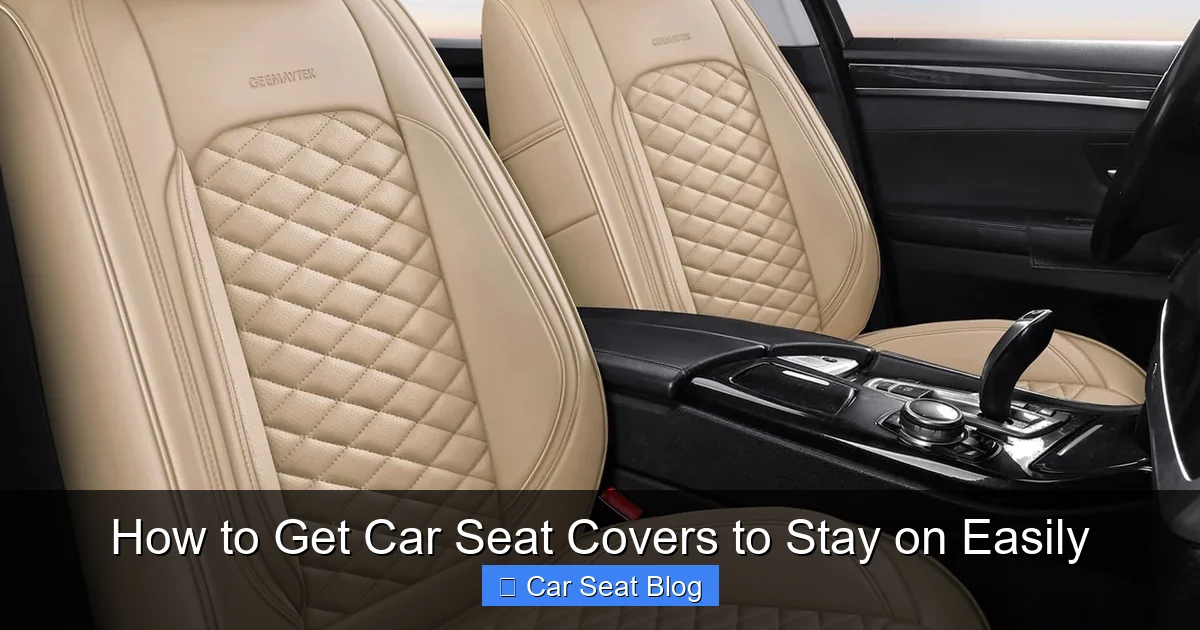
Visual guide about How to Get Car Seat Covers to Stay on Easily
Image source: m.media-amazon.com
Custom-Fit vs. Universal Covers
Custom-fit seat covers are designed specifically for your car’s make, model, and year. They contour perfectly to your seats, including cutouts for airbags, seat belts, and controls. Because they’re made to match your seat’s exact shape, they’re far less likely to shift or wrinkle.
Universal covers, on the other hand, are one-size-fits-most solutions. While they’re more affordable and widely available, they often require more effort to secure and are more prone to slipping. If you’re serious about a clean, lasting fit, invest in custom-fit covers—even if they cost a bit more.
Material Matters
The material of your seat cover affects both comfort and grip. Look for non-slip fabrics like:
- Neoprene: Water-resistant, durable, and naturally grippy—great for active lifestyles.
- Polyester with anti-slip backing: Lightweight and affordable, with a rubberized underside for added hold.
- Leatherette (PU leather): Sleek and easy to clean, but choose versions with a textured or non-slip base.
Avoid thin, stretchy materials like basic spandex unless they include a non-slip layer. These may look good at first but tend to lose tension and slide around over time.
Step 2: Prepare Your Seats Before Installation
A clean, dry seat surface is essential for a secure fit. Dirt, dust, and moisture can reduce friction and cause covers to slip—even if they’re high quality.
Clean the Seats Thoroughly
Before installing your covers, vacuum the seats to remove crumbs, pet hair, and debris. Then, wipe them down with a mild cleaner and a microfiber cloth. Let the seats dry completely—any moisture left behind can create a slippery layer between the seat and the cover.
Remove Loose Items
Take out seat cushions, booster seats, or any aftermarket accessories. These can interfere with the cover’s fit and create uneven surfaces that promote shifting.
Check for Seat Adjustments
Adjust your seats to a neutral position—not too reclined or upright. This ensures the cover lies flat and isn’t stretched or bunched in one area. If your seats have adjustable headrests, remove them if possible (most covers have slots or zippers for this).
Step 3: Install the Seat Covers Correctly
Even the best seat cover won’t stay on if it’s not installed properly. Follow these steps for a snug, secure fit.
Start with the Bottom Seat Cover
Begin by placing the bottom portion of the cover over the seat. Make sure it’s centered and aligned with the seat edges. Pull it down evenly, avoiding twists or folds.
Tuck the Fabric into Crevices
Use a seat cover tuck tool (or a flat-head screwdriver wrapped in cloth) to gently push the fabric into the gaps between the seat bottom and backrest. This creates a clean, tailored look and prevents the cover from riding up.
Secure with Straps and Hooks
Most quality seat covers come with elastic straps, hooks, or Velcro fasteners. Attach these underneath the seat to anchor the cover in place. Pull the straps tight—but not so tight that they warp the fabric—and secure them firmly.
Install the Backrest Cover
Slide the backrest cover over the seatback, aligning any cutouts for headrests, seat belts, or airbags. If your cover has a zipper or Velcro closure, fasten it securely. For headrests, remove them, slide the cover on, and reattach.
Smooth Out Wrinkles
Once both pieces are on, sit in the seat and adjust your position. Then, smooth out any wrinkles or loose areas from the outside. Pay special attention to the sides and corners—these are common trouble spots for shifting.
Step 4: Use Anti-Slip Accessories
Even with perfect installation, some covers may still shift—especially on leather or smooth fabric seats. That’s where anti-slip accessories come in.
Anti-Slip Liners or Mats
Place a thin rubber or silicone liner under the seat cover. These non-slip mats add friction between the seat and the cover, dramatically reducing movement. Look for ones designed specifically for car seats—they’re usually cut to size and easy to clean.
Seat Cover Grips
Some brands sell adhesive-backed grip pads that you can attach to the underside of the cover or directly to the seat. These small pads provide extra hold without damaging your upholstery.
Velcro Strips (Use with Caution)
For a more permanent solution, you can use heavy-duty Velcro strips. Attach one side to the seat (using adhesive or sewing) and the other to the cover. Be careful—this method is less reversible and may leave residue or damage fabric if removed.
Step 5: Maintain Your Seat Covers Over Time
Keeping your seat covers in place isn’t a one-time task. Regular maintenance ensures they stay secure and look great.
Re-Tighten Straps Monthly
Elastic straps can loosen over time due to heat, movement, and regular use. Every few weeks, check the straps under your seat and re-tighten them if needed.
Re-Tuck Fabric as Needed
After long drives or if you’ve had passengers, the fabric may shift. Take a minute to re-tuck any loose areas and smooth out wrinkles.
Clean Covers Regularly
Follow the manufacturer’s cleaning instructions. Most covers can be wiped down with a damp cloth or machine-washed (if removable). Clean covers maintain their grip better than dirty, greasy ones.
Avoid Overloading the Seat
Placing heavy objects on the seat—like toolboxes or grocery bags—can stretch the cover and weaken the straps. Use the seat for sitting, not storage.
Troubleshooting Common Problems
Even with the best efforts, issues can arise. Here’s how to fix the most common problems.
Problem: Cover Keeps Sliding Forward
Solution: This usually happens on bucket seats with aggressive bolsters. Make sure you’ve tucked the fabric deeply into the side crevices. Add an anti-slip liner or use extra straps to anchor the front edge.
Problem: Wrinkles or Bunching
Solution: Wrinkles often result from improper tucking or a cover that’s too large. Reinstall the cover, focusing on smoothing and tucking. If the problem persists, consider a custom-fit replacement.
Problem: Straps Won’t Stay Tight
Solution: Over time, elastic straps can lose tension. Replace worn straps with new ones or use adjustable buckle straps for a tighter hold.
Problem: Cover Peels Off Heated Seats
Solution: Some materials don’t breathe well and can trap heat. Choose breathable fabrics like mesh-lined neoprene or perforated leatherette. Also, avoid covering heating elements directly—look for covers with designated heat zones.
Bonus Tips for a Perfect Fit
- Watch installation videos: Many manufacturers post step-by-step videos for your specific model—these are goldmines for tricky seats.
- Use a seat cover spray: Some products add temporary grip to smooth seats. Test on a small area first.
- Don’t rush: Take your time during installation. A few extra minutes can save hours of frustration later.
- Involve a friend: For back seats or large covers, an extra pair of hands helps with alignment and tucking.
Conclusion
Getting car seat covers to stay on doesn’t have to be a constant battle. With the right cover, proper installation, and a few smart accessories, you can enjoy a clean, secure, and professional-looking interior that lasts. Remember: fit, friction, and maintenance are the three keys to success.
Start by choosing a high-quality, well-fitting cover. Prepare your seats, install carefully, and use anti-slip tools if needed. Then, maintain your covers with regular checks and cleaning. Follow these steps, and you’ll never have to wrestle with shifting seat covers again.
Your car deserves to look and feel great—inside and out. With these tips, your seat covers will stay put, protect your upholstery, and enhance your driving experience for miles to come.

