How to Get Mildew Out of Car Seat Cover Fast

Mildew on car seat covers is not only unsightly—it can also cause odors and health concerns. This guide walks you through fast, proven methods to remove mildew safely, whether your seats are fabric, leather, or synthetic. You’ll also learn how to prevent it from coming back.
Key Takeaways
- Act quickly: The sooner you treat mildew, the easier it is to remove and the less damage it causes.
- Identify your seat material: Fabric, leather, and vinyl require different cleaning approaches to avoid damage.
- Use natural cleaners first: Vinegar and baking soda are effective, affordable, and safe for most surfaces.
- Never skip drying: Thoroughly drying the seat after cleaning prevents mildew from returning.
- Prevent with ventilation: Keep your car aired out and use moisture absorbers to stop mildew before it starts.
- Test cleaners first: Always spot-test any solution on a hidden area to avoid discoloration or damage.
- Replace if severely damaged: If mildew has deeply penetrated or caused fabric disintegration, replacement may be the safest option.
How to Get Mildew Out of Car Seat Cover Fast
Finding mildew on your car seat cover is every driver’s nightmare. That fuzzy, gray or black growth not only looks gross—it smells worse and can trigger allergies or respiratory issues. Whether your car’s been parked in a damp garage, caught in a flood, or just suffered from high humidity, mildew can take hold fast. The good news? You can get rid of it quickly and safely with the right tools and techniques.
In this guide, you’ll learn step-by-step how to remove mildew from car seat covers—whether they’re made of fabric, leather, or synthetic materials. We’ll cover fast-acting natural solutions, commercial cleaners, drying tips, and prevention strategies so you can keep your car smelling fresh and looking clean. No need to panic or rush to a professional detailer—most mildew problems can be solved at home with items you already have.
Why Mildew Grows on Car Seats
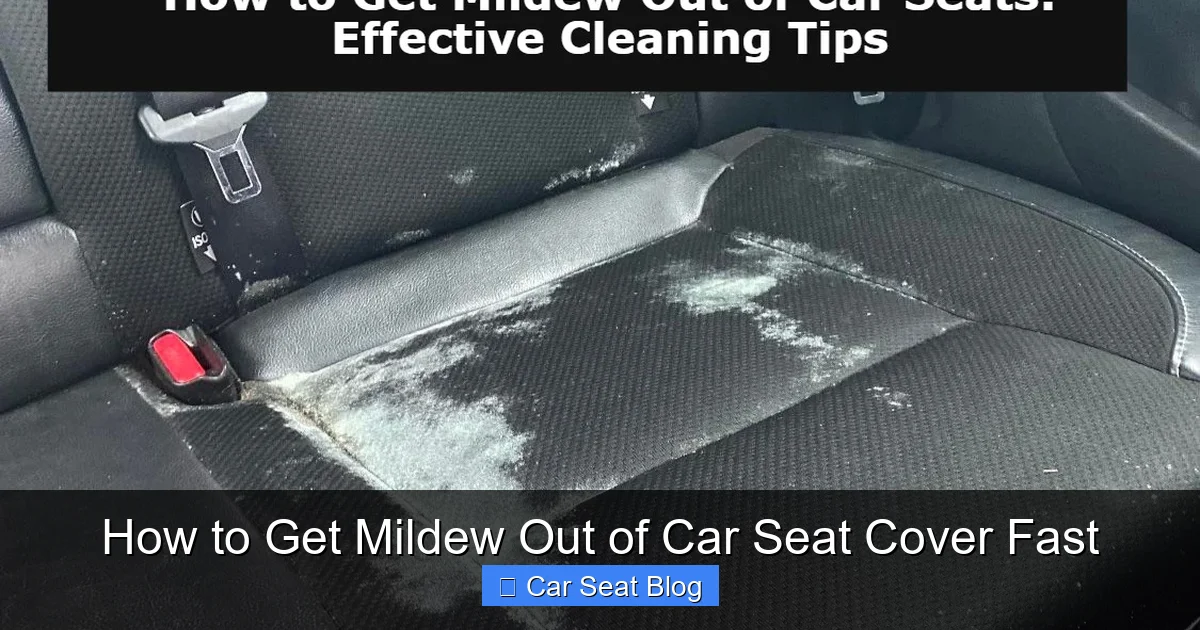
Mildew thrives in warm, dark, and damp environments—conditions your car can easily provide, especially during rainy seasons or in humid climates. Spills, wet clothes, pet accidents, or even breathing in a closed car can introduce moisture. When that moisture lingers, mildew spores (which are always floating in the air) settle and grow.
Visual guide about How to Get Mildew Out of Car Seat Cover Fast
Image source: carcareassist.com
Unlike mold, which penetrates deeper and can be more hazardous, mildew tends to stay on the surface. But don’t underestimate it—mildew can weaken fabric fibers, leave stubborn stains, and create a musty odor that’s hard to eliminate. The key is to act fast before it spreads or becomes embedded.
What You’ll Need
Before you start, gather these supplies. Most are household items, so you likely already have them:
- White vinegar
- Baking soda
- Mild dish soap
- Spray bottle
- Soft-bristle brush or old toothbrush
- Clean microfiber cloths
- Vacuum with upholstery attachment
- Rubber gloves
- Fan or hair dryer (optional)
- Commercial mildew remover (optional, for tough cases)
For leather seats, you’ll also want a leather cleaner and conditioner. For synthetic materials like vinyl, avoid abrasive tools that can scratch the surface.
Step-by-Step: How to Remove Mildew from Car Seat Covers
Step 1: Ventilate the Area
Start by opening all car doors and windows. Fresh air helps dry the area and reduces exposure to mildew spores. If possible, park in direct sunlight—UV rays naturally kill mildew. Work in a well-ventilated space to avoid inhaling spores, which can irritate your lungs.
Step 2: Vacuum the Seat
Use a vacuum with an upholstery attachment to remove loose mildew spores, dust, and debris. This prevents spreading the mildew during cleaning. Be thorough—get into crevices, seams, and under seat cushions. Dispose of the vacuum bag or empty the canister outside immediately to avoid recontamination.
Step 3: Identify Your Seat Material
Different materials require different cleaning methods:
- Fabric seats: Most absorbent, so mildew can penetrate deeper. Use vinegar or enzyme-based cleaners.
- Leather seats: Non-porous but can still grow mildew on the surface. Avoid soaking—use gentle cleaners and condition after.
- Vinyl or synthetic seats: Easier to clean but can scratch. Use mild solutions and soft cloths.
Check your car’s manual or look for tags under the seat to confirm the material.
Step 4: Make a Natural Cleaning Solution
For most mildew cases, a vinegar-based solution works wonders. Mix equal parts white vinegar and water in a spray bottle. Vinegar is a natural antifungal and antibacterial agent that kills mildew on contact.
For extra cleaning power, add a few drops of mild dish soap. This helps break down oils and grime that mildew feeds on. Avoid bleach—it can discolor fabrics and damage leather, and it doesn’t always kill mildew roots.
Step 5: Apply the Solution
Spray the vinegar mixture directly onto the mildew spots. Don’t soak the seat—just dampen the area. Let it sit for 10–15 minutes to penetrate and kill the mildew. For stubborn growth, you can gently scrub with a soft-bristle brush or toothbrush. Work in circular motions to lift the mildew without damaging the fabric.
If you’re cleaning leather, use a cloth dampened with the solution instead of spraying. Wipe gently and avoid excess moisture.
Step 6: Use Baking Soda for Odor and Stains
After treating with vinegar, sprinkle baking soda over the affected area. Baking soda neutralizes odors and helps lift stains. Let it sit for 30 minutes to an hour. For fabric seats, you can mix baking soda with a little water to form a paste and gently scrub it in.
Then, use a clean, damp cloth to wipe away the baking soda. Repeat if necessary for strong odors or deep stains.
Step 7: Rinse and Dry Thoroughly
Use a clean cloth dampened with plain water to wipe away any residue from the cleaning solution. This prevents sticky buildup and ensures no cleaning agents are left behind.
Now, the most important step: drying. Mildew returns if moisture remains. Use a fan or hair dryer on a cool setting to speed up drying. Open windows and doors to improve airflow. If possible, leave the car in the sun for several hours. For leather seats, wipe with a dry cloth and apply a leather conditioner once fully dry to prevent cracking.
Alternative: Using Commercial Mildew Cleaners
If natural methods don’t work, or if the mildew is widespread, consider a commercial mildew remover. Look for products labeled safe for automotive upholstery. Popular options include:
- Concrobium Mold Control
- FABRICLEAN Mildew Stain Remover
- 303 Aerospace Protectant (for prevention after cleaning)
Always follow the manufacturer’s instructions. Test on a small, hidden area first. Some cleaners require rinsing, while others are leave-on formulas. Wear gloves and work in a ventilated area.
Troubleshooting Common Issues
Mildew Keeps Coming Back
If mildew returns within days or weeks, moisture is still present. Check for hidden leaks—sunroofs, door seals, or AC drains can trap water. Use a moisture meter or inspect for damp spots. Consider placing moisture absorbers like silica gel packs or DampRid in your car.
Stains Won’t Fade
Old mildew stains may leave discoloration. For fabric, try a mixture of hydrogen peroxide and dish soap (test first—peroxide can bleach colors). For leather, use a specialized leather stain remover. In severe cases, professional detailing or seat cover replacement may be needed.
Bad Odor Persists
Even after cleaning, mildew odor can linger. Sprinkle baking soda on the seat, let it sit overnight, then vacuum. You can also use an odor-neutralizing spray designed for cars. Avoid masking sprays—they don’t eliminate the source.
Fabric Feels Stiff or Damaged
Over-cleaning or using harsh chemicals can weaken fabric. If the seat feels brittle or starts to fray, it may be time to replace the cover. Check if your car manufacturer offers replacement seat covers or consider aftermarket options.
Preventing Mildew in the Future
The best way to deal with mildew is to stop it before it starts. Here’s how:
- Keep your car dry: Wipe up spills immediately. Don’t leave wet towels, gym clothes, or umbrellas inside.
- Use seat covers: Waterproof or moisture-wicking seat covers protect the original upholstery.
- Run the AC or heater: Circulating air reduces humidity. Use the “fresh air” setting instead of recirculating.
- Park in the sun: Sunlight naturally inhibits mildew growth. Avoid long-term parking in damp garages.
- Use moisture absorbers: Place DampRid or silica gel packs under seats or in footwells.
- Clean regularly: Vacuum and wipe down seats monthly to remove dust and moisture buildup.
When to Call a Professional
Most mildew problems can be handled at home, but sometimes professional help is needed. Consider a detailer if:
- The mildew has penetrated deep into foam padding
- There’s a strong, persistent odor
- Your car has been flooded
- You’re unsure about the seat material or cleaning method
Professionals have industrial-grade steam cleaners and antimicrobial treatments that can sanitize and restore seats effectively.
Final Thoughts
Getting mildew out of your car seat cover doesn’t have to be a nightmare. With the right approach—quick action, the right cleaners, and thorough drying—you can restore your seats to like-new condition. Remember, prevention is just as important as treatment. Keep your car dry, clean, and well-ventilated, and mildew won’t stand a chance.
Whether you’re dealing with a small spot or a full-blown outbreak, this guide gives you the tools to tackle it fast and safely. Your car will look better, smell fresher, and be a healthier place to ride.