How to Fit Car Seat Covers with Hooks Easily

Fitting car seat covers with hooks doesn’t have to be frustrating. This step-by-step guide walks you through the process, from preparation to final adjustments, ensuring a snug, professional-looking fit every time.
Key Takeaways
- Choose the right cover: Make sure your seat covers are designed for your car’s make, model, and seat type (e.g., bucket, bench, with airbags).
- Prepare your seats: Remove headrests, clean the seats, and inspect for obstructions before installation.
- Use the hooks correctly: Attach hooks to the seat frame or designated anchor points—never force them into plastic parts.
- Work from top to bottom: Start at the headrest area and work your way down to the seat base for even tension.
- Adjust and secure: Smooth out wrinkles and double-check all straps and hooks to prevent shifting while driving.
- Test for safety: Ensure airbag deployment isn’t blocked and that seat belts remain fully functional.
- Maintain regularly: Clean covers as needed and re-tighten hooks if they loosen over time.
How to Fit Car Seat Covers with Hooks Easily
If you’ve ever tried installing car seat covers, you know it can feel like solving a puzzle—especially when hooks are involved. But with the right approach, fitting car seat covers with hooks can be quick, easy, and stress-free. Whether you’re protecting your seats from spills, pets, or daily wear and tear, a well-fitted cover makes a huge difference in both comfort and appearance.
In this guide, we’ll walk you through the entire process, from choosing the right covers to securing every hook for a tight, professional finish. You’ll learn how to avoid common mistakes, troubleshoot tricky spots, and ensure your covers stay in place mile after mile. By the end, your car’s interior will look sharp—and your seats will be protected for years to come.
Step 1: Choose the Right Seat Covers

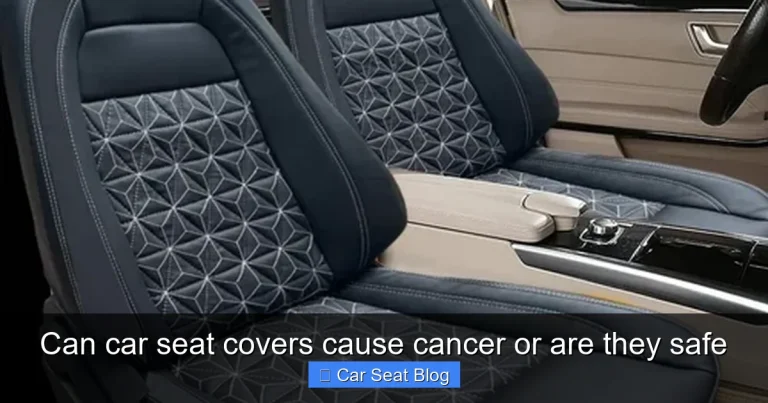
Visual guide about How to Fit Car Seat Covers with Hooks Easily
Image source: m.media-amazon.com
Before you even think about hooks, make sure you’ve got the right seat covers for your vehicle. Not all covers are created equal, and using the wrong ones can lead to a poor fit, safety issues, or damage to your seats.
Check Compatibility
Start by confirming that the seat covers are designed for your car’s make, model, and year. Many manufacturers offer custom-fit covers that match your seat’s exact shape, including cutouts for side airbags, armrests, and seat belt buckles. Universal covers can work in a pinch, but they often require more adjustments and may not stay securely in place.
Look for Hook-Compatible Designs
Not all seat covers use hooks—some rely on elastic bands, Velcro, or zippers. If your covers come with hooks, ensure they’re made of sturdy metal or reinforced plastic. Flimsy hooks can bend or break during installation, making the process frustrating.
Consider Material and Use
Think about how you use your car. If you have kids or pets, opt for waterproof, stain-resistant fabrics like neoprene or polyester. For a more luxurious feel, leather or faux leather covers offer a sleek look—just remember they can get hot in summer.
Step 2: Prepare Your Car Seats
A smooth installation starts with proper preparation. Skipping this step can lead to uneven covers, trapped debris, or even damage to your seat mechanisms.
Remove the Headrests
Most seat covers are designed to fit over the seat back and headrest separately. Look for the release button or lever on your headrest posts—usually located at the base—and gently pull the headrest out. Set it aside in a safe place so it doesn’t get lost.
Clean the Seats Thoroughly
Dirt, crumbs, and pet hair can prevent the covers from lying flat. Use a vacuum to remove debris from crevices, then wipe down the seats with a damp cloth. Let them dry completely before installing the covers. This also helps prevent odors from getting trapped under the fabric.
Inspect for Obstructions
Check under the seat for any loose wires, clips, or debris that might interfere with the hooks. Also, make sure seat belts and airbag flaps are accessible and not blocked. If your seat has adjustable lumbar support or heating elements, ensure the covers won’t interfere with their function.
Step 3: Position the Seat Cover
Now it’s time to put the cover on—but don’t rush it. A little patience here will save you time and frustration later.
Start with the Seat Back
Drape the cover over the seat back, aligning the top edge with the headrest opening. Make sure the front and back sides are oriented correctly—most covers have labels or tags indicating “front” or “driver side.”
Smooth Out Wrinkles
Use your hands to gently smooth the fabric from the center outward. This helps prevent bunching and ensures the cover lies flat. Pay extra attention to areas around the seat belt and airbag openings.
Tuck Excess Fabric
If there’s extra material around the sides or bottom, tuck it neatly into the gaps between the seat back and base. This creates a cleaner look and reduces the risk of the cover shifting.
Step 4: Attach the Hooks
This is where the magic happens—and where many people get stuck. But with the right technique, attaching hooks is simple.
Locate the Anchor Points
Most car seats have metal frames or reinforced areas underneath where hooks can attach. Look for sturdy metal bars, loops, or brackets. Avoid attaching hooks to plastic trim, wiring, or fragile components—they won’t hold and could break.
Start from the Top
Begin by securing the hooks at the top of the seat back, near the headrest area. This helps anchor the cover and prevents it from slipping down. Hook the straps or metal hooks onto the frame, making sure they’re tight but not overstretched.
Work Your Way Down
Move to the sides and bottom of the seat, attaching hooks in a consistent pattern. Alternate sides to maintain even tension. If your cover has multiple straps, attach them one at a time, adjusting as you go.
Use a Hook Tool (Optional)
If the hooks are hard to reach, consider using a hook tool or a bent coat hanger to guide them into place. This is especially helpful for seats with deep crevices or tight spaces.
Step 5: Secure the Seat Base
The seat base often has its own set of hooks and straps, so don’t forget this crucial step.
Flip the Cover Over the Base
Pull the front edge of the cover down and over the seat base. Make sure it’s centered and aligned with the seat back.
Attach Base Hooks
Look for anchor points under the front or sides of the seat. These are usually metal bars or loops designed for securing seat covers. Hook the straps tightly, but avoid pulling so hard that the fabric distorts.
Tuck and Tighten
Tuck any excess fabric under the seat and secure it with the remaining hooks. Double-check that all straps are snug and that the cover lies flat without wrinkles.
Step 6: Reinstall the Headrest
Once the main cover is secure, it’s time to put the headrest back—but not before making sure the cover is properly positioned.
Align the Headrest Opening
Make sure the headrest opening in the cover is centered and unobstructed. If it’s too tight, gently stretch the fabric or adjust the cover slightly.
Reinsert the Headrest
Push the headrest posts back into their slots until they click into place. Give it a gentle tug to confirm it’s secure.
Adjust for Comfort
Set the headrest to your preferred height. The cover should move with it without bunching or pulling.
Step 7: Final Adjustments and Safety Check
You’re almost done! But before you hit the road, take a few minutes to ensure everything is safe and secure.
Smooth Out Wrinkles
Run your hands over the entire cover to remove any remaining wrinkles or bumps. Pay special attention to high-contact areas like the seat cushion and backrest.
Test the Seat Belt
Buckle and unbuckle the seat belt several times to make sure it moves freely. The cover shouldn’t interfere with the buckle or the belt’s retraction.
Check Airbag Functionality
If your seat has side airbags, ensure the cover has a designated tear seam or opening that allows the airbag to deploy properly. Never block or cover airbag areas with extra fabric or straps.
Take a Test Drive
Drive around the block and check for any shifting, slipping, or unusual noises. If something feels loose, pull over and re-tighten the hooks.
Troubleshooting Common Issues
Even with careful installation, problems can arise. Here’s how to fix the most common ones.
Hooks Won’t Stay Attached
If hooks keep popping off, the anchor points may be too weak or the hooks too small. Try using larger hooks or attaching them to a stronger part of the frame. You can also use zip ties as a temporary fix.
Cover Shifts While Driving
This usually means the hooks aren’t tight enough or the cover is too loose. Re-attach the hooks with more tension, or consider using additional straps or Velcro strips for extra hold.
Wrinkles or Bunching
Smooth out the fabric by pulling it from the center outward. If the cover is too big, you may need a different size or model.
Headrest Won’t Fit
Some covers have tight headrest openings. Try stretching the fabric gently or using a hair dryer to soften it before inserting the headrest.
Conclusion
Fitting car seat covers with hooks might seem daunting at first, but with the right preparation and technique, it’s a job anyone can master. By choosing the right covers, preparing your seats, and following these step-by-step instructions, you’ll achieve a clean, secure fit that protects your car’s interior and enhances its look.
Remember, the key is patience and attention to detail. Take your time with each hook and strap, and don’t skip the safety checks. A well-fitted seat cover not only keeps your seats in great condition but also gives you peace of mind on every drive.
So grab your tools, follow this guide, and enjoy a fresh, protected interior that looks as good as new.