Car seat covers protect your vehicle’s upholstery from spills, stains, and wear while enhancing comfort and style. This guide explains the key benefits and helps you choose the best cover for your needs.
Quick Answers to Common Questions
Tip/Question?
Can I use a seat cover with side airbags?
Yes—but only if the cover is airbag-compatible. Look for covers labeled “side airbag safe” with designated seams that allow airbags to deploy properly.
Tip/Question?
Are seat covers worth it for leather seats?
Absolutely. Even leather can stain, crack, or fade. A cover protects the finish and can add comfort, especially in extreme temperatures.
Tip/Question?
How often should I wash my seat cover?
It depends on use. For daily drivers with kids or pets, wash every 2–4 weeks. For occasional use, every 1–2 months is sufficient.
Tip/Question?
Do seat covers reduce resale value?
No—they often increase it. A well-maintained cover shows you’ve protected the original seats, which buyers appreciate.
Tip/Question?
Can I install a seat cover myself?
Yes! Most covers are designed for DIY installation. Just follow the instructions and allow 10–15 minutes per seat.
Why Use a Car Seat Cover for Protection and Comfort
Your car’s seats take a beating every day. From coffee spills and snack crumbs to muddy shoes and pet claws, the interior of your vehicle endures constant wear and tear. That’s where a car seat cover comes in—not just as a stylish accessory, but as a practical solution for protecting your investment and improving your driving experience.
In this guide, you’ll learn why using a car seat cover is a smart move for any vehicle owner. We’ll explore the top benefits, from preserving your car’s resale value to boosting comfort on long drives. You’ll also get step-by-step advice on choosing the right cover, installing it properly, and maintaining it for long-term use. Whether you drive a compact sedan, an SUV, or a rugged truck, a quality seat cover can make a big difference.
Step 1: Understand the Top Benefits of Car Seat Covers
Before diving into installation or shopping tips, it’s important to know exactly what you’re gaining by using a car seat cover. These aren’t just decorative add-ons—they serve real, functional purposes.
Protection Against Spills and Stains
Accidents happen. Whether it’s a dropped smoothie, a leaky water bottle, or a child’s juice box explosion, liquids can quickly soak into fabric or leather seats. Most car seat covers are made from water-resistant or waterproof materials like neoprene, polyester, or vinyl. These fabrics repel liquids, preventing stains and odors from setting in. This is especially helpful for parents, pet owners, or frequent commuters.
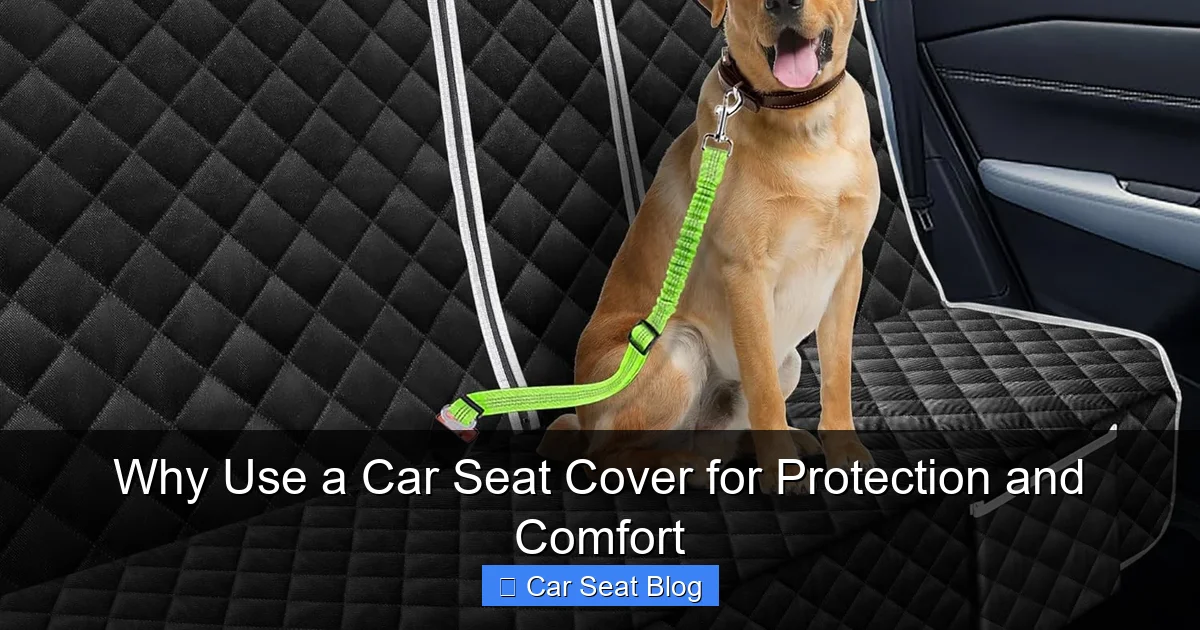
Visual guide about Why Use a Car Seat Cover for Protection and Comfort
Image source: m.media-amazon.com
Defense Against Wear and Tear
Daily use leads to fading, tearing, and general wear—especially in high-contact areas like the driver’s seat. Seat covers act as a barrier, absorbing friction and protecting the original upholstery. Over time, this helps maintain your car’s interior condition, which is crucial if you plan to sell or trade in your vehicle later.
UV and Sun Damage Prevention
Sunlight doesn’t just fade paint—it can also damage seat materials. Prolonged exposure to UV rays can cause leather to crack and fabric to discolor. Many modern seat covers include UV-resistant coatings or are made from materials that naturally resist sun damage, helping your seats look newer for longer.
Pet and Child Protection
If you travel with kids or pets, a seat cover is almost essential. It guards against sticky fingers, muddy paws, shedding fur, and accidental scratches. Some covers even feature non-slip backing to keep pets secure and prevent sliding during sudden stops.
Improved Comfort and Temperature Control
Not all seat covers are created equal. Some are designed with comfort in mind—adding extra padding, breathable mesh, or even built-in heating and cooling elements. For example, mesh covers improve airflow in hot weather, while fleece-lined options add warmth in winter. This makes long drives more enjoyable for everyone.
Step 2: Choose the Right Type of Car Seat Cover
With so many options on the market, picking the right cover can feel overwhelming. The key is to match the cover to your lifestyle, vehicle, and needs.
Material Matters
- Neoprene: Waterproof, durable, and great for active lifestyles. Ideal for SUVs, trucks, and outdoor enthusiasts.
- Polyester: Affordable, lightweight, and easy to clean. Good for everyday use and families.
- Leatherette (Faux Leather): Sleek and stylish, mimics real leather without the high cost. Easy to wipe clean.
- Velvet or Suede: Luxurious feel and soft texture. Best for colder climates and comfort-focused drivers.
- Mesh or Breathable Fabrics: Excellent for hot climates. Promotes airflow and reduces sweating.
Universal vs. Custom Fit
Universal covers are designed to fit a wide range of vehicles and are usually more affordable. However, they may not provide a snug fit and can shift during use. Custom-fit covers are tailored to your specific car model, offering a seamless look and better protection. If you want a professional appearance and maximum coverage, go custom.
Front, Rear, or Full Set?
Decide how much coverage you need. Front seat covers are the most common and protect the most-used areas. Rear seat covers are great if you frequently transport passengers or cargo. Full sets offer complete protection and are ideal for families, pet owners, or those who want a uniform look.
Step 3: Install Your Car Seat Cover Correctly
A great cover is only effective if it’s installed properly. Follow these steps to ensure a secure, wrinkle-free fit.
Prepare Your Seats
Start by cleaning your original seats thoroughly. Vacuum out crumbs, wipe down surfaces, and remove any debris. This ensures the cover sits flat and doesn’t trap dirt underneath.
Follow the Manufacturer’s Instructions
Each cover comes with specific installation steps. Read them carefully. Most covers use straps, hooks, or elastic bands to secure in place. Avoid forcing the cover—gentle stretching is normal, but over-tightening can damage the material.
Secure All Straps and Clips
Make sure all attachment points are fastened. Loose covers can bunch up or slip, reducing protection and comfort. For bucket seats, pay attention to the headrest area—many covers require you to remove the headrest temporarily to slide the cover over.
Adjust for a Snug Fit
Once installed, sit in the seat and adjust the cover as needed. Smooth out any wrinkles or bulges. A well-fitted cover should look like it belongs—no sagging or shifting.
Step 4: Maintain and Clean Your Seat Cover
To get the most out of your investment, regular maintenance is key.
Daily and Weekly Care
Wipe down surfaces with a damp cloth to remove dust and spills. For fabric covers, use a handheld vacuum to pick up crumbs and pet hair. This prevents buildup and keeps your car smelling fresh.
Deep Cleaning Tips
- Machine-Washable Covers: Check the label. Many polyester and neoprene covers can be tossed in the washing machine on a gentle cycle. Air dry only—no dryers.
- Wipeable Covers: Use a mild soap and water solution with a soft cloth. Avoid harsh chemicals that can degrade materials.
- Stain Treatment: Act quickly on spills. Blot (don’t rub) with a clean cloth and apply a fabric-safe cleaner if needed.
Seasonal Checks
Every few months, inspect your covers for signs of wear, loose straps, or fading. Replace them if they’re torn or no longer providing adequate protection.
Troubleshooting Common Issues
Even the best seat covers can run into problems. Here’s how to fix the most common ones.
Cover Keeps Slipping
If your cover won’t stay in place, check the attachment points. Make sure all straps are secured and that you’re using the correct size. For added grip, consider anti-slip seat pads or rubberized backing liners.
Fading or Discoloration
This is often due to sun exposure. Park in the shade when possible, or use a windshield sunshade. Choose UV-resistant covers for long-term protection.
Odor Buildup
Persistent smells usually mean trapped moisture or bacteria. Remove the cover and wash it thoroughly. Let it dry completely in the sun, which naturally kills odor-causing microbes.
Poor Fit or Wrinkles
A universal cover may not fit perfectly. If wrinkles persist, try adjusting the straps or using a seat cover with more stretch. For a better fit, consider upgrading to a custom model.
Conclusion
Using a car seat cover is a simple yet powerful way to protect your vehicle, enhance comfort, and maintain its value. From shielding against spills and pet damage to improving ride quality with breathable or heated fabrics, the benefits are clear. With the right cover, proper installation, and regular care, you can keep your car’s interior looking and feeling great for years to come.
Whether you’re a daily commuter, a family driver, or an adventure seeker, there’s a seat cover designed for your lifestyle. Take the time to choose wisely, install correctly, and maintain regularly—and you’ll enjoy a cleaner, more comfortable, and more stylish ride every time you hit the road.

