Choosing the best car seat cover depends on your lifestyle, vehicle type, and priorities like protection or comfort. This guide helps you pick the right material, fit, and style to keep your seats clean and stylish.
Quick Answers to Common Questions
Tip/Question?
Can I wash my car seat cover in the washing machine?
It depends on the material. Neoprene and some fabric covers are machine-washable—check the label. Vinyl and leather should be wiped clean only.
Tip/Question?
Do seat covers work with heated seats?
Yes, but only if they’re designed for it. Look for thin, heat-conductive materials or covers with cutouts over heating elements.
Tip/Question?
Are custom-fit covers worth the extra cost?
Absolutely, if you want a clean, professional look and maximum protection. They stay in place and don’t interfere with seat functions.
Tip/Question?
Can I install a seat cover myself?
Yes! Most covers come with instructions and take 10–20 minutes to install. No tools needed for most models.
Tip/Question?
Do seat covers increase resale value?
Indirectly, yes. By protecting your original upholstery, they help maintain your car’s interior condition, which buyers notice.
Which Car Seat Cover Is Best for Your Vehicle?
Your car’s seats take a beating—spills, sun exposure, pet claws, and daily wear can leave them looking tired and stained. That’s where a quality car seat cover comes in. But with so many options on the market, how do you know which car seat cover is best for your vehicle?
In this guide, we’ll walk you through everything you need to consider before buying. Whether you drive a compact sedan, a rugged SUV, or a family minivan, we’ll help you find a seat cover that fits perfectly, protects your investment, and matches your lifestyle. By the end, you’ll know exactly what to look for—and avoid—when shopping for car seat covers.
Step 1: Know Your Needs
Before you start browsing, ask yourself: What do I need most from a seat cover? Your answer will guide your choice more than any brand or price tag.
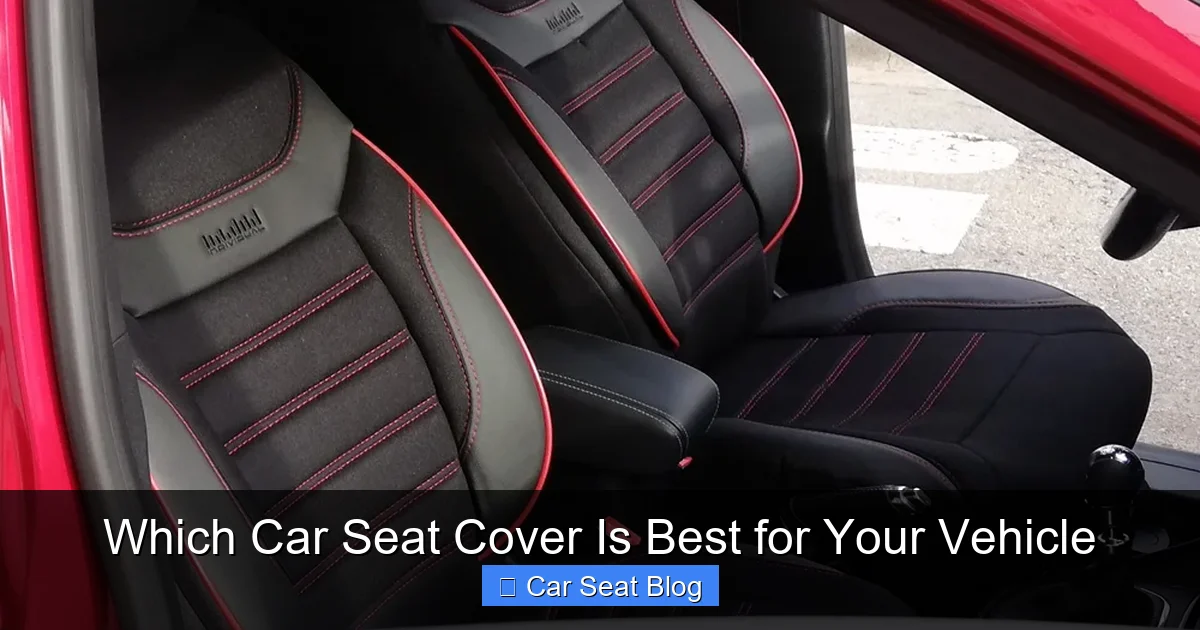
Visual guide about Which Car Seat Cover Is Best for Your Vehicle
Image source: cover-company.com
Are You Protecting Against Spills and Stains?
If you frequently eat in the car, have young kids, or carry coffee on your commute, waterproof or water-resistant covers are a must. Materials like neoprene and vinyl repel liquids and wipe clean easily. Avoid fabric-only options unless they’re treated for stain resistance.
Do You Travel with Pets?
Pet owners should prioritize scratch-resistant and machine-washable covers. Look for reinforced stitching and non-slip backing to keep the cover in place when your dog jumps in. Some covers even come with built-in seat protectors or extendable panels for the back of the seat.
Is Comfort a Priority?
For long drives or hot climates, breathable materials like mesh or perforated leather help prevent sweating and discomfort. Avoid thick, non-breathable fabrics if you live in a warm area.
Do You Want to Upgrade Your Interior?
Seat covers aren’t just functional—they’re fashionable too. If you want a luxury look, consider faux leather or custom-colored neoprene. For a sporty vibe, go for racing-style designs with bold stitching.
Step 2: Choose the Right Material
The material of your seat cover affects durability, comfort, ease of cleaning, and price. Here’s a breakdown of the most popular options:
Neoprene
Neoprene is a top choice for many drivers. It’s water-resistant, stretchy, and offers excellent protection against spills and wear. It’s also soft and comfortable, making it great for daily use. Best for: Families, commuters, and pet owners. Downside: Can trap heat in hot weather unless it’s perforated.
Leather (Real or Faux)
Leather gives your car a premium, upscale look. Real leather is durable and ages well, but it’s expensive and can get hot. Faux leather (also called PU leather) is more affordable, easier to clean, and comes in many colors. Best for: Drivers who want style and easy maintenance. Downside: Faux leather may crack over time with heavy use.
Polyester and Fabric Blends
These are budget-friendly and come in countless patterns and colors. They’re lightweight and breathable but may not resist stains or wear as well as other materials. Look for stain-resistant treatments if you choose fabric. Best for: Casual use and style-focused buyers. Downside: Harder to clean and less durable.
Vinyl
Vinyl is 100% waterproof and extremely easy to wipe down. It’s ideal for work trucks or vehicles used in messy conditions. However, it can feel sticky in heat and lacks the softness of other materials. Best for: Utility vehicles and outdoor enthusiasts. Downside: Not very breathable or comfortable for long trips.
Mesh and Breathable Fabrics
Designed for ventilation, these covers keep you cool in summer. They’re often used in performance or sport seat covers. Best for: Hot climates and long drives. Downside: Less protection against spills unless layered with a waterproof base.
Step 3: Get the Right Fit
A poorly fitting seat cover can be more annoying than no cover at all. It can slip, bunch up, or block airbags—yes, that’s a safety risk!
Custom-Fit vs. Universal Fit
Custom-fit covers are made specifically for your car’s make, model, and year. They hug every contour, including side airbags, seat heaters, and armrests. They look sleek and stay in place. Universal covers are cheaper and fit a range of vehicles, but they often require adjustments and may not cover all areas properly.
Tip: Always check if the cover is compatible with side airbags. Look for labels like “airbag-safe” or “side-impact tested.”
Measure Your Seats
Even if you’re buying universal, measure your seat’s width, depth, and headrest size. Some covers are labeled “small,” “medium,” or “large”—use your measurements to pick the right size.
Check for Features
Does your seat have heating, cooling, or lumbar support? Make sure the cover doesn’t block these functions. Some high-end covers are designed with cutouts or thin materials to preserve seat functionality.
Step 4: Consider Installation and Maintenance
Nobody wants to spend 30 minutes wrestling with straps every time they clean the car. Look for covers that are easy to install and remove.
Installation Tips
- Choose covers with elastic edges, hooks, or Velcro straps for a secure fit.
- Avoid covers that require tools or permanent modifications.
- Watch installation videos from the manufacturer before buying.
Cleaning and Care
Check the care instructions. Can it be wiped down? Machine washed? Spot cleaned? Neoprene and vinyl are usually the easiest to maintain. Fabric covers may need regular vacuuming and occasional deep cleaning.
Pro tip: Keep a small cleaning kit in your car—microfiber cloth, mild soap, and a spray bottle—for quick spills.
Step 5: Set a Budget
Car seat covers range from $20 to $300+. Here’s what you get at different price points:
Budget ($20–$50)
Universal fabric or basic polyester covers. Good for light use and temporary protection. May wear out faster and lack advanced features.
Mid-Range ($50–$150)
Better materials like neoprene or faux leather. Often custom-fit and include features like airbag compatibility and non-slip backing.
Premium ($150+)
High-end materials, precise fit, and extras like heated seat compatibility, luxury finishes, or eco-friendly fabrics. Ideal for long-term use and resale value.
Remember: A $100 cover that lasts 5 years is a better deal than a $30 one that needs replacing every year.
Troubleshooting Common Issues
Cover Keeps Slipping
This usually happens with universal covers or poor installation. Try using non-slip pads underneath or upgrading to a custom-fit model.
Fading or Cracking
Caused by sun exposure, especially with vinyl or faux leather. Use a sunshade when parked and apply UV protectant sprays designed for car interiors.
Bad Odors
Fabric covers can trap moisture and smells. Air them out regularly, and use baking soda or car-safe odor eliminators.
Blocks Seat Functions
If your heated seats don’t work or airbags are obstructed, the cover isn’t compatible. Return it and look for one labeled “seat function safe.”
Conclusion
Finding the best car seat cover isn’t about picking the most expensive or flashy option—it’s about matching the right material, fit, and features to your lifestyle. Whether you need heavy-duty protection for your work truck or a stylish upgrade for your daily driver, the perfect cover is out there.
Start by assessing your needs, then choose a material that fits your climate and usage. Prioritize a snug, safe fit—especially if your car has side airbags. And don’t forget ease of cleaning and installation. With the right cover, your seats will stay clean, comfortable, and looking great for years to come.
Now that you know what to look for, you’re ready to shop with confidence. Your car—and your passengers—will thank you.

