Quick Summary: Battery reserve capacity (RC) is how long a healthy battery can run your car’s essentials if the alternator fails. It’s measured in minutes at a steady 25-amp draw until 10.5 volts. Higher RC means more time before the engine dies. Know your RC to avoid stalls, protect electronics, and choose the right battery.
Your car started fine yesterday. Today it cranks slow. Or worse, it dies at a light when the alternator fails. If this sounds familiar, you’re in the right place. Battery reserve capacity is the number most drivers miss, yet it can save your day. In this guide, I’ll explain battery reserve capacity in simple terms. You’ll learn what it is, why it matters, and how to test and improve it at home.
What Is Battery Reserve Capacity (RC)?
Battery reserve capacity (RC) tells you how long a fully charged battery can power your vehicle’s basic electrical needs if the alternator stops charging. It’s tested at a constant 25-amp draw until battery voltage drops to 10.5 volts at 80°F (27°C). The result is shown in minutes. For example, RC 120 means the battery can supply 25 amps for 120 minutes before hitting 10.5 volts. This is different from cranking numbers like CCA. RC shows endurance, not starting punch.
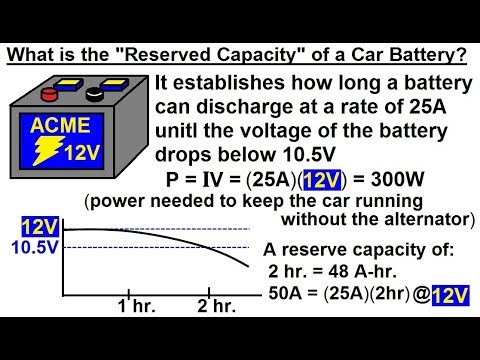
Why 25 amps? That’s a good stand-in for the load of essentials: fuel pump, ignition, engine control, and a few lights. Real loads change with fans, wipers, heated seats, and audio. But 25 amps gives a common yardstick, so you can compare batteries.
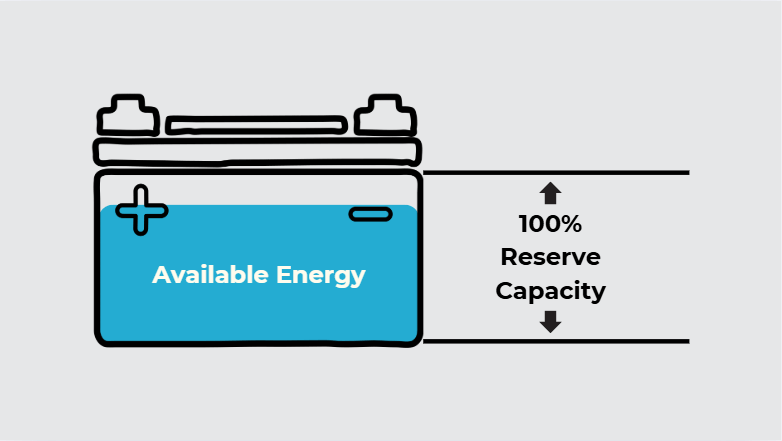
RC is your safety buffer. If your alternator fails on the highway, RC determines how far you can drive to a safe spot. A higher RC buys you more time. It also helps during short trips and heavy accessory use when the alternator can’t keep up.
RC vs CCA vs Ah: What’s the Difference?
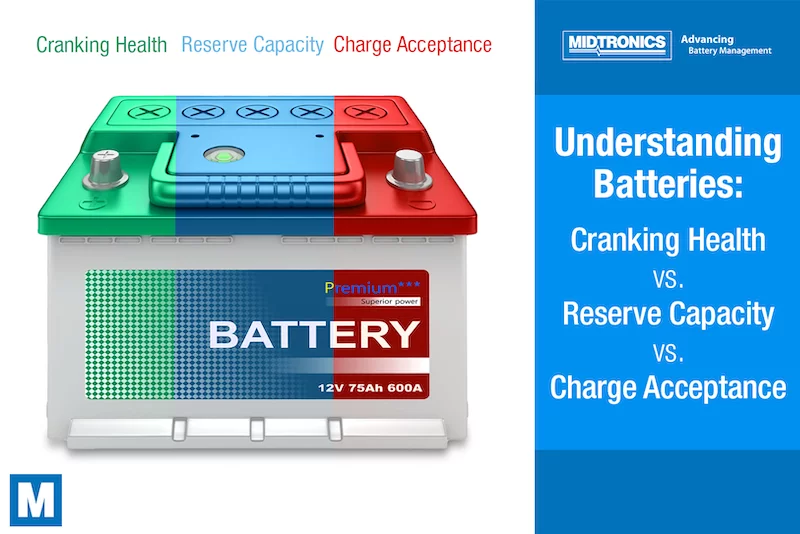
These three ratings confuse a lot of drivers. Here’s the simple way to see them. Cold Cranking Amps (CCA) is a starting power burst in cold weather. Reserve Capacity (RC) is how long the battery can keep things running with no alternator. Amp-hours (Ah) is the total energy a battery can deliver at a gentle draw, often used on deep-cycle batteries. Each number matters, but for everyday driving and emergencies, RC is your backup plan.
- CCA (Cold Cranking Amps): How many amps the battery can deliver for 30 seconds at 0°F while staying at or above 7.2 volts. Helps the engine start in the cold.
- RC (Reserve Capacity): Minutes at a steady 25A until the battery reaches 10.5V at 80°F. Shows run time when the alternator fails.
- Ah (Amp-hours): Amps x hours at a low draw (often a 20-hour rate). Common on deep-cycle or marine batteries.
Many U.S. car batteries list CCA and RC on the label. Some only show CCA. If you don’t see RC, you can often look it up by the part number on the maker’s site.
Why RC Matters in Real Driving
Think of RC as your car’s emergency oxygen tank. If the alternator quits, your battery is now the only power source. A higher RC means more minutes of safe driving. It also reduces the chance of stalling at lights, losing power steering assist (on electric systems), or dropping voltage to the engine computer and fuel pump.
- Night driving with lights and wipers: RC keeps the engine control and fuel pump alive when the alternator can’t.
- Cold mornings: Thick oil makes the engine harder to run; RC helps support extra electrical loads post-start.
- Short-trip city driving: RC helps when the alternator doesn’t have time to replace the energy used at start-up.
- Accessory-heavy cars: Stereo amps, heated seats, dash cams, and inverters all drain the battery. RC adds margin.
Bottom line: CCA gets you started. RC keeps you going.
How to Check Your Car’s Reserve Capacity
You can check RC in three ways. First, read it off the label or the manufacturer’s data sheet. Second, estimate it at home with a safe load test and a multimeter. Third, have a shop or parts store run a professional capacity test. Start with the label method, then confirm health with a voltage check and a pro test if needed.

Find RC on Your Battery Label
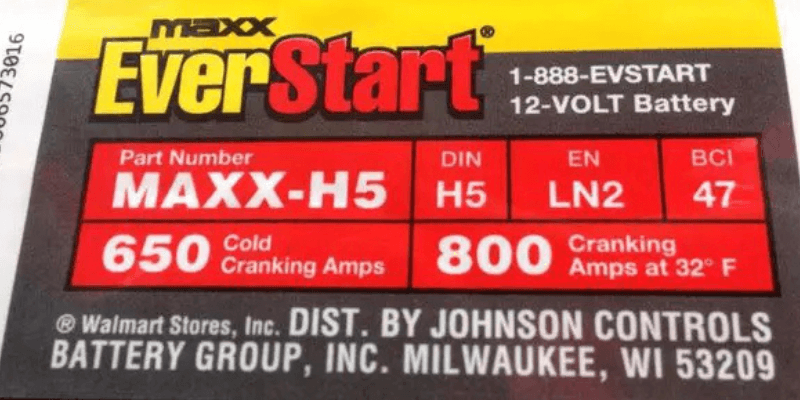
Most replacement batteries list RC and CCA right on the top or side sticker. It may say “RC 110” or just “RC 110 min.” If RC is missing, search the part number on the brand’s website. Many Group 24F, 35, 48 (H6), 94R (H7), and 65 batteries have RC in the 90–140 minute range depending on brand and build.

- Pop the hood and wipe the battery label clean.
- Look for “RC,” “Reserve Capacity,” or “Minutes @ 25A.”
- Note the CCA and date code too (e.g., A3 = January 2023 by some makers).
- If no RC on the sticker, search the brand website using the part number (e.g., 35-2, 48/H6).
Home Test: Safe Approximation of RC
This is a safe, at-home estimate. It won’t be lab-accurate, but it can show if your battery is healthy. We’ll use the headlights as a load and a multimeter to watch voltage drop. We will not run the battery to 10.5V to avoid damage. We’ll project RC with simple math.
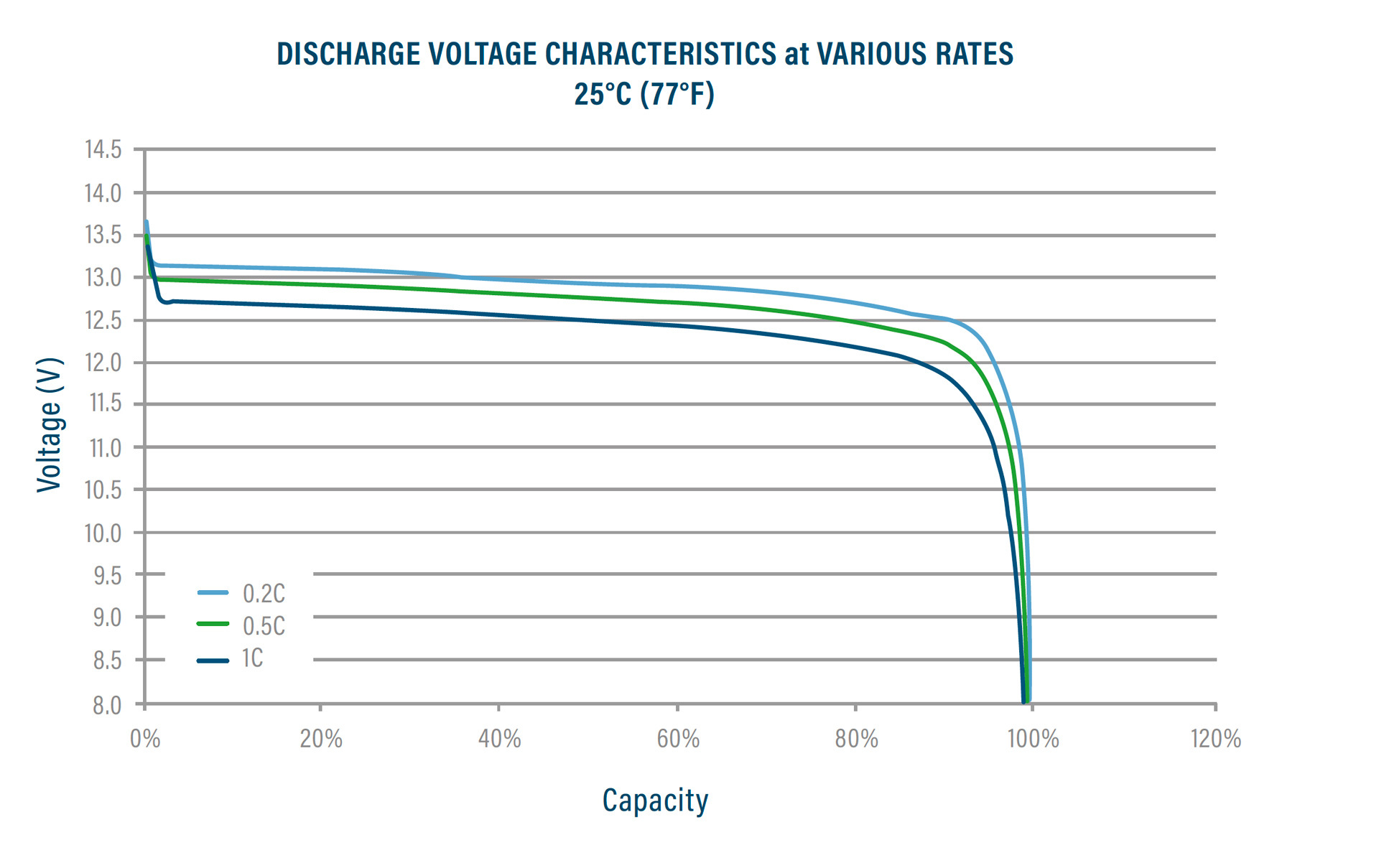
- Fully charge the battery: Drive 30–45 minutes or use a smart charger. Let it rest 1 hour after charging.
- Measure open-circuit voltage (OCV): A healthy, full battery reads about 12.6–12.8V.
- Turn the engine off. Turn on low beams, parking lights, and interior dome. Measure current draw with a clamp meter on the negative cable. Many cars pull 8–15A with lights on. Write it down.
- Start a timer. Record voltage every 10 minutes at the battery posts.
- Stop the test at 12.0V under load. Do not go lower to avoid sulfation.
- Estimate RC: If your load was 12.5A for 75 minutes to reach 12.0V, that’s roughly half the standard RC load. Double the minutes (150) for a ballpark RC. This is not perfect, but it flags a weak battery.
Tip: A pro-grade 25A load tester gives a closer estimate. Many auto parts stores can test for free.
Pro Test: Battery Analyzer or Load Bank
A shop can run a capacity test with a constant 25A load until 10.5V at 80°F. They will compare the minutes to the rated RC. Anything below about 70–80% of the label suggests the battery is aging or has sulfation.
- Charge and rest the battery to full.
- Connect a calibrated 25A load bank at 77–80°F.
- Begin the timed discharge until 10.5V.
- Record minutes. Compare with label RC.
- If low, run a recondition cycle on a smart charger and retest. If still low, plan replacement.
Note: AGM batteries often recover better after conditioning than standard flooded lead-acid types.
Battery Voltage and State of Charge Chart
Use this chart to judge battery health by voltage. Measure at the posts with the engine off and the battery rested at least 1 hour. Then check running voltage to judge alternator output. Keep in mind temperature shifts the numbers slightly. Colder batteries read higher; hot batteries read lower.

| Battery State | Open-Circuit Voltage (Rested) | Running Voltage (Alternator) | What It Means | Reserve Capacity Note |
|---|---|---|---|---|
| Fully charged | 12.6–12.8V | 13.8–14.7V | Healthy and ready | Rated battery reserve capacity is achievable |
| 75% charged | 12.4–12.5V | 13.8–14.7V | Good, top off if short-trip driving | RC reduced slightly until fully charged |
| 50% charged | 12.2–12.3V | 13.5–14.5V | Weak reserve, charge soon | RC significantly reduced |
| 25% charged | 12.0–12.1V | 13.2–14.2V | Very weak, risk of no-start | RC very low; avoid deep discharge |
| Discharged | < 11.9V | Varies | Needs charge, may be sulfated | RC performance will suffer |
Running voltage above 15.0V can overcharge and boil a battery. That kills RC. If you see that, have the alternator checked.
Symptoms, Causes, and Fixes When RC Is Too Low
Low reserve capacity creeps up with age, heat, and short trips. You’ll feel it as dim lights, random stalls, or electronics rebooting when the load spikes. Use this table to match symptoms with fixes fast.
| Symptom | Likely Cause | Quick Fix |
|---|---|---|
| Engine dies at idle with many accessories on | Weak battery RC, alternator undercharging | Charge and test battery; check alternator output |
| Dim headlights at stoplights | Low voltage from tired battery | Clean terminals; charge; test RC and replace if low |
| Slow crank after short trips | Battery not recharged fully; sulfation | Take a longer drive; use smart charger; test capacity |
| Clock resets, radio loses presets | Voltage dips from poor reserve | Test battery; check for parasitic draw; consider higher RC battery |
| Battery light on, then stall | Alternator failure; battery only power source | Drive to safety; reduce loads; test charging system; RC decides how far you get |
| Frequent jump-starts needed | End-of-life battery or parasitic drain | Load test; draw test; replace battery if RC < 70% rated |
What Affects Reserve Capacity Over Time
Reserve capacity shrinks as the battery ages. Heat, vibration, and deep discharges break down the plates and reduce active material. That means less energy in the tank. The good news: smart charging and simple care can slow the loss.
- Age: Most batteries lose 30–50% of capacity by year 4–5.
- Heat: High under-hood temps cook electrolyte and warp plates.
- Vibration: Loose hold-downs shake plates loose and shed material.
- Undercharging: Short trips and weak alternators cause sulfation. Sulfation blocks chemical reaction area.
- Deep discharges: Repeated low-voltage events take big bites from RC.
- Parasitic drains: Dash cams, trackers, or faults nibble at charge every night.
- Incorrect charger: Overcharge or wrong profile dries out flooded cells and AGMs.
Weather and Driving Habits
Hot climates shorten battery life. Cold weather stresses starting, then the alternator must refill the battery. Lots of short trips never replace what you use to start. That leaves you in a low state of charge, so RC fades even faster.
- Hot summers: Park in shade or a garage when you can.
- Winter: Keep trips long enough for a full recharge or use a smart charger weekly.
- City driving: Combine errands to reduce cold starts and idling.
- High accessory load: Stagger usage (like seat heaters and rear defrost) on older cars.
Battery Type and RC
Flooded lead-acid batteries are common and affordable. AGM (Absorbent Glass Mat) batteries handle vibration and deep cycles better. They usually keep their RC longer over time. EFB (Enhanced Flooded Battery) sits between the two and supports start-stop systems. Lithium automotive batteries are light and strong for cranking, but RC specs and behavior differ and often rely on a battery management system (BMS). For most daily drivers, AGM is the best choice if your car supports it.
- Flooded: Budget-friendly, good RC when new, degrades faster with heat and vibration.
- AGM: Better RC retention, charges faster, costs more, great for cold weather and accessories.
- EFB: Good for start-stop; RC is decent; often used as OEM in modern cars.
- Lithium (12V conversions): Not drop-in for all cars; charging profile matters; RC comparisons vary.
How Much RC Do You Need? Picking the Right Battery
Match or exceed the original battery’s reserve capacity. If you drive at night, in traffic, or with lots of accessories, pick a higher RC within the same group size. Make sure the battery fits the tray, has the right terminals, and meets your car’s charging system needs.
- Check your owner’s manual for the battery group and specs.
- Match group size for fit and terminal layout.
- Match or exceed CCA for your climate.
- Choose higher RC for heavy electrical loads or long idle times.
- Pick AGM if you want better durability and RC retention.
| Vehicle Use | Typical Battery Group | Suggested CCA | Suggested Reserve Capacity (RC) | Notes |
|---|---|---|---|---|
| Compact commuter, light accessories | Group 35, 51R | 450–600 | 90–110 min battery reserve capacity | Good for city trips, mild climates |
| Midsize sedan/SUV, family use | Group 24F, 48 (H6), 94R (H7) | 600–750 | 110–140 min battery reserve capacity | Better for nights and weather swings |
| Truck with accessories (winch, lights) | Group 65, 34/78 | 700–900 | 130–160+ min battery reserve capacity | Consider AGM for durability |
| Start-stop vehicles (OEM EFB/AGM) | EFB/AGM in OEM group | As specified | As specified or higher | Use the same type as OEM or better |
Real-World Examples
Let’s say your sedan’s alternator fails at night in the rain. Headlights, wipers, blower, defogger, and fuel pump are on. Your load could be 45–60A. A battery with RC 120 can handle 25A for 120 minutes. At double the load, time might drop to around 60 minutes, often less due to heat and voltage limits. A higher RC buys you more time to reach a shop.
- Ride-share driver: Long idle with A/C, music, dash cam. Pick higher RC AGM for steady voltage.
- Weekend camper: Fridge and lights at the campsite. Add a dedicated deep-cycle or dual battery system.
- Cold climate commuter: Higher CCA for starting, plus RC for defrosters and heaters at idle.
Preventive Care to Protect Reserve Capacity
A few simple habits can protect your battery’s reserve capacity. Keep it charged, keep it clean, and keep it cool. Your battery will deliver stronger performance for longer.
- Monthly check: Read resting voltage with a multimeter.
- Clean terminals: Shine the posts and clamps; use protectant spray.
- Secure the battery: Tighten the hold-down to stop vibration.
- Drive long enough: 20–30 minutes after cold starts to recharge.
- Smart charger: Use a maintainer if you drive short trips or store the car.
- Check charging system: Running voltage 13.8–14.7V is typical.
- Fix parasitic drains: Test and address any draw over 50 mA.
Step-by-Step: Parasitic Draw Test
Parasitic draw is the current your car pulls when parked. Some draw is normal to keep memory alive. Too much will drain the battery overnight and wreck RC over time. Test it with a multimeter. Take your time and be safe.
- Turn the car off, remove the key, close doors. Wait 20–45 minutes for modules to sleep.
- Set your multimeter to amps (10A max input). Move the lead to the correct port.
- Disconnect the negative battery cable. Insert the meter in series between the post and cable.
- Read the draw. Under 50 mA (0.050A) is normal for many cars. Check your service info.
- If high, pull fuses one at a time. Watch for the draw to drop. That circuit has the drain.
- Trace the cause: glove box light, aftermarket alarm, dash cam, stuck relay, or module fault.
- Fix the issue, then recheck.
Do not open doors or trigger lights during the test. That will wake modules and spike the reading.
Step-by-Step: Clean and Protect Battery Terminals
Dirty terminals cause voltage drop. That cuts into usable reserve capacity because more energy is lost as heat. Clean posts help your alternator charge the battery faster and keep RC available.
- Wear gloves and eye protection. Turn off the car.
- Disconnect the negative (-) cable first, then positive (+).
- Scrub posts and clamps with a battery brush or baking soda paste.
- Rinse with water, dry, and reattach positive first, then negative.
- Coat with dielectric grease or battery protectant spray.
Safety Tips When Testing or Charging a Battery
Lead-acid batteries can vent gas and acid. Be smart and take simple steps. Your eyes and hands will thank you. A few minutes of care prevents burns and shocks.
- Always wear eye protection and gloves.
- Keep sparks and flames away. Batteries can vent hydrogen gas.
- Work in a well-ventilated area.
- Connect and disconnect chargers with the charger unplugged.
- Clamp ground to a clean metal point on the chassis if jump-starting.
- Disconnect negative first when removing the battery.
- Avoid overcharging. Follow the charger’s instructions for AGM vs flooded.
When to Replace the Battery Based on RC and Age
Every battery has a life. If your reserve capacity drops too low, you’ll feel it every day. Don’t wait until a no-start in a snowstorm. Here’s when to replace.
- RC below 70–80% of rated after a full charge and conditioning.
- Frequent stalls or dimming at idle with normal loads.
- Age 4–5+ years in hot climates, 5–6+ in mild climates.
- Multiple jump-starts over a few months.
- Resting voltage drops fast overnight with no abnormal draw.
- Failing a professional capacity or load test.
Good news: Replacing with the same group and a higher RC (and AGM if compatible) is a simple upgrade. You’ll notice steadier lights and fewer voltage dips.
Costs and Budget Tips
Battery prices vary by group size and type. Flooded batteries are cheaper. AGM costs more but often lasts longer and holds RC better over time. Most stores charge a core fee you get back when you return the old battery.
- Typical flooded: $120–$200
- AGM: $200–$350
- Core charge: $15–$25 (refunded when you return the old unit)
- Free testing: Many parts stores will test your battery and alternator at no charge.
- Charger investment: A $40–$120 smart charger can save a battery and protect RC.
If you want buying guidance from an independent source, check advice from Consumer Reports. Their battery buying guidance explains how to compare CCA, fit, and lifespan with useful test data.
Step-by-Step: Diagnose, Test, and Fix Low Reserve Capacity
Here’s a quick plan you can follow today. It’s simple and it works. You’ll know if your battery is the problem or if your charging system is to blame. Take notes as you go.
- Scan for warnings: If the battery light is on while driving, suspect the alternator.
- Check resting voltage: After one hour parked, measure at the posts.
- 12.6–12.8V: Full
- 12.2–12.4V: Partially charged
- <12.2V: Low
- Check running voltage: Start the engine. Measure at idle with lights and blower on.
- 13.8–14.7V: Normal charging
- <13.5V: Weak charging
- >15.0V: Overcharging
- Clean and tighten: Remove corrosion, secure clamps and hold-down.
- Charge fully: Use a smart charger until it says full. Let the battery rest 1 hour.
- Load test: Use a parts store tester or a 25A load for a timed check.
- Below spec by 20–30%: Battery is aging.
- Way below spec: Replace soon.
- Parasitic draw test: If the battery drains overnight, track the draw and fix the circuit.
- Decide: If RC is low and age is 4–5+ years, replace with higher RC if possible.
If you’re unsure whether to drive on a battery alone, remember that safety systems need stable voltage. As explained by AAA, weak voltage can affect modern electronics and starting reliability. If your alternator fails on the road, reduce electrical loads and head straight to a shop or safe parking.
RC in Emergencies: How to Stretch Your Minutes
When the alternator dies, the clock starts. Your battery’s reserve capacity is all you have. Use these steps to maximize time. Every amp you save is more distance you can cover. Keep calm and drive smooth.
- Turn off non-essentials: Radio, heated seats, rear defroster, interior lights.
- Use low beams only. Avoid high beams unless needed.
- Turn the blower to low. Keep windows clear just enough for safety.
- Avoid power-hungry moves: No window up/down unless needed.
- Keep RPM steady. Smooth throttle reduces alternator drag if it’s intermittent.
- Head to a safe spot: A shop, well-lit parking lot, or home.
According to the National Highway Traffic Safety Administration, electrical issues can affect safety systems. If you lose power steering assist or ABS warnings appear, slow down and steer with care. RC gives you time, but safety comes first.
Advanced Tips: Squeezing the Most from Your Battery
Want to go the extra mile? These tips help drivers who run many accessories or do lots of short trips. They protect reserve capacity and keep voltage steady for sensitive modules.
- Voltage monitor: A plug-in voltmeter for the 12V outlet helps you spot dips early.
- AGM upgrade: If your charging system supports it, AGM handles deep cycles and heat better.
- Big audio systems: Use a separate AGM in the trunk with proper fusing and wiring.
- Dash cams and trackers: Hardwire with a low-voltage cutoff to save the starter battery.
- Periodic reconditioning: Smart chargers with desulfation modes can restore some lost RC.
- Cable upgrade: Old, corroded cables and grounds raise resistance. Clean or replace to keep charging strong.
For more context on battery maintenance and replacement timing, the guidance from AAA offers clear, driver-friendly advice you can trust.
FAQ: Battery Reserve Capacity
Short, clear answers to the most common questions I hear in the shop.
What is battery reserve capacity in simple terms?
It’s how long your battery can run the car’s essentials if the alternator stops charging. It’s measured in minutes at a 25-amp load until voltage drops to 10.5V.
What is a good reserve capacity for a car?
Most modern cars do well with RC 110–140 minutes. Trucks and accessory-heavy vehicles may want 130–160+ minutes.
Is reserve capacity more important than CCA?
Both matter. CCA gets you started, especially in winter. RC keeps the car running if the alternator fails or you idle with high electrical loads.
Can I test RC at home?
You can estimate it by measuring voltage drop under a known load, like headlights. A professional 25A load test is more accurate.
Does a higher RC battery last longer?
Higher RC often means more plate material and a heavier battery. That can help, but care, heat, and charging habits still decide lifespan.
Will a bad alternator kill my reserve capacity?
A failing alternator can undercharge or overcharge. Both hurt the battery. Undercharging causes sulfation. Overcharging overheats and dries it out.
How do I know when to replace the battery?
If RC tests below 70–80% of rated, or the battery is over 4–5 years and shows weak voltage or slow cranking, replacement is smart.
Conclusion
Battery reserve capacity is your backup power when the alternator can’t help. It’s the difference between getting stuck and getting home. Now you know what RC means, how to check it, and how to protect it. Keep your battery clean, charged, and tested. Pick a battery with the right RC for your driving. If you’re seeing dim lights, slow cranks, or stalls, grab a multimeter and check voltage today. A few minutes now can save a tow later. You’ve got this.