Quick Summary: A maintenance-free battery is a sealed lead-acid car battery that never needs you to add water. It still needs basic checks (terminals, voltage, charging), but day-to-day upkeep is minimal. Learn how it works, when to test it, how to jump-start or charge it, and the clear signs it’s time to replace.
If your car cranks slow or the dash lights flicker, you might be asking what “maintenance-free battery” actually means. Don’t worry. You’re not alone. Many drivers hear the term at a parts store and feel lost. In this guide, I’ll explain the maintenance-free battery meaning in simple words. You’ll learn how it works, how to test it at home, the best fixes for common problems, and when to replace it with confidence.
Maintenance-Free Battery Meaning: A Simple Definition
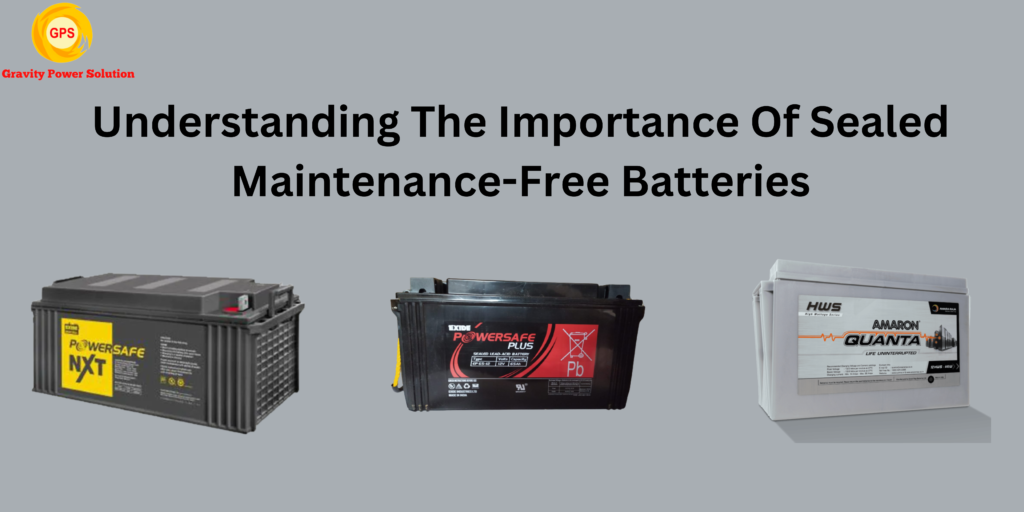
A maintenance-free car battery is a sealed lead-acid battery that does not need you to add water to the cells. The case is sealed or has non-removable caps. It uses a design that reduces water loss during normal charging. You still need basic care like keeping terminals clean and testing voltage, but you do not top up fluid.
- “Sealed” means you cannot open the cells to add distilled water.
- They are often labeled SMF (sealed maintenance-free) or VRLA (valve-regulated lead-acid).
- Many modern cars use AGM (a type of maintenance-free battery) for better vibration resistance and performance.
- You still check charging health and clean corrosion. “Maintenance-free” is about no water adding, not zero care.
How Maintenance-Free Batteries Work
Maintenance-free batteries use lead plates and an electrolyte, just like traditional flooded batteries. The key difference is the design that minimizes gas loss and recaptures moisture. In AGM and other VRLA designs, oxygen recombines inside the battery, so water loss is very low. That is why you never need to add water during normal use.
Inside the Case: Plates and Electrolyte
Inside, you have positive and negative lead plates and a sulfuric acid solution. In AGM batteries, a glass mat absorbs the acid. This keeps the liquid from sloshing and helps oxygen recombine. Sealed flooded (SMF) batteries have special lead alloys and better separators. These reduce gas and water loss under proper charging.
Charging System Interaction
Your alternator and voltage regulator keep the battery charged while you drive. A healthy charge range is about 13.8–14.7 volts while the engine runs. If the regulator overcharges, even a maintenance-free battery can vent gas and age fast. Good charging control is key for long life.

Maintenance-Free vs Conventional Flooded Batteries
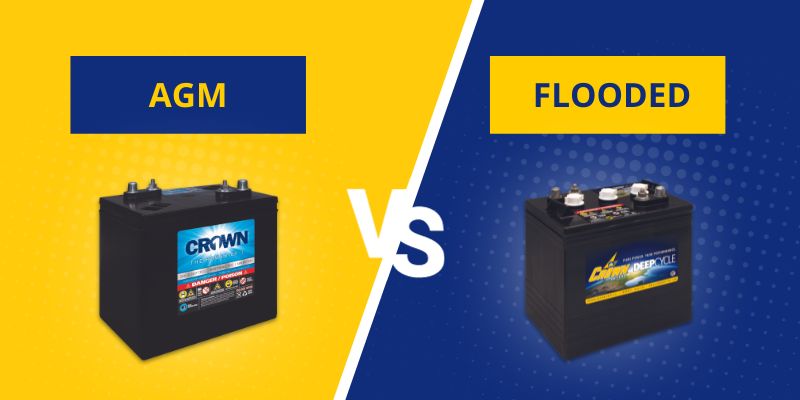
Not all lead-acid batteries are the same. Older flooded batteries often have removable caps. You could check fluid and add distilled water. Maintenance-free batteries skip this task. They seal the case and use designs that keep water inside the system under normal use.
| Feature | Maintenance-Free (SMF/AGM) | Conventional Flooded (Serviceable) |
|---|---|---|
| Water adding | Never add water | May need distilled water |
| Top caps | Sealed or non-removable | Removable vent caps |
| Spill risk | Very low, especially AGM | Higher, liquid electrolyte |
| Vibration resistance | AGM = excellent | Good to fair |
| Self-discharge | Lower | Higher |
| Cold cranking performance | Strong; AGM excels | Varies by model |
| Lifespan (typical) | 3–6 years (usage and climate dependent) | 3–5 years (usage and climate dependent) |
| Cost | Higher (AGM costs most) | Lower |
| Best for | Modern cars, start-stop, high demand | Older or basic vehicles |
| Notes | “Maintenance-free battery meaning” = no water adding | Requires more checks over time |
Quick Terminology Table
Battery terms can sound complex. Here is a fast guide to plain language.

| Term | Plain Meaning |
|---|---|
| Maintenance-free battery meaning | A sealed lead-acid battery that never needs water added |
| AGM | Absorbent Glass Mat; electrolyte is soaked in fiberglass mats |
| VRLA | Valve-Regulated Lead-Acid; sealed design with pressure relief valves |
| CCA | Cold Cranking Amps; how well a battery starts in cold weather |
| RC | Reserve Capacity; how long the battery can power loads if the alternator fails |
| SMF | Sealed Maintenance-Free; sealed flooded battery with low water loss |
Types of Maintenance-Free Car Batteries
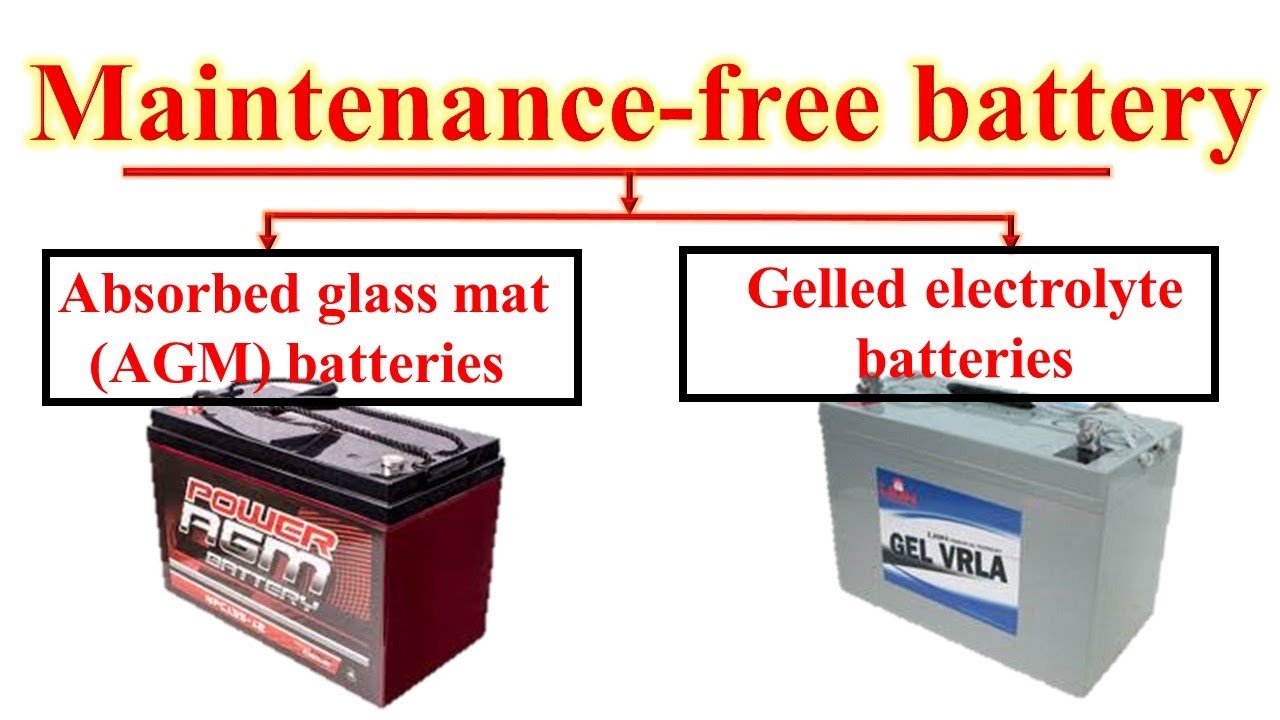
Maintenance-free is an umbrella term. Several designs fit under it. Most common are sealed flooded (SMF), AGM, and EFB. Each works a bit different but all avoid water top-ups.

Sealed Flooded (SMF)
These look like traditional flooded batteries but with sealed tops. They use improved lead alloys and separators. The goal is to cut gas and water loss. They are a budget-friendly way to get low-upkeep benefit. Many daily drivers use SMF units with no issues for years.
AGM (Absorbent Glass Mat)
AGM batteries hold the electrolyte in fiberglass mats. They resist vibration and spill. They charge fast and handle high loads well. Many luxury or start-stop cars use AGM for stable power. AGM also recovers better after deep discharge than standard flooded units.
EFB (Enhanced Flooded Battery)
EFB is a step up from standard flooded. It is often used in basic start-stop systems. EFB is not AGM, but it offers better cycle life than standard flooded batteries. It is also often maintenance-free in daily use.
Pros and Cons You Should Know
Maintenance-free batteries save time. Still, you should know the trade-offs before you buy or replace one.
Pros
These are the reasons most drivers prefer maintenance-free designs today.
- No water to add, ever
- Cleaner top with fewer fumes and spills
- Lower self-discharge during storage
- AGM gives better vibration resistance
- Strong cranking power, even in cold weather (model dependent)
- Safe and sealed for most trunk or cabin installs (OEM design)
Cons
Know these limits so you can plan ahead and avoid surprise issues.
- Higher cost, especially AGM
- Sensitive to overcharging or heat
- You cannot add water if overcharged and dried out
- If the alternator fails, damage can escalate fast
- Some need specific charger modes (AGM setting)
Do You Still Need to Maintain a Maintenance-Free Battery?
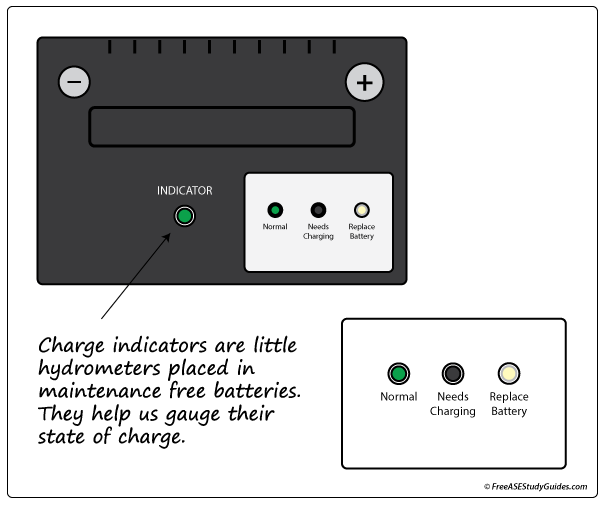
Yes, but it is simple. You do not add water. You do quick checks. Keep it clean. Make sure the charging system is healthy. That is it.
- Inspect terminals monthly. Clean any white or blue crust with baking soda and water.
- Check hold-downs. A loose battery vibrates and fails early.
- Test resting voltage monthly. 12.6–12.8 V is healthy, engine off.
- Watch your drive pattern. Many short trips can drain the battery over time.
- If you park long-term, use a smart maintainer (AGM mode if AGM).
Step-by-Step: How to Test a Maintenance-Free Battery at Home
Testing takes 10 minutes and a cheap multimeter. You can spot a weak battery before it leaves you stranded.
Tools You’ll Need
Gather these simple tools. Most are low-cost and easy to use.
- Digital multimeter
- Gloves and eye protection
- Wire brush or terminal cleaner
- Smart charger or maintainer (with AGM mode if needed)
Safety First
Lead-acid batteries can vent gas if stressed. Be smart and stay safe.
- Work in a ventilated area.
- Avoid sparks, flames, and smoking near the battery.
- Wear eye protection and gloves.
- Keep metal tools away from both terminals at once.
Step 1: Rest the Battery
Turn off the car and lights. Wait 30 minutes. This lets the surface charge settle for a fair test.
Step 2: Measure Resting Voltage
Set the multimeter to DC volts. Touch red to plus, black to minus. Read the value. Compare it to the chart below. This is the fastest health check for any maintenance-free battery.
| Resting Voltage (12V battery) | State of Charge | Action |
|---|---|---|
| 12.7–12.8 V | 100% | Healthy; “maintenance-free battery” in great shape |
| 12.5–12.6 V | 90–100% | Good; consider a full charge if you drive short trips |
| 12.3–12.4 V | 70–80% | Low; recharge soon to avoid sulfation |
| 12.1–12.2 V | 50–60% | Weak; charge now and retest |
| 11.9–12.0 V | ~40% | Very low; charge immediately |
| < 11.8 V | < 30% | Deeply discharged; slow charge with a smart charger |
Step 3: Cranking Voltage Test
Have a helper start the car while you watch the meter. Healthy cranking voltage stays above 9.6 V at 70°F. If it dips far lower, the battery is weak or the starter is pulling too much current.
Step 4: Charging Voltage Test (Engine Running)
Now read voltage with the engine idling. You should see about 13.8–14.7 V. If it is below 13.5 V, your alternator may be weak. If above 15 V, the regulator may be overcharging and can damage a maintenance-free battery fast.
Step 5: Load Test (Optional)
A handheld battery tester can measure internal resistance and estimate health. Many parts stores can do this for free. This is a great next test if your voltage numbers look off.
Common Problems, Causes, and Easy Fixes
Most battery issues show up as slow starts, dead mornings, or warning lights. Use this table to match symptoms with likely causes and quick fixes.
| Symptom | Likely Cause | Quick Fix |
|---|---|---|
| Slow crank, clicks only | Weak battery; corrosion; loose clamps | Clean terminals; tighten clamps; charge and retest |
| Battery dies overnight | Parasitic drain; glovebox/trunk light stuck | Pull fuses to isolate drain; fix stuck switch or short |
| Dash lights flicker | Poor alternator output; loose belt | Test charging voltage; check belt tension; inspect grounds |
| Rotten egg smell | Overcharge; battery overheating | Stop charging; test regulator; replace battery if swollen |
| Green/white crust on terminals | Acid vapor corrosion | Clean with baking soda solution; coat with protectant |
| Good battery but random stalls | Bad ground; failing alternator | Check ground straps; test alternator output under load |
| Battery fine, starter slow when hot | Starter heat soak | Heat shield; starter diagnosis; check cables |
Cold Weather Starts
Cold slows chemical reactions and thickens oil. Even a good battery feels weaker in winter. Choose a battery with CCA that meets or beats your car’s spec. In harsh winters, an AGM often performs better at low temps.
Parasitic Drains
A small drain is normal. It powers the clock, ECU, and security. Big drains from a stuck relay or light can empty a battery overnight. Use a multimeter in series to check draw. Under 50 mA is common for many cars. Pull fuses to find the bad circuit.
Short-Trip Driving
Frequent 5–10 minute trips do not let the alternator recharge the battery. Over weeks, the state of charge slides down. Plan a longer drive once a week. Or use a smart maintainer at home.
How to Jump-Start and What to Do Next
Jump-starts are safe if done right. Keep sparks away from the battery. Follow the order below to avoid a boom or a fried ECU.
- Park close but not touching. Turn both cars off.
- Red clamp to dead battery positive (+).
- Red clamp to donor battery positive (+).
- Black clamp to donor negative (–).
- Black clamp to a bare metal ground on the dead car, away from the battery.
- Start the donor car. Wait 2 minutes.
- Start the dead car. Let it idle.
- Remove clamps in reverse order.
After you jump-start, drive for 20–30 minutes without heavy loads. Then test resting voltage after the car sits. If it still reads low, slow-charge it with a smart charger and retest. A maintenance-free battery can recover if not abused, but repeated deep drains will shorten its life.
Charging a Maintenance-Free Battery Safely
A smart charger is worth it. It protects against overcharge. It can desulfate gently and switch to float mode when full. If you own an AGM, pick a charger with an AGM setting.
- Check the label. Confirm battery type (AGM, EFB, or SMF flooded).
- Disconnect the negative terminal if the car’s manual advises it.
- Connect charger red to positive, black to negative.
- Select battery type and correct amperage. 2–10 A is fine for most car batteries.
- Let it charge to 100%. Many smart chargers show a percent or “Full.”
- Once full, the charger should switch to float/maintain mode.
- Reconnect the terminal if you removed it. Tighten clamps.
- Warning: Do not use “boost” modes that push high voltage on an AGM unless the charger is AGM-safe.
- If you smell rotten eggs or see bulging, stop and replace the battery.
When to Replace: Clear Signs and Mileage
No battery lasts forever. Many die between 3–5 years. Heat, short trips, and heavy loads can shorten life. Use these signs to decide when to replace a maintenance-free battery with confidence.
- Cranking is slow and voltage drops under 9 V during start.
- Resting voltage drops fast after a full charge.
- Case is swollen or warped.
- Rotten egg smell after normal charging or driving.
- Age is 4–6+ years, even if it seems okay.
- Frequent jump-starts needed despite a healthy alternator.
Check the date code on the battery top or sticker. If it is past the typical life for your climate, consider a new one before winter. That can save a tow bill and a lot of stress on a cold morning.
Choosing the Right Maintenance-Free Battery
Pick the right size and type for your car. An exact fit matters for hold-downs and cable reach. If your car uses start-stop, you likely need EFB or AGM. Your owner’s manual or the battery fit guide at the store will list the right group size.
- Group size: The shape and terminal position. Must match your tray and cables.
- CCA: Meets or beats factory spec for your climate.
- RC (Reserve Capacity): Helps in case of alternator failure.
- Type: AGM for start-stop or high electrical load; EFB for basic start-stop; SMF flooded for standard cars.
- Warranty: Longer is nice, but read the fine print.
For unbiased testing and brand results, check independent advice like Consumer Reports’ battery buying guides. Their lab tests focus on cranking, life, and reserve capacity, which can help you choose with less guesswork.
As explained by Consumer Reports, matching the right battery type to your vehicle and use case will help it last longer.
Environmental and Safety Notes
Lead-acid batteries are recyclable. Most stores give a core credit when you bring the old one back. Never toss a battery in the trash. It holds lead and acid. Be safe and recycle it the right way.
- Return your old battery to the parts store for proper recycling.
- Store dead batteries upright on a plastic tray until you can return them.
- Wash hands after handling batteries or terminals.
For safe handling tips and recycling facts, you can review guidance from the EPA on lead-acid battery recycling. And for road-side safety around jump-starts or breakdowns, resources from AAA are very beginner-friendly.
Diagnose Charging Problems Fast
Sometimes the battery is not the root cause. A weak alternator or loose belt can make a new battery look bad fast. Here is how to check the system in minutes.
- Measure resting battery voltage (engine off).
- Start the car. Measure charging voltage (engine running). Look for 13.8–14.7 V.
- Turn on headlights, rear defrost, and blower. Voltage should stay above 13.5 V.
- If it drops low, test the alternator. If it spikes high, test the regulator.
- Inspect the belt for cracks and tension. A slipping belt hurts charging.
Bad grounds can mimic battery issues. Inspect the negative battery cable to chassis and engine. Clean and tighten. A simple ground cleaning can cure “ghost” electrical issues.
Real-World Scenarios and Fixes
These are common calls I get from friends and readers. Here is how I walk them through a fix, step by step.
“It Cranks Slow Only in the Morning”
Overnight temps drop. Oil thickens. The battery is at its hardest job. Check resting voltage in the morning. If it is under 12.2 V, charge it. If the problem keeps coming back, test parasitic draw. If that is fine, the battery may be near end-of-life.
“New Battery, Still Dead at Work”
The battery may not be the issue. Check charging voltage. If it reads under 13.5 V with the engine on, the alternator may be weak. Also look for high draw from a phone charger or dash cam. These can drain a battery in a few hours with the engine off.
“Car Sits for Weeks”
Use a smart maintainer. Park with the hood latch set for easy access. A tender with AGM mode (if AGM) will hold the charge steady. This prevents sulfation and extends life.
Best Practices to Extend Battery Life
A few small habits make a big difference. This is how I keep batteries happy for years.
- Drive at least 20 minutes once a week.
- Turn off lights and unplug all chargers when parked.
- Keep terminals tight and clean. Use dielectric grease or protectant.
- Use an AGM if your car has start-stop or heavy electronics.
- Avoid deep discharges. Recharge after any jump-start or long crank.
- Keep the battery secure. Tight hold-downs reduce vibration damage.
What Mechanics See (And How to Avoid It)
In the shop, we see the same battery killers again and again. You can avoid most of them with simple checks and a cheap meter.
- Overcharging from a failing regulator: watch for bulging and high voltage readings.
- Loose terminals after a DIY install: recheck after a few days of driving.
- Hidden drains from add-on lights or amps: fuse test to find the culprit.
- Heat soak in tight engine bays: use heat shields and proper routing where possible.
- Buying the wrong type for start-stop cars: always match OEM type (AGM or EFB).
Owner’s Manual Tips You Should Not Skip
Your car’s manual lists battery care steps that matter. Many owners ignore them. Here are the key ones to follow every time.
- Battery group size and terminal layout
- Electrical shut-down procedures before disconnecting power
- Radio or window reset steps after reconnection
- Recommended test points and safety notes
- Start-stop battery type and replacement warnings
The manual keeps you from wiping settings or forcing long relearn periods. It may also list special AGM charging advice for your model.
DIY Battery Replacement: Step-by-Step
Swapping a maintenance-free battery at home is simple if you go slow. Take photos before you start so you can match cable routing.
- Write down radio codes if needed. Park safe and turn the engine off.
- Wear gloves and eye protection.
- Loosen and remove the negative (–) cable first. Tuck it aside.
- Remove the positive (+) cable. Avoid touching metal with the wrench.
- Remove the hold-down bracket.
- Lift the battery straight up. It is heavy, so lift with your legs.
- Place the new battery in the tray. Verify group size and terminal positions.
- Install the hold-down. Tighten snug, not extreme.
- Connect positive (+) cable first, then negative (–).
- Coat terminals with protectant. Confirm tight clamps.
- Tip: If your car is sensitive to loss of power, use a memory saver device. Follow the manual.
Seasonal Checklist (Winter and Summer)
Weather swings stress batteries. A short seasonal check can save you from a tow truck later.
Winter Prep
Cold is hard on cranking. Test before the first freeze.
- Test resting voltage and cranking voltage.
- Clean and protect terminals.
- Check age. Replace if near end-of-life.
- Keep a jump pack in the trunk.
Summer Prep
Heat drives fluid loss and speeds aging. Even sealed batteries age faster in heat.
- Inspect for bulging or leaks.
- Check charging voltage; heat can push regulators.
- Ensure engine bay airflow is clear.
- Use a heat shield if your model suffers from heat soak.
Myths About Maintenance-Free Batteries
There is a lot of confusion around what “maintenance-free” means. Let’s set the record straight.
- Myth: You never have to touch it. Truth: You still test and clean terminals.
- Myth: All maintenance-free batteries are AGM. Truth: Many are sealed flooded or EFB.
- Myth: You can charge an AGM with any old charger. Truth: Use an AGM mode to avoid damage.
- Myth: If it is sealed, overcharge cannot hurt it. Truth: Overcharge will still vent and age it fast.
If You Drive Infrequently
Garaged cars and weekend toys need a different plan. Batteries do not like sitting low. Keep them topped with a maintainer.
- Use a smart maintainer with float mode.
- Route the lead for easy connect/disconnect.
- Check voltage monthly even on a maintainer.
- If you store the car off-site, remove the battery and store it indoors on a maintainer.
Safety Around the Roadside
Stay safe first. Battery issues often happen on the shoulder or in a parking lot.
- Turn on hazards. Set a safety triangle if you have one.
- Move to a safe spot away from traffic if the car still moves.
- If jump-starting near traffic, keep cables clear of belts and fans.
- Call for roadside service if the area is unsafe or tools are lacking.
For general safety practices during a breakdown or roadside stop, guidance from the National Highway Traffic Safety Administration is helpful for planning ahead.
FAQ: Maintenance-Free Car Batteries
Do maintenance-free batteries really need no maintenance?
They need no water added. But you still clean terminals, test voltage, and make sure the alternator charges right.
How long does a maintenance-free battery last?
Often 3–5 years. Many last longer with ideal charging and light use. Heat and short trips shorten life.
Is AGM always better?
AGM is better for vibration, deep-cycle performance, and start-stop cars. It costs more. If your car does not need AGM, a sealed flooded battery may be fine.
Can I use a regular charger on an AGM?
Use a smart charger with an AGM setting. Old chargers can overcharge and damage AGMs.
What voltage is a fully charged 12V battery?
About 12.6–12.8 V at rest. With the engine running, the system should read 13.8–14.7 V.
Why did my battery die after short trips?
Short trips do not recharge what the starter used. Over time, the state of charge drops. Plan a longer drive or use a maintainer.
How do I know it’s the alternator, not the battery?
Charge the battery, then test charging voltage with the engine running. If it is low or unstable, the alternator or regulator may be at fault.
Conclusion
A maintenance-free battery saves you time. No water to add. Less mess. But it still needs basic care. Keep the terminals clean and tight. Test resting and charging voltage. Use a smart charger if the car sits or you drive short trips. When cranking slows or voltage dips, test and act before you get stranded. With the steps in this guide, you can diagnose, fix, and choose the right maintenance-free battery with confidence—and keep your car starting strong every day.