
Quick Summary: This guide breaks down the types of car batteries, when to use each, and how to pick, test, charge, jump-start, and replace one safely. Use the charts, checklists, and step-by-step guides to fix a no-start fast and avoid paying for the wrong battery.
If your car won’t start or the battery light just came on, you’re in the right place. Here you’ll get types of car batteries explained in simple terms so you can choose the right one and get back on the road today. I’ll walk you through quick tests, safe jump-start steps, and smart buying tips. You’ll learn the differences between flooded, EFB, AGM, gel, and lithium batteries, plus how to diagnose common battery problems fast.

What a Car Battery Actually Does
Your battery sends a strong burst of power to your starter. It also powers lights, infotainment, locks, and modules when the engine is off. Once the engine runs, the alternator takes over. If the battery is weak, you’ll feel slow cranks, clicks, dim lights, or warning lights. A healthy battery holds charge, gives steady voltage, and recovers after starts.

Types of Car Batteries Explained: The Essentials
Not all 12-volt batteries are the same. Some are built for basic commuting. Others handle heavy electronics and start-stop traffic. Picking the right type matters for lifespan, reliability, and safety.
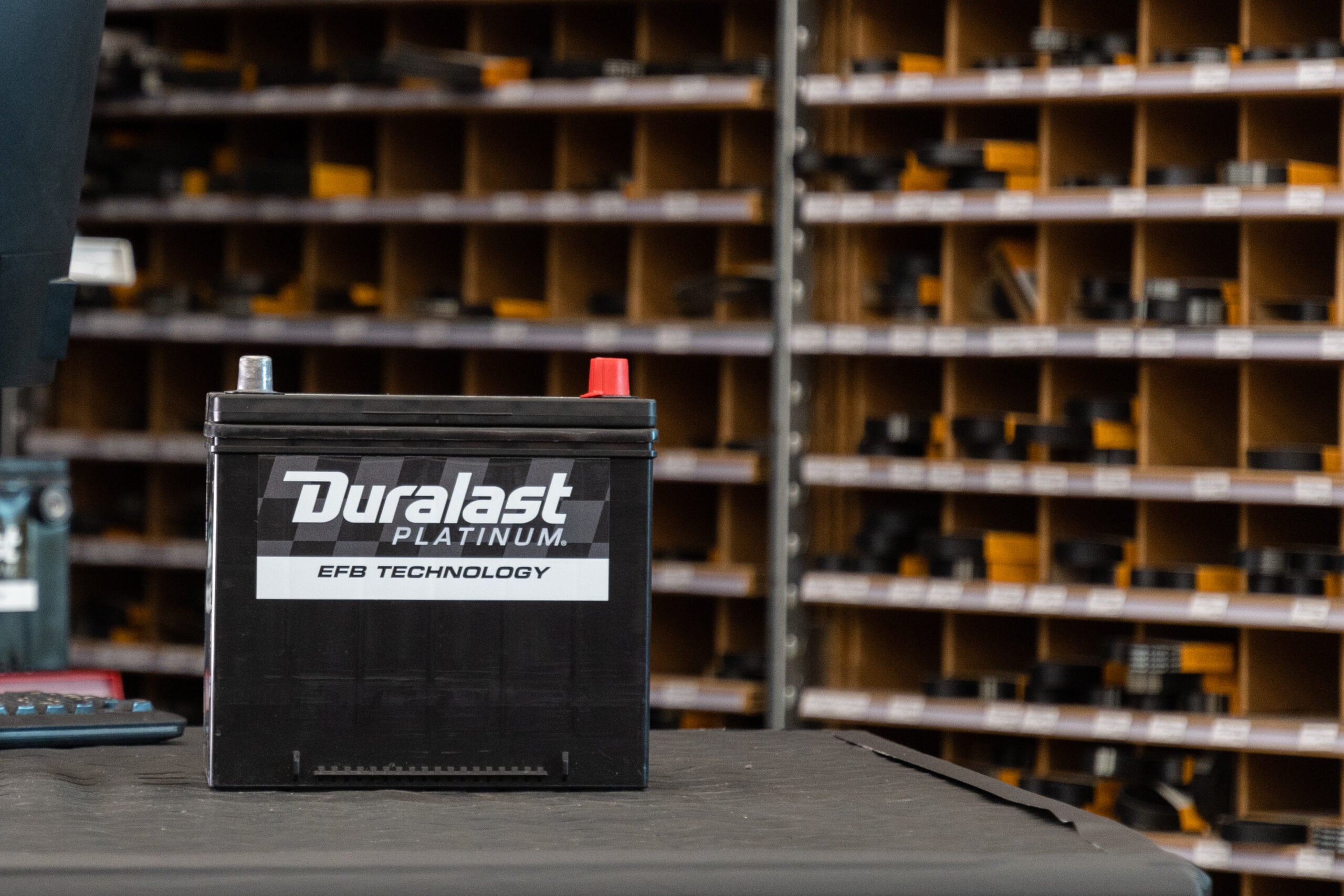
Flooded Lead-Acid (FLA, Wet Cell)
This is the classic battery. It uses liquid acid and lead plates. It’s affordable and common in older cars and simple daily drivers. Many are “maintenance-free,” but some have caps for topping off distilled water. They dislike deep discharge and heavy vibration.
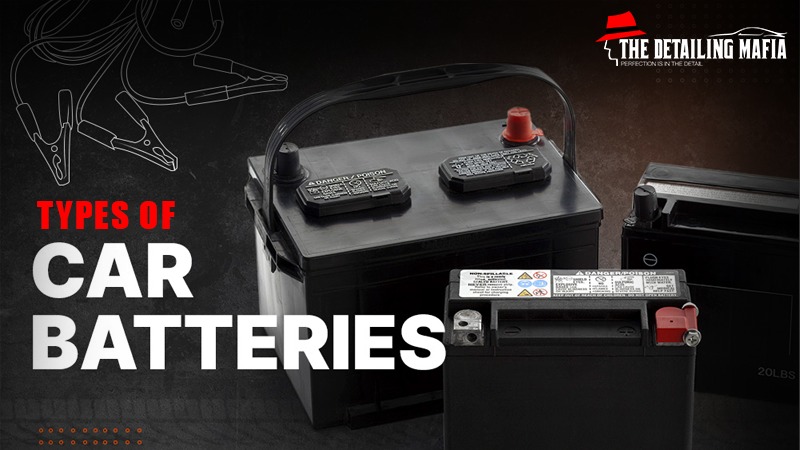
Enhanced Flooded Battery (EFB)
EFB is an upgraded flooded design. It handles frequent starts and partial charge better than standard flooded. Many start-stop cars use EFB from the factory. It costs more than FLA but less than AGM, and lasts longer in stop-and-go driving.
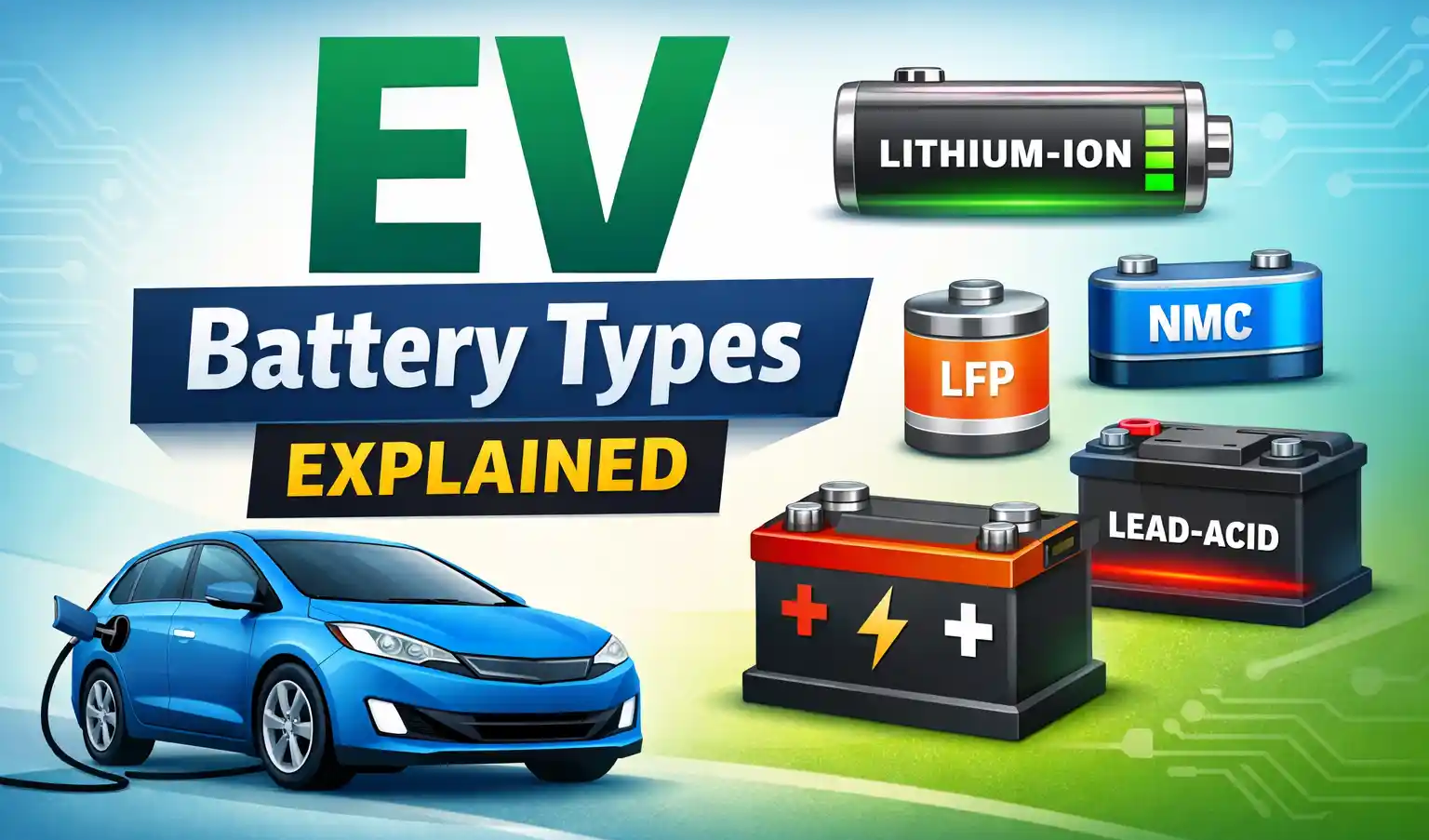
AGM (Absorbent Glass Mat)
AGM packs the acid into fiberglass mats. It’s sealed, spill-proof, and resists vibration. It charges fast and delivers strong cranking power. AGM is great for start-stop systems, cold weather, and cars loaded with electronics. It costs more but usually lasts longer.

Gel Cell
Gel batteries use a silica gel instead of liquid acid. They’re sealed and stable but charge slower and can be damaged by high charge rates. They’re less common in modern cars and more common in specialty uses. Most drivers are better served by AGM.
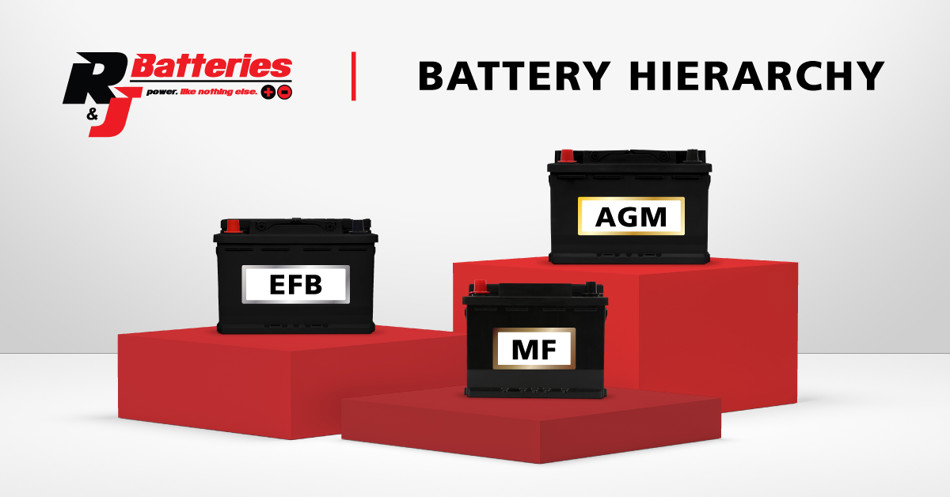
Calcium/Silver Alloy Lead-Acid
These are tweaks to flooded batteries. Calcium or silver in the plates reduces water loss and corrosion. They hold charge better and can last longer than basic flooded. They are still not as robust as AGM for start-stop or high-power needs.
SpiralCell AGM (Cylindrical Plate)
Some AGM batteries use spiral-wound plates. They deliver strong bursts, resist vibration, and recharge fast. They’re common in performance and off-road builds. Price is higher, and capacity (Ah) can be lower for the same physical size compared to flat-plate AGM.

Starting (SLI) vs Deep-Cycle
SLI (Starting, Lighting, Ignition) is built for short, high-current bursts. That’s most car batteries. Deep-cycle batteries deliver steady power over time. They’re common in boats, RVs, and accessories. Some AGM models blend both. Don’t use a true deep-cycle as your main car starter unless the maker says it’s SLI-rated.
Lithium (LiFePO4 12V)
LiFePO4 offers light weight, fast charging, and deep-cycle strength. It needs a built-in battery management system (BMS). Cold temps can limit charging. Many modern vehicles aren’t designed for drop-in lithium without reprogramming or a matched charging profile. Popular in racing and some EVs for the 12V accessory battery.
Start-Stop Systems: EFB vs AGM
Start-stop cars shut off at lights and restart often. They need stronger batteries. EFB is the budget pick. AGM is the premium pick. If your car came with AGM, replace with AGM only. If it came with EFB, you can upgrade to AGM. Don’t downgrade either way.
Hybrid and EV Note: 12V vs High-Voltage
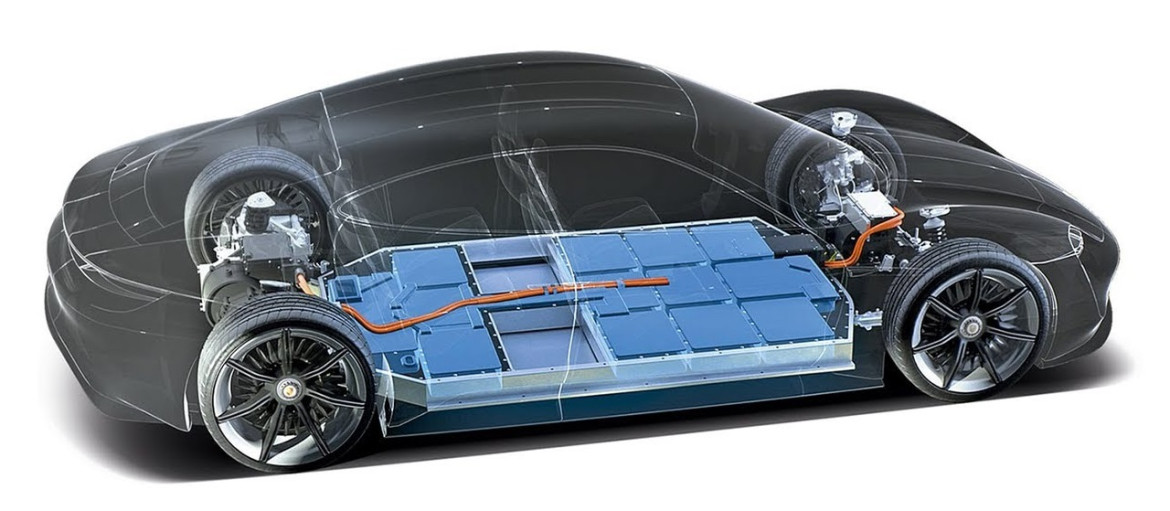
Hybrids and EVs still use a 12V battery for computers, locks, relays, and safety systems. It’s separate from the large high-voltage pack. The 12V type may be AGM or lithium depending on model. Check the owner’s manual for the exact spec.
Battery Type Comparison at a Glance
Use this quick table to match your driving needs to the right battery type. It also helps you avoid paying for tech you don’t need.
| Types of car batteries explained | Best for | Maintenance | Pros | Cons | Typical price (USD) |
|---|---|---|---|---|---|
| Flooded Lead-Acid (FLA) | Basic commuting, older cars | Low to none; some need water top-off | Low cost, widely available | Hates deep discharge, can spill, shorter life | $100–$170 |
| Enhanced Flooded Battery (EFB) | Start-stop on a budget, city driving | Maintenance-free | Better cycle life than FLA, good value | Not as tough as AGM, mid-range price | $150–$230 |
| AGM | Start-stop, cold climates, heavy electronics | Maintenance-free, sealed | High power, fast charging, longer life | Higher cost, needs proper charging | $200–$350 |
| Gel | Specialty uses, stability over speed | Maintenance-free, sealed | Spill-proof, tolerant to vibration | Slower charge, easy to overcharge damage | $180–$300 |
| Lithium (LiFePO4 12V) | Performance builds, weight savings | BMS-managed | Lightweight, deep-cycle capable | Expensive, cold limits, compatibility issues | $300–$900+ |
How to Choose the Right Battery for Your Car
Use this simple checklist to buy once and buy right. A good match saves money and avoids no-start headaches.
- Match the group size: Check your owner’s manual or the Battery Council International (BCI) group size on your old battery label. The size affects fitment, height, and terminals.
- Check polarity and terminal layout: Some cars have reversed terminals. Wrong layout can make cables too tight or not reach.
- Meet or exceed Cold Cranking Amps (CCA): More CCA helps in winter. Never buy less CCA than factory spec.
- Reserve Capacity (RC) or Amp-Hour (Ah): More reserve helps with accessories and short trips.
- Match the technology: If your car has start-stop and came with EFB or AGM, use the same or upgrade from EFB to AGM.
- Climate: Cold winters favor higher CCA and AGM. Hot climates kill batteries; heat-resistant designs help.
- Driving style: Lots of short trips? Choose AGM or EFB for better charge acceptance.
- Warranty and date code: Pick fresh stock (A=Jan, B=Feb, etc.). Long free-replacement periods are a plus.
- Trusted brands and testers: Independent tests, like those from Consumer Reports, can help you compare real performance.
For buying guidance on performance and lifespan trade-offs, independent testing by Consumer Reports is helpful for everyday shoppers.
Voltage and State-of-Charge Chart (12V Lead-Acid)
Test your battery at rest (engine off) for at least 30 minutes. Use a multimeter. Compare your reading to this chart to know what to do next.
| Resting Voltage (12V) | State of Charge | Status | Action |
|---|---|---|---|
| 12.7–12.8V | 100% | Excellent | No action needed |
| 12.5–12.6V | 85–90% | Good | Drive or top up with smart charger |
| 12.3–12.4V | 60–70% | Fair | Recharge soon; check for drains or short trips |
| 12.1–12.2V | 40–50% | Low | Charge now; test after charging |
| 11.8–12.0V | 20–30% | Very low | Full charge and load test; may be failing |
| < 11.8V | < 20% | Discharged | Charge immediately; likely sulfation; test or replace |
| 14.0–14.8V (engine running) | N/A | Alternator charging range | Normal if steady; over 15V suggests overcharge |
AGM batteries often rest about 0.05–0.1V higher than flooded when fully charged. Always test again after charging to confirm health.
Common Symptoms, Likely Causes, and Fast Fixes
Use this table to jump straight to the most likely cause and fix. It saves time and guesswork when your car won’t start.
| Symptom | Likely cause | Quick test | Fix |
|---|---|---|---|
| Click-click, no crank | Weak/discharged battery; corroded terminals | Voltage under 12.2V; green/white crust on posts | Clean terminals; jump-start; recharge and test |
| Slow crank in cold | Low CCA battery; old battery; thick oil | Measure voltage drop during crank | Charge battery; consider AGM with higher CCA |
| Random warning lights | Low system voltage; failing alternator | Running voltage not 13.8–14.6V | Test alternator; replace belt; fix charge circuit |
| Battery dies overnight | Parasitic drain; dome/trunk light on | Ammeter draw > 50 mA after sleep | Pull fuses to find circuit; repair fault |
| Strong sulfur smell | Overcharge; internal short | Running voltage > 15V | Stop driving; check alternator regulator; replace battery |
| Battery light on | Charging issue, not always the battery | Load test battery; check belt and alternator | Repair charging system; replace battery if weak |
Step-by-Step: Test Your Battery with a Multimeter
This quick test takes five minutes. You’ll know if the battery is weak or if your alternator is the real problem.
- Turn everything off. Lights, radio, HVAC, and doors closed. Let the car sit 30 minutes.
- Set the multimeter to DC volts. 20V range is fine.
- Measure resting voltage. Red lead to +, black to –. Compare to the voltage chart above.
- Crank test. Have a helper start the car while you watch voltage. If it drops below 9.6V during crank at ~70°F, the battery may be weak.
- Charging test. With engine idling, measure again. You want roughly 13.8–14.6V. Rev to 2,000 rpm; it should stay stable.
- Load test (optional). Turn on high beams and rear defogger for 2 minutes at idle. Voltage should remain above ~13.5V if the alternator is healthy.
- Decide. Low resting voltage + big drop while cranking = battery issue. Normal battery but low running voltage = charging system issue.
Step-by-Step: Safe Jump-Start
Follow this order to avoid sparks near the battery. If unsure, call roadside help. Many failures come from reversed cables or bad connections.
- Park close but not touching. Turn off both cars. Set parking brakes.
- Connect red to dead battery positive (+).
- Connect other red to donor battery positive (+).
- Connect black to donor battery negative (–).
- Connect the last black to a clean, unpainted metal ground on the dead car, away from the battery.
- Start the donor car. Let it run 2–3 minutes.
- Try starting the dead car. If it starts, keep both running for a few minutes.
- Remove cables in reverse order. Don’t let clamps touch.
- Drive 20–30 minutes or charge with a smart charger to fully top off.
For safe procedures and roadside tips, the guidance as explained by AAA is a solid reference.
Step-by-Step: Replace Your Car Battery
You can do this at home with basic tools. Always wear eye protection. Batteries can vent flammable gas and contain acid.
- Tools: 10mm wrench or socket, ratchet, extension, terminal brush, battery carrier/strap, baking soda water mix, shop towels, dielectric grease, memory saver (optional).
- Save settings (optional). Plug a memory saver into the OBD-II port to keep radio presets and idle learn.
- Turn off the car and remove the key. Open the hood and locate the battery.
- Disconnect negative (–) first. Then positive (+). This prevents accidental short circuits.
- Remove the hold-down clamp. Lift the old battery straight up. It’s heavy. Use a strap.
- Clean the tray. Neutralize any acid with baking soda water. Dry the area.
- Place the new battery. Match orientation and terminal layout.
- Install hold-down. Tighten snug, not crushing the case.
- Reconnect positive (+) first, then negative (–). Tighten clamps snug. Don’t over-torque.
- Apply dielectric grease to terminals to slow corrosion.
- Start the car. Check for warning lights and reset the clock and presets.
Some cars need a battery registration process after replacement, especially with AGM or start-stop systems. A shop or scan tool can perform this so the charging system matches the new battery.
Charging Basics: Smart Chargers, Trickle, and Desulfation
Use a smart charger that matches your battery type. It prevents overcharging and helps recover a low battery safely.
- Smart charger modes: Flooded, AGM, and sometimes Gel. Pick the right one. AGM often likes 14.4–14.7V absorption.
- Trickle charger (maintainer): Good for cars parked for weeks. Keeps voltage steady without overcharging.
- Desulfation mode: Pulses may help a mildly sulfated battery. It won’t fix a dead cell.
- Charge time: A 10A charger may need 4–12 hours depending on battery size and state of charge.
- Temperature: Charge in a ventilated, temperate area. Extreme cold slows charging. Heat isn’t safe.
Never charge a frozen battery. Let it warm to room temperature first.
Maintenance Tips to Extend Battery Life
Simple habits can add years to your battery. Most take only a few minutes each season.
- Keep terminals clean and tight. White/green crust is resistance. Clean with a terminal brush and baking soda water.
- Use dielectric grease on clamps to reduce corrosion.
- Secure the battery. Vibration kills plates. Replace broken hold-downs.
- Avoid frequent short trips. Take a 20–30 minute drive weekly to recharge fully.
- Turn off power-hungry accessories when parked. Phone chargers and dash cams can drain slowly.
- Store with a maintainer if the car sits more than two weeks.
- In hot climates, park in shade. Heat speeds up battery wear.
Cold Weather vs Hot Weather: What Changes
Weather is tough on batteries, but in different ways. Prepare for your climate to avoid surprise no-starts.
- Cold weather: Oil thickens, starter draws more, and chemical reactions slow. You need higher CCA. AGM shines in the cold. Keep the battery fully charged.
- Hot weather: Heat evaporates electrolyte and speeds corrosion. Batteries may die fast in summer. Shield from heat and check charging voltages.
- Seasonal check: Test voltage at the start of summer and winter. Replace weak batteries before they strand you.
According to the National Highway Traffic Safety Administration, vehicle breakdowns are more common in extreme temperatures, so preseason checks reduce roadside risk.
Parasitic Drain: Find and Fix a Mystery Draw
If your battery dies overnight, you may have a parasitic draw. Here’s a simple way to track it down at home.
- Fully charge the battery. Then turn everything off, close doors, and let the car sleep for 30–60 minutes.
- Set a multimeter to DC amps (10A max). Put it in series on the negative cable: remove the negative cable and connect the meter between the cable and the battery post.
- Normal draw: Under ~50 mA (0.05A) after sleep. More than that drains a battery overnight.
- Pull fuses. Watch the meter. When the draw drops, you found the circuit.
- Check that circuit’s components: Glove box light, trunk light, infotainment, aftermarket alarms, or a sticking relay.
- Repair the faulty part. If the draw is normal, test battery and alternator again.
Safety note: Don’t crank the car with the meter in line. You’ll blow the meter’s fuse. Reconnect the cable before starting.
When to Upgrade: Flooded to EFB or AGM
Upgrading can fix chronic issues like slow cranks, early failure, or heavy accessory loads. But match the charging system.
- From Flooded to EFB: Good for city drivers with many short trips. Better charge acceptance and cycle life.
- From Flooded or EFB to AGM: Best for start-stop, high electronics, cold climates, or off-road vibration.
- Registration: Many modern cars need battery type and capacity coded after install. This ensures proper charging.
- Charger: If you use an external charger, pick one with an AGM mode.
As explained by AAA, replacing a start-stop battery with the wrong type shortens life and can cause system faults. Always follow the factory spec.
Tools and Gear Every Driver Should Have
You do not need a full shop to keep a battery healthy. A small kit covers most roadside and home needs.
- Digital multimeter (with DC volts and amps)
- Smart battery charger/maintainer (AGM-compatible)
- Quality jumper cables or a lithium jump pack
- Safety glasses and nitrile gloves
- 10mm wrench/socket and ratchet
- Battery terminal brush and dielectric grease
- Baking soda and water in a spray bottle
- Flashlight or headlamp
Battery Codes, Dates, and Warranties
Know what those stickers mean so you don’t buy old stock. Fresh batteries last longer and perform better.
- Date codes: Many use a letter for the month (A=Jan… L=Dec) and a number for the year (4=2024). Example: D4 = April 2024.
- Lot codes: Some print week numbers. Pick the newest.
- Warranty: Free replacement period first, then pro-rated. Read the fine print for testing rules and abuse exclusions.
- Receipt: Keep it. You’ll need it for a claim.
Charging System vs Battery: Don’t Mix Them Up
A bad alternator can kill a good battery. Test both so you don’t replace parts twice.
- Battery passes, alternator fails: Car starts after a charge, then dies while driving. Running voltage is low.
- Alternator overcharges: Running voltage over 15V. Bulbs blow and battery smells like sulfur. Fix the alternator first.
- Loose belts: Squeal on start, dim lights with accessories. Check belt tension and pulley condition.
Real-World Scenarios and Fast Fixes
Here are common moments you may face and what to do right away. It’s the playbook I use to help friends and neighbors.
- After-school pickup, slow crank: Turn off HVAC and heated seats. Jump-start. Charge overnight. Test in the morning. If it drops below 12.2V, replace.
- After a weekend trip, dead on Monday: Parasitic draw or short trips. Put the battery on a maintainer during trips and test for draws if it repeats.
- Winter morning, one click: Check voltage. If under 12.0V, jump, then test. Consider an AGM with higher CCA for cold starts.
- Battery light at highway speeds: Pull over safe. Check belt and connections. If lights dim and gauges drop, the alternator is failing. Get a tow if needed.
Safety First: Handling Batteries the Right Way
Lead-acid batteries are safe if you follow a few rules. Respect the acid and the energy stored inside.
- Eye protection always. Acid splashes happen when brushing corrosion.
- No sparks or flames. Hydrogen gas can ignite. Connect ground last when jump-starting.
- Disconnect negative first. Reconnect negative last.
- Ventilation. Charge in open air. Don’t charge in a sealed trunk without venting.
- Lift with a strap. They’re heavy and can crack if dropped.
- Spills: Neutralize with baking soda. Wipe and dispose of rags safely.
For broad vehicle safety practices and roadside awareness, guidance from the National Highway Traffic Safety Administration is helpful background.
Recycling and Disposal
Do not throw a battery in the trash. Lead and acid must be recycled. Most parts stores give a core credit when you return the old unit.
- Bring your old battery when buying a new one to waive the core charge.
- If you still have it, drop it at auto parts stores or municipal recycling centers.
- Never dump acid. It’s hazardous. Stores handle it the right way.
Troubleshooting Flow: Quick Decision Tree
Use this mini flow to move from symptom to solution fast. It’s the same process I use in the driveway.
- No-start? Measure battery voltage.
- Under 12.2V? Charge or jump-start, then test again after a 20-minute drive.
- Cranks slow after charging? Load test or replace the battery.
- Battery tests good but still drains? Check for parasitic draw.
- Running voltage wrong? Repair alternator or wiring.
- Re-test after each fix. Avoid swapping parts blindly.
AGM vs EFB vs Flooded: Which Should You Pick?
Here’s the simple guide to match your daily life with the right battery tech and avoid regret.
- Mostly highway, mild weather, basic car: Flooded is fine.
- City driving, start-stop, short trips: EFB is the value pick. AGM is the premium pick.
- Cold winters or lots of electronics: AGM. It cranks harder and charges faster.
- Off-road or track use: AGM or SpiralCell AGM. Vibration-resistant and sealed.
- Weight savings or custom builds: Lithium (LiFePO4) with a BMS, only if charging is compatible.
Understanding Specs: CCA, RC, Ah, and Group Size
Labels can be confusing. Here’s what matters and how to read them without overthinking it.
- CCA (Cold Cranking Amps): How much current it can deliver at 0°F for 30 seconds. Higher is better for cold starts.
- CA (Cranking Amps): Similar, but at 32°F. Less useful than CCA.
- RC (Reserve Capacity): Minutes a battery can deliver 25 amps at 80°F before dropping to 10.5V. More is better for accessories.
- Ah (Amp-Hour): Capacity rating (common in AGM and Euro specs). Higher Ah equals more stored energy.
- BCI Group Size: Physical size and terminals. Must match your tray and cables.
Charging Profiles: Why “Any Charger” Isn’t Always Okay
Using the wrong charger can shorten battery life. Set the right mode and let the smart charger do the rest.
- Flooded: Bulk 14.2–14.4V, absorb to 14.4V, float 13.2–13.5V.
- AGM: Bulk 14.4–14.7V, absorb 14.6–14.8V, float 13.4–13.8V (check maker specs).
- Gel: Lower voltages, often 14.1V bulk max. Many chargers have a gel mode.
- Lithium (LiFePO4): Needs BMS-friendly charging. Many chargers have a lithium profile. Never charge below freezing unless the BMS is self-heated.
Battery Care for Start-Stop Vehicles
Start-stop cars are picky. The battery is part of a managed energy system. Treat it right and it will last longer.
- Only use EFB or AGM as specified by the vehicle.
- Register or code the new battery so the alternator knows its age and size.
- Keep it fully charged with a maintainer if you take many short trips.
- Fix weak 12V batteries fast to avoid transmission or ABS faults caused by low voltage.
Signs You Need a New Battery Now
Don’t wait for a tow. If you see these, plan a replacement this week.
- Case bulging or cracks
- Strong sulfur/rotten egg smell
- Cells dry (on serviceable flooded types)
- Three years old and failing load tests
- Needing frequent jump-starts
Example Buying Paths
These simple “recipes” fit most daily drivers. Use them to cut through the noise at the parts counter.
- 2012 Civic, mild climate, highway miles: Quality flooded or EFB, meet or exceed OEM CCA.
- 2019 Camry with start-stop, city: AGM, register after install, use maintainer weekly.
- 2015 F-150 with winch and lights: AGM with higher RC/Ah, upgrade Big 3 wiring if adding large accessories.
- Cold-climate Subaru with short trips: AGM with high CCA, smart charger on weekends.
Budget vs Premium: Where to Spend
You don’t need the most expensive battery, but you also don’t want cheap that fails fast. Spend where it counts.
- Spend on the right type (AGM/EFB if required) before chasing brand name.
- Pick fresh stock and correct size over a higher-but-wrong CCA unit.
- Buy a smart charger. It pays for itself in longer battery life.
- Use pro-rated warranties wisely. Keep your receipt and test early if issues appear.
More Trusted Resources
For deeper background on battery care and replacement, I recommend independent advice from Consumer Reports. For roadside safety, the National Highway Traffic Safety Administration has helpful guidance. And for jump-start and battery basics, AAA offers easy-to-follow tips.
FAQ
How long do car batteries last?
Most last 3–5 years. Heat, short trips, and heavy loads shorten life. AGM often lasts longer than flooded in tough use.
Can I replace an EFB with a standard flooded battery?
I don’t recommend it. EFB is built for start-stop. Downgrading can cause early failure and system faults. Use EFB or upgrade to AGM.
Is AGM worth the extra cost?
Yes if you have start-stop, lots of accessories, cold winters, or rough roads. AGM resists vibration, charges faster, and handles deep cycles better.
What size battery does my car need?
Check the owner’s manual or the BCI group size on the old battery label. The group size ensures correct fit and terminal layout.
Why does my new battery keep dying?
Short trips, a parasitic drain, or a weak alternator can drain it. Charge fully, test running voltage, and check for draws over 50 mA at rest.
Should I disconnect the battery for storage?
Use a maintainer instead. Disconnecting can reset modules and may cause issues on modern cars. A maintainer keeps voltage healthy.
Can I use a deep-cycle battery to start my car?
Only if it’s SLI-rated by the maker. True deep-cycle batteries aren’t designed for high starting current in cold weather.
Conclusion
Now you know the major types—flooded, EFB, AGM, gel, and lithium—and when to use each. You learned how to test with a multimeter, jump-start safely, pick the right size and CCA, and keep your battery healthy longer. Check your battery voltage today, look for corrosion, and plan upgrades that match your driving. With the right battery and a few smart habits, your car will start strong every time.