Quick Summary: Battery swelling happens when gas builds up inside the case from heat, overcharging, or internal damage. It’s dangerous. Stop driving, don’t charge it, and replace the battery. Use a multimeter to test voltage, check the alternator, and follow safe handling steps to prevent leaks, fire, or explosion.
If you’ve noticed your battery case looks puffy or the sides are bulging, you’re not alone. Many drivers ask why battery swelling happens and what to do next. The good news is you can spot the signs early and prevent damage to your car. In this guide, I’ll explain the causes in simple terms, show you how to diagnose it, and give you safe, step-by-step fixes. You’ll learn what to check, what tools to use, and when to replace the battery.

What Is Battery Swelling?
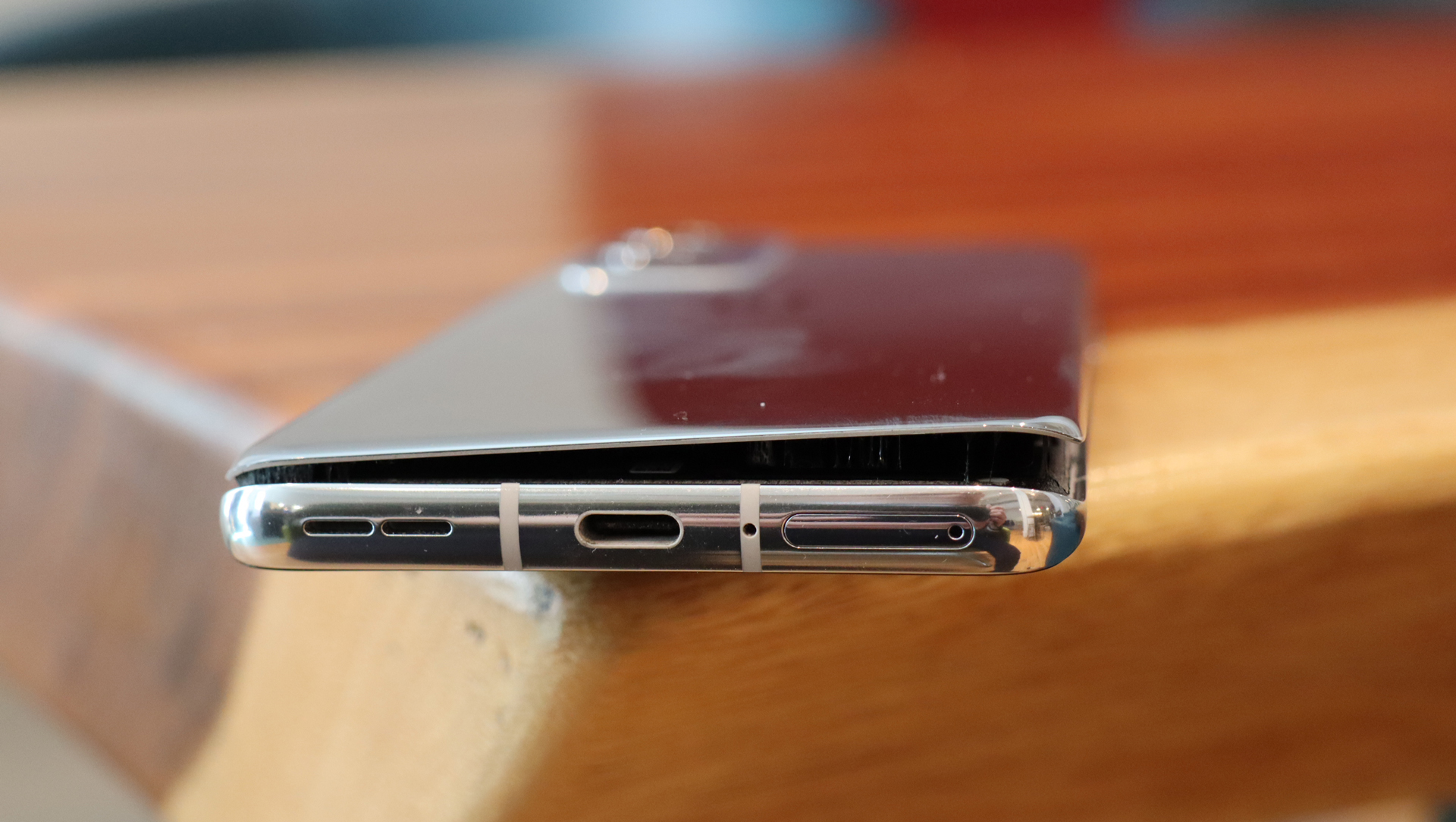
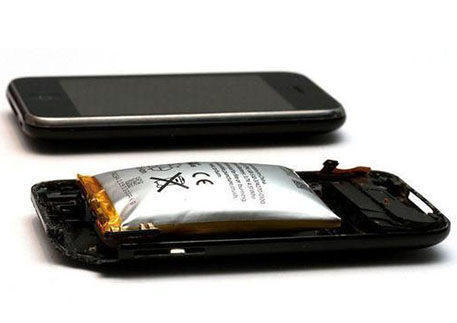
Battery swelling is when the battery case expands or bulges because gases build up inside faster than they can vent. This can happen in car batteries (lead-acid, AGM, EFB) and in smaller lithium-ion batteries, like key fobs or jump starters. A swollen battery is not normal and is a red flag for heat, overcharge, or internal failure.

In cars, swelling often shows as a warped or bloated plastic case. You may also see cracked seams, a strong sulfur smell, or damp areas from leaked electrolyte. If you notice any swelling, stop using the battery right away.
Why Battery Swelling Happens
The short answer: chemistry and heat. Inside a battery, chemical reactions store and release energy. When charging is too fast, too hot, or too long, those reactions can make gas. If the gas can’t escape or the case weakens, the battery swells. Below are the most common reasons.
Overcharging and Heat Build-up
Overcharging is the top cause of swelling. When the alternator’s voltage regulator fails, or a charger stays on too long, the battery gets pushed past safe limits. The electrolyte heats up and can boil. In lead-acid batteries, this releases hydrogen and oxygen gas. If vents clog or the pressure is too high, the case bulges.
- Alternator should hold around 13.8–14.7V while the engine runs.
- Anything above 15.0V for long can cause gassing and swelling.
- Summer heat makes it worse. Under-hood temps add extra stress.
Deep Discharge and Sulfation
Running a battery flat (below 12.0V) harms the lead plates. Crystals form (sulfation) and raise internal resistance. Now the battery runs hotter during charging, which can make more gas. Repeat deep discharges speed this up. The weaker the plates, the higher the swelling risk on the next charge.
- Parasitic drains from dash cams or lights left on cause deep discharges.
- Short trips never fully recharge the battery, which worsens sulfation.
Age and Internal Corrosion
All batteries wear down. Over time, the plates corrode and shed material. This sludge can short cells and cause hot spots. Aging separators may also fail. These internal faults spike heat during charging, which drives gas formation and swelling. Many batteries fail between 3–5 years, faster in hot climates.

Physical Damage or Vibration
Loose hold-downs, off-road bumps, or engine vibration can crack plates or loosen connections. That internal damage creates resistance and hot areas during charging. Heat plus gas equals swelling. Even a small dent can shift parts inside and lead to failure later.
- Always secure the battery with the right clamp.
- Replace broken trays and rusted brackets.
Manufacturing Defects or the Wrong Charger
Although rare, a bad battery from the factory can have weak spots or poor vents. Also, using a charger not designed for your battery (AGM vs flooded) can overcharge or dry it out. AGM batteries need lower charging voltage than some flooded batteries. The wrong profile can cause swelling quickly.

- Use a smart charger with an AGM/EFB mode if your car uses those types.
- A “dumb” trickle charger left on for days can overcook any battery.
How Battery Types Swell Differently
Not all car batteries react the same way. Lead-acid, AGM, EFB, and lithium-ion have different designs and charging needs. Knowing which one you have helps you prevent swelling and choose the right fix.

Flooded Lead-Acid (Most Common SLI)
Flooded batteries have liquid electrolyte. They can vent gas, but too much heat or overcharge boils off water. You may see wet spots, a sulfur smell, and a bloated case. In some older serviceable batteries, you can top off with distilled water, but swelling means damage is already done.
- Causes: Overcharge, heat, low electrolyte, regulator failure.
- Fix: Test alternator, replace battery if any bulge is present.
AGM (Absorbent Glass Mat) and EFB (Enhanced Flooded)
AGM and EFB are better for start-stop cars and short trips. They resist vibration and handle deeper cycles. But they are more sensitive to high charging voltage. Overcharging can dry the mats and build gas. Swelling in AGM may show as case warping or cracks around seams.
- Causes: Wrong charger mode, alternator pushing too high voltage.
- Fix: Use AGM/EFB-safe chargers, replace if the case is deformed.
Lithium-Ion (Key Fobs, Jump Starters, Some 12V Retrofits)
Lithium-ion cells swell from gas formation due to overcharge, heat, or aging. A puffy lithium pack is dangerous and should not be used. Do not puncture or squeeze it. Replace the pack and recycle safely. Some EVs use lithium 12V batteries; follow the maker’s exact charging specs.
- Causes: Overcharge, thermal runaway, cell damage.
- Fix: Immediate replacement and proper disposal.
Is a Swollen Car Battery Dangerous?
Yes. A swollen battery can leak acid, vent flammable gas, or rupture. It can short internally and spark. Heat can lead to fire. Do not try to charge a swollen battery. Do not hammer the case back into shape. If it’s swollen, treat it like a hazard and replace it right away.
- Wear gloves and eye protection if you must handle it.
- Keep away from flames, sparks, and cigarettes.
- Secure it upright in a plastic bin for transport to recycling.
Quick Symptoms and What They Mean
Use this table to match symptoms with likely causes and fast fixes. This helps you act before the battery swells or fails on the road.
| Symptom | Likely Cause | What To Do |
|---|---|---|
| Bulging battery case | Overcharge, heat, blocked vent, internal short | Stop using, do not charge, replace battery, test alternator |
| Hot battery to the touch after driving | High charging voltage, failing regulator | Check running voltage; if >14.8V, inspect alternator/regulator |
| Strong rotten-egg (sulfur) smell | Electrolyte boiling and gassing | Vent area, shut car off, test charging system, replace if swollen |
| Wet spots or white crust on case/terminals | Leak or acid mist from overcharge | Neutralize with baking soda/water, clean, fix charging issue |
| Dim lights, slow crank, frequent jump-starts | Deep discharge, sulfation, aging battery | Fully charge with smart charger, load test, replace if weak |
| Case looks warped after summer heat | Thermal stress, high under-hood temps | Heat shield, fresh air path, replace if any bulge |
| “Why battery swelling happens” searched often | Lack of maintenance and overcharging awareness | Follow charging specs, check voltage often, use correct charger |
Safe Steps to Diagnose a Swollen Battery
Follow this step-by-step plan. It’s simple and safe. You’ll find the cause, protect your car, and know your next move.
- Power down and pop the hood.
- Turn the engine off. Remove the key. Let the battery cool for 10–15 minutes.
- Do a visual check.
- Look for bulges, cracks, wet spots, or leaks. Sniff for sulfur smell.
- If swollen, stop. Do not charge or jump it.
- Put on safety gear.
- Wear gloves and eye protection. Work in fresh air.
- Measure resting voltage.
- Set a multimeter to DC volts. Touch red to +, black to -.
- 12.6–12.8V is full. 12.4V is ~75%. 12.2V is ~50%. Below 12.0V is discharged.
- Measure running voltage (if not swollen).
- Start the engine. Voltage should be about 13.8–14.7V.
- Over 14.8–15.0V suggests an alternator or regulator problem.
- Load test (only if the case is normal).
- Use a battery tester. Bad cells will drop voltage fast under load.
- Check for parasitic draw.
- With car off, use an ammeter in series on the negative cable.
- More than ~50mA after modules sleep can drain the battery overnight.
- Decide next steps.
- Swollen or leaking? Replace now and test the charging system.
- Not swollen but weak? Charge with a smart charger and retest.
Tools You’ll Need
These basic tools make it easy to test and fix charging problems at home. They save you time and a tow bill.
- Digital multimeter (auto-ranging is fine)
- 12V smart charger (with AGM/EFB mode if needed)
- Battery load tester or conductance tester
- OBD-II scanner (for charging system or start-stop codes)
- Safety gloves and eye protection
- Baking soda, water, small brush (for neutralizing acid)
- Wrenches or sockets for terminals and hold-down
- Plastic bin or tray for safe handling and transport
Voltage and Health Reference Chart
Use this chart to judge state of charge and risk. It also shows how incorrect charging can lead to swelling over time.
| Battery State | Open-Circuit Voltage (12V) | What It Means | Swelling Risk |
|---|---|---|---|
| Fully charged | 12.6–12.8V | Healthy, ready to start | Low if charging stays in range |
| 75% charged | ~12.4V | Needs topping up soon | Low |
| 50% charged | ~12.2V | Weak. May struggle in cold | Medium (sulfation risk grows) |
| Discharged | <12.0V | Likely sulfation and damage | Higher during recharge |
| Engine running (normal) | 13.8–14.7V | Alternator charging correctly | Low |
| Overcharge range | >14.8–15.0V | Regulator fault or wrong charger | High: why battery swelling happens |
How to Fix or Prevent Battery Swelling
You can’t fix a swollen battery. But you can fix the cause and prevent it from happening again. Here’s what to do step by step.
- Replace the swollen battery.
- Do not try to recover or recharge it.
- Recycle at a parts store or local center.
- Test the alternator and regulator.
- With a new or known-good battery, check running voltage.
- If it sits above 14.8V, have the alternator/regulator repaired.
- Use the correct charger profile.
- Choose a smart charger with an AGM/EFB setting if needed.
- Avoid constant trickle charging. Use a maintainer that floats.
- Protect from heat.
- Park in shade when possible. Check for missing heat shields.
- Make sure the battery cover and vent path are clear.
- Stop deep discharges.
- Unplug power-hungry accessories when parked.
- If storing your car, use a smart maintainer.
- Secure the battery.
- Tighten the hold-down. Replace cracked trays or loose brackets.
- Prevent vibration that can damage internals.
- Service schedule.
- Check voltage monthly and before road trips.
- Load test yearly, especially after 3 years of use.
Charging the Right Way (Beginner Guide)
Charging right prevents heat, gas, and swelling. Follow these simple steps every time.
- Identify your battery type.
- Flooded, AGM, or EFB. Check the label or your owner’s manual.
- Pick the right charger mode.
- Use AGM mode if the battery is AGM. Use 12V standard for flooded.
- Prepare the area.
- Good ventilation. No flames, sparks, or smoking nearby.
- Connect safely.
- Red clamp to +. Black clamp to a clean chassis ground or – terminal if recommended by the charger.
- Charge slow and smart.
- 2–10 amps is safe for most car batteries. Let the smart charger finish absorption and float stages.
- Check temperature.
- If the case feels hot or you smell sulfur, stop charging at once.
- Finish and verify.
- Disconnect safely. Let the battery rest for 30 minutes. Measure 12.6–12.8V for a full charge.
Real-World Scenarios and Fixes
These common situations show how swelling starts and how to stop it. Use them as quick playbooks for your own car.
Cold Morning, Car Won’t Start
Winter cuts your battery’s cranking power. If your battery is already weak or half-charged, cold can push it over the edge. After jump-starting, an alternator may overwork and overheat the battery, which raises swelling risk.
- Fix: Fully charge with a smart charger. Test voltage and load. Replace if cranking amps are low.
- Prevent: Test before winter. Keep it topped up if you make short trips.
Summer Heat Wave, Strong Sulfur Smell
High under-hood temps plus long drives push the alternator to the top of its range. A weak regulator can tip into overcharge. The electrolyte starts to boil, gas builds up, and swelling begins.
- Fix: Check running voltage. If it’s above 14.8V, repair the charging system and replace the battery.
- Prevent: Inspect cooling airflow. Park in shade. Check vent paths and covers.
Short-Trip City Driving
Many short trips never recharge the battery fully. It stays at 60–80% and builds sulfation. Then you need a boost, and the heavy charge dumps heat into the plates. That heat and gas cause swelling over time.
- Fix: Use a maintainer weekly. Take a 30-minute highway drive to top off.
- Prevent: AGM/EFB batteries handle short cycles better in start-stop cars.
Parked for Weeks with a Dash Cam
Parasitic drain pulls the battery flat. The next big charge creates heat. Repeat that cycle and swelling risk jumps.
- Fix: Use parking mode timers or a separate battery pack for the cam. Put the car battery on a maintainer when parked.
- Prevent: Measure parasitic draw and pull fuses to find the drain if needed.
Safety Warnings You Must Follow
Swollen or not, every battery demands respect. These rules keep you safe and protect your car.
- Never charge a swollen battery. Replace and recycle it.
- Wear gloves and eye protection. Acid burns skin and eyes.
- Keep flames and sparks away. Hydrogen gas is flammable.
- Neutralize small spills with baking soda and water. Rinse and dry.
- Use the right charger mode. Wrong settings overcharge and heat the battery.
- Secure the battery. A loose battery can short or leak in a crash.
- Vent the area. Do not charge in closed spaces without airflow.
When to Replace vs Repair
Here’s a fast way to choose. If the case is swollen, the answer is replace. If not, test first and fix what caused the stress.
- Replace now if:
- The case is swollen, cracked, or leaking.
- You smell strong sulfur while charging.
- Resting voltage will not hold after a full charge.
- Repair the system if:
- Running voltage is too high or too low.
- Parasitic draw is above ~50mA after sleep.
- Ground straps or cables are corroded or loose.
- Test if:
- The car sits a lot or only makes short trips.
- The battery is older than 3 years, especially in hot states.
Cost Breakdown and Budget Tips
You can keep costs low with smart choices. Focus on prevention and set a small budget for testing tools. They pay for themselves fast.
- New flooded battery: $120–$200
- AGM/EFB battery: $180–$350
- Smart charger/maintainer: $40–$120
- Multimeter: $20–$60
- Alternator/regulator repair: $200–$600 (varies by vehicle)
Money-saving tips:
- Buy a smart maintainer if you do short trips or store the car.
- Check voltage monthly to catch charging issues early.
- Recycle your old battery; most stores give a core credit.
How Mechanics Test for Swelling
Pros use a simple workflow. You can copy this at home with basic tools for most steps. The goal is to find heat sources and stop gas buildup.
- Visual and smell check for bulging or leaking.
- Open-circuit voltage test after a rest period.
- Charging system test at idle and 2,000 rpm.
- Load test or conductance test.
- Parasitic draw test after modules sleep.
- Cable and ground resistance check.
For more on battery care and testing, see guidance as explained by AAA. They stress regular checks and the right charger settings to avoid overcharging and heat buildup.
Battery Warranty and Recycling
Swollen batteries are usually covered as defects only if the cause is a charger or alternator issue from the vehicle under warranty. Many parts stores pro-rate warranties based on age. Always keep your receipt and test printout.
- Recycle: Don’t throw batteries in the trash. Lead and acid are hazardous.
- Drop-off points: Most auto parts stores accept old batteries for free.
- Safety: Transport upright in a plastic bin. Avoid passenger contact.
- Learn more from the EPA’s guidance on safe battery recycling for best practices.
FAQ
Can I still drive with a swollen battery?
No. A swollen battery can leak, short, or burst. Park safely, turn the car off, and replace it.
Will a swollen battery explode?
It can rupture under stress or heat. Gas pressure inside the case is dangerous. Handle it with care and avoid charging.
How do I know if overcharging caused it?
Check running voltage with a multimeter. If you see over ~14.8–15.0V, the alternator or regulator likely caused overcharge.
Can a bad ground cause swelling?
Yes. Poor grounds raise resistance and heat during charging. Heat leads to more gas and increases swelling risk.
Does cold weather cause swelling?
Cold doesn’t cause swelling by itself. But it weakens cranking power. After a deep discharge, aggressive recharging can heat the battery and cause swelling.
Can I fix a swollen lithium battery (key fob or jump starter)?
No. Replace it. Do not puncture or squeeze it. Recycle at an electronics or battery recycler.
How often should I check my battery?
Check voltage once a month and before long trips. Load test yearly after year three, or sooner in hot climates.
Conclusion
Battery swelling is a clear warning sign. Heat, overcharging, deep discharges, and age build gas inside the case. When that gas has nowhere to go, the battery bulges—and danger goes up fast. The fix is simple: replace the swollen battery, test the alternator, use the right charger, and stop deep discharges.
Check your voltage monthly. Keep a smart maintainer on hand. Secure the battery and protect it from heat. With these habits, you’ll avoid swelling, save money, and keep your car starting strong every day.
For safe driving practices and heat-related tips, you can review advice according to the National Highway Traffic Safety Administration. And for end-of-life disposal, follow best practices from the EPA so your old battery is handled the right way.