Choosing the right car seat covers can transform your driving experience. This guide walks you through material types, fit, style, and durability so you can pick covers that look great and last long. Whether you want luxury or practicality, we’ve got you covered.
Key Takeaways
- Know your car’s make and model: Accurate measurements ensure a snug, professional fit without sagging or bunching.
- Choose the right material: Leather, neoprene, polyester, and mesh each offer different benefits for comfort, durability, and climate.
- Prioritize safety and compatibility: Ensure seat covers don’t interfere with airbags or seatbelt function—especially in side-impact zones.
- Consider your lifestyle: Pet owners, families, and outdoor enthusiasts need stain-resistant, easy-to-clean fabrics.
- Balance style and function: Pick colors and textures that match your interior while offering protection from spills and wear.
- Check for ease of installation and maintenance: Look for machine-washable options and simple attachment systems.
- Read reviews and warranties: Real customer feedback and manufacturer guarantees help ensure long-term satisfaction.
How to Know What Car Seat Covers to Buy for Maximum Comfort and Style
Upgrading your car’s interior doesn’t have to mean a full reupholstery job. A high-quality set of car seat covers can instantly refresh your cabin, protect your original seats, and boost comfort—all while matching your personal style. But with so many options on the market, how do you know what car seat covers to buy?
Whether you’re dealing with worn-out fabric, pet hair, or just want a sleeker look, this guide will walk you through every step of choosing the perfect seat covers. From understanding materials to ensuring safety and fit, we’ll help you make a smart, stylish decision that lasts.
Step 1: Know Your Car’s Make, Model, and Seat Type
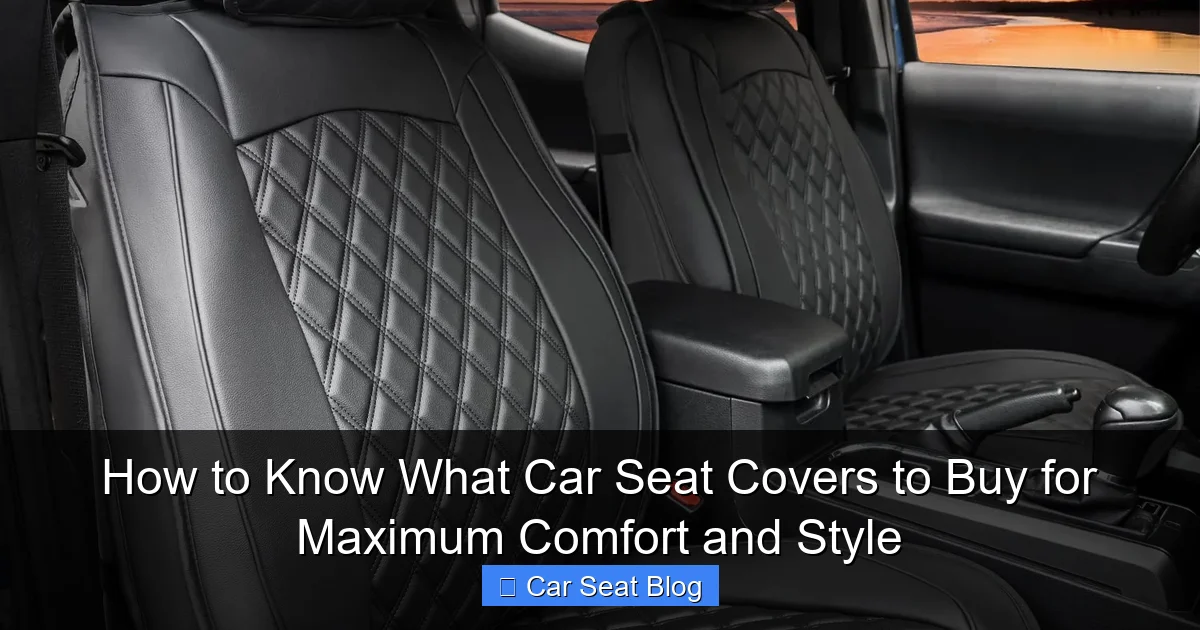
Visual guide about How to Know What Car Seat Covers to Buy for Maximum Comfort and Style
Image source: m.media-amazon.com
Before you even start browsing, the most important step is knowing exactly what you’re working with. Car seat covers are not one-size-fits-all. A cover made for a Honda Civic won’t fit a Ford F-150—and even within the same model, front and rear seats can differ.
Check Your Vehicle Details
Start by noting your car’s year, make, and model. This information is usually found on your registration, insurance card, or the driver’s side door jamb. Many online retailers use this data to recommend compatible covers.
Identify Seat Configuration
Are your seats bucket-style or bench? Do they have built-in headrests, armrests, or side airbags? Some high-end covers are designed specifically for seats with integrated airbags, featuring tear-away seams that allow the airbag to deploy safely.
Measure Your Seats
If you’re unsure, take a tape measure and note the width, depth, and height of your seats. Compare these to product dimensions listed by manufacturers. A snug fit prevents slipping and ensures a clean, tailored look.
Step 2: Choose the Right Material for Your Needs
The material of your seat cover affects comfort, durability, and maintenance. Here’s a breakdown of the most popular options:
Neoprene
Best for: Water resistance, durability, and sporty style.
Neoprene is a synthetic rubber material often used in wetsuits. It’s water-resistant, easy to wipe clean, and provides excellent cushioning. Great for families, pet owners, or anyone who drives in wet or muddy conditions. Brands like Coverking and CalTrend offer high-quality neoprene covers that feel premium and last for years.
Leather (Real or Faux)
Best for: Luxury look and easy cleaning.
Real leather offers a high-end feel and ages beautifully, but it can get hot in summer and crack over time without care. Faux leather (also called PU leather) is more affordable, resistant to fading, and easier to maintain. It’s a great middle ground if you want the look of leather without the upkeep.
Polyester and Microfiber
Best for: Affordability and softness.
These fabrics are lightweight, breathable, and budget-friendly. They come in a wide range of colors and patterns, making them ideal for adding personality to your interior. However, they may not be as durable as neoprene or leather and can stain more easily.
Mesh and Breathable Fabrics
Best for: Hot climates and comfort.
If you live somewhere warm, mesh-backed or ventilated seat covers can help keep you cool. These materials allow airflow, reducing sweat and discomfort on long drives. Some high-performance covers combine mesh with neoprene for the best of both worlds.
Canvas and Heavy-Duty Fabrics
Best for: Work vehicles and rugged use.
If you use your car for hauling tools, outdoor gear, or construction, consider heavy-duty canvas or Cordura fabric. These are extremely durable and resistant to tears and abrasions.
Step 3: Prioritize Safety and Airbag Compatibility
Never compromise safety for style. Many modern cars have side airbags built into the seats, and improper seat covers can block their deployment in a crash.
Look for Airbag-Safe Designs
Choose covers labeled “airbag-compatible” or “side-airbag safe.” These have special stitching or reinforced seams that tear open when the airbag inflates. Avoid universal covers that don’t account for airbag placement.
Check Seatbelt Access
Make sure the covers don’t obstruct seatbelt buckles or retractors. Some covers include cutouts or flexible panels to maintain full functionality.
Test Fit Before Final Use
After installation, sit in the seat and adjust the belt. Ensure it moves freely and locks properly. If anything feels restricted, reconsider your choice.
Step 4: Match Your Lifestyle and Usage
Your daily routine plays a big role in determining the best seat cover. Ask yourself: Who uses the car most? What do I carry? How often do I clean the interior?
Families with Kids
Look for stain-resistant, machine-washable fabrics like neoprene or microfiber with a waterproof backing. Dark colors or patterns can hide spills and crumbs.
Pet Owners
Choose covers with non-slip backing and scratch-resistant surfaces. Neoprene and heavy-duty canvas are excellent choices. Some covers even come with built-in pet hammocks or seat extenders.
Outdoor Enthusiasts
If you frequently transport bikes, camping gear, or muddy boots, go for rugged, easy-to-clean materials. Waterproof and UV-resistant covers will protect against sun damage and moisture.
Commuters and Long-Distance Drivers
Comfort is key. Look for padded, breathable covers with ergonomic support. Memory foam inserts or gel padding can reduce fatigue on long trips.
Step 5: Consider Style and Interior Aesthetics
Car seat covers are a great way to personalize your vehicle. But style should enhance, not clash with, your car’s interior.
Match or Complement Your Dashboard
Choose colors that coordinate with your car’s existing upholstery, trim, and dashboard. Black and gray are safe, versatile choices. For a bolder look, consider two-tone designs or accent stitching.
Texture Matters
Smooth leather gives a sleek, modern vibe. Textured fabrics like quilted neoprene or woven polyester add depth and luxury. Avoid overly shiny materials that reflect light and distract while driving.
Custom vs. Universal Fit
Custom-fit covers are tailored to your specific vehicle and offer a factory-like appearance. Universal covers are cheaper but may not fit as neatly. If aesthetics are a priority, invest in custom options.
Step 6: Evaluate Ease of Installation and Maintenance
No one wants to struggle with complicated setup or spend hours cleaning their seats.
Look for Simple Installation
Most covers use hooks, straps, or elastic bands to secure in place. Some high-end models come with detailed instructions and even video tutorials. Avoid covers that require tools or permanent modifications.
Check Cleaning Requirements
Can the covers be removed and machine-washed? Are they spot-clean only? Neoprene and polyester are usually easy to wipe down. Leather may need conditioning every few months.
Test Durability Over Time
Read product descriptions for info on fade resistance, pilling, and wear. A good cover should maintain its shape and color for at least 2–3 years with regular use.
Step 7: Read Reviews and Check Warranties
Before clicking “buy,” do a little research.
Read Customer Reviews
Look for feedback on fit, comfort, and longevity. Pay attention to comments about airbag compatibility and ease of cleaning. Sites like Amazon, AutoZone, and manufacturer websites often have detailed user photos.
Check the Warranty
Reputable brands offer at least a 1-year warranty. Some premium covers come with 3- or 5-year guarantees. This shows the manufacturer stands behind their product.
Compare Prices and Brands
Don’t just go for the cheapest option. A $50 universal cover may save money upfront but wear out in months. Investing $150–$300 in a quality custom set can last years and improve your driving experience.
Troubleshooting Common Issues
Even with careful selection, problems can arise. Here’s how to handle them:
Covers Keep Slipping
Solution: Use non-slip pads or adhesive Velcro strips underneath. Ensure the cover is the right size—too loose is a common cause.
Fading or Cracking
Solution: Avoid direct sunlight when possible. Use UV protectant sprays for leather and fabric covers. Park in garages or use sunshades.
Difficult to Clean Stains
Solution: Treat spills immediately with a damp cloth. For set-in stains, use a mild cleaner recommended for the fabric type. Avoid harsh chemicals that can damage materials.
Airbag Warning Light Comes On
Solution: This may indicate the cover is interfering with the seat sensor. Remove the cover and check for obstructions. Reinstall carefully, ensuring all sensors are free.
Final Thoughts: Make the Right Choice for You
Choosing the right car seat covers is about more than just looks. It’s about protecting your investment, enhancing comfort, and reflecting your lifestyle. By following these steps—knowing your car, selecting the right material, prioritizing safety, and considering maintenance—you’ll find covers that deliver both style and substance.
Remember, the best seat covers are the ones that fit well, feel great, and stand up to your daily routine. Take your time, do your research, and don’t be afraid to invest a little more for quality. Your car—and your backside—will thank you.

