Finding car seat covers that fit perfectly doesn’t have to be frustrating. This guide walks you through measuring your seats, choosing the right material and style, and ensuring a secure installation—so your covers look great and stay in place.
Key Takeaways
- Measure your seats accurately: Use a flexible tape measure to get precise dimensions of seat width, depth, and height, including headrests and side bolsters.
- Check your vehicle’s make, model, and year: Seat designs vary widely, even within the same brand, so always confirm compatibility.
- Choose the right material: Neoprene, leather, and polyester each offer different benefits—pick based on climate, usage, and cleaning needs.
- Look for custom-fit options: Universal covers may seem convenient, but custom-fit covers provide a tailored look and better protection.
- Read customer reviews: Real-world feedback helps you avoid sizing issues and confirms fit for your specific vehicle.
- Test the installation: A good fit means the cover stays snug without slipping, bunching, or interfering with seat functions like airbags or heaters.
- Consider additional features: Look for features like non-slip backing, side airbag compatibility, and easy-clean surfaces for long-term satisfaction.
How to Find Car Seat Covers That Fit Perfectly Every Time
So you’ve decided to upgrade your car’s interior with new seat covers—great choice! Whether you’re protecting your seats from spills, pets, or daily wear and tear, or just giving your cabin a fresh look, finding the right fit is essential. The last thing you want is a cover that bunches up, slips around, or doesn’t cover the seat properly. But don’t worry—finding car seat covers that fit perfectly every time is easier than you think, as long as you follow a few simple steps.
In this guide, we’ll walk you through everything you need to know to choose, measure, and install seat covers that look custom-made for your vehicle. From measuring your seats to selecting the best material and style, we’ve got you covered—literally. By the end, you’ll be confident in your purchase and enjoy a clean, professional look that lasts.
Step 1: Know Your Vehicle Inside and Out
Before you even start shopping, the most important step is knowing your car. Seat designs can vary dramatically between models, even within the same brand. A seat in a 2020 Honda Civic might look similar to one in a 2020 Honda Accord, but the dimensions and contours could be completely different. That’s why the first rule of finding the right seat covers is to identify your vehicle’s exact make, model, and year.
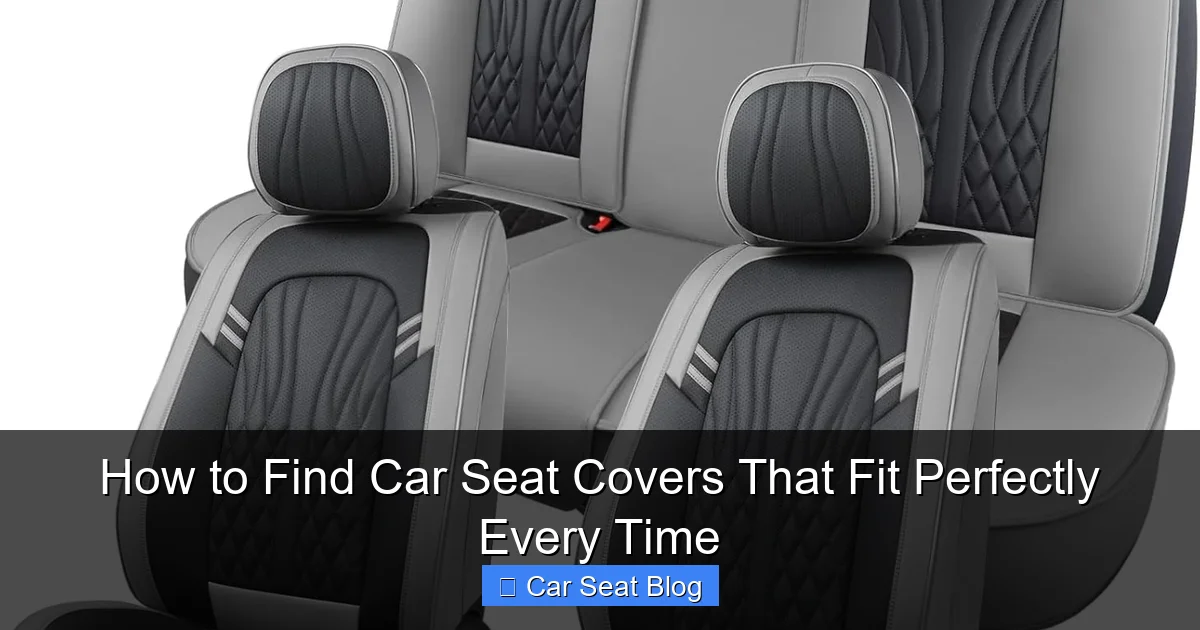
Visual guide about How to Find Car Seat Covers That Fit Perfectly Every Time
Image source: m.media-amazon.com
Why This Matters
Car manufacturers often update seat designs with each new model year. Even small changes—like a reshaped headrest or a deeper seat cushion—can affect how a cover fits. Using a universal seat cover on a seat with side airbags, for example, could block the airbag deployment and create a serious safety hazard.
How to Find Your Vehicle Info
- Check your vehicle registration or insurance card—it lists the make, model, and year.
- Look at the driver’s side door jamb for a sticker with vehicle details.
- Use your VIN (Vehicle Identification Number) on sites like Edmunds or Kelley Blue Book to confirm specs.
Once you have this information, you can search for seat covers specifically designed for your car. Most reputable brands—like Coverking, FH Group, or CalTrend—offer filters on their websites to match covers to your exact vehicle.
Step 2: Measure Your Seats Accurately
Even if you know your car’s specs, measuring your seats yourself ensures the best possible fit. Manufacturers’ specs can sometimes be off, or your seats may have been replaced or modified. Taking your own measurements gives you peace of mind and helps you spot potential issues early.
What to Measure
Use a flexible tape measure (like a tailor’s tape) to get the most accurate readings. Here’s what to focus on:
- Seat Width: Measure from the outer edge of one side bolster to the other. Include any raised sides or contours.
- Seat Depth: Measure from the front edge of the seat cushion to the backrest base.
- Backrest Height: Measure from the base of the seat to the top of the headrest (if removable) or the highest point of the backrest.
- Headrest Dimensions: If your headrest is removable, measure its width and depth. Some covers include headrest covers, so this is important.
- Side Bolsters and Cutouts: Note any deep side supports, seatbelt openings, or controls (like lumbar support or heating buttons).
Pro Tip: Take Photos
Snap a few pictures of your seats from different angles—front, side, and top. This helps when comparing covers online or talking to customer service. Some companies even offer virtual fit tools where you can upload photos for confirmation.
Step 3: Choose the Right Type of Seat Cover
Now that you know your seat dimensions, it’s time to pick the right material and style. Seat covers come in a variety of fabrics, each with its own pros and cons. Your choice will depend on your lifestyle, climate, and how you use your car.
Popular Materials and Their Benefits
- Neoprene: Water-resistant, durable, and great for wet climates or outdoor activities. Often used in custom-fit covers. Slightly stretchy for a snug fit.
- Leather (Real or Faux): Sleek and easy to clean, but can get hot in summer and cold in winter. Faux leather is more affordable and animal-friendly.
- Polyester or Microfiber: Budget-friendly and available in many colors and patterns. Good for everyday use but may wear faster.
- Canvas or Heavy-Duty Fabric: Ideal for work trucks or vehicles with pets. Resists tears and stains but may not be as comfortable for long drives.
- Sheepskin or Wool: Luxurious and warm, perfect for cold climates. Requires more maintenance but offers superior comfort.
Custom-Fit vs. Universal Fit
This is a critical decision. Universal seat covers are designed to fit a range of vehicles and are often cheaper. But they rarely fit as well as custom-fit options, which are tailored to your specific seat shape.
Custom-fit covers are made using 3D scans of your vehicle’s seats. They hug every contour, include precise cutouts for airbags and controls, and stay in place without slipping. While they cost more, the fit and safety benefits are worth it—especially if you have side airbags or heated seats.
Universal covers can work in a pinch, but you may need to trim or adjust them. They’re better for older vehicles or temporary use.
Step 4: Check for Safety and Compatibility Features
Never compromise on safety. Modern cars have advanced safety systems built into the seats, and your seat covers must not interfere with them.
Side Airbag Compatibility
Many front seats have side airbags that deploy from the seat bolster. If your cover doesn’t have a designated seam or tear line for the airbag, it could prevent proper deployment in a crash. Always look for covers labeled “side airbag compatible” or “SBR” (Side Bolster Reinforcement).
Heated and Ventilated Seats
If your seats have heating or cooling elements, make sure the cover material allows heat transfer. Some thick fabrics (like sheepskin) can insulate too much and reduce effectiveness. Look for covers with breathable layers or perforations.
Seatbelt and LATCH System Access
The cover should not block seatbelt buckles or the LATCH anchors used for child car seats. Check that openings are correctly placed and large enough for easy access.
Step 5: Read Reviews and Confirm Fit
Even with all the right info, it’s smart to double-check before buying. Customer reviews are one of the best tools for avoiding fit issues.
What to Look for in Reviews
- Mentions of “fits perfectly” or “true to size” for your exact vehicle.
- Photos from other customers showing the installed cover.
- Comments about slipping, bunching, or difficulty installing.
- Notes on material quality, durability, and ease of cleaning.
If a product has mostly positive reviews from owners of your same car model, you’re likely making a safe choice. If reviews are mixed or mention fit problems, consider a different brand or style.
Contact Customer Support
Still unsure? Reach out to the manufacturer or retailer. Many companies have fit experts who can confirm compatibility based on your vehicle info and seat photos. Some even offer free fit guarantees or easy returns.
Step 6: Install and Test the Fit
Once your seat covers arrive, it’s time to install them. A proper installation ensures the cover stays in place and looks great.
Installation Tips
- Start with clean, dry seats to prevent slipping.
- Follow the manufacturer’s instructions—some covers require headrest removal.
- Use the included straps, hooks, or clips to secure the cover underneath the seat.
- Tuck excess fabric neatly into crevices to avoid bulges.
- Double-check that all cutouts align with seat controls and airbags.
Test the Fit
After installation, sit in the seat and move around. The cover should feel snug, not tight or loose. Check that it doesn’t slide when you get in or out. Open and close doors, adjust the seat, and test seatbelts to ensure everything works smoothly.
If the cover shifts or bunches, you may need to re-tighten straps or consider a different size or style.
Troubleshooting Common Fit Issues
Even with careful planning, fit problems can happen. Here’s how to fix the most common issues:
Cover Is Too Loose
This usually means the cover is too big or not designed for your seat shape. Try tightening all straps and tucking fabric more securely. If it still slips, consider returning it for a custom-fit option.
Cover Is Too Tight
A tight cover can tear or restrict seat movement. Make sure you’re installing it correctly—some covers need to be stretched slightly. If it’s still too snug, it may be the wrong size.
Bunching or Wrinkling
This often happens with universal covers on contoured seats. Smooth out the fabric and use clips to anchor it. If the problem persists, a custom-fit cover is the better long-term solution.
Headrest Doesn’t Fit
Some covers include separate headrest covers. If yours doesn’t, check if the main cover has a built-in pocket. If not, you may need to buy headrest covers separately or choose a different set.
Conclusion
Finding car seat covers that fit perfectly every time doesn’t have to be a guessing game. By knowing your vehicle, measuring accurately, choosing the right material, and prioritizing safety, you can find covers that look great, protect your seats, and last for years. Custom-fit options are almost always worth the extra cost for the peace of mind and professional finish they provide.
Take your time, do your research, and don’t skip the reviews. With these steps, you’ll avoid the frustration of ill-fitting covers and enjoy a clean, stylish interior that feels like it came straight from the factory. Your car deserves the best—and now, you know exactly how to give it to them.

