A car seat cover protects your vehicle’s upholstery from spills, stains, wear, and pet hair while adding comfort and style. Whether you’re a daily commuter, parent, or pet owner, a quality seat cover can extend your seats’ life and improve your driving experience.
Quick Answers to Common Questions
Tip/Question?
Can I use a seat cover with side airbags?
Yes—but only if the cover is labeled “airbag compatible.” These have special stitching that allows the airbag to deploy safely.
Tip/Question?
Are seat covers machine washable?
Many fabric and neoprene covers are machine washable. Always check the care label and use gentle cycles with cold water.
Tip/Question?
Do seat covers affect seat heating or cooling?
Some thick materials may reduce effectiveness, but many modern covers are designed to work with heated/cooled seats.
Tip/Question?
Can I install a seat cover myself?
Absolutely! Most covers come with instructions and take under 20 minutes to install—no tools required.
Tip/Question?
Are custom-fit covers worth the extra cost?
Yes, if you want a sleek, tailored look and better safety compatibility. They’re ideal for newer or luxury vehicles.
What Is a Car Seat Cover Used For and Why You Need One
Have you ever spilled coffee on your car seat? Or found dog hair embedded in the fabric after a weekend trip? If so, you know how quickly your car’s interior can lose its freshness. That’s where a car seat cover comes in. But what is a car seat cover used for, exactly? And why should you consider installing one in your vehicle?
In this guide, we’ll break down everything you need to know about car seat covers—from their core functions to the benefits they offer. Whether you drive a sedan, SUV, or truck, a quality seat cover can protect your investment, improve comfort, and even reflect your personal style. By the end of this article, you’ll understand why a seat cover isn’t just an accessory—it’s a smart upgrade for any car owner.
What Is a Car Seat Cover?
A car seat cover is a removable protective layer that fits over your vehicle’s original seats. Made from materials like neoprene, leather, polyester, or mesh, these covers act as a barrier between your seats and everyday messes. Think of them like phone cases for your car seats—they shield the surface while allowing full functionality.
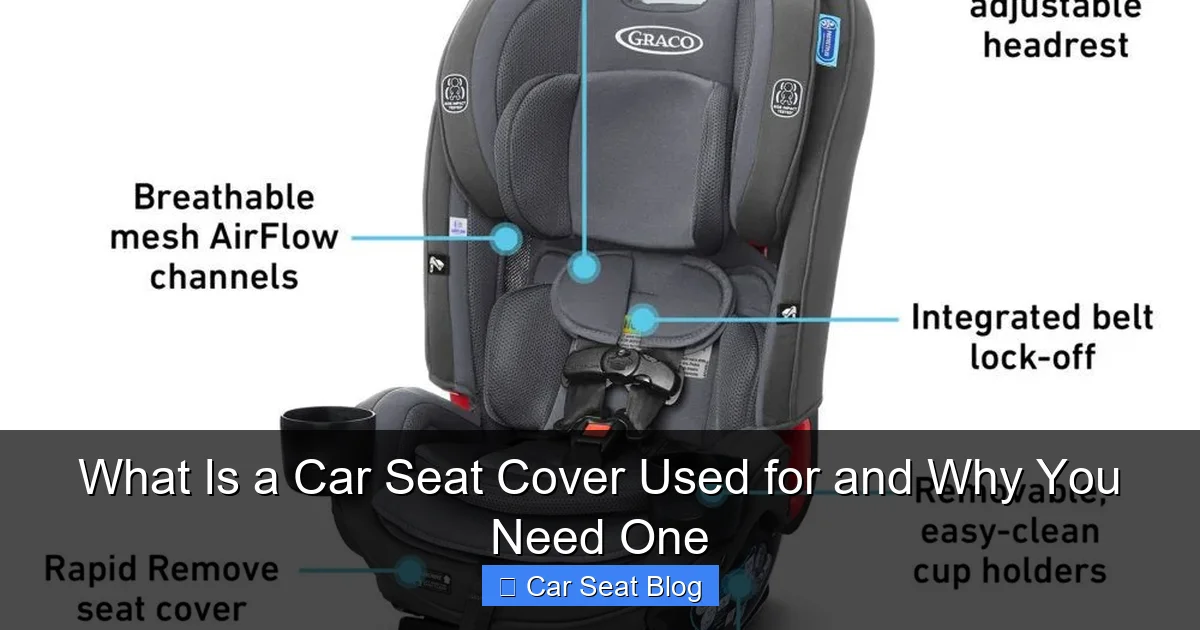
Visual guide about What Is a Car Seat Cover Used for and Why You Need One
Image source: thedailyautomotive.com
Seat covers come in various styles: universal fit, custom-fit, and semi-custom. Universal covers work with most vehicles but may require adjustments, while custom-fit options are tailored to your car’s make and model for a snug, seamless look. Some even feature built-in padding, heating elements, or cooling technology for added comfort.
Top 5 Reasons to Use a Car Seat Cover
1. Protects Against Spills and Stains
Life happens—especially in the car. Whether it’s a dropped sandwich, a leaky water bottle, or a child’s juice box explosion, liquids can quickly soak into fabric or leather seats. Without protection, these spills can lead to permanent stains, odors, and even mold growth.
A seat cover acts as a waterproof or water-resistant shield. Many are made from materials like neoprene or vinyl that repel liquids, making cleanup as simple as wiping with a damp cloth. For example, if you’re a parent, a seat cover can save your backseat from sticky fingerprints and snack crumbs. Pet owners also benefit—accidents from anxious dogs are much easier to manage with a removable, washable cover.
2. Prevents Wear and Tear
Even with careful use, car seats naturally degrade over time. Sun exposure fades colors, friction from getting in and out causes fabric to thin, and sharp objects (like keys or pet claws) can scratch leather. Over years, this wear reduces both comfort and appearance.
Seat covers slow this process dramatically. They absorb the brunt of daily use, preserving your original upholstery underneath. This is especially valuable if you plan to sell or trade in your car later—factory seats in excellent condition can boost resale value by hundreds of dollars.
3. Improves Comfort and Temperature Control
Ever slid into a scorching hot leather seat on a summer day? Or shivered on a cold fabric seat in winter? Seat covers can solve both problems. Many modern covers are designed with temperature-regulating materials.
For instance, neoprene seat covers stay cool in heat and warm in cold weather. Mesh or breathable fabric options improve airflow, reducing sweat and discomfort on long drives. Some high-end covers even include built-in cooling gel or heating pads for luxury-level comfort.
4. Pet-Friendly Protection
If you travel with pets, you know how quickly fur, dirt, and scratches can accumulate. A dedicated pet seat cover (often with non-slip backing and side flaps) protects your seats from claws, muddy paws, and shedding. Many are waterproof and machine-washable, so you can toss them in the laundry after a muddy hike.
Bonus: Some pet covers come with seatbelt openings and headrest compatibility, ensuring your furry friend stays safe and secure during the ride.
5. Easy Maintenance and Cleaning
Cleaning car seats can be a chore—especially if you have fabric upholstery. Vacuuming, spot-cleaning, and dealing with odors take time and effort. Seat covers simplify this process.
Most are designed for quick removal and cleaning. Wipeable materials like vinyl or leather can be cleaned with a simple cloth and mild soap. Fabric covers can often be machine-washed. This means less time scrubbing and more time enjoying your clean, fresh-smelling car.
How to Choose the Right Car Seat Cover
Not all seat covers are created equal. To get the best results, consider these factors when shopping:
Material Matters
- Neoprene: Waterproof, durable, and great for temperature control. Ideal for outdoor enthusiasts or families.
- Leather/Vinyl: Sleek and easy to clean. Best for a premium look, but can get hot in summer.
- Polyester/Fabric: Affordable and breathable. Good for everyday use, but may stain more easily.
- Mesh: Lightweight and ventilated. Perfect for hot climates.
Fit and Compatibility
Always check compatibility with your vehicle’s make, model, and year. Custom-fit covers offer the best appearance and functionality. Avoid universal covers if you want a tailored look or have side airbags—improperly fitted covers can interfere with safety systems.
Safety First
Ensure the cover doesn’t block airbag deployment or seatbelt mechanisms. Look for labels like “airbag compatible” or “side-impact tested.” Some covers have special stitching that tears open during airbag activation.
Ease of Installation
Most seat covers install in 10–15 minutes using straps, hooks, or elastic bands. Choose a model with clear instructions and minimal tools required. If you’re not handy, opt for a no-tool design.
Step-by-Step: How to Install a Car Seat Cover
Installing a seat cover is easier than you think. Follow these steps for a secure, professional-looking fit:
Step 1: Prepare Your Seats
Remove headrests if needed (most covers require this). Vacuum the seats to remove dust and debris. This ensures a clean surface and prevents dirt from getting trapped under the cover.
Step 2: Unpack and Inspect the Cover
Lay out all pieces and check for damage. Make sure you have front seat covers, backrest covers, cushion covers, and any included straps or clips.
Step 3: Start with the Seat Cushion
Drape the cushion cover over the seat. Align it properly, then secure it using the attached straps or hooks. Tighten evenly to avoid wrinkles.
Step 4: Cover the Backrest
Slide the backrest cover over the seatback. Again, use straps or elastic to secure it. If your cover has a zipper or Velcro closure, fasten it snugly.
Step 5: Reattach Headrests
Once the cover is in place, reinsert the headrests through the designated holes. Make sure they’re fully seated and secure.
Step 6: Adjust and Tuck
Smooth out any wrinkles and tuck excess fabric under the seat. Double-check that all straps are tight and nothing is loose.
Step 7: Test for Safety
Ensure seatbelts retract properly and airbag indicators (if visible) are unobstructed. Sit in the seat to confirm comfort and fit.
Troubleshooting Common Issues
Even with careful installation, you might run into a few hiccups. Here’s how to fix them:
Problem: Cover Shifts or Slips
Solution: Use non-slip pads or double-sided tape under the cushion. Make sure all straps are tightened and anchored properly.
Problem: Wrinkles or Bunching
Solution: Remove the cover and reinstall, pulling fabric taut. Some materials (like neoprene) relax over time—give it a few days to settle.
Problem: Headrest Won’t Fit
Solution: Check if the cover has adjustable headrest holes. If not, contact the manufacturer—some models aren’t compatible with certain headrest designs.
Problem: Fading or Discoloration
Solution: Use UV-protective sprays and park in the shade when possible. Avoid low-quality covers that degrade in sunlight.
When to Replace Your Car Seat Cover
While durable, seat covers don’t last forever. Signs it’s time for a replacement include:
- Tears, holes, or fraying edges
- Loss of elasticity or fit
- Stains that won’t come out
- Fading or peeling (especially with vinyl/leather)
- Unpleasant odors that persist after cleaning
Most quality covers last 2–5 years, depending on use and material. Regular cleaning and proper care can extend their lifespan.
Final Thoughts: Why Every Driver Should Use a Car Seat Cover
So, what is a car seat cover used for? In short: protection, comfort, convenience, and style. Whether you’re shielding your seats from kids, pets, or daily commutes, a seat cover is a small investment with big returns. It keeps your car looking newer longer, makes cleaning easier, and can even improve your driving experience.
Don’t wait until a stain sets in or your seats start to wear. Take action today—choose a cover that fits your lifestyle, install it properly, and enjoy a cleaner, more comfortable ride. Your car (and your future self) will thank you.

