Do Car Seat Covers Really Work and Are They Worth It

Car seat covers do work—they protect upholstery, improve comfort, and can even boost resale value. Whether they’re worth it depends on your needs, driving habits, and the quality of the cover you choose.
Quick Answers to Common Questions
Tip/Question?
Can I install seat covers myself?
Yes! Most covers come with simple instructions and require no tools. Installation typically takes 10–20 minutes per seat.
Tip/Question?
Do seat covers work with heated seats?
Yes, but choose covers labeled “heat-safe” or made from thin, conductive materials. Thick padding can block heat transfer.
Tip/Question?
Will seat covers void my warranty?
Generally no, as long as they don’t interfere with airbags or seat functions. Check your vehicle manual to be sure.
Tip/Question?
How often should I clean my seat covers?
Spot clean as needed and deep clean every 1–3 months, depending on use. Regular maintenance extends their life.
Tip/Question?
Can I use seat covers in winter?
Yes! Neoprene and fabric covers provide insulation and prevent cold leather from sticking to your clothes.
Do Car Seat Covers Really Work and Are They Worth It?
If you’ve ever spilled coffee on your car seat, wrestled with dog hair embedded in fabric, or felt like your seats were melting under the summer sun, you’ve probably wondered: *Do car seat covers really work?* And more importantly—*are they worth the money?*
The short answer? Yes, they do work—but only if you choose the right kind and use them correctly. In this guide, we’ll walk you through everything you need to know about car seat covers: how they protect your seats, what types are best for different needs, how to install them properly, and whether they’re a smart investment for your vehicle.
Whether you’re a parent, pet owner, commuter, or just someone who likes to keep their car looking sharp, this guide will help you decide if seat covers are right for you—and how to get the most out of them.
How Car Seat Covers Protect Your Seats
The primary purpose of a car seat cover is protection. But what exactly are they protecting against?
Spills and Stains
We’ve all been there—a sudden stop, a knocked-over drink, or a snack that didn’t stay in its wrapper. Fabric and leather seats absorb liquids quickly, leading to stubborn stains and odors. A good seat cover acts as a barrier, preventing spills from reaching the original upholstery. Many modern covers are made with water-resistant or waterproof materials like neoprene or polyester blends that wipe clean in seconds.

Visual guide about Do Car Seat Covers Really Work and Are They Worth It
Image source: risingnetworth.com
UV and Sun Damage
Sunlight doesn’t just fade your dashboard—it can also degrade seat materials over time. Prolonged UV exposure causes fabric to fade and leather to crack. Seat covers with UV-resistant coatings help preserve the look and integrity of your seats, especially if you park outdoors frequently.
Pet Hair and Scratches
If you travel with pets, you know how quickly fur accumulates and claws can damage seats. Durable, scratch-resistant covers—especially those made from heavy-duty polyester or ballistic nylon—protect against both. Some even come with built-in pet seat extenders or non-slip backing to keep your furry friend safe and your seats intact.
General Wear and Tear
Daily use leads to friction, dirt, and grime buildup. Over time, this wears down seat surfaces, especially in high-contact areas like the driver’s seat. Seat covers absorb this daily abuse, keeping your original seats looking newer for longer.
Types of Car Seat Covers and Their Benefits
Not all seat covers are created equal. The type you choose should match your lifestyle and needs.
Neoprene Covers
Popular among outdoor enthusiasts and commuters, neoprene is waterproof, stretchy, and resistant to heat and cold. It’s great for people who live in rainy or snowy climates or who frequently transport wet gear. Neoprene also provides a snug fit and stays in place well.
Leatherette (Synthetic Leather)
These offer the look and feel of real leather without the high cost or maintenance. They’re easy to clean, resistant to spills, and give your car a premium appearance. Ideal for those who want style and protection.
Fabric Covers
Made from cotton, polyester, or blends, fabric covers are breathable and comfortable. They come in a wide range of colors and patterns, making them a favorite for customization. However, they may not be as water-resistant unless treated.
Mesh and Ventilated Covers
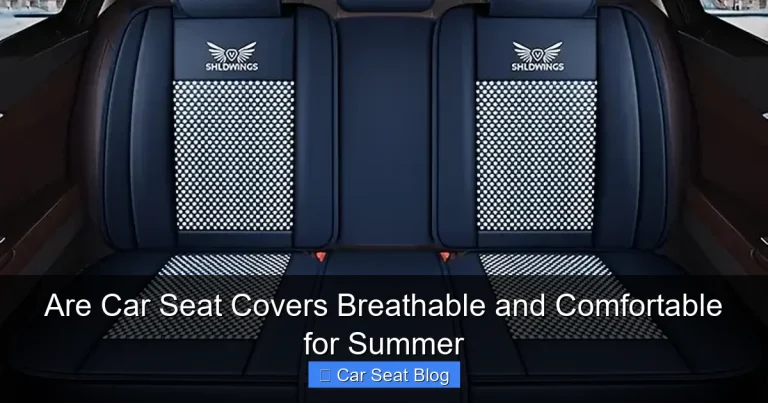
Perfect for hot climates, these covers improve airflow and reduce sweating on long drives. Often used in performance or luxury vehicles, they’re ideal for drivers who prioritize comfort in warm weather.
Custom-Fit vs. Universal Fit
Custom-fit covers are tailored to your specific car model, offering a sleek, factory-like appearance and better protection. Universal covers are cheaper and easier to find but may not fit as snugly, leading to wrinkles or shifting.
How to Choose the Right Seat Cover
With so many options, picking the right cover can feel overwhelming. Follow these steps to make the best choice.
Step 1: Assess Your Needs
Ask yourself: What’s my biggest concern? Spills? Pets? Sun damage? Comfort? Your answer will guide your material and style choice. For example, pet owners should prioritize durability and ease of cleaning, while daily commuters might focus on comfort and breathability.
Step 2: Check Compatibility
Make sure the cover fits your car’s make, model, and year. Look for covers that accommodate side airbags, seat heaters, and adjustable headrests. Many reputable brands provide fit guides on their websites.
Step 3: Prioritize Quality Over Price
Cheap covers may save you money upfront but often wear out quickly, slip around, or trap heat. Invest in a well-reviewed brand with strong stitching, non-slip backing, and reinforced seams. A $100 cover that lasts five years is a better deal than a $30 one that falls apart in six months.
Step 4: Read Reviews
Look for customer feedback on fit, durability, and ease of cleaning. Pay attention to comments about installation difficulty and whether the cover interferes with seat functions.
Step 5: Consider Maintenance
Some covers are machine washable; others require spot cleaning. Choose one that fits your lifestyle. If you’re busy, opt for low-maintenance materials like neoprene or leatherette.
How to Install Car Seat Covers Correctly
Even the best cover won’t work if it’s installed poorly. Follow these steps for a secure, professional fit.
Step 1: Clean Your Seats
Before installing, vacuum and wipe down your seats to remove dust and debris. This ensures a smooth surface and prevents dirt from getting trapped underneath.
Step 2: Read the Instructions
Every cover is different. Follow the manufacturer’s guide for proper installation, especially regarding airbag compatibility and strap placement.
Step 3: Start with the Bottom Seat
Begin by slipping the cover over the seat cushion. Use the included straps or hooks to secure it underneath. Pull tight to eliminate wrinkles.
Step 4: Install the Backrest Cover
Slide the backrest portion over the seatback. If your cover has headrest holes, remove the headrests first (if possible), slide the cover on, then reattach.
Step 5: Secure All Straps and Fasteners
Tighten all straps, buckles, or elastic bands to keep the cover in place. Check that it doesn’t interfere with seat adjustments, seatbelts, or airbag deployment.
Step 6: Test the Fit
Sit in the seat and adjust it forward, backward, and reclined. The cover should move with the seat without bunching or slipping.
Troubleshooting Common Seat Cover Problems
Even with proper installation, issues can arise. Here’s how to fix the most common ones.
Problem: Cover Slips or Shifts
Solution: Use non-slip pads or rubberized backing. Ensure all straps are tightened and that you’ve chosen a cover designed for your seat type. Universal covers are more prone to shifting—consider upgrading to custom-fit.
Problem: Cover Traps Heat
Solution: Avoid dark-colored, non-breathable materials in hot climates. Choose light colors and ventilated fabrics. Some covers come with built-in cooling gel layers.
Problem: Wrinkles or Loose Areas
Solution: Reinstall the cover, pulling it tighter during setup. Some materials stretch over time—re-tighten straps after a few weeks of use.
Problem: Difficult to Clean
Solution: Use a damp cloth for spot cleaning. For machine-washable covers, follow care labels. Avoid harsh chemicals that can degrade materials.
Problem: Interferes with Airbags
Solution: Never use a cover that blocks side airbags. Look for covers labeled “airbag-safe” with designated seams that allow airbags to deploy properly.
Are Car Seat Covers Worth the Investment?
Now for the big question: Are they worth it?
The answer depends on your situation.
If you drive frequently, have kids or pets, live in a harsh climate, or plan to sell your car someday, seat covers are a smart investment. They protect your seats from damage, make cleaning easier, and can even improve comfort. Over time, the cost of a quality cover is far less than reupholstering or losing resale value due to worn seats.
On the other hand, if you drive rarely, park in a garage, and keep your car meticulously clean, you might not need them. But even then, a set of covers can provide peace of mind during unexpected spills or long road trips.
Ultimately, seat covers are like insurance for your car’s interior—they may not be exciting, but they save you money and hassle in the long run.
Final Thoughts
So, do car seat covers really work? Absolutely. When chosen wisely and installed correctly, they protect your seats, enhance comfort, and help maintain your car’s value. They’re not just for messy drivers—they’re for anyone who wants to keep their vehicle looking and feeling great.
The key is to match the cover to your lifestyle, prioritize quality, and take the time to install it properly. With the right cover, you’ll enjoy a cleaner, more comfortable ride—and your future self (or buyer) will thank you.