Car seat covers can impact airbag safety if not chosen carefully. This guide explains how to pick compatible covers, avoid dangerous designs, and ensure your airbags work properly in an emergency.
Quick Answers to Common Questions
Tip/Question?
Can I use any seat cover if my car has side airbags?
No—only use covers labeled as side-airbag compatible. Non-compatible covers can block deployment and reduce safety.
Tip/Question?
Are leather seat covers safe for airbags?
Only if they’re specifically designed for airbag use. Thick, rigid leather can interfere with deployment unless it has pre-cut tear lines.
Tip/Question?
Do universal seat covers work with airbags?
Rarely. Universal covers often don’t fit properly and may cover critical airbag seams. Always choose custom-fit options.
Tip/Question?
Can I sew my own seat covers?
Not recommended. Homemade covers may lack proper tear zones and could block airbag deployment.
Tip/Question?
What should I do if my airbag light comes on after installing covers?
Remove the covers immediately and have your airbag system checked by a professional to ensure it’s functioning correctly.
Do Car Seat Covers Affect Airbags? A Complete Safety Guide
You love your car—and you want to keep it looking fresh. That’s why you’re considering seat covers. But before you buy that stylish neoprene set or cozy sheepskin wrap, there’s a critical question you need to ask: Do car seat covers affect airbags?
The short answer? Yes—they can. And if they interfere with your airbags, the consequences could be serious. Airbags are life-saving devices designed to deploy in milliseconds during a crash. If a seat cover blocks or delays that deployment, it could reduce their effectiveness or even cause injury.
In this guide, we’ll walk you through everything you need to know about choosing safe seat covers that protect your car’s interior without compromising your safety. You’ll learn how airbags work, what makes a seat cover unsafe, and how to pick the right one for your vehicle. Let’s get started.
How Do Airbags Work? Understanding the Basics
Before diving into seat covers, it helps to understand how airbags function. Most modern cars have side airbags built into the seat itself—specifically in the seatback near the door side. These are called side-impact airbags or thorax airbags.
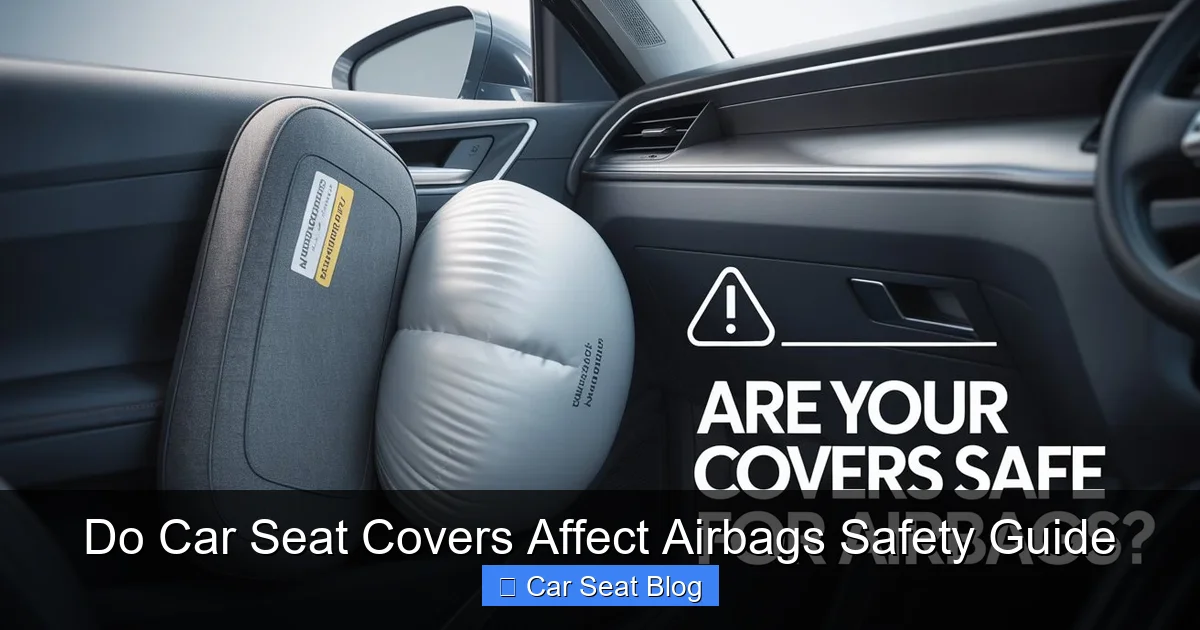
Visual guide about Do Car Seat Covers Affect Airbags Safety Guide
Image source: carseatpanel.com
When a collision occurs, sensors detect the impact and send a signal to the airbag module. Within 10 to 30 milliseconds, the airbag inflates rapidly—often bursting through seams in the seat fabric—to cushion the occupant’s head and torso.
Because airbags deploy with such force and speed, they rely on precise engineering. The fabric must tear open exactly where intended. If a seat cover is too thick, rigid, or improperly installed, it can:
- Slow down deployment
- Block the airbag from opening
- Cause the airbag to deploy at an angle
- Even rupture the cover and send debris flying
That’s why choosing the right seat cover isn’t just about style—it’s about safety.
Step 1: Check Your Vehicle’s Airbag System
Not all cars have the same airbag setup. Some have side airbags in the seats, while others have curtain airbags in the roof or door panels. To make sure your seat covers won’t interfere, start by identifying your airbag locations.
How to Find Airbag Locations
- Check the owner’s manual: This is the most reliable source. Look for sections on “Supplemental Restraint System” or “Airbags.”
- Look for airbag labels: Many cars have small tags on the side of the seat that say “AIRBAG” or have an airbag symbol.
- Inspect the seat seams: Side airbags typically deploy through stitched seams on the outer edge of the seatback. These seams are designed to tear open under pressure.
Once you know where your airbags are, you can avoid covering those areas with thick or non-compatible materials.
Step 2: Choose Airbag-Compatible Seat Covers
The safest seat covers are specifically designed to work with your vehicle’s airbag system. Here’s what to look for:
Look for “Side-Airbag Compatible” Labels
Reputable manufacturers will clearly state if their covers are safe for use with side airbags. Look for phrases like:
- “Side-airbag compatible”
- “Airbag-safe”
- “SFI-certified” (a safety standard for automotive accessories)
These labels mean the cover has been tested to ensure it doesn’t interfere with deployment.
Choose the Right Material
Not all fabrics are created equal when it comes to airbag safety. Avoid:
- Thick leather or vinyl: These can be too rigid and slow down deployment.
- Plastic-backed covers: These create a barrier that airbags can’t penetrate.
- Heavy padding: Extra cushioning can absorb the force needed to tear the cover open.
Instead, opt for:
- Breathable, stretchy fabrics: Like polyester-spandex blends or mesh.
- Neoprene (if labeled airbag-safe): Some high-quality neoprene covers are designed with pre-cut deployment zones.
- OEM-style covers: Made to mimic factory upholstery, these are often the safest choice.
Ensure Proper Fit
A loose or baggy cover can shift during a crash, blocking the airbag. Always choose custom-fit covers designed for your specific make, model, and year. Universal covers are more likely to bunch up or cover critical seams.
Step 3: Install Seat Covers Correctly
Even the safest cover can become dangerous if installed improperly. Follow these steps for a secure, airbag-friendly installation.
Follow the Manufacturer’s Instructions
Every cover comes with installation guidelines. Read them carefully—especially any warnings about airbag zones.
Avoid Covering Airbag Seams
Never sew, glue, or fasten a cover over the seam where the airbag deploys. If the cover has a pre-cut opening or reinforced tear line, make sure it aligns perfectly with the airbag location.
Use Secure Fastening Systems
Look for covers with elastic straps, hooks, or Velcro that keep the fabric taut. Loose fabric can migrate and block sensors or deployment paths.
Test the Fit
After installation, sit in the seat and move around. The cover should stay in place without shifting. If it wrinkles or bunches near the side of the seatback, it may interfere with the airbag.
Step 4: Avoid Common Mistakes
Even experienced drivers make errors when choosing seat covers. Here are some pitfalls to avoid:
Buying Cheap, Unlabeled Covers
Bargain covers from unknown brands may not meet safety standards. If there’s no mention of airbag compatibility, assume it’s unsafe.
Ignoring the Owner’s Manual
Some manufacturers explicitly warn against using aftermarket seat covers. For example, certain luxury or performance vehicles have complex airbag systems that require OEM parts.
Modifying the Cover
Cutting, sewing, or adding extra layers to a seat cover can compromise its safety. Even a small change can block an airbag.
Using Covers on Seats with Integrated Features
Some seats have built-in heaters, cooling systems, or sensors. Covering these with non-compatible materials can cause malfunctions or overheating.
Troubleshooting: What If Your Cover Interferes?
If you’ve already installed seat covers and suspect they might be unsafe, here’s what to do:
Check for Warning Lights
If your airbag warning light comes on after installing covers, it could mean the sensors are blocked or the system is compromised. Visit a mechanic or dealership for a diagnostic check.
Inspect the Deployment Zone
Look at the side of the seatback. Is the cover tight and smooth? Or is it wrinkled or covering the seam? If it’s covering the seam, remove the cover immediately.
Test with a Professional
Some auto shops offer airbag system checks. While they can’t test actual deployment (for safety reasons), they can verify that sensors and circuits are functioning properly.
When to Remove the Cover
If you’re unsure, it’s better to be safe than sorry. Remove the cover and use the original upholstery until you find a certified airbag-safe alternative.
Conclusion: Safety First, Style Second
Car seat covers can protect your seats from spills, pet hair, and wear—but only if they’re safe to use. The key is choosing covers that are designed with airbag compatibility in mind. Look for proper labeling, avoid thick or rigid materials, and always ensure a snug, correct fit.
Remember: Your safety is more important than a stylish interior. When in doubt, consult your owner’s manual or choose covers from trusted brands. A little research now can prevent a serious problem later.
By following this guide, you can enjoy the benefits of seat covers without compromising the life-saving technology built into your vehicle. Stay safe, drive smart, and keep your car looking great—responsibly.

