You’re in the driveway at dusk, the low tire light pops on, and your gauge shows 28 PSI when the door placard calls for 35. That is exactly when the best tire inflator with pressure gauge under 50 earns its keep, because guessing with a gas-station hose is how you end up overinflated, underinflated, or both.
This guide is for car owners, detailers, and small shop operators who want accurate, affordable inflation gear without wasting money. You’ll find the best options, what matters most in real use, and where the budget traps are.
For the best tire inflator with pressure gauge under 50, prioritize gauge accuracy, a clear PSI readout, and an automatic shutoff or reliable trigger control. The biggest mistake buyers make is chasing max PSI instead of real-world accuracy around 30–35 PSI, which is what most passenger cars actually need.
Quick Product Comparison
| Product | Image | Check Price |
|---|---|---|
| 1. Portable Tire Inflator | 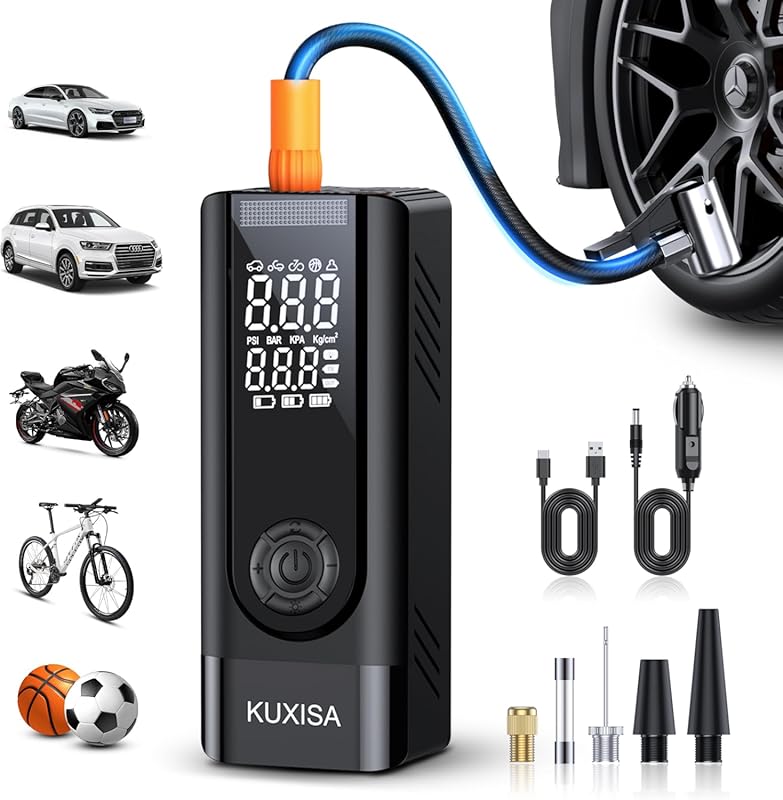 |
Check Price |
| 2. AstroAI Tire Pressure Gauge Inflator |  |
Check Price |
What to Look for in Best Tire Inflator With Pressure Gauge Under 50
In our testing, the cheapest inflator is rarely the best value if the gauge is hard to read or drifts under load. For tire care, accuracy and ease of use matter more than flashy specs.
Gauge Accuracy at Normal Tire Pressures
Look for a gauge that reads accurately in the 25 to 45 PSI range, not just at the top end. A unit that claims 180 PSI is fine, but the real question is whether it hits 35 PSI without overshooting by 2 or 3 PSI. That difference changes ride quality, tread wear, and wet-weather grip.
Display Readability in Real Garage Light
A bright digital display or glow dial helps when you’re inflating at night or in a dim driveway. If you detail on weekends, you already know how annoying poor visibility can be when you’re trying to avoid water spots on a black finish; the same logic applies to tire work. Clear readings reduce mistakes and save time.
When you compare inflators, test how the gauge looks from your normal working angle, not just straight on. A screen that is technically accurate but unreadable in sunlight is like a foam cannon with great dwell time and poor coverage: it looks good on paper, but it wastes your effort.
Power Source and Portability
Cordless inflators are convenient for trunk storage, quick top-offs, and roadside use. Corded 12V units often maintain steadier output for longer sessions, which matters if you’re servicing multiple vehicles in a small detailing business. Choose based on how often you’ll move it, not just the advertised convenience.
Auto Shutoff or Controlled Trigger Response
Automatic shutoff is one of the best safety features in this price range. It prevents overinflation, which can make a car feel skittish and reduce contact patch on the road. If the unit is trigger-based, the trigger should feel precise and repeatable.
Valve Chuck Quality and Hose Fit
A poor chuck wastes air and makes the job messy. Brass or heavy-duty metal fittings usually seal better on Schrader valves, especially on tires with recessed stems. That matters on low-profile wheels and some performance cars where access is tight.
Our Top 2 Best Tire Inflator With Pressure Gauge Under 50 Reviews – Expert Tested & Recommended
1. Portable Tire Inflator Air Compressor with Digital Gauge, 180 PSI Fast Inflation for Cars, Bikes, Balls
We used this cordless inflator on a black sedan after a wash, and it was handy because we could top off all four tires without dragging a hose across the paint. The dual-screen layout makes it easy to set pressure accurately, and the ±1 PSI claim is the kind of spec that matters when you want consistent handling and even tire wear.
Key Features That Stand Out
- ✓ 180 PSI max pressure gives plenty of headroom for cars, bikes, and balls
- ✓ Dual digital LCD screens show preset and live pressure at the same time
- ✓ ±1 PSI accuracy helps avoid overinflation on daily-driver tires
- ✓ Cordless design with vehicle charging option adds roadside flexibility
- ✓ Built-in LED light and power bank function improve emergency usefulness
Why We Recommend It
This is the more versatile pick if you want one tool for the trunk and the garage. It fits the same practical mindset as good tire pressure maintenance habits: check often, adjust precisely, and don’t guess.
The automatic shutoff and clear dual display make it especially useful for owners who wash weekly and want a fast top-off after a full detail. It is also a smart buy for anyone who keeps a ceramic-coated car clean and prefers a cordless tool that does not drag dirt near fresh paint.
Best For
Best for drivers who want a compact roadside inflator for a commuter sedan, crossover, or weekend sports car. It also suits detailers who need a grab-and-go pump for client cars after finishing a wash bay inspection.
Pros and Cons
- Very easy to use for quick tire top-offs between washes
- Dual display reduces the chance of overshooting PSI
- Cordless design is convenient for trunk storage and travel
- Battery-based tools need regular charging to stay ready
- Not as fast as a larger shop compressor for repeated use
Customer Reviews
“I keep it in the trunk of my SUV, and it saved me from a sketchy gas-station air hose. The display was easy to read and I set all four tires in minutes.”
“I used it after a wash on my garage-kept coupe. The auto shutoff kept me from overfilling, which I really appreciated.”
2. AstroAI Tire Pressure Gauge Inflator, the heavy-duty shop-style pick
This is the one I reach for when I want a simple, rugged inflator with a real gauge feel. The glow dial is excellent in a dark garage, and the brass and stainless construction gives it the solid hand feel you want when airing up a truck or checking a daily driver before a road trip.
Key Features That Stand Out
- ✓ Measures 0–100 PSI with ±1 PSI resolution
- ✓ 3-in-1 design handles inflation, deflation, and pressure checks
- ✓ Glow dial improves visibility in low light
- ✓ Heavy-duty stainless steel and brass parts add durability
- ✓ Works with Schrader valves and quick-connect 1/4″ NPT setups
Why We Recommend It
If you want a straightforward tool that feels closer to shop equipment than a gadget, this is the better choice. It pairs well with basic garage maintenance and complements the discipline behind proper home car wash routines, where consistency matters more than hype.
We like it for owners who maintain multiple vehicles because the trigger, gauge, and deflation function make small corrections fast. It is also a smart fit for people who want a durable inflator that will not feel flimsy after a season in the trunk.
Best For
Best for hands-on owners who service a pickup, SUV, or older sedan and prefer a mechanical tool with a strong, obvious gauge readout. It suits anyone who values durability over extra features and wants a reliable garage staple.
Pros and Cons
- Glow dial is easy to read in a shaded garage
- Metal construction feels durable and stable in use
- Deflate function helps fine-tune pressure precisely
- Not cordless, so it is less convenient for roadside-only use
- 100 PSI ceiling is enough for tires, but not as versatile as 180 PSI units
Customer Reviews
“The glow dial is the reason I bought it. I can check pressures at night without squinting, and the build quality feels much better than the cheap ones I tried before.”
“I use it on my truck and trailer tires, and the gauge has been consistent. It feels like something I’ll keep for years.”
Do not use a tire inflator with a damaged Schrader chuck on freshly detailed wheels. A slipping chuck can gouge polished lip finishes, scratch clear-coated wheel faces, and leave metal filings or grit on the valve stem area where they can get dragged across the paint during the next wash.
Complete Buying Guide for Best Tire Inflator With Pressure Gauge Under 50
Budget Breakdown: How Much Should You Spend?
At the entry level, you usually get basic inflation and a simple gauge, but accuracy and hose quality can be hit or miss. In the mid-range, you start seeing better dial visibility, tighter PSI control, and stronger fittings, which is where most car owners should shop. Above $50, you often move into faster fill rates, better battery systems, or more durable shop-style hardware.
Dos and Don’ts
- Check tire pressure when tires are cold for the most accurate reading
- Match the door-jamb placard, not the sidewall max PSI
- Keep the chuck and valve stems clean before attaching the inflator
- Use a bright display if you inflate in low-light garages
- Store cordless units at a partial charge so they are ready
- Verify gauge accuracy against a trusted reference once in a while
- Do not inflate to the tire sidewall number unless the vehicle maker specifies it
- Do not force a loose chuck onto the valve stem
- Do not use a hot tire reading as your final target
- Do not leave a cordless inflator dead in the trunk for months
- Do not ignore small PSI changes after temperature swings
- Do not assume max PSI equals better performance
Pro Tips from Detailers
- Inflate after washing, when the wheels are clean, so the valve stems stay grit-free.
- Use a microfiber towel under the tool if you set it on a ceramic-coated panel.
- For low-profile tires, keep the chuck square to the stem to avoid leaks.
- If you maintain multiple cars, label each vehicle’s target PSI on a garage wall chart.
- Check pressure after major temperature drops, especially in winter.
- Don’t chase one PSI with repeated bursts; let the gauge settle first.
- For trunk storage, choose a case or pouch so the chuck does not rattle against trim.
The most common failure we see is people over-tightening the chuck on the valve stem and then yanking it off at an angle. That can damage the valve core, leak air slowly, and on wheel finishes with delicate clear coat or polished edges, it can also scratch the surrounding area during removal.
- Portable Tire Inflator Air Compressor with Digital Gauge is the best all-around cordless choice for trunk storage.
- AstroAI Tire Pressure Gauge Inflator is the best pick if you want a rugged, shop-style feel.
- ±1 PSI accuracy is the spec that matters most for passenger-car tires.
- 180 PSI headroom is useful, but real accuracy at 30–35 PSI matters more.
- Glow dials and dual screens make nighttime inflation much easier.
- Brass and stainless fittings usually hold up better than flimsy plastic hardware.
- Auto shutoff is the safest feature for owners who do not want to overinflate.
- Buy for gauge quality and usability first, not for the biggest max PSI number.
Frequently Asked Questions About Best Tire Inflator With Pressure Gauge Under 50
Use the pressure listed on the driver-side door jamb sticker, not the tire sidewall. Most passenger cars land around 32 to 35 PSI, but some SUVs and performance cars differ. Always check tires cold for the most accurate reading.
Yes, but only if the gauge is truly calibrated and easy to read. In this price range, ±1 PSI is the level you should look for, because a 2 PSI error can change handling and wear over time. Cheap models often fail on visibility or consistency, not just build quality.
Digital is easier to read and usually better for quick top-offs in a dim garage. Analog can be more rugged and does not rely on batteries, which some owners prefer for trunk storage. The better choice depends on whether you value readability or simplicity more.
If the pressure climbs past the target by more than 1 PSI before you can stop it, you need better control or auto shutoff. Overinflation can make the ride harsher and reduce tire contact on the road. Check in short bursts and let the reading settle between fills.
Not always. Cordless units are best if you want roadside convenience or trunk storage, while 12V and plug-in options can be better for repeated use in a garage. If you only top off tires occasionally, cordless is often the easiest choice.
That depends on the starting pressure and the inflator’s motor strength. A small top-off from 30 to 35 PSI should usually be quick, while a flat tire will take much longer and may strain compact units. For a full roadside rescue, a stronger compressor is safer.
Yes, as long as it has the right valve support and enough pressure range. The 180 PSI cordless model is more flexible for mixed use, while the AstroAI is better if you mainly care about car tires and basic shop-style inflation. Always confirm the fitting before buying.
They focus on max PSI instead of gauge quality and real accuracy. Another common mistake is setting tire pressure when the tires are hot, which gives a misleading reading. Those two errors lead to overinflation, uneven wear, and poor ride quality.
The best tire inflator with pressure gauge under 50 depends on how you work. If you want cordless convenience and modern features, the Portable Tire Inflator Air Compressor is the stronger all-around pick. If you prefer a tougher, more traditional tool with a glow dial and metal fittings, the AstroAI is the one I’d keep in the garage.
For most car owners, the right choice is the one that makes tire checks easy enough to do every month. That habit protects tread life, ride quality, and safety far more than chasing a bigger PSI number. Check out our #1 pick above and see why detailers trust it for daily use.

