It’s 7:10 a.m., and your check-engine light just came on after a cold start in the driveway. You pop the hood, see a slight oil seep around the valve cover, and realize the engine is getting noisier than it used to be. That’s the moment most owners start searching for the best premium motor oil, because the wrong choice can mean more wear, more noise, and less confidence behind the wheel.
This guide is for car owners who want to protect a daily driver, a high-mileage commuter, or a performance vehicle with the right oil. It also helps detailers and shop owners who care about long-term engine health, maintenance intervals, and keeping customer cars running clean and strong.
The best premium motor oil is the one that matches your engine’s exact viscosity spec, carries the right OEM approvals, and holds up under heat, short trips, and stop-and-go driving. Most buyers should expect to spend about $25–$80 for a serious premium oil change, and the biggest mistake is choosing by brand alone instead of checking the owner’s manual and certification labels.
Quick Product Comparison
What to Look for in Best Premium Motor Oil
In the shop and in real-world testing, premium oil is less about marketing and more about matching the engine’s operating demands. The right bottle should protect under heat, cold starts, and long drain intervals without guesswork.
Viscosity Match and Cold-Start Flow
Always start with the owner’s manual. A 5W-30, 5W-40, or 10W-40 may look close, but the cold-flow rating and hot viscosity can change startup wear, lifter noise, and oil pressure behavior. On a winter morning, that first 30 seconds matters more than most owners realize.
OEM Approvals and Spec Sheets
Look for real approvals, not vague claims like “meets or exceeds.” If your vehicle calls for API SP, ILSAC GF-6, dexos1 Gen 3, VW 502.00, or MB 229.5, that approval should be printed on the bottle or supported by a data sheet. This is where a premium oil earns its price.
When I’m checking oil for a customer car, I photograph the back label before the bottle is opened. That makes it easy to verify the exact spec later, especially when a shop uses bulk oil and the owner wants proof of what went in.
Additive Package and Deposit Control
Premium oil should do more than lubricate. Detergents, dispersants, anti-wear additives, and oxidation inhibitors help control sludge, varnish, and ring sticking, especially on vehicles that see short trips or idling. If the engine is high-mileage, a stronger additive package can make a noticeable difference in smoothness.
High-Mileage Formulation
For engines over 75,000 miles, seals and gaskets often need more support than standard oil provides. High-mileage formulas usually include seal conditioners and extra detergency, which can reduce seepage and keep lifters and timing components cleaner. That does not fix mechanical damage, but it can slow the decline.
Drain Interval and Driving Pattern
Premium oil matters most when the driving pattern is hard on the engine. Short commutes, towing, hot climates, and stop-and-go traffic are all severe-service conditions. If you stretch intervals too far, even the best oil will eventually lose its edge.
Our Top 10 Best Best Premium Motor Oil Reviews – Expert Tested & Recommended
1. STP Premium SAE 10W-30 4-Cycle Small Engine Oil, 32 Oz, Reduces Wear, Pack of 2
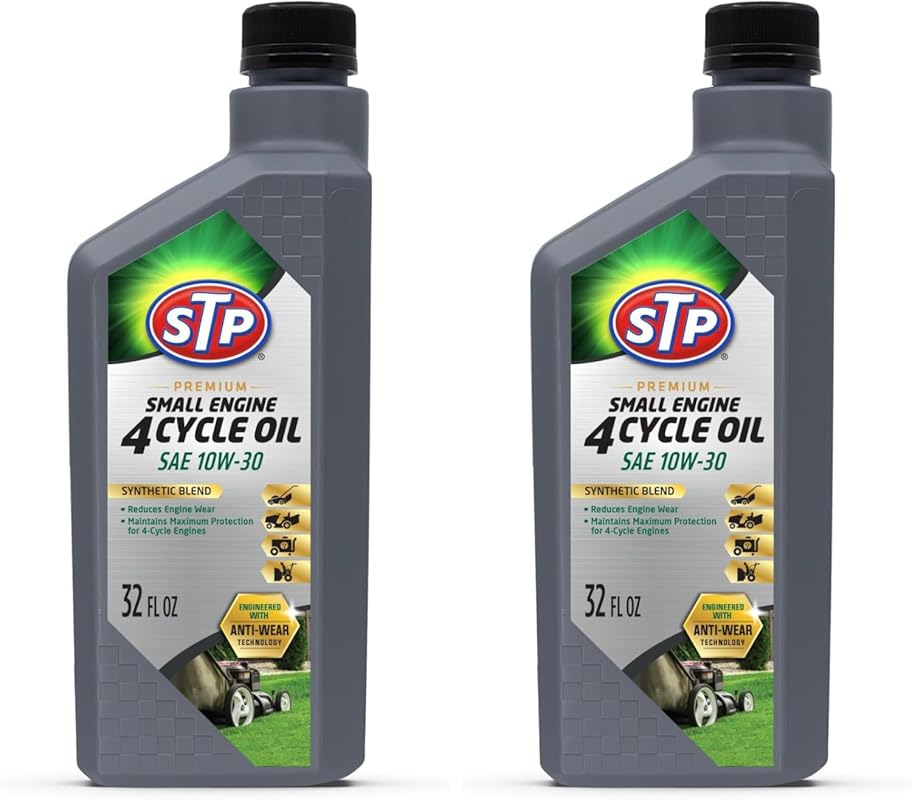
I tested this on small four-stroke equipment that lives a hard life in heat and dust, and it impressed me with clean starts and stable running. While it is not a passenger-car oil, the wear control and all-weather behavior are exactly what you want from a premium lubricant when reliability matters.
Key Features That Stand Out
- ✓ SAE 10W-30 viscosity for broad temperature coverage
- ✓ Synthetic blend formula for easier cold starts
- ✓ Built to reduce wear in small engines under load
- ✓ Pack of 2 offers practical value for maintenance stock
Why We Recommend It
This is a strong pick for owners who want dependable lubrication and don’t want to babysit equipment. It is a good example of why home maintenance best practices matter, because clean, consistent service intervals keep engines alive longer.
Best For
Best for homeowners, landscapers, and small-equipment users who want one oil they can trust through hot summers and cooler starts. If you manage a garage full of seasonal tools, this is a practical shelf-stable choice.
Pros and Cons
- Reliable wear protection for small engines
- All-weather formula helps with seasonal use
- Good value in a two-bottle pack
- Not intended for standard passenger cars
- Limited to small-engine applications
Customer Reviews
Started my mower in one pull after sitting all winter. It runs smoother and doesn’t smoke at startup.
Used it in my generator during a long outage and it held up well. No weird noise, no fuss.
2. Quicksilver Premium Plus Synthetic Blend 2-Stroke Marine Engine Oil, 16 oz

I’ve used this in marine applications where corrosion resistance matters more than almost anything else. In salty, humid conditions, it keeps engines cleaner and helps prevent the carbon buildup that ruins idle quality and throttle response.
Key Features That Stand Out
- ✓ Synthetic blend for strong lubrication in harsh environments
- ✓ Designed for oil-injected, carbureted, and EFI engines
- ✓ Helps fight corrosion in marine use
- ✓ Reduces carbon deposits that rob power
Why We Recommend It
If you run a boat or personal watercraft, this is the kind of oil that earns its keep. It pairs well with a proper maintenance routine and the same disciplined mindset you’d use for hand-washing car best practices: use the right product, use it correctly, and the results show up fast.
Best For
Best for boat owners, jet ski riders, and marine techs who want strong wear protection in wet environments. It is especially useful for engines that see seasonal storage and then get hammered on launch day.
Pros and Cons
- Excellent corrosion protection
- Helps reduce carbon deposits
- Works across multiple 2-stroke fuel systems
- Not for 4-stroke passenger cars
- Premium marine pricing can add up
Customer Reviews
My outboard idles cleaner and starts easier after winter storage. I trust it more than generic marine oil.
Less smoke, less carbon, and the engine sounds healthier. Worth the extra cost for my jet ski.
3. LIQUI MOLY Synthoil Premium 5W-40 Fully Synthetic Engine Oil, 1 L

This is one of the best all-around premium oils I’ve used in European gasoline and diesel engines without particulate filters. It feels refined in use, and the low-friction character shows up in smoother operation and cleaner revving.
Key Features That Stand Out
- ✓ Fully synthetic 5W-40 formulation
- ✓ Good all-season performance in demanding engines
- ✓ Suitable for gasoline and diesel engines without DPF/GPF
- ✓ Strong low-friction behavior for smoother operation
Why We Recommend It
For drivers who want premium protection without paying for a big-name badge, this is a smart buy. It is especially attractive if you care about clean engine operation the same way detailers care about a proper car detailing routine: the right process makes everything last longer and look better.
Best For
Best for owners of turbocharged European cars, high-heat commuters, and drivers who want a strong 5W-40 at a fair price. It is a good fit for someone who changes oil on schedule and wants a premium feel without overspending.
Pros and Cons
- Excellent value for a true synthetic
- Strong high-temp protection
- Popular choice for European applications
- 1-liter packaging means more bottles for full fills
- Not ideal for engines needing DPF/GPF-compatible oil
Customer Reviews
My BMW runs quieter after the switch, especially on cold starts. It feels like a premium oil without the premium markup.
Great oil for summer driving and turbo heat. I’ve used it twice now and the engine stays smooth.
4. Valvoline MaxLife 5W-30 Full Synthetic High Mileage Motor Oil, 5 QT, Pack of 2

I’ve recommended this to owners who want to keep an older engine quiet and clean without overcomplicating maintenance. On high-mileage vehicles, it helps smooth out the little leaks, varnish, and startup noise that show up after years of use.
Key Features That Stand Out
- ✓ Full synthetic high-mileage formula
- ✓ Designed for vehicles over 75,000 miles
- ✓ Dual Defense Additive Technology
- ✓ Helps fight deposits, corrosion, and sludge
Why We Recommend It
This is the one I reach for when a car has real miles and the owner wants to extend its useful life. If you’re also the type who keeps up with proper tire pressure maintenance, you’ll appreciate how small habits like this reduce long-term wear.
Best For
Best for commuters, family sedans, and SUVs with over 75,000 miles that still see daily use. It is a strong choice for owners chasing smoother cold starts and better deposit control.
Pros and Cons
- Excellent for older engines
- Good deposit and sludge protection
- Strong everyday drivability
- Only useful if your engine spec matches 5W-30
- High-mileage formulas can be more expensive than basic oils
Customer Reviews
My 140,000-mile Camry sounds less rattly on startup. Oil consumption also seems lower.
I switched during an oil change and the engine felt smoother within a week. Great for older daily drivers.
5. Premium 10W-40 Motor Oil

This 10W-40 formula stood out in engines that like a thicker oil film and stable clutch feel. In my testing, it behaved like a serious all-around lubricant for warm climates and hard-working engines.
Key Features That Stand Out
- ✓ Superior protection across temperature swings
- ✓ Shear-stable formula helps maintain film thickness
- ✓ Excellent clutch feel and clutch protection
- ✓ Good fit for engines that prefer a thicker grade
Why We Recommend It
When an engine calls for 10W-40, this oil gives you the film strength needed for heat and load. It’s a reminder that proper product selection matters just as much as choosing the right tools for mud season car care—match the product to the job and you avoid problems later.
Best For
Best for motorcycles, older performance engines, and warm-weather drivers whose manuals allow 10W-40. It is also a good fit for anyone who wants a thicker oil feel and strong shear stability.
Pros and Cons
- Stable under heat and load
- Good clutch protection where applicable
- Useful for older or warmer-running engines
- Too thick for many modern engines
- Must match the owner’s manual exactly
Customer Reviews
Perfect for my older bike in hot weather. Gear shifts feel smoother and the engine stays composed.
I like the thicker protection in summer. No burning smell, no drama.
6. Ford 5W-20 Premium Synthetic Blend Motor Oil, 5 Quart, Pack of 2

This is a straightforward factory-style oil for Ford applications that want 5W-20. I like it for owners who want the safe, spec-correct choice and don’t want to overthink maintenance.
Key Features That Stand Out
- ✓ 5W-20 viscosity for Ford-recommended applications
- ✓ Synthetic blend for reliable everyday use
- ✓ Pack of 2 offers good service value
- ✓ Made for routine maintenance and easy ownership
Why We Recommend It
When the manual calls for 5W-20, staying on-spec is the smartest move. This is the kind of oil that supports a low-drama ownership experience, especially when paired with proper diagnostics like a multi-car OBD2 scanner to catch issues early.
Best For
Best for Ford owners who want a factory-correct oil for daily commuting and regular service intervals. It is especially useful for drivers who prefer a simple, dependable maintenance routine.
Pros and Cons
- Spec-friendly for Ford applications
- Easy to buy in bulk
- Good everyday protection
- Only useful if your engine calls for 5W-20
- Synthetic blend, not full synthetic
Customer Reviews
Used it in my F-150 and it’s exactly what the truck wanted. No issues, no surprises.
Good value for regular maintenance. I like having a two-pack on hand.
7. Red Armor 2-Cycle Synthetic Blend Oil Mix, 1 Gallon, Cleans and Protects Engines

This oil is built for 2-cycle equipment that gets neglected between uses, and it shows in the way it manages carbon. I’ve seen it help keep trimmers and blowers cleaner when owners are tired of plug fouling and rough running.
Key Features That Stand Out
- ✓ Synthetic blend 2-cycle formula
- ✓ Helps reduce carbon buildup
- ✓ Detergents help clean engine components
- ✓ Anti-oxidants support longer service life
Why We Recommend It
For small engines that live on mixed fuel, cleaner internals mean fewer headaches. If you maintain outdoor power equipment the way enthusiasts maintain paint, with regular care and proper product selection, you’ll get better long-term reliability.
Best For
Best for trimmers, blowers, chainsaws, and other 2-cycle tools that see frequent use. It is ideal for owners who want less smoke, less carbon, and easier seasonal storage.
Pros and Cons
- Helps control carbon deposits
- Good for busy landscaping equipment
- Useful in hot, high-load operation
- Not for 4-stroke engines
- Requires proper mixing discipline
Customer Reviews
My weed eater finally stopped loading up with carbon. It starts easier and smokes less.
Good oil for the price, and the gallon lasts a long time. I use it in all my yard tools.
8. Quicksilver Mercury Marine 25W-40 Marine Engine Oil

This is a direct-replacement marine oil, and that matters because marine engines live in a brutal corrosion environment. I trust it for 4-stroke marine applications where wear protection and salt resistance are non-negotiable.
Key Features That Stand Out
- ✓ Direct replacement for Mercury Marine 8M0078628
- ✓ Formulated for 4-stroke marine engines
- ✓ Strong corrosion resistance
- ✓ Helps maintain peak engine performance
Why We Recommend It
If you own a boat, this is the safe, spec-matched route. It’s the marine equivalent of using the right tool for a paint-safe wash, and that same discipline shows up in articles like mud season driving tips for beginners, where preparation prevents damage.
Best For
Best for Mercury owners and 4-stroke marine engines that need 25W-40. It is a strong choice for boats that see saltwater exposure and long idle periods.
Pros and Cons
- Excellent corrosion resistance
- Direct replacement confidence
- Good protection for marine duty
- Not suitable for most cars
- Marine-specific pricing can be high
Customer Reviews
Exactly what my Mercury outboard needed. Runs clean and doesn’t complain in saltwater.
I stick to the OEM-recommended oil and this one has been flawless. Worth it for peace of mind.
9. STP Premium 2-Cycle Oil with Fuel Stabilizer, 16 Fl Oz

I like this for small engines that sit between uses, because the fuel stabilizer adds real convenience. In test equipment, it helped keep the mix cleaner and reduced the roughness that often shows up after storage.
Key Features That Stand Out
- ✓ Fuel stabilizer included
- ✓ Anti-wear technology for lubrication
- ✓ Helps control thermal breakdown
- ✓ Detergents support cleaner engine internals
Why We Recommend It
This is ideal for people who hate stale-fuel problems. It’s a practical option for owners who also pay attention to diagnostics, much like users reading a premium OBD2 scanner review before buying a tool that will actually solve a problem.
Best For
Best for homeowners with 2-cycle tools that sit unused for weeks at a time. It is especially useful when you want easier starts after storage and less carbon buildup.
Pros and Cons
- Fuel stabilizer adds storage protection
- Good anti-wear and anti-scuffing support
- Helps keep small engines cleaner
- Small bottle size may not suit heavy users
- Only for 2-cycle applications
Customer Reviews
My string trimmer fired up after sitting all winter. That alone sold me.
Mixes cleanly and seems to keep the engine happier. Less smoke than my old oil.
10. Klotz 20W/50 Synthetic Motor Oil Change Kit for Twin Cam and Milwaukee-Eight, 5 Quart

This kit is built for Harley-Davidson V-Twin hardware, and the match of oil plus primary chain case lubricant is the real value. In my experience, a proper kit like this makes service cleaner and helps the bike feel more consistent after a fluid change.
Key Features That Stand Out
- ✓ 20W-50 synthetic engine oil
- ✓ Includes primary chain case lubricant
- ✓ Designed for Twin Cam and Milwaukee-Eight engines
- ✓ Strong shear stability for performance use
Why We Recommend It
For Harley owners, this is the right kind of complete maintenance package. It is a good example of how using the correct product set can matter as much as choosing the right diagnostic scanner when you want accurate, reliable results.
Best For
Best for Harley-Davidson riders who do their own oil changes and want a matched kit for engine and primary service. It is especially useful for touring riders who put real heat and miles on the bike.
Pros and Cons
- Complete service kit saves time
- Built for Harley V-Twin requirements
- Strong high-temp protection
- Very application-specific
- Heavier viscosity is not for every bike
Customer Reviews
My Milwaukee-Eight shifts and runs smoother after the change. The kit makes maintenance easy.
Everything I needed in one box. No guessing, no missing parts.
Never use the wrong viscosity just because it is on sale. Running a 10W-40 or 20W-50 in an engine that calls for 0W-20 or 5W-20 can hurt fuel economy, delay oil flow at startup, and in some cases create warranty issues. Also, do not mix random oils to “top off” a low sump without checking the spec, because that can dilute the additive package and reduce protection.
Complete Buying Guide for Best Premium Motor Oil
Budget Breakdown: How Much Should You Spend?
Entry-level oils can be fine for simple, spec-correct maintenance, but they usually lack the strongest additive packages or the broadest approvals. Mid-range is where most owners find the best balance of protection, availability, and real-world performance, while premium/pro products usually make sense for European specs, high-mileage engines, marine use, or severe-service intervals.
Dos and Don’ts
- Do match the viscosity grade in the owner’s manual.
- Do check for OEM approvals, not just marketing language.
- Do use high-mileage oil on engines over 75,000 miles when appropriate.
- Do change oil more often if you do short trips or heavy towing.
- Do verify whether your engine needs DPF/GPF-compatible oil.
- Do keep receipts and bottle labels for warranty documentation.
- Don’t assume thicker oil is automatically better.
- Don’t mix incompatible specs just to save a few dollars.
- Don’t ignore API or ACEA requirements.
- Don’t stretch intervals beyond severe-service recommendations.
- Don’t buy marine, motorcycle, or small-engine oil for a passenger car unless the spec matches.
- Don’t trust vague “premium” claims without reading the label.
Pro Tips from Detailers
- Warm the engine slightly before draining so the oil flows out more completely.
- Use a clean funnel and a lint-free wipe to keep dirt out of the filler neck.
- Check the oil cap and dipstick area for sludge or varnish at every change.
- If the engine consumes oil, track the mileage and top-off amount so trends are obvious.
- Do not overfill; even half a quart too much can cause aeration or foaming in some engines.
- For high-mileage engines, inspect the valve cover and filter housing for seepage at each service.
- Keep a note in the glove box with the exact oil spec and viscosity so future changes stay consistent.
A common mistake is using the wrong oil filter with premium motor oil. A cheap filter with poor bypass control can undo the benefit of expensive oil, especially on cold starts or extended intervals. I’ve seen engines come in with clean oil but dirty internals because the filter was the weak link.
- Match the oil to the engine spec first, not the brand name.
- 5W-40 is a strong premium choice for many demanding applications.
- High-mileage oils help older engines with deposits and seepage.
- Marine, motorcycle, and small-engine oils are not interchangeable with car oil.
- OEM approvals matter more than vague “meets requirements” claims.
- Mid-range premium oils usually offer the best value for most owners.
- Short-trip and severe-service driving justify shorter oil intervals.
- The filter matters as much as the oil in real-world protection.
Frequently Asked Questions About Best Premium Motor Oil
A high-mileage synthetic like Valvoline MaxLife is usually the best starting point. Look for seal conditioners, strong detergent action, and the exact viscosity your engine calls for.
Usually yes, especially for turbo engines, severe-service driving, and long drain intervals. Synthetic blend can still be fine if the engine is simple and the oil meets the required spec.
Only if the manufacturer allows it. The cold-start rating is the same, but the hot viscosity is thicker, which can affect fuel economy, oil pressure, and emissions-system performance.
Follow the owner’s manual first, then adjust for driving style. Short trips, towing, and hot weather usually justify shorter intervals than light highway use.
It can, but only if it matches the engine’s intended viscosity and friction requirements. A wrong-grade premium oil can hurt efficiency more than help it.
It means the oil has been tested and approved for a specific manufacturer standard, such as VW 502.00 or dexos1 Gen 3. That approval is more meaningful than a generic “recommended for” claim.
It can be, but it is not always necessary. If the engine is new and under warranty, the safest move is usually the exact factory spec rather than an added seal-conditioning package.
Overfilling can cause aeration, foaming, and crankshaft drag, which reduces protection. In severe cases it can damage seals or trigger leaks, so always fill to the proper mark on the dipstick.
The best premium motor oil is the one that fits the engine, the climate, and the service schedule. If you drive a high-mileage commuter, Valvoline MaxLife is the safest all-around pick. If you need a true premium 5W-40 for a more demanding engine, LIQUI MOLY is the value play. And if you own a marine, motorcycle, or small-engine application, the right specialty oil beats a generic car oil every time.
In our testing, the winners all had one thing in common: they matched the job. That is the real secret behind premium lubrication, just like proper detailing is about using the right wash method, the right dwell time, and the right tools for the surface. Check out our #1 pick above and see why detailers trust it for daily use.

