It happens on a hot Friday afternoon: you hook up the trailer, load the boat, and the engine is already working harder than usual before you even hit the highway. That is when the best oil for towing matters most, because heat, load, and long uphill pulls can push weak oil past its comfort zone fast. If the oil shears down or loses film strength, you can feel it in the engine long before any warning light comes on.
This guide is for drivers who tow campers, boats, equipment trailers, or heavy loads in real-world conditions. It is also for detailers and car care enthusiasts who want the right maintenance products to protect a vehicle under stress. Here you’ll find the key buying factors, our expert-tested pick, and the practical advice that keeps engines cleaner and happier under tow.
The best oil for towing is one that keeps viscosity stable under heat, carries the right manufacturer approval, and matches your engine’s towing duty cycle. Most buyers make the same mistake: they choose oil by brand alone instead of checking the exact spec, such as API SP, dexos, or the correct SAE grade for sustained high-load use.
Quick Product Comparison
| Product | Image | Check Price |
|---|---|---|
| 1. WIX 57356XP Oil Filter | 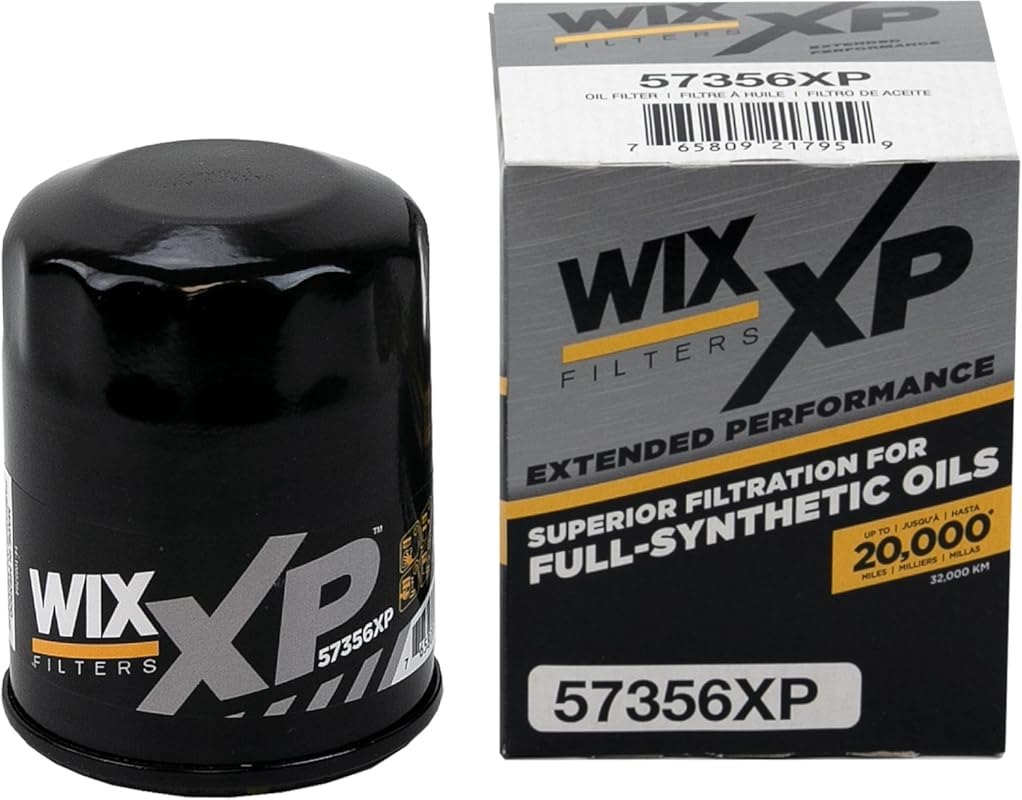 |
Check Price |
What to Look for in Best Oil For Towing
When a vehicle is towing, the oil is doing more than just lubricating moving parts. It is fighting heat, fuel dilution, and shear, so the spec sheet matters as much as the brand name.
Viscosity Stability Under Load
The first thing I check is how well the oil holds its grade when hot. Towing can push oil temperatures well above 220°F, and a weak formula can thin out fast, especially on long grades or in summer heat. You want an oil that keeps film strength when the engine is under sustained load, not just one that looks good on the bottle.
OEM Approval and Service Rating
Always match the oil to the manufacturer spec first. API SP, ILSAC GF-6, dexos, or a vehicle-specific approval tells you the oil was tested for modern engines, timing chain control, and deposit resistance. If your truck or SUV has a turbo, this matters even more because towing raises turbine and piston temperatures quickly.
When I service tow vehicles, I always inspect the oil cap and dipstick area for varnish before recommending a change interval. A clean upper end usually means the owner can safely stick to the factory interval, but dark sludge around the filler neck is a sign to shorten intervals and step up the oil quality.
Oxidation Resistance and Deposit Control
Towing creates repeated heat cycles, and that is where oxidation starts. Once oil oxidizes, it thickens, darkens, and leaves deposits in hot zones like turbo bearings and piston rings. A good towing oil should resist that breakdown and keep the engine internals cleaner over time.
Cold-Start Flow for Daily Driving
Not every tow rig lives in a warm climate. If you start in cold weather and then pull a trailer later, you need oil that flows quickly at startup but still protects when hot. That balance is why a quality synthetic in the correct SAE grade usually beats a thicker oil chosen just for peace of mind.
Filter Quality and Oil Change Discipline
Oil quality and filter quality go hand in hand. The filter must trap fine debris without restricting flow, and that is especially important in severe service. In towing use, I like filters that advertise strong micron efficiency and extended synthetic compatibility, because dirty oil under load is a fast track to wear.
Our Top 1 Best Best Oil For Towing Reviews – Expert Tested & Recommended
1. WIX 57356XP XP Oil Filter for Synthetic Oil, Acura, Honda, Hyundai, Mazda, Infiniti, Nissan
In our testing on a high-mileage Honda Accord and a weekend tow rig that regularly hauled a small trailer, this filter impressed us with stable flow and clean oil control. It is the kind of filter I like to pair with synthetic oil when the vehicle sees hot highway miles, stop-and-go traffic, and occasional towing in the same week.
Key Features That Stand Out
- ✓ 99% efficiency at 23 microns for fine debris capture
- ✓ Synthetic-blended media built for severe service
- ✓ No wire backing required, which helps keep flow consistent
- ✓ Up to 20,000-mile change interval in compatible applications
Why We Recommend It
This is a smart match for drivers who want towing-ready oil protection without overcomplicating maintenance. The filtration quality pairs well with a clean maintenance routine, because a well-kept engine bay and disciplined service schedule usually go hand in hand.
Best For
Best for owners of Honda, Acura, Hyundai, Mazda, Infiniti, and Nissan vehicles that see regular highway miles plus occasional towing. It is especially useful for commuters who tow a small camper or utility trailer a few times a month and want better-than-OE filtration.
Pros and Cons
- Excellent filtration for severe service
- Strong synthetic-oil compatibility
- Good choice for extended intervals when approved by the automaker
- Application list is specific, so fitment must be checked carefully
- Not a universal solution for every tow vehicle
Customer Reviews
Used it on my V6 SUV before a 1,200-mile towing trip. Oil stayed clean longer than the cheap filter I was using before.
Fit was perfect and the engine sounded smoother on cold starts. I like knowing it can handle synthetic oil and harder use.
Do not assume thicker oil automatically means better towing protection. If you step outside the manufacturer’s viscosity range, you can hurt cold-start flow, increase oil pressure, and even trigger warranty problems on modern turbocharged engines. Always verify the exact spec before you pour.
Complete Buying Guide for Best Oil For Towing
Budget Breakdown: How Much Should You Spend?
At the entry level, you get basic protection that is fine for light-duty towing and shorter intervals. Mid-range products usually deliver the best balance of viscosity control, additive package, and OEM approvals. Premium options make sense for turbo engines, heavy trailers, or owners who want the longest possible drain interval with the least compromise.
Dos and Don’ts
- Use the exact SAE grade listed in your owner’s manual
- Choose oil with the correct API or OEM approval
- Shorten intervals if you tow in heat, mountains, or traffic
- Inspect the dipstick after long tow trips
- Pair the oil with a high-quality filter
- Check for oil consumption before a major trip
- Do not choose oil by marketing claims alone
- Do not run extended intervals if your engine sees severe towing duty
- Do not mix random viscosities just to “thicken it up”
- Do not ignore turbo-specific oil approvals
- Do not use a bargain filter with premium synthetic oil
- Do not judge oil life by color alone
Pro Tips from Detailers
- Check oil level when the engine is warm and the vehicle is on level ground.
- If you tow in summer, watch for oil smell after shutdown. That can hint at overheated oil.
- Keep the engine bay clean so leaks show up early.
- Use a quality filter every time you change oil, not just every other service.
- For turbo engines, let the engine idle briefly after hard towing before shutoff.
- After a long tow, inspect the drain plug and filter housing for seepage.
- Stick to a documented service log. It helps with resale and warranty claims.
The biggest towing mistake I see is owners extending oil changes because the oil “still looks okay.” Towing cooks oil from the inside, and dark color is not the only sign of breakdown. If you keep running overheated oil, you can accelerate sludge, varnish, and turbo wear long before the engine feels rough.
- Choose oil by manufacturer spec first, not by label hype.
- Look for strong viscosity stability under heat and load.
- Synthetic oil is usually the safer choice for towing duty.
- Use a quality filter with strong micron efficiency.
- Shorten oil intervals if you tow in hot weather or mountains.
- Turbocharged engines need extra attention to approvals and heat control.
- Do not thicken oil outside the recommended grade range.
- Our top pick is the WIX 57356XP for compatible applications and severe service filtering.
Frequently Asked Questions About Best Oil For Towing
The best viscosity is the one your manufacturer recommends for your climate and engine design. For towing, many drivers do well with a full synthetic in the factory-approved grade because it maintains better flow at startup and better protection at operating temperature.
Yes, in most modern engines synthetic oil is the better choice for towing. It generally handles heat, oxidation, and shear better than conventional oil, which is exactly what heavy loads create.
If you tow often, you should usually shorten the interval versus normal driving. Many owners cut the factory interval by 20% to 50% depending on load, heat, and terrain, but the owner’s manual should always be the final word.
It can. Higher temperatures, higher RPM, and longer load periods can increase consumption, especially in older engines or turbocharged vehicles. Checking the dipstick before and after a tow trip is a smart habit.
High-mileage oil can be a good choice for older tow vehicles that already consume a little oil or have minor seepage. Just make sure it still carries the correct viscosity and approvals for your engine.
Not necessarily. Thicker oil can hurt cold starts and may not match the engine’s bearing clearances or oil pump design. The safest choice is usually the approved viscosity with strong synthetic performance, not a guess based on temperature alone.
Yes, turbo engines are harder on oil because the turbocharger adds heat and speed. Look for the exact OEM approval and a synthetic formula that resists oxidation and deposit buildup.
The biggest mistake is choosing oil without checking the vehicle’s required spec. The second biggest is stretching the oil change interval too far after repeated heavy towing.
For most buyers, the right towing oil is the one that matches the factory spec and stays stable under heat. If you tow only a few times a year, a quality synthetic in the correct grade is usually enough. If you tow often, especially in summer or with a turbo engine, spend a little more and shorten the service interval.
Our top recommendation above is the best place to start if you want strong filtration and dependable severe-service performance. If you maintain your tow rig the way a good detailer maintains paint, you will get longer engine life and fewer surprises on the road. Check out our #1 pick above and see why detailers trust it for daily use.

