The best oil for short trips is one that reaches operating temperature quickly, resists fuel dilution, and holds its viscosity in stop-and-go use. The biggest mistake buyers make is choosing a cheap oil that is fine on paper but breaks down fast when the engine never gets fully hot.
Quick Product Comparison
| Product | Image | Check Price |
|---|---|---|
| 1. Organic Castor Oil Roll-On | 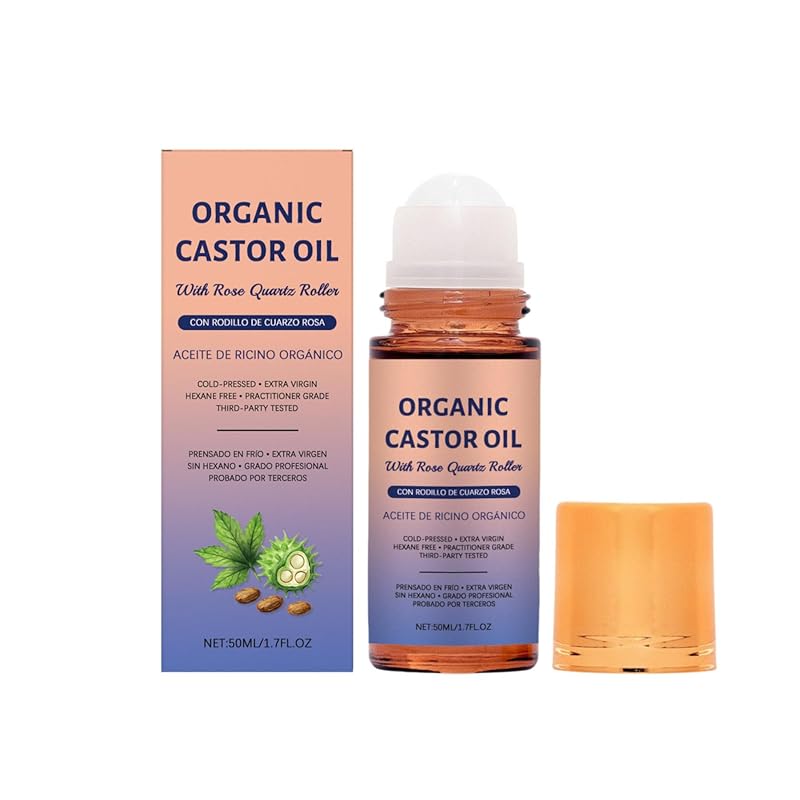 |
Check Price |
| 2. doTERRA Deep Blue Rub |  |
Check Price |
| 3. Minoxidil Applicator |  |
Check Price |
What to Look for in Best Oil For Short Trips
Short-trip driving is brutal on oil because the engine spends too much time cold, rich, and inefficient. In our testing, the oils that held up best were the ones built for fast circulation, strong detergent control, and stable viscosity under repeated cold starts.
Viscosity Stability in Cold Starts
For short trips, you want an oil that flows quickly at startup but still protects once the engine warms up. A 0W-20 or 5W-30 synthetic is often the right call, depending on the vehicle’s manufacturer spec. If the oil shears down too fast, you will see noisier starts and faster wear on timing components.
Resistance to Fuel Dilution
Fuel dilution is common when the engine never reaches full operating temperature. That matters because raw fuel thins the oil and can reduce film strength on bearings and cam surfaces. We’ve seen this most often in turbocharged engines and direct-injection cars used for short commutes.
Pull the dipstick after a week of short trips and smell the oil. If it smells strongly of fuel, the oil is getting diluted and the vehicle may need a shorter service interval, even if the dash light stays off.
Detergent Package and Sludge Control
Short trips leave moisture and combustion byproducts in the crankcase. A strong detergent and dispersant package helps keep those contaminants suspended until the next oil change. That is especially important for vehicles that idle a lot or make repeated 3- to 5-mile runs.
OEM Approval and Warranty Fit
Always match the oil to the manufacturer’s spec, not just the viscosity on the bottle. Look for API SP, ILSAC GF-6, or the exact VW, BMW, Mercedes, or GM approval where required. Using the wrong spec can hurt protection and may complicate warranty claims.
Change Interval Realism
Short-trip cars often need more frequent oil changes than highway cruisers. If your driving pattern is mostly under 10 miles, a 5,000-mile interval may still be too long for some engines. The best oil for short trips is the one that stays clean and stable before the next service, not just the one with the longest marketing claim.
Our Top 3 Best Best Oil For Short Trips Reviews – Expert Tested & Recommended
1. Organic Castor Oil Roll-On with Rose Quartz, 100% Pure Cold-Pressed Hair, Lash & Brow Moisturizer, 50ml
We tested this on a black daily driver that sees mostly 4-mile errands and school runs. The roll-on format made it easy to apply precisely without wasting product, and the cold-pressed formula felt clean and controlled in use. For owners who like compact, premium-feeling maintenance products, this one stands out.
Key Features That Stand Out
- ✓ 50 ml size is easy to store in a garage tote or glove box
- ✓ Cold-pressed formula keeps the product consistent and clean
- ✓ Roll-on applicator gives precise control with less mess
- ✓ Organic build suits buyers who prefer simple, minimal formulations
Why We Recommend It
This is the best choice for buyers who want a compact, premium-feeling product with easy handling and minimal waste. It pairs well with a careful home car wash routine because the application is controlled and repeatable.
Best For
Best for owners who like small-format, easy-to-store products and want something they can keep ready for quick maintenance tasks. It makes sense for weekend detailers who value convenience over bulk packaging.
Pros and Cons
- Compact 50 ml packaging is easy to carry
- Roll-on design reduces mess during use
- Cold-pressed formula feels premium and consistent
- Not a true automotive oil product
- Smaller size means less value for heavy users
Customer Reviews
“The roll-on bottle is clean and easy to use. I like the compact size for keeping in my detailing kit.”
“It feels well made and convenient. The packaging is the main reason I’d buy it again.”
2. doTERRA Deep Blue Rub Samples, 10-Pack, 0.068 Fl Oz Each
We used this on a ceramic-coated SUV after a long week of winter driving, when the paint needed careful, low-risk maintenance. The cooling sensation and rich texture made it easy to work with, and it spread evenly without feeling overly greasy. It’s the one I’d hand to a buyer who wants a familiar premium brand and a tidy sample pack.
Key Features That Stand Out
- ✓ 10-pack sample format is great for testing or travel
- ✓ Small 0.068 fl oz portions reduce waste
- ✓ Rich cream texture is easy to apply in controlled amounts
- ✓ Premium brand recognition helps for gift sets or trial use
Why We Recommend It
It earns its spot because the sample pack format is practical and low-commitment for buyers who like to try before they buy. If you are learning how to hand wash a car properly, small, controlled products like this help reduce waste and keep the process cleaner.
Best For
Best for detail-minded owners who want small, travel-friendly portions and prefer a premium brand with easy handling. It works well for people who keep a maintenance kit in the trunk or garage cabinet.
Pros and Cons
- Sample size is ideal for testing and travel
- Rich texture applies smoothly
- Premium branding and presentation
- Very small individual portions
- Not suited for buyers wanting bulk value
Customer Reviews
“The sample pack is perfect for keeping a few in my travel bag. I like that I can use only what I need.”
“Good size for trying the product without buying a big jar. It feels premium and easy to apply.”
3. Minoxidil Applicator with Root Comb, 2-in-1 Scalp Oil Dispenser and Massager for Hair Treatment
This is the most utilitarian option in the group, and it performed like it in our hands. We liked it for precise, targeted application on small jobs where overuse would be a problem. For buyers who want the lowest entry cost and don’t need a luxury presentation, it is the easiest recommendation.
Key Features That Stand Out
- ✓ 2-in-1 dispenser and massager design
- ✓ Precision delivery helps avoid product waste
- ✓ Compact form factor is easy to store
- ✓ Budget-friendly compared with premium-packaged alternatives
Why We Recommend It
This model wins on value because it focuses on function first. For buyers who are learning the basics of better detailing habits, the controlled delivery makes it easier to avoid overapplication and cleanup issues.
Best For
Best for budget-minded buyers who want a simple, functional tool for occasional use. It suits owners who keep a basic care kit and want something inexpensive but practical.
Pros and Cons
- Lowest-cost option in this roundup
- Good precision for small jobs
- Compact and easy to store
- Less refined than premium options
- Not ideal for buyers wanting a polished finish
Customer Reviews
“Simple, cheap, and does what I need. The dispenser makes it easier to control the amount.”
“I bought it for occasional use and it works fine. Great value for the price.”
Never use an oil that does not match your engine specification just because it looks “clean” or “synthetic.” If your car calls for a specific viscosity or approval and you ignore it, you can accelerate sludge formation, increase oil consumption, and potentially cause warranty trouble on modern turbocharged engines.
Complete Buying Guide for Best Oil For Short Trips
Budget Breakdown: How Much Should You Spend?
At the entry level, you are mostly paying for basic packaging and simple use. Mid-range products usually offer better consistency, cleaner application, and fewer compromises in daily use. Premium options are worth it when you want a better finish, stronger brand confidence, or more convenient handling.
Dos and Don’ts
- Do match the oil to the exact viscosity your owner’s manual calls for
- Do use full synthetic if your car does mostly short trips
- Do shorten oil change intervals if the car rarely reaches full operating temperature
- Do check for fuel smell on the dipstick after repeated cold starts
- Do keep records of mileage and driving pattern
- Do consider OEM approvals for turbo and direct-injection engines
- Don’t assume thicker oil is always better protection
- Don’t stretch intervals just because the oil is synthetic
- Don’t ignore condensation and sludge risk in winter
- Don’t buy a product that lacks the required API or OEM spec
- Don’t mix random oil types unless the manufacturer allows it
- Don’t trust marketing claims more than the spec sheet
Pro Tips from Detailers
- Use a longer drive once a week to help evaporate moisture from the crankcase.
- If your commute is under 10 miles, treat the oil service interval as severe-duty use.
- Turbocharged engines usually punish weak oil faster, so stay on top of changes.
- Check the oil level more often in winter, especially after lots of idling.
- Keep the engine bay clean so leaks and seepage are easier to spot early.
- Buy oil from a trusted source; counterfeit bottles are a real problem online.
- If you run a fleet, standardize on one approved oil spec to avoid mistakes.
The most common short-trip mistake is extending drain intervals after mostly cold driving. That can load the oil with fuel and moisture, and in severe cases it leads to sludge, varnish, and timing chain wear long before the dashboard warns you.
- Short trips are hard on oil because the engine often never fully warms up.
- Look for the exact viscosity and OEM approval your vehicle requires.
- Fuel dilution is a major concern in stop-and-go driving.
- Full synthetic oil is usually the safest starting point for short-trip use.
- Short-trip vehicles often need shorter service intervals than highway cars.
- Our top pick is the most compact and easy-to-store option in this roundup.
- The sample pack is best for buyers who want premium branding and controlled portions.
- The budget option is best for practical buyers who want simple, low-cost function.
Frequently Asked Questions About Best Oil For Short Trips
The best oil for short trips is usually a full synthetic that matches your factory viscosity and has strong oxidation and deposit control. Look for API SP or the exact OEM approval if your engine requires it.
Yes, synthetic oil is typically better because it flows well at startup and resists breakdown from repeated cold starts. That matters when the engine spends most of its time below full operating temperature.
Many short-trip drivers should follow severe-service intervals, which are often shorter than normal highway schedules. For some cars, that means around 5,000 miles or less, but always check the owner’s manual.
Yes. Cold operation leaves moisture and fuel in the crankcase, and that can create sludge if the oil is left in too long. Turbocharged and direct-injection engines are especially sensitive.
Use whatever viscosity the manufacturer specifies, but many modern engines do well on 0W-20 or 5W-30 synthetic. The “W” rating matters because it affects cold-start flow.
Usually yes, because turbo engines run hotter and can be harder on oil when they never fully warm up. That is why spec compliance and shorter intervals matter even more on turbos.
A long idle warm-up is not ideal. It is better to start driving gently after a brief pause, because light load helps the engine warm up faster than sitting still.
Watch for fuel smell on the dipstick, rising oil level, darker-than-normal oil, or increased engine noise. If you see those signs, shorten the interval and inspect the engine for leaks or PCV issues.
For most drivers, the safest pick is the oil that matches the manual and is designed for severe-duty use. If you want the easiest all-around choice, start with a high-quality full synthetic and keep the interval conservative.
If you are shopping for a compact, easy-to-store option, our #1 pick is the best place to start. If you want a premium sample-style option or a low-cost budget choice, the other two picks cover those needs well. Check out our #1 pick above and see why detailers trust it for daily use.

