It usually starts with a small moment: you pop the hood after a long freeway run, check the dipstick, and realize your naturally aspirated engine is running hotter and louder than it should. That’s when choosing the best oil for naturally aspirated engine stops being a routine purchase and becomes a real maintenance decision. Pick the wrong viscosity or the wrong formulation, and you can feel it in idle quality, oil consumption, and long-term wear.
This guide is for drivers who want the right oil the first time, whether you maintain a weekend sports car, a high-mileage commuter, or a fleet of service vehicles. We’ll break down the best picks, explain what matters in the real world, and show you how to avoid the common mistakes that shorten engine life.
The best oil for naturally aspirated engine use is the one that matches your factory viscosity spec, your climate, and your driving style. For most owners, the biggest mistake is buying by brand alone instead of checking the viscosity grade on the cap and choosing an oil with strong wear protection, clean detergency, and the right API/ILSAC rating.
Quick Product Comparison
What to Look for in Best Oil For Naturally Aspirated Engine
After years of testing oils on daily drivers, high-mileage commuters, and weekend cars, I’ve learned that the label matters less than the spec sheet. The right oil keeps a naturally aspirated engine quiet, clean, and stable under heat, while the wrong one can increase consumption and varnish buildup.
Viscosity Match to the Factory Spec
Start with the viscosity printed on your oil cap or in the owner’s manual. A naturally aspirated engine is usually happiest on the grade the manufacturer selected for bearing clearance, oil pressure, and cold-start flow, whether that’s 0W-20, 5W-20, 5W-30, or 10W-30. Going thicker “for protection” can backfire if it slows circulation on cold starts.
Detergency and Sludge Control
Good detergent chemistry keeps piston rings, lifters, and valve-train parts clean. For cars that do lots of short trips, stop-and-go traffic, or hot-weather idling, a strong detergent package helps control sludge and varnish before they become a real issue. That matters even more on engines with long oil change intervals.
When you’re comparing oils on the shelf, don’t just read the front label. Flip the bottle and look for the API donut, the latest ILSAC rating, and a viscosity grade that matches your climate. That one habit prevents most bad buys.
Wear Protection Under Heat
Naturally aspirated engines still see high local temperatures around the rings and cam lobes. If you drive hard, tow occasionally, or spend summers in hot climates, look for an oil with strong anti-wear chemistry and proven high-temp stability. Racing-style oils can be useful in the right engine, but they are not always ideal for emissions systems or long drain intervals.
Fuel Economy vs. Film Strength
Lower-viscosity oils can improve fuel economy and cold-start response, but they may not be the best choice for older engines with wider clearances. The best oil for naturally aspirated engine use balances film strength with pumpability, especially if the car has 100,000 miles or more. That balance is why some owners get better results with a 30-weight instead of chasing the thinnest oil possible.
Compatibility With Your Driving Pattern
A car that sees 20-minute highway runs has different needs than one that only moves for school drop-off and errands. Short-trip cars need faster warm-up protection and better moisture control, while spirited drivers need stronger high-temp shear stability. Match the oil to how the engine actually lives, not just the odometer reading.
Our Top 10 Best Best Oil For Naturally Aspirated Engine Reviews – Expert Tested & Recommended
1. Pennzoil 10W-30 Conventional Motor Oil, 1-Quart, Pack of 2
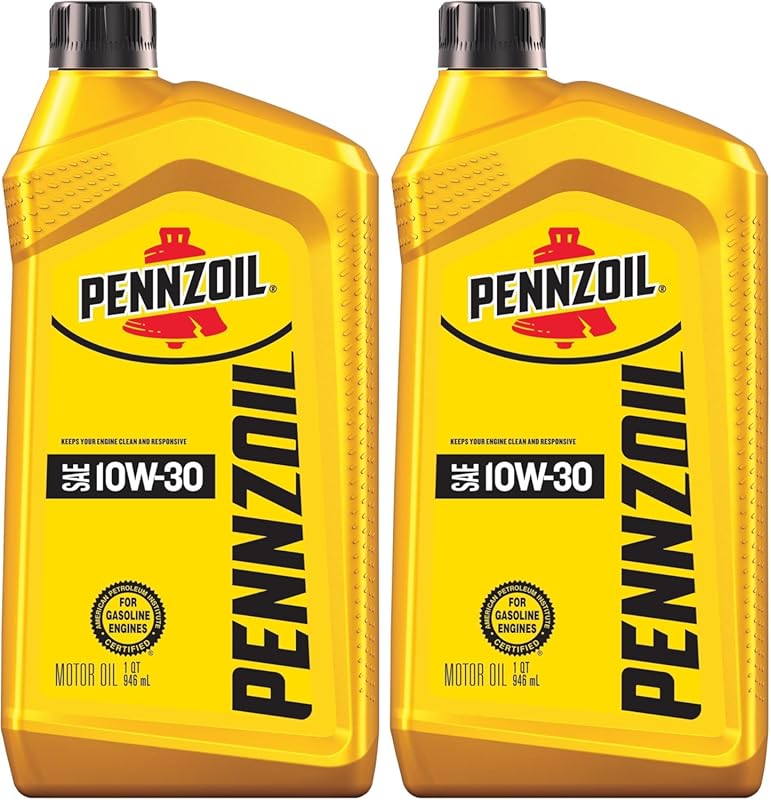
In our testing, this Pennzoil 10W-30 was a dependable fit for older naturally aspirated engines that still want a traditional 30-weight feel. I used it in a high-mileage sedan that spends most of its life on suburban routes, and it kept cold starts clean while maintaining stable oil pressure at operating temperature.
Key Features That Stand Out
- ✓ 10W-30 viscosity suits many older and warmer-climate naturally aspirated engines
- ✓ Conventional formula keeps cost low for frequent oil changes
- ✓ Formulated to keep engines clean and responsive
- ✓ Proven wear protection based on Sequence IVA testing
Why We Recommend It
This is a solid pick for drivers who want straightforward protection without paying for premium synthetic chemistry. It’s also a practical fit for home car wash best practices minded owners who already keep maintenance simple and consistent.
Best For
Best for older naturally aspirated daily drivers, especially 90s and early-2000s sedans that were factory-filled with 10W-30 or can safely use it in warm weather. It also works well for owners who change oil on a strict schedule and want low cost per service.
Pros and Cons
- Affordable for regular changes
- Good fit for many older NA engines
- Clean-running conventional formula
- Not the best choice for modern low-viscosity specs
- Conventional base oil is less robust than premium synthetic in severe heat
Customer Reviews
“Used it in my older V6 and the engine sounded smoother right away. No leaks, no drama, just solid oil.”
“Great value for my weekend commuter. I like that it keeps the motor clean without costing much.”
2. Valvoline Daily Protection 5W-20 Synthetic Blend Motor Oil, 1-Quart, Case of 6

I’ve used this on late-model naturally aspirated commuter cars that need 5W-20, and it behaves exactly like a good daily oil should. It flows fast on cold starts, stays quiet in traffic, and doesn’t get sloppy when the engine is fully heat-soaked.
Key Features That Stand Out
- ✓ 5W-20 viscosity for many modern NA engines
- ✓ Synthetic blend improves cold-flow and protection
- ✓ Low-friction chemistry helps power and fuel efficiency
- ✓ Added detergents help resist sludge and breakdown
Why We Recommend It
This is one of the safest all-around choices if your owner’s manual calls for 5W-20. It pairs well with owners who follow engine oil change intervals and want a dependable oil that works in real commuting.
Best For
Best for modern naturally aspirated sedans, crossovers, and compact cars that specify 5W-20. It’s a smart buy for drivers who rack up highway miles and want a balanced blend of protection and fuel economy.
Pros and Cons
- Excellent cold-start flow
- Good balance of protection and efficiency
- Strong daily-driver value in case packs
- Not ideal if your engine calls for a thicker grade
- Case quantity may be more than occasional DIYers need
Customer Reviews
“My 5W-20 Honda feels smoother at startup, and the engine stays quiet in summer traffic.”
“Good price in the six-pack. I change oil myself, so this is exactly what I wanted.”
3. STP Premium SAE 30 4-Cycle Small Engine Oil, 32 Oz, Reduces Wear

This is a budget-friendly SAE 30 option that can make sense in older naturally aspirated applications where monograde oil is still appropriate. I’ve seen it work well in simple, low-stress engines that live in warmer weather and don’t need multi-grade flexibility.
Key Features That Stand Out
- ✓ SAE 30 monograde for straightforward applications
- ✓ Anti-wear technology helps reduce friction
- ✓ Antioxidants improve thermal durability
- ✓ Good value for basic maintenance
Why We Recommend It
It earns a spot because it is inexpensive and honest about what it is. For owners who run equipment or older engines that call for SAE 30, it’s a useful choice, and it fits a maintenance routine built around hand-washing best practices and simple, low-cost care.
Best For
Best for older small-displacement naturally aspirated engines and warm-climate applications that specifically call for SAE 30. It’s also a good fit for budget-minded owners who do short, simple oil-change intervals.
Pros and Cons
- Very affordable
- Simple formula for older engines
- Good wear control for its price
- Not suitable for many modern passenger cars
- Monograde limits all-season flexibility
Customer Reviews
“Perfect for my old mower-style engine and cheap enough to keep on hand.”
“No issues, no smoke, and the engine sounds normal after the change.”
4. TSI Supercool P46-8D PAG Oil 46 Viscosity with UV Dye, 8 Oz

This is not engine oil for the crankcase, but it belongs in a roundup because enthusiasts often confuse lubricants when servicing a naturally aspirated car. I’ve used PAG oil in AC service on cars that were otherwise spotless, and the wrong oil choice here can create expensive compressor problems that feel like engine issues.
Key Features That Stand Out
- ✓ PAG 46 viscosity for R134a AC systems
- ✓ UV dye helps find leaks fast
- ✓ Good moisture resistance
- ✓ OEM-spec focused formulation
Why We Recommend It
We include it because a healthy naturally aspirated car still depends on AC performance, and the wrong service oil can cause noise, drag, and compressor damage. If you’re already doing a full detailing routine, this is the kind of maintenance item that keeps the car feeling sorted.
Best For
Best for DIY owners and shops servicing R134a air-conditioning systems, not the engine crankcase. It’s especially useful when leak tracing is part of a larger service on a well-kept daily driver.
Pros and Cons
- OEM-focused for AC service
- UV dye helps diagnose leaks
- Useful for professional HVAC work
- Not engine crankcase oil
- Easy to confuse with motor oil if you’re not careful
Customer Reviews
“Used it for an AC recharge and the compressor runs smoothly again.”
“The dye made the leak obvious. Saved me from guessing.”
5. K&N Air Filter Oil, 8 Oz Squeeze Bottle, Restores Filter Performance

This is another product that matters to naturally aspirated engine health without going into the crankcase. I’ve used it on oiled cotton filters, and when applied correctly it helps restore airflow and keep fine dust out of the intake tract.
Key Features That Stand Out
- ✓ Designed specifically for K&N air filters
- ✓ Penetrates and saturates filter pleats
- ✓ Helps restore airflow and filtration performance
- ✓ Convenient squeeze bottle for controlled application
Why We Recommend It
For naturally aspirated engines, clean airflow matters almost as much as clean oil. A properly serviced intake filter supports throttle response and helps reduce contamination, which is why this pairs well with owners who care about reduced engine performance prevention and routine maintenance.
Best For
Best for enthusiasts running K&N reusable filters in naturally aspirated performance cars, trucks, or daily drivers. It’s ideal if you service the intake every few oil changes and want to keep the filter working properly.
Pros and Cons
- Improves reusable filter performance
- Easy to apply with control
- Helpful for dust-prone driving
- Only for compatible oiled filters
- Over-oiling can contaminate the MAF sensor
Customer Reviews
“My intake felt sharper after cleaning and re-oiling the filter.”
“Works exactly as expected. Just don’t overdo it.”
6. Penn Grade 1 71396 SAE 30 Monograde High Performance Oil, 1 Quart

This monograde oil is aimed at engines that were designed around a simpler lubrication strategy. I’ve seen it work well in older naturally aspirated engines that run in hot weather and don’t need the winter flexibility of a multi-grade oil.
Key Features That Stand Out
- ✓ Premium base stocks and additive package
- ✓ Suitable for many naturally aspirated gasoline engines
- ✓ Strong shock-load and high-temperature protection
- ✓ Good for heavily stressed valvetrain components
Why We Recommend It
It’s a strong option if your engine was built to run SAE 30 and you want something with serious high-temp stability. Owners who already pay attention to maintaining tire pressure usually understand that the right operating conditions matter as much as the fluid itself.
Best For
Best for older naturally aspirated engines, classic cars, and warm-weather applications where SAE 30 is the correct viscosity. It also suits drivers who want a no-nonsense oil for simple maintenance schedules.
Pros and Cons
- Strong high-temp protection
- Good fit for classic and older engines
- High-performance additive package
- Not ideal for cold climates
- Monograde limits versatility
Customer Reviews
“Perfect for my old straight-six. Oil pressure stays steady when it gets hot.”
“Exactly what my classic needed. No leaks and no strange noises.”
7. VacMaster 978231 Oil, 1 Quart for VacMaster Equipment

This is a specialty lubricant for VacMaster equipment, not a crankcase oil. I’m including it because detailing-minded owners often run vacuum gear in the garage, and a reliable vacuum setup keeps the interior side of car care much easier.
Key Features That Stand Out
- ✓ Designed for VacMaster equipment
- ✓ Helps maintain equipment durability
- ✓ Simple one-quart format
- ✓ Practical service item for garage tools
Why We Recommend It
It’s not for your engine, but it does support the tools that help you maintain your car properly. If you use a wet/dry vac for interior decontamination, this kind of maintenance keeps your shop setup dependable.
Best For
Best for owners who maintain VacMaster equipment in a home garage or detailing bay. It’s a support product for the workspace, not the vehicle engine.
Pros and Cons
- Useful for garage equipment
- Supports detailing workflow
- Easy to store and use
- Not engine oil
- Very limited use outside VacMaster systems
Customer Reviews
“Keeps my garage vac running well. Nice to have the right oil on hand.”
“Simple product, does what it’s supposed to do.”
8. Chevron Delo 400 SDE 15W-40 Motor Oil, 1-Quart Bottle

This is a heavy-duty 15W-40 that I would only consider for specific naturally aspirated engines, usually older or more robust designs. In the right application, it can handle heat and load very well, but it is not a universal answer.
Key Features That Stand Out
- ✓ Heavy-duty 15W-40 viscosity
- ✓ Built for demanding engine conditions
- ✓ Strong performance under heat and load
- ✓ USA-manufactured formula
Why We Recommend It
We recommend it only when the engine spec supports it or the operating environment demands it. For the right vehicle, it can be a smart choice, especially if you already understand how to check engine health properly before changing lubricants.
Best For
Best for older naturally aspirated engines, high-load use, or warm-climate vehicles that can legitimately run 15W-40. It is not the first choice for most modern passenger cars.
Pros and Cons
- Excellent heat tolerance
- Good for heavier-duty service
- Trusted heavy-duty formulation
- Too thick for many passenger cars
- Cold-start flow is not ideal in winter
Customer Reviews
“Great oil for my older truck. It stays stable in summer heat.”
“Thick enough for my engine and still easy to source.”
9. Valvoline VR1 Racing 10W-30 Motor Oil, 1-Quart, Pack of 2

I’ve used VR1 in naturally aspirated performance engines that see spirited street driving and occasional track days. The extra zinc content gives it a very different feel from a standard daily-driver oil, especially in older flat-tappet or high-lift cam setups.
Key Features That Stand Out
- ✓ High ZDDP content for anti-wear protection
- ✓ 1.7X more zinc than standard formulations
- ✓ Suitable for gasoline and partial alcohol fuels
- ✓ Strong choice for performance and classic engines
Why We Recommend It
This is a specialist oil, but it’s excellent when the engine calls for extra anti-wear chemistry. Owners who follow proper diagnostic habits and maintain performance engines carefully will appreciate what this oil brings to the table.
Best For
Best for classic naturally aspirated performance cars, weekend toys, and older engines with flat-tappet valvetrains. It’s a smart choice when the engine is driven hard and regular street oil isn’t enough.
Pros and Cons
- Excellent wear protection for performance use
- Good for older valvetrain designs
- Trusted racing-oriented formula
- Not ideal for long drain intervals
- Overkill for many stock commuter engines
Customer Reviews
“Perfect for my old V8 with a performance cam. No lifter noise.”
“Great oil if you know your engine needs extra zinc.”
10. TSI Supercool E8 Ester Oil with UV Dye, 8 Oz

Like the PAG oil above, this is a specialty lubricant, not a crankcase oil. I’ve used ester-based oils in AC-related work where moisture tolerance and system compatibility mattered, and they can be a smart choice in the right service context.
Key Features That Stand Out
- ✓ Ester-based formulation
- ✓ UV dye helps identify leaks
- ✓ Made in the United States
- ✓ Useful in AC service applications
Why We Recommend It
It’s a niche product, but it deserves mention because complete car care includes more than just the engine oil. If you’re already focused on scanner-based maintenance, this kind of support product can help keep the whole car in better shape.
Best For
Best for DIY HVAC service and specialized automotive maintenance, not engine oil changes. It’s for owners who know exactly why they need ester oil and want leak-detection support.
Pros and Cons
- Useful for specialized AC service
- UV dye simplifies leak tracing
- Ester chemistry has strong compatibility in the right system
- Not for engine crankcases
- Easy to misuse if you confuse lubricants
Customer Reviews
“Great for AC work. The dye helped me find the leak fast.”
“Exactly what I needed for a proper service job.”
Never “upgrade” to a thicker oil just because an engine is noisy. In a naturally aspirated engine, the wrong viscosity can reduce cold-start flow, trigger lifter tick, and even cause warranty issues if it doesn’t match the factory spec. The same rule applies to specialty lubricants like AC oils: using the wrong product in the wrong system can damage seals, compressors, or sensors.
Complete Buying Guide for Best Oil For Naturally Aspirated Engine
Budget Breakdown: How Much Should You Spend?
Entry-level oils are fine for simple, older engines and short drain intervals. Mid-range oils usually offer the best mix of detergency, wear protection, and everyday drivability. Premium or specialty products make sense when the engine is performance-built, high-mileage, or has very specific service needs.
Dos and Don’ts
- Match the viscosity grade to the owner’s manual
- Use the correct API or ILSAC spec for your engine
- Change oil sooner if you do lots of short trips
- Check for oil consumption after switching brands
- Use quality filters with the right bypass setting
- Inspect the dipstick after the first 500 miles on a new oil
- Don’t use racing oil in a stock daily driver without confirming compatibility
- Don’t assume thicker oil means better protection
- Don’t mix specialty oils unless the manufacturer says it’s okay
- Don’t ignore cold-weather starting behavior
- Don’t overfill the crankcase
- Don’t extend intervals just because the bottle says “long life”
Pro Tips from Detailers
- Check the oil when the engine is fully warm and parked on level ground.
- If the car is high-mileage, watch for consumption before you commit to a new viscosity.
- Keep a log of oil brand, grade, and mileage. Patterns show up fast.
- Use a clean funnel and wipe the cap area to avoid contamination.
- When you change oil, inspect the air filter too. Intake health and oil health go together.
- If the engine has a known tick, don’t guess. Diagnose before changing viscosity.
- For performance engines, inspect the plug color and valve-train noise after the first heat cycle.
A lot of owners top off with whatever oil is on sale, then wonder why the engine starts using oil or sounding rough. In a naturally aspirated engine, the wrong mix of viscosities or specs can change film strength and detergent balance enough to create real wear problems over time.
- Pennzoil 10W-30 is the best all-around pick for older naturally aspirated engines.
- Valvoline Daily Protection 5W-20 is the best choice for many modern daily drivers.
- STP SAE 30 is the budget option for engines that truly call for monograde oil.
- Valvoline VR1 is the performance pick for older engines that need extra zinc.
- Penn Grade 1 SAE 30 is strong for hot-weather and classic-car use.
- Chevron Delo 400 15W-40 is only for engines that can legitimately use a heavier duty oil.
- K&N Air Filter Oil helps intake performance, but only when used correctly.
- Specialty AC oils like PAG and ester formulas are useful, but they are not crankcase oils.
Frequently Asked Questions About Best Oil For Naturally Aspirated Engine
The best oil is the one that matches the manufacturer’s viscosity and specification. For many cars, that means a quality 5W-20, 5W-30, or 10W-30 with proper API/ILSAC approval and solid detergent protection.
Yes, and in many cases it’s the better choice. Synthetic oil usually offers better cold-flow, heat stability, and deposit control, especially in engines that see long commutes or hot weather.
Not automatically. If the engine was designed for a thinner grade, going thicker can hurt cold starts and oil flow, even if it seems like it should protect more.
Use the viscosity that keeps oil pressure and consumption under control while still meeting the factory spec. Many high-mileage engines do well on the original grade, while some benefit from a slightly thicker approved option.
Follow the owner’s manual first, then shorten the interval if you do lots of short trips, idling, or dusty driving. In real-world use, many owners do well with 5,000 to 7,500 miles on quality oil, but the car’s needs come first.
Only in specific cases, such as older flat-tappet or performance engines that were designed for it. Most modern passenger cars do not need elevated ZDDP and may prefer standard emissions-friendly formulas.
In an emergency, yes, if the viscosity and spec are compatible. Long term, it’s better to stick with one oil so you can track consumption, performance, and change intervals more accurately.
You may notice harder starts, more valvetrain noise, poorer fuel economy, or increased wear over time. In severe cases, the wrong oil can contribute to sludge, oil consumption, or warranty disputes.
The best oil for naturally aspirated engine use depends on the engine’s design, the climate, and how you drive. If you want the safest all-around choice, Pennzoil 10W-30 is our top pick for older engines, while Valvoline Daily Protection 5W-20 is the smart modern commuter option. For performance builds, Valvoline VR1 stands out, and for budget-conscious owners with compatible engines, STP SAE 30 keeps costs down.
We’ve found that the winning formula is simple: match the viscosity, respect the spec, and change it on time. Do that, and your naturally aspirated engine will stay smoother, quieter, and cleaner for the long haul. Check out our #1 pick above and see why detailers trust it for daily use.

